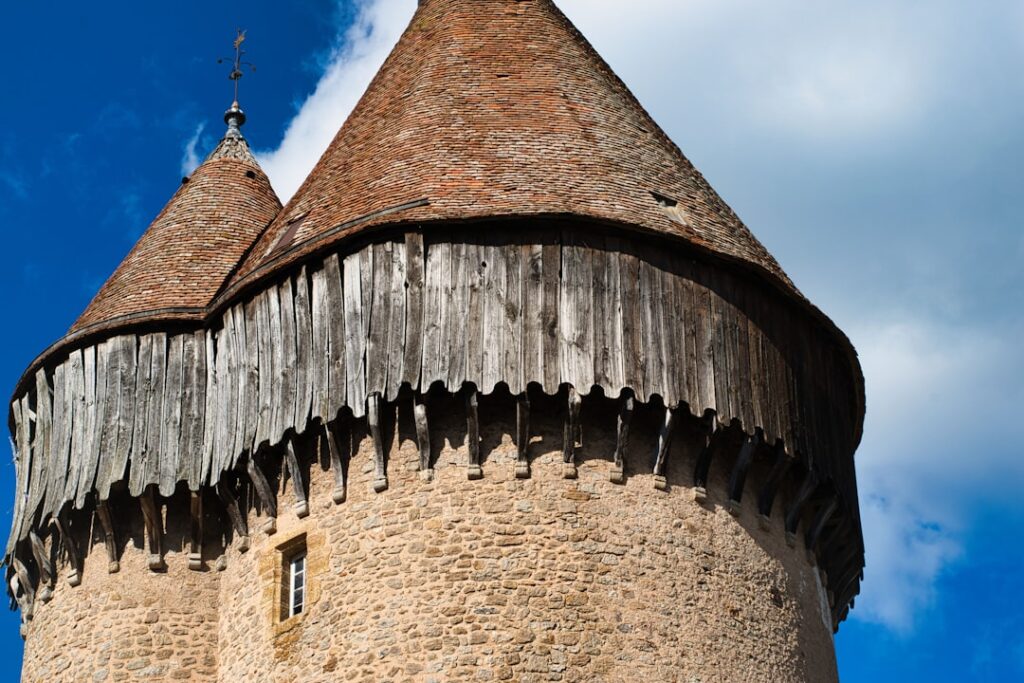






Introduction: Tower by Tower — Exploring Umbria’s Medieval Watchtowers
Umbria, the green heart of Italy, is more than rolling hills, wooded valleys and spiritual sanctuaries: it’s an open-air museum where medieval towers puncture the skyline as markers of a long, turbulent history. Built for defense, civic power and control over trade routes, these towers now stand as tangible witnesses to a lively Middle Ages driven by noble families, communes and local lords. For today’s visitor they offer a sensorial journey through worn stone, narrow stairways, sweeping views and vibrant piazzas where Italian life still plays out in rhythms that feel nearly timeless.
In this guide we’ll meet some of the region’s most striking medieval towers: fortified keeps that dominate towns like the Rocca Maggiore of Assisi, the elegant silhouette of the Torre dei Consoli in Gubbio, and the civic towers of Todi, Orvieto and Perugia. Each monument includes a full address, typical opening hours, approximate admission prices (in euros), an immersive description and practical local tips — how to get there, when to avoid the crowds, and what to look for in the architecture and landscape. You’ll also find suggestions for combining a tower visit with nearby walks, coffee stops or markets, plus precautions for climbing tight staircases and the best light for photographing the panoramas.
Beyond practical info, we’ll try to convey the atmosphere: the coolness of stone in the shade of a hot morning, the distant tolling of bells, vistas of terracotta roofs and cypress trees, the scent of an espresso sipped standing in a medieval square. These towers are not mere tourist checkboxes: they are regional observatories where history is written in stone and contemporary life still finds its place. Lace up comfortable shoes, grab your camera and your curiosity: we’ll climb together, tower by tower, to Umbria’s finest medieval viewpoints.
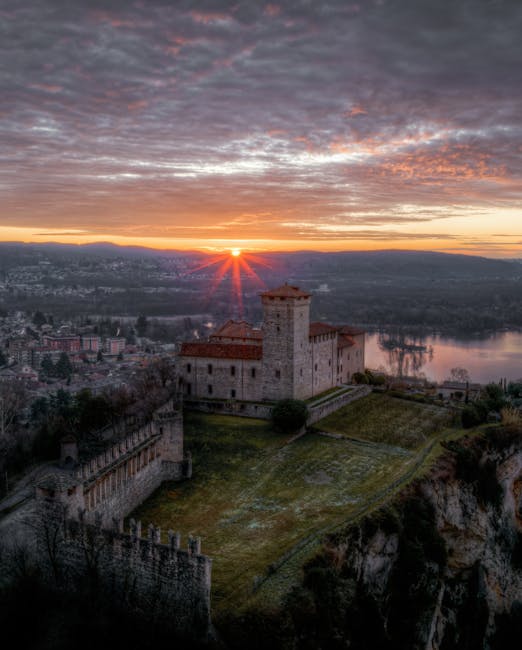
Torre dei Consoli — Palazzo dei Consoli, Gubbio (a communal symbol)
The Torre dei Consoli, part of the Palazzo dei Consoli, is arguably one of Gubbio’s most iconic silhouettes. Address: Piazza Grande, 06024 Gubbio PG. Built between the 14th and 15th centuries, the building now houses the Museo Civico and the tower offers a superb viewpoint over the old town and surrounding hills. Entry to the Museo Civico, including tower access, typically costs around €8.00 for adults, with reduced fares of €4.00 for younger visitors, and sometimes free admission for very young children. Typical hours: Tuesday–Sunday 09:00–19:00, closed on Monday; hours may vary in low season — check locally before you go.
The climb is via narrow interior staircases and vaulted galleries: expect uneven stone steps and low passages that reveal medieval building techniques. Once at the top, the payoff is immediate: a 360° view over Piazza Grande, terracotta roofs and the Umbrian countryside. Take time to study the Palazzo’s carved details, the old pointed windows and the ramparts crowning the hill. Morning and twilight provide the best photography light — the textures of the houses and stone gain extra depth at those times.
Practical tips: arrive early to beat tour groups, bring water (the stairs can warm you up), wear closed shoes for the ascent, and carry a small bag to protect your camera. Close by, Trattoria del Teatro (Via dell’Ospedale, 06024 Gubbio PG) serves regional dishes if you want to linger after your visit. History buffs will enjoy the museum’s collection of armor, documents and frescoes, which complement the city views from the tower.
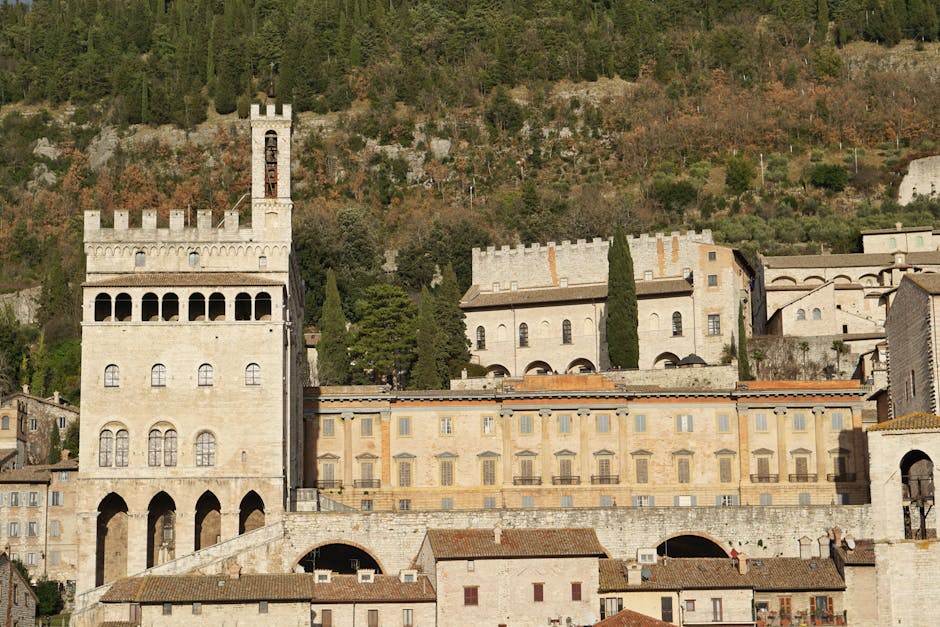
Rocca Maggiore and Torre di Rocca Maggiore — Assisi (a sentinel over the valley)
The Rocca Maggiore dominates Assisi from the hill above the lower town and the Tescio valley. Main access address: Via Rocca Maggiore, 06081 Assisi PG. The fortified complex, whose main tower is often called Torre di Rocca Maggiore, was built in several stages between the 12th and 14th centuries. The site is partly managed by the Comune of Assisi and access to the Rocca park is generally ticketed: single admission is usually around €5.00 to €6.00 per adult, with discounts for children and seniors. Typical hours: April–September 09:00–19:00, October–March 09:00–17:00, although seasonal hours and closures for events do occur.
The visit begins with an uphill walk that can be made on foot from the lower basilica (Basilica di San Francesco d’Assisi) or reached by a short drive or local transport. Along the way you pass olive terraces and stone walls that evoke the medieval setting. Access to the tower includes stairs and restored wooden walkways; the ascent is manageable for most visitors but requires decent fitness for the final steps. From the top of Torre di Rocca Maggiore you’ll be rewarded with views across the Umbrian plain, neighboring villages and, on clear days, the distant Apennines. It’s an ideal spot for sunset over Assisi, when the sun gilds the basilica and cypress shadows stretch long.
Local tips: visit the Rocca in the late afternoon for softer light and cooler temperatures. Bring a jacket for windy evenings. For photographers, the north balustrade offers beautiful compositions of Assisi’s roofs and the basilica. If you want to combine history and nature, follow the trail down toward the Hermitage of San Damiano and its gardens — about a fifteen-minute walk. For a tasty stop after your climb, Osteria Piazzetta dell’Erba (Piazza del Comune, 06081 Assisi PG) serves authentic Umbrian antipasti.
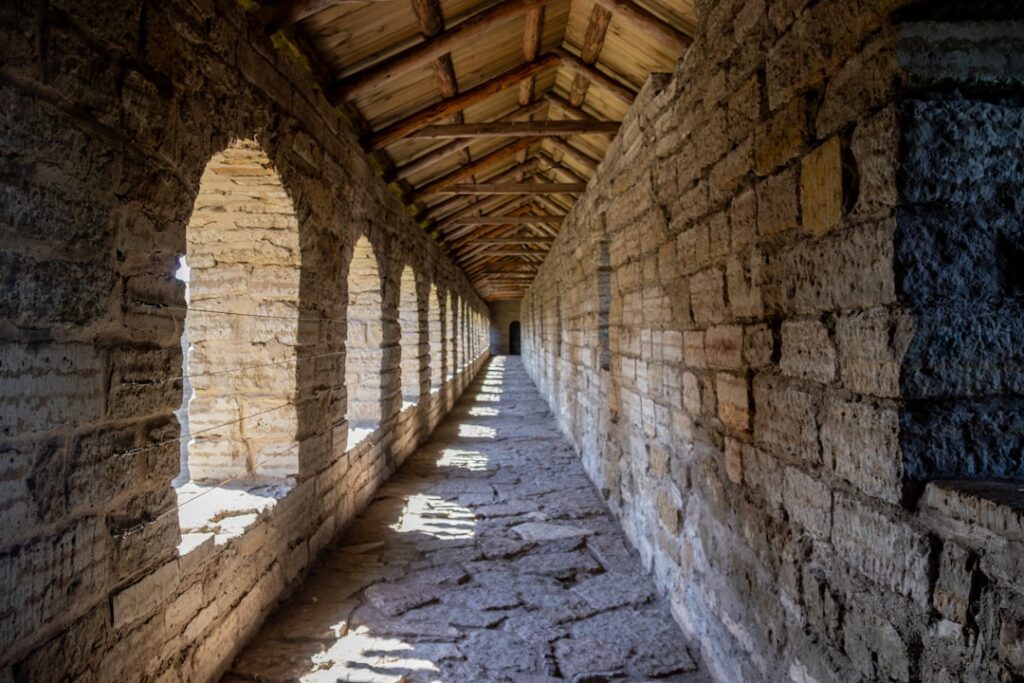
Torre del Popolo — Todi (civic emblem with valley views)
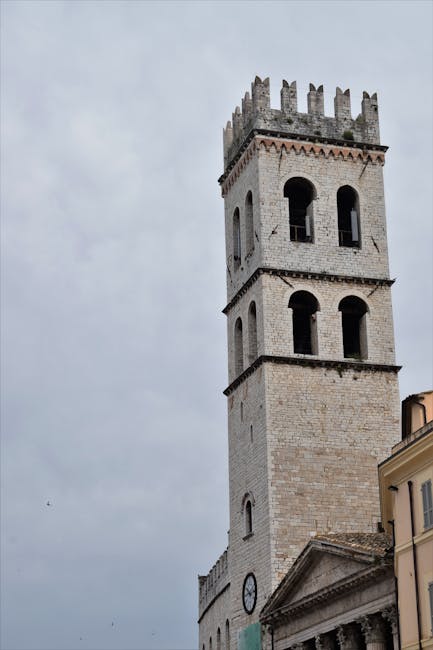
Sitting on the broad Piazza del Popolo, the Torre del Popolo is one of Todi’s emblems — a hilltop town between the Tiber valley and the surrounding countryside. Address: Piazza del Popolo, 06059 Todi PG. Dating from the 13th–14th centuries, the tower was part of the civic complex asserting communal autonomy. Access to the tower, often managed by the tourist office or Comune, is usually sold as a combined ticket for the town hall and the tower, costing around €4.00 to €6.00 per adult; typical hours are 09:00–18:00 in high season, with shorter hours in winter. The tower is frequently open only during scheduled guided climbs — check the times for ascending.
The ascent is typical of Italian towers: narrow, sometimes uneven steps, small openings for ventilation and light, and changing viewpoints at each landing. From the summit you’ll take in the Tiber valley, clustered hilltop villages and wide cultivated fields. Photographers will enjoy framing Todi’s Romanesque buildings, with the distant Santa Maria della Consolazione church visible on the horizon. Interpretive panels inside the tower recount municipal conflicts, the role of the consuls and successive restorations, giving rich historical context to your visit.
Practical advice: Piazza del Popolo is perfect for extending your visit with a terrace coffee — Caffè Meletti (Piazza del Popolo, 06059 Todi PG) is a local institution. In summer, aim for a morning climb; evening light, by contrast, yields very gentle tones for photos. Todi’s steep streets mean it’s best to park in peripheral lots (for example Parcheggio di Porta Orvietana) and walk up to the square. Unfortunately, access to the tower is often not possible for visitors with reduced mobility — check ahead if that’s a concern.
Rocca Paolina and Torre di Porta Marzia — Perugia (urban fortress and hidden towers)
Perugia, Umbria’s cultural capital, still bears strong traces of its military and communal past. The Rocca Paolina, built in the 16th century but incorporating earlier medieval structures, is an extensive underground complex that exposes historic towers and gates, including the nearby Torre di Porta Marzia. Main access address for Rocca Paolina: Via della Rocca, 06123 Perugia PG. Entrance to the Rocca’s public areas and exhibitions is often free; some museum sections run temporary shows with tickets ranging from €3.00 to €7.00. Typical hours: 10:00–18:00, though times vary for special events and evening exhibitions.
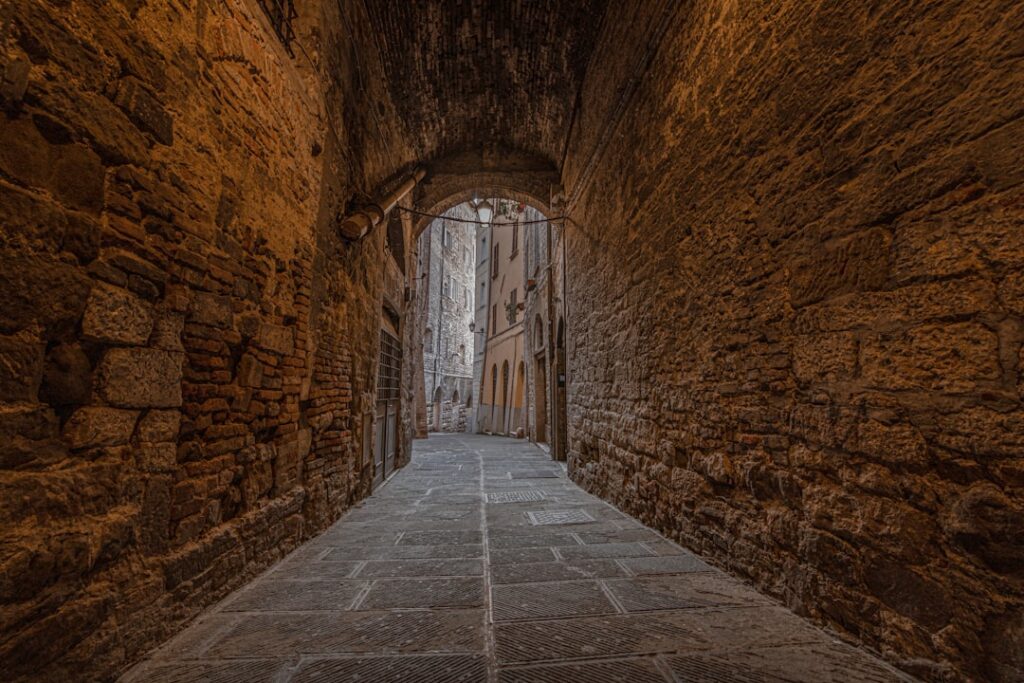
Perugia’s charm lies in its layered history: descending into the Rocca you move through medieval, Renaissance and modern remains. Towers and gates like Torre di Porta Marzia (near Corso Vannucci) offer secluded views of the urban fabric and let you appreciate adaptive defensive techniques. The climbs to Perugia’s high viewpoints are less dramatic than in smaller hill towns, but they provide unique perspectives on roofs, bell towers and the rhythm of the city. Informational panels and guided tours help place each element within the broader history — from the communal republic to papal-era transformations.
Tips: pair a visit to Rocca Paolina with a stroll down Corso Vannucci and a stop at the Mercato Coperto (Via Luigi Bonazzi, 06123 Perugia PG) to sample local specialties such as tartufo and Perugia chocolate. The views from Rocca’s higher points are especially pleasing in late afternoon; in winter, check for reduced exhibition hours. Perugia also offers public lifts connecting different city levels — a handy way to save energy between sites.
Conclusion: Climb, Observe, Understand — The Essence of Umbrian Medieval Towers
Umbria’s medieval towers are windows onto the past and immediate places of experience: they bring visitors close to defensive strategies, civic ambitions and everyday life in medieval towns while offering panoramas that map the human and natural geography of the region. Climbing a tower means accepting a brief isolation — a few minutes of physical effort and ascent — in exchange for a broad perspective: a landscape of hills, cypresses, churches and villages that ordinary ground-level sight can’t convey. Each tower we’ve described — from Gubbio’s Torre dei Consoli to Assisi’s Rocca Maggiore, via Todi’s Torre del Popolo and Perugia’s hidden corners — has its own history, distinctive architecture and ideal visiting moments.
Quick tips to make the most of these visits: favor early morning or late afternoon for better light and cooler conditions; check official hours because sites sometimes close for maintenance or events; wear closed shoes and carry a small water bottle; follow safety instructions on stairs and terraces; and pair a tower visit with a meal or coffee in a nearby piazza to extend the immersion. Remember that Umbria is best discovered in small stages: a single day can combine a tower climb, a local museum and a food walk, while a longer stay lets you link multiple monuments and soak up the region’s slow, gentle rhythm.
When you set out to conquer these medieval towers, you’ll bring home more than photos: you’ll collect sensory experiences — the rough touch of stone, the wind on the ridges, the view that orders the landscape. These towers are historical and contemporary observatories, and each deserves to be climbed with the curiosity of a traveler, the patience of a stroller and the respect of a historian. Happy climbs and wonderful discoveries in the heart of Umbria!