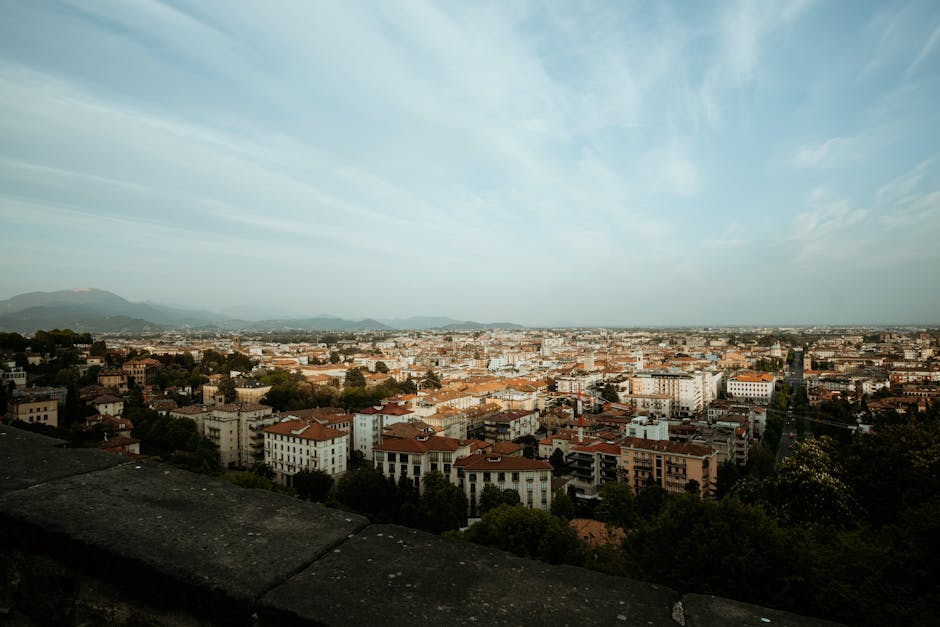






Introduction: Along Umbria’s Ancient Walls
When you think of Umbria, visions of vine-covered hills, olive groves, stone villages gathered around a cobbled piazza—and often a line of ramparts marking the skyline—spring to mind. Umbrian walls are more than ruins: they’re living promenades and panoramic viewpoints, bridges between past and present where you can feel centuries beneath your feet. On the citadels’ heights, towers and bastions offer views made for quiet reflection and photography, while below, winding streets bustle with artisan shops, cafés and the scent of local cooking.
This guide mixes history and practical tips: from Perugia’s long fortifications to Gubbio’s valley balconies, from Spoleto’s restored fortresses to Spello’s flowered gateways. Each section highlights a landmark, gives exact addresses, opening times, indicative prices and practical advice to turn a simple visit into an unforgettable walk. You’ll also find recommendations for the best times of day to photograph the walls, family- and wheelchair-friendly access, plus ideas for food stops and nearby places to stay.
Umbrian ramparts tell stories of defence, power and local identity: from medieval structures like Perugia’s Rocca Paolina to Roman walls repurposed by medieval towns, every stone has a memory. But these walls are also places of daily life. In summer, concerts and artisan markets set up along them; in autumn, golden foliage paints warm scenes. Strollers who take their time along the walking paths discover not just great vistas but hidden gardens, cloister views, little squares where locals meet for an aperitivo.
Structurally, this guide is designed to be a working roadbook: usable practical info (full addresses, hours, prices) first, followed by immersive descriptions and local tips. You’ll also get visual cues for photo stops and suggestions for linking several sites in one day. Pack good shoes, a water bottle and a curiosity for exploring: Umbria’s walls await, between stone, sky and olive trees.
Perugia and the Rocca Paolina: the Wall That Hides a City Beneath a City
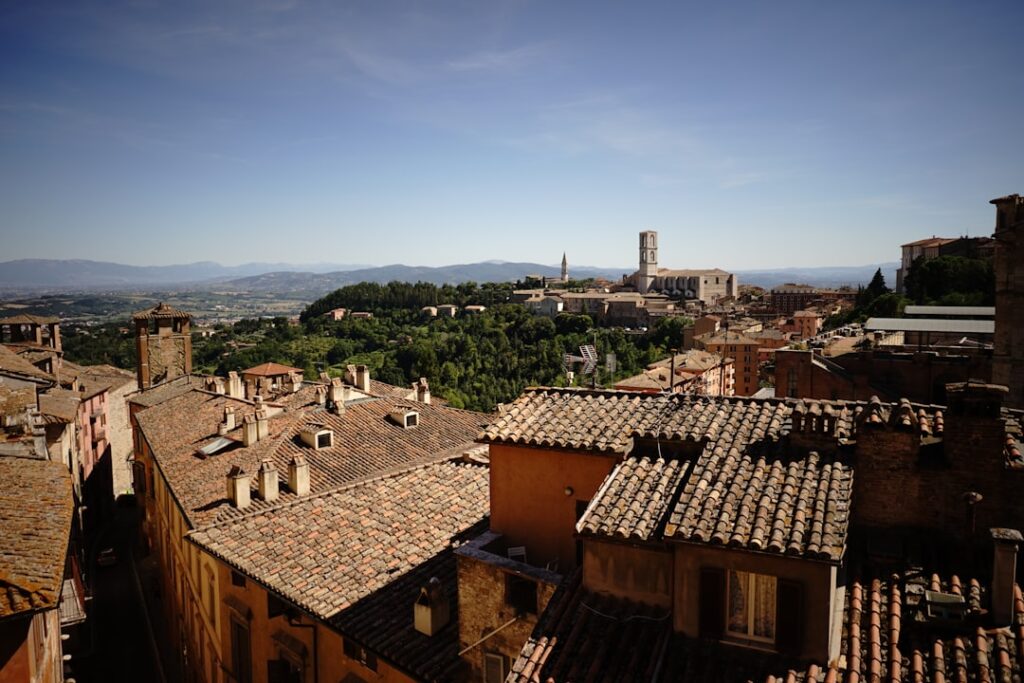
Perugia, Umbria’s regional capital, is a great place to start if you want to understand the strategic importance of ramparts. At the city’s heart, the Rocca Paolina is a 16th-century fortress built by Pope Paul III to assert papal authority. Today it offers a unique stroll: you literally descend into the city’s depths, walking through vaulted passages, underground squares and remnants of medieval neighborhoods cleared during construction. Address: Rocca Paolina, Piazza Italia 6, 06121 Perugia PG, Italy.
Opening hours: access to the Rocca Paolina (public areas) is generally open daily; museum spaces and exhibitions inside (e.g. Museo Civico di Palazzo della Penna when hosting shows) follow seasonal timetables, typically 10:00–19:00. Prices: entry to underground sections is often free; temporary exhibitions and museums may charge €3–€8 depending on the event. Check the Comune di Perugia official website for updates (Comune di Perugia, Piazza IV Novembre, 06123 Perugia PG; Ufficio Informazioni Turistiche Piazza IV Novembre, 06123 Perugia, tel. +39 075 572 3619).
Immersive description: stepping into the Rocca Paolina is like leaving the light of Corso Vannucci and entering a stone maze of ramps, vaults and arcades. The walls still show traces of successive transformations: medieval remains, papal interventions and civic uses through the 19th and 20th centuries. From the upper terraces around the Rocca, you can take in the Tiber valley, red roofs and church towers. The walk is especially rewarding at golden hour, when low light brings the stone textures to life.
Practical tips: arrive early to avoid crowds and catch the best light for photos. Corso Vannucci, running alongside the Rocca, is pedestrianized and lined with shops and cafés; for a quick espresso, try “Caffè Morlacchi” at Piazza Giuseppe Morlacchi (Piazza Giuseppe Morlacchi, 06124 Perugia), generally open 08:00–20:00. Accessibility: access to some upper areas can be difficult; contact the tourist office for adapted access. Combine your visit with the Fontana Maggiore (Piazza IV Novembre) and the Palazzo dei Priori (via della Gabbia, 06123 Perugia) for a day rich in art and history.
Assisi and Its Sacred Walls: Faith and Panoramas
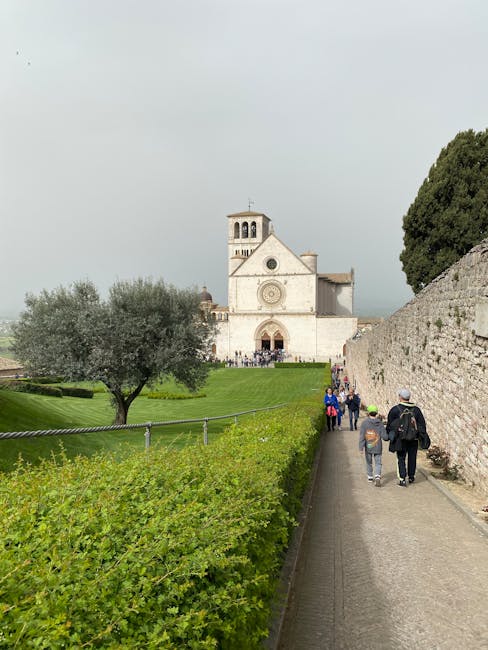
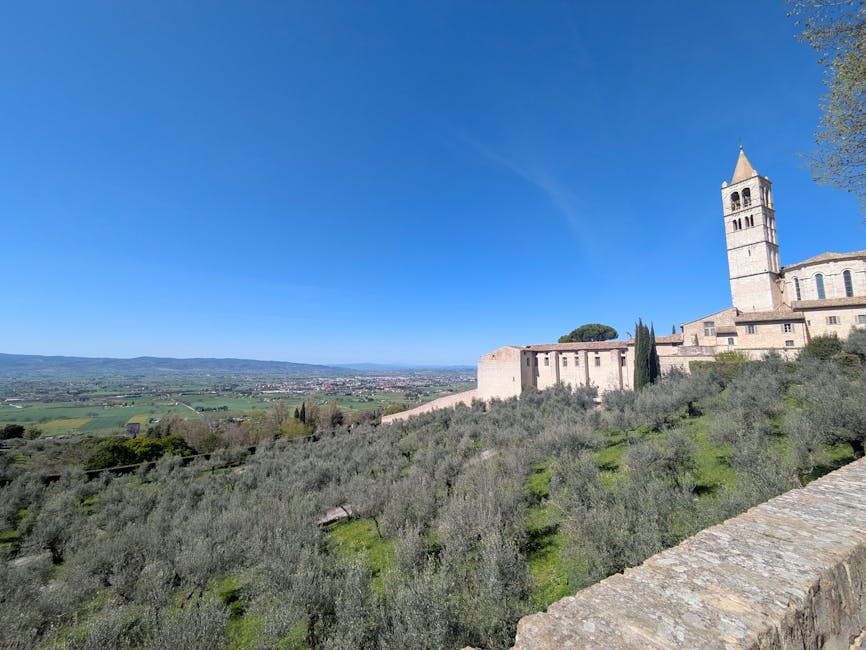
Assisi is world-famous as St. Francis’ hometown, but its ramparts deserve full attention too. Built at different periods—Roman, medieval and republican—Assisi’s walls encircle the historic center and offer striking views over the Chiana valley and the Apennines. General address for the historic center: Piazza del Comune, 06081 Assisi PG, Italy. For orientation: Porta San Pietro, Via San Francesco d’Assisi, 06081 Assisi. The ramparts and walkways pass through gates like Porta San Giacomo and Porta Perlici.
Hours and prices: walking the walls is largely free and accessible year-round. Sites housed within the walls, notably the Basilica di San Francesco d’Assisi (Piazza Inferiore di San Francesco, 06081 Assisi), have variable opening times: lower basilica 07:00–19:00, upper basilica 07:30–12:00 and 15:00–18:00 (indicative); entry is free but donations are suggested for upkeep and chapels. The Museo del Tesoro nella Basilica di San Francesco (Piazza Inferiore di S. Francesco): fee around €5–€7; hours vary by season.
Immersive description: wandering Assisi’s walls you feel the link between spirituality and landscape. From the path near Porta San Pietro you can see the green sweep of Umbria dotted with olive trees and traditional farms. The walls are often edged with public gardens and tiny chapels; in the evening, city lights and bell towers create an almost mystical scene. Don’t miss the Belvedere di San Damiano for sweeping countryside views, reachable via Via San Damiano (near Chiesa di San Damiano, 06081 Assisi).
Practical tips: Assisi is hilly—wear comfortable shoes. The best photo times are dawn and late afternoon—light brings out the warm tones of the stone. To avoid peak crowds at the basilica, plan an early morning visit. Take a break at a local bar like “Bar Ponte Rosso” (Piazza del Comune, 06081 Assisi), generally open 08:00–22:00, and try a panino con porchetta or a cappuccino while enjoying the view.
Gubbio: Medieval Walls and Valley Views
Gubbio is one of Umbria’s best-preserved medieval citadels. Its walls surround a historic center of Gothic palaces and ancient towers. The civic symbol, the Palazzo dei Consoli, overlooks the Piazza Grande and is a handy starting point for a walk along the ramparts. Address: Palazzo dei Consoli, Piazza Grande, 06024 Gubbio PG, Italy. The walls that encircle the old town include access points such as Porta Romana and Porta Cairoli.
Hours and prices: the Museo Civico di Palazzo dei Consoli (Piazza Grande) is generally open 09:00–19:00 (seasonal hours); entry about €6–€8. Climbing certain viewpoints and nearby towers may be paid or included with the museum ticket. Outdoor walks along the walls are mostly free. Information and tickets: Ufficio Informazioni Turistiche, Piazza Grande, 06024 Gubbio, tel. +39 075 922 2804.
Immersive description: from Gubbio’s ramparts you feel perched on a balcony carved from the mountain. The fortification lines follow the terrain, offering views over deep valleys, slate roofs and small farms. The walk can include a climb to the Basilica di Sant’Ubaldo (on Monte Ingino), reachable by the Gubbio funicular (Le funivia di Gubbio). The hermitage and basilica provide a different perspective: a religious silhouette set above the town, visible from afar.
Practical tips: for a full experience, pair a visit to the Palazzo dei Consoli (for history and collections) with the ascent to the Basilica di Sant’Ubaldo. The funicular has varying hours—check ahead; one-way fares are roughly €3–€5. In summer, the famous Festa dei Ceri (May 15) transforms the town—expect road closures and heavy crowds if you’re there then. For a food break, try Trattoria del Teatro (Via Savelli, 7, 06024 Gubbio) for Umbrian dishes like torta al testo; main courses typically €10–€20. The local tourist office can provide maps of the walls and adjacent trails.
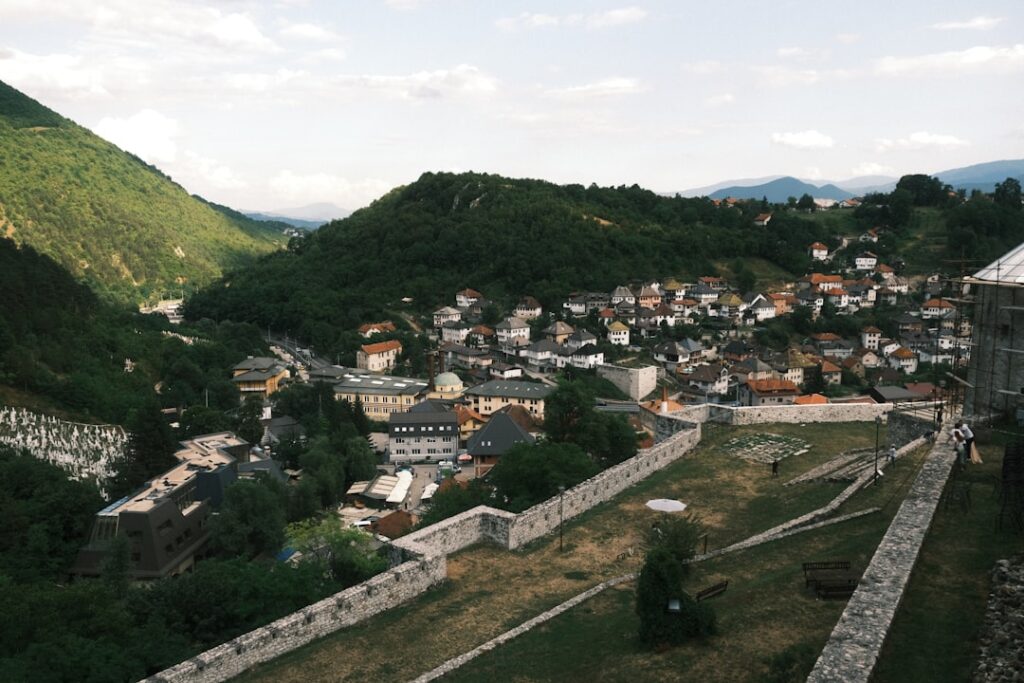
Spoleto, the Rocca Albornoziana and Fortifications That Live
Spoleto is a town where military and religious history overlap. The Rocca Albornoziana—a commanding 14th-century fortress—overlooks the town and now hosts exhibitions and visitor routes. Address: Rocca Albornoziana, Piazza Umberto I, 06049 Spoleto PG, Italy. The main street (Corso Mazzini) naturally leads to Piazza del Duomo and allows you to reach the fortified area on foot from the center.
Hours and prices: the Rocca Albornoziana and the Museo Nazionale del Ducato normally open 09:00–19:00 depending on the season. Indicative prices: combined entry for the rocca and museum around €7–€10; discounts for students and seniors (check with Polo Museale dell’Umbria). During the Festival dei Due Mondi (late June–July), some spaces may be closed to the public or have event-specific pricing.
Immersive description: as you climb the paths up to the Rocca, you first pass neighborhoods of old houses, artisan shops and private gardens before emerging onto a broad fortified platform. From the top of the rocca, the view sweeps across the Tessino valley, and you can spot the Duomo di Spoleto (Piazza Duomo, 06049 Spoleto). The fortress interior often hosts contemporary art installations that converse with medieval stone—a striking contrast that defines Spoleto’s character.
Practical tips: if visiting during the Festival dei Due Mondi (June–July), buy tickets in advance and allow extra walking time to reach sites. For jaw-dropping panoramas, wait for sunset from the Rocca’s southern terrace—bring a small torch for the descent if you’re leaving late. Access to ramparts may involve many steps; families with small children should pick shorter circuits and plan stops in center cafés like “Bar Irma” (Corso Mazzini, Spoleto), open 08:00–22:00.
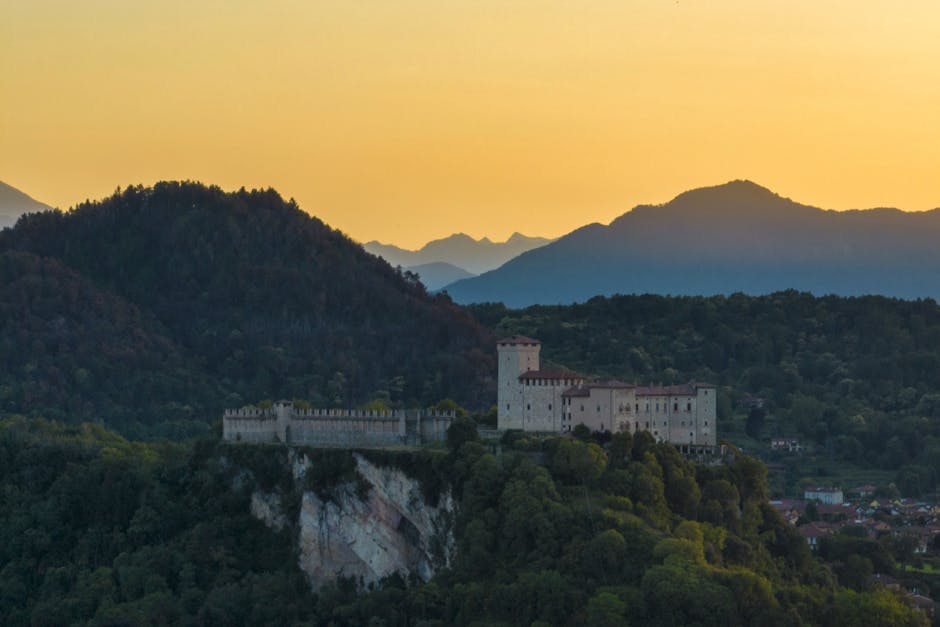
Smaller Citadels: Spello, Todi and Orvieto — Rampart Secrets
Umbria is full of smaller citadels where ancient walls and gates create intimate atmospheres. Three of them—Spello, Todi and Orvieto—are especially worth a closer look, each offering its own character and walking routes tailored to discovery.
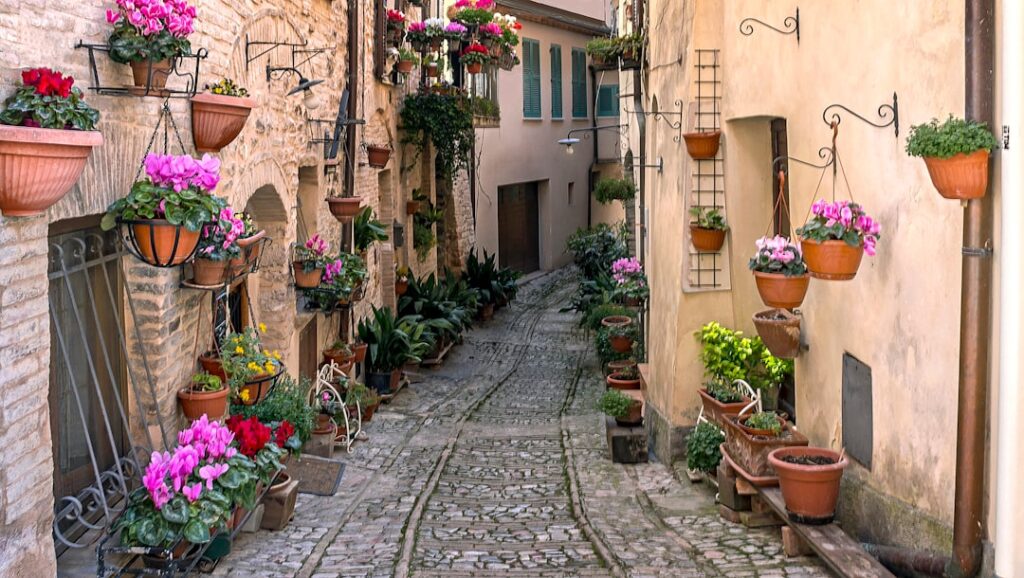
Spello: Spello is a gem of flowered walls, famed for its gardens and charming narrow lanes. Main address: Porta Venere, Via Dante Alighieri, 06038 Spello PG, Italy. Spello’s walls include Roman and medieval gates (Porta Consolare, Porta Venere). Hours: wandering the walls is free year-round; some sites like the Chiesa di Santa Maria Maggiore (Piazza della Repubblica) follow religious service times for visits. Spello is particularly beloved during the Infiorata (flower festivals) in June, when streets are carpeted with floral designs. Tips: enjoy the viewpoints over the Umbra valley from Via Cesare Battisti and avoid the midday summer heat by walking early morning or late afternoon. For food: Osteria Piazzetta dell’Erba (Piazza della Repubblica, 06038 Spello), mains roughly €15–€25.
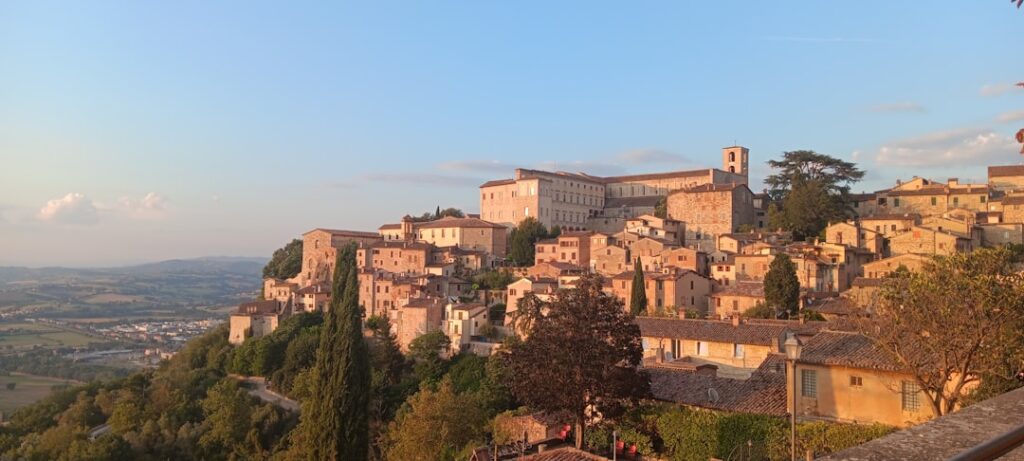
Todi: Todi offers a compact silhouette dominated by the Rocca and walls that overlook the Tiber valley. Address: Piazza del Popolo, 06059 Todi PG, Italy (historic center). The walls and Rocca frame a network of alleys, small piazzas like Piazza del Popolo and nearby sites such as the Tempio di Santa Maria della Consolazione (Via Santa Maria della Consolazione). Hours: public spaces are open year-round; museums like the Museo Civico (Palazzo del Popolo) have variable hours (often 09:00–17:00) and tickets around €4–€6. Tips: head to the north wall sections for sunrise panoramas; Todi is perfect for a calm afternoon, capped with truffle-based dishes and game at local trattorie. For stays, agriturismi around Todi offer rooms from about €60–€90 per night depending on season.
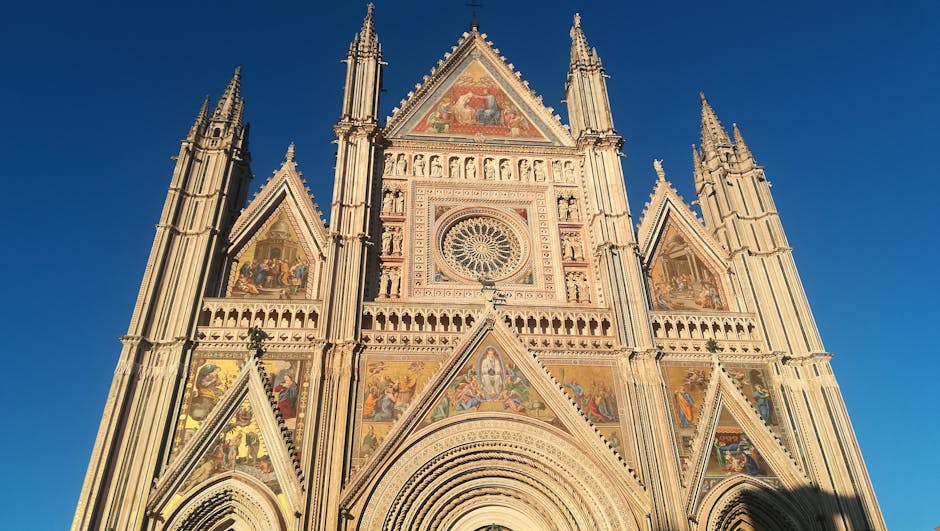
Orvieto: though on Umbria’s southern edge, Orvieto keeps an impressive fortress and walls running along its tufa cliff. Central address: Duomo di Orvieto, Piazza del Duomo, 78050 Orvieto TR, Italy (the municipality may be listed TR). The Torre del Moro (Piazza del Popolo) is a paid viewpoint; hours 09:00–19:00; climb fee around €3–€4. The Pozzo di San Patrizio (Via Filippo Pistrucci, 05018 Orvieto) is a hydraulic construction tied to the city’s defence: open 09:00–18:00; ticket €6–€8. The ramparts and cliff afford spectacular walks with views over the Paglia valley. Tips: pair a Torre del Moro sunset climb with a Duomo visit (entry to the cathedral is free, but access to the Tesoro del Duomo and chapels may cost €3–€8). Orvieto has peripheral parking (Parcheggio Piazza Cahen) and a funicular linking the lower town to the hilltop for about €1.30–€1.50 per trip.
General Practical Tips for Walking Umbria’s Walls
Planning and seasons: spring (April–June) and autumn (September–October) are the best times to walk the ramparts: mild temperatures, favorable light and moderate crowds. In summer (July–August) afternoons can be very hot; aim for early morning or late day. In winter, some sections can be muddy or slippery after bad weather—good shoes and warm clothes are recommended.
Gear: sturdy walking shoes, a reusable water bottle (town centers often have free public fountains to refill), a hat and sunscreen in summer. For photographers: a wide-angle lens helps capture panoramas from bastions, while a mid-range zoom works well for façade details and gates. Maps and info: pick up detailed plans from local tourist offices (e.g. Ufficio Informazioni Turistiche Perugia, Piazza IV Novembre; Gubbio Tourist Office, Piazza Grande). These offices provide wall maps, event info and up-to-date opening times.
Transport and access: Umbrian historic centers are often pedestrian-only; park in peripheral lots. Cities like Perugia, Assisi and Orvieto are served by regional trains from Perugia (stazione di Perugia), Foligno and Rome—check Trenitalia/Urbano timetables. If you’re driving, favor scenic backroads but watch for ZTLs (restricted traffic zones): fines apply to unauthorized vehicles.
Safety and heritage respect: ramparts are historic monuments—avoid climbing on non-authorized sections. Follow signage and help preserve sites by leaving no litter. If you travel in a group, be mindful of narrow paths and make room for other visitors.
Conclusion: Walk, Watch, Understand
Umbria’s ramparts are more than old lines of defense: they’re sensory routes where history, landscape and daily life meet. Whether you seek the solitude of a sunrise viewpoint or the buzz of a medieval square at dusk, each citadel tells its own story. Perugia’s Rocca Paolina takes you down through the layers of time; Assisi blends religious contemplation with calming panoramas; Gubbio reveals the might of a mountain town; Spoleto marries fortress and festival; and Spello, Todi and Orvieto sing quieter songs between gates and towers. Together, these places form a mosaic of walks you can link in a few days or savor at a slow local pace.
To get the most from these visits, follow a few simple rules: plan by season, bring the right gear, check with tourist offices for hours and tickets, and respect the heritage. Don’t skip the culinary breaks: a board of Umbrian cured meats and cheeses, a simple pasta with olive oil and rosemary, a local wine (Sagrantino di Montefalco nearby) or an olive ascolana can turn a walk into pure pleasure. If you’re traveling with kids, adapt routes—choose short, safe wall sections and plan playful stops.
Lastly, remember the ramparts aren’t just destinations: they’re lines connecting sky and earth, bridges to local stories and windows onto Umbria’s soul. Bring your curiosity, follow the pace of the place and let this region surprise you with how well stone and landscape mix.