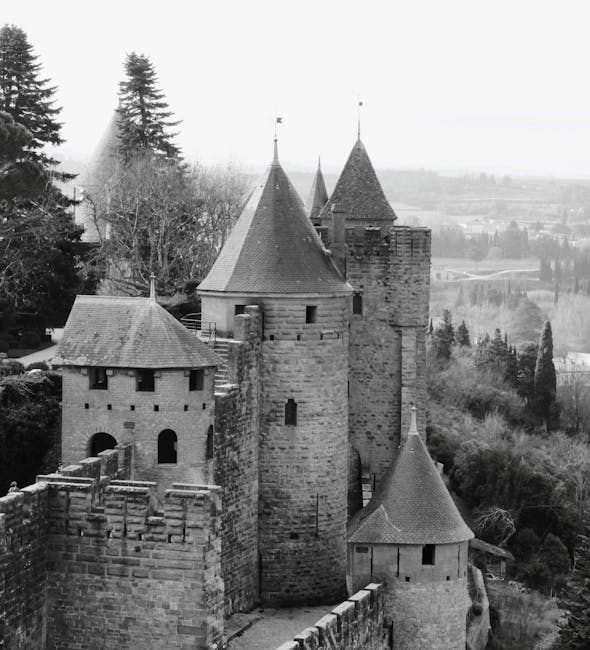






Introduction: Forgotten Fortresses of Umbria — a Call to Curious Travelers
Umbria, Italy’s green heart, is often praised for rolling hills, silver olive groves and medieval towns steeped in hushed reverence. But tucked into these landscapes are stone witnesses that tell tales of centuries of warfare, diplomacy and daily life: medieval fortresses. These rocche, castelli and bastioni are more than architectural curiosities; they’re memory boxes where you can almost hear the footsteps of guards, the shouts of fortified markets and the whispers of courtiers. For the observant traveler, they offer an immersive mix of history, sweeping views and intimacy — far from the crowds of big cities.
Rediscovering these forgotten fortresses in Umbria isn’t about ticking names off a tourist checklist: it’s about taking the time to climb cobbled lanes at dawn to reach a tower still warm from the sun, sip an espresso facing a moat overgrown with wild grass, or listen to a local guide recount how a gate stood firm against a cavalry charge. Many sites have been lovingly restored and given new life: period furnishings, small museums, clergy gardens, exhibition halls and even artist residences. Others remain secretive, calling to adventurers — half-swallowed ruins where the stone still speaks in whispers.
This guide is for curious explorers who want more than postcard photos. We’ll take you through iconic and lesser-known fortresses in Umbria with practical details: exact addresses, opening hours, prices in euros, sensory descriptions and local tips to make the most of your visit. You’ll find suggested routes, photography tips for the most breathtaking viewpoints, and nearby food and lodging recommendations. Whether you’re a photographer, amateur historian, hiker or a family seeking adventure, these castles and rocche offer different atmospheres — some fully restored and museum-like, others intentionally left imperfect so you can still hear the wind whistle between the battlements.
Finally, remember that the full fortress experience often moves to the local rhythm: arrive early to avoid heat and tour buses in summer, pick market days to feel the life at the walls’ feet, and chat with locals — their anecdotes bring the stones to life. Pack good shoes, a reusable water bottle and a small notebook for impressions. In the sections below we’ll detail must-see and hidden fortresses of Umbria, offering routes and tips to turn each visit into an unforgettable memory.
Rocca Maggiore, Assisi: the Tower Overlooking Saint Francis’s Town
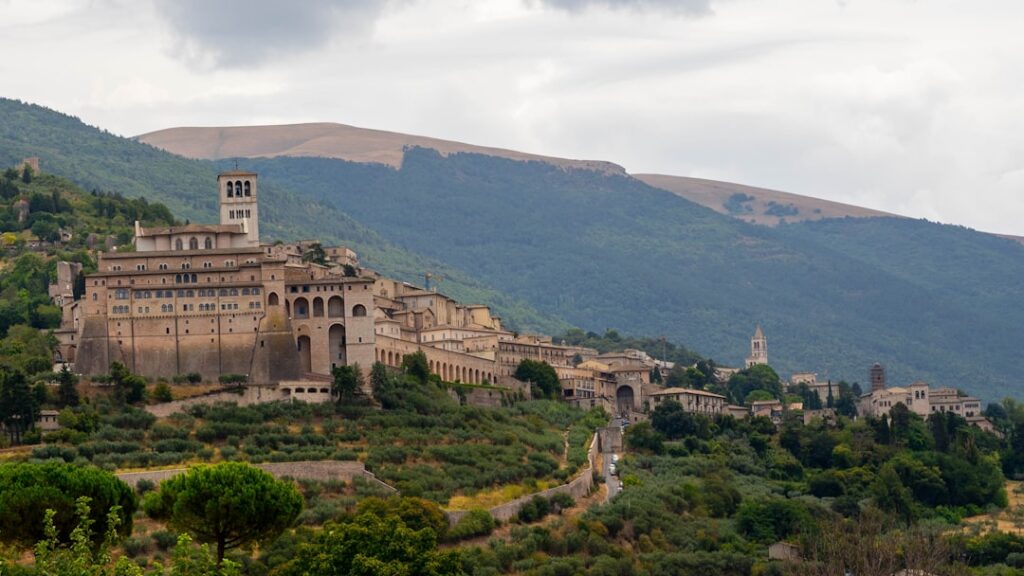
Immersive description: Perched above Assisi, Rocca Maggiore carves the silhouette of the holy hill. From its ramparts you don’t just overlook the Basilica of San Francesco but the whole Umbrian plain stretching to the Apennines. Built originally in the 13th century and altered many times since, the fortress reads like a palimpsest: medieval towers, a restored chemin de ronde, massive gates and inner squares that served at times as barracks and workshops. When the sun sets, the limestone warms to rich tones and the view across the nearby hills becomes a moving painting: cypresses, terracotta roofs and softly contoured olive groves.
Exact address: Rocca Maggiore, Piazza San Francesco, 06081 Assisi PG, Italy.
Opening hours and prices: Generally open daily depending on the season: April–October 09:00–19:00; November–March 09:00–16:30. Admission: around €6.00 for adults; reduced rate (students, seniors) €3.00; free for children under 6. Guided tours in Italian and English are often offered at set times (check Assisi tourist office for the current schedule). Info can vary year to year and during local events.
Practical tips:
- Arrive early (between 08:30 and 09:30) to enjoy soft morning light and avoid summer heat.
- From Piazza del Comune expect a 10–15 minute uphill walk; in high season taxis and local shuttles serve main access points.
- Wear closed shoes: uneven stones and narrow steps.
- The climb rewards you with ideal sunset photo angles from the tower or the walkway.
- Also visit Porta Perlici and the small interpretation museum near the entrance to understand the fortress’s construction phases.
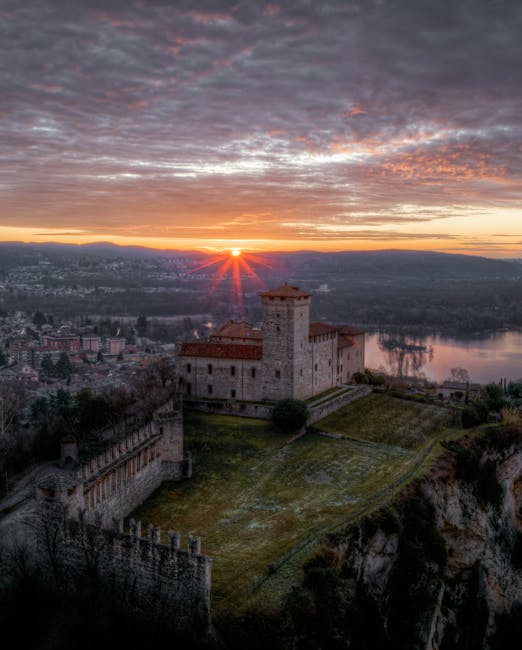
Rocca Albornoziana, Spoleto: papal stronghold with valley views
Immersive description: Overlooking Spoleto’s old town, the Rocca Albornoziana is a landmark of 14th-century papal power. Its quadrangular shape with massive corner towers was designed to assert authority and control the Topino valley. Inside, the grandeur of the halls and the thickness of the walls speak of long garrisons and the site’s later transformation into a museum and cultural space. From the terraces you can spot Spoleto Cathedral, the Ponte delle Torri and the sweeping valley — a view that takes your breath away, especially in morning light or at dusk.
Exact address: Rocca Albornoziana, Piazza della Rocca, 06049 Spoleto PG, Italy.
Opening hours and prices: Typically open daily; indicative hours: April–September 09:00–19:30, October–March 09:00–17:00. Admission: about €6.00 for adults; €4.00 reduced. Combined tickets sometimes available including other municipal museums. Free or reduced entry may apply on heritage days or during cultural events.
What to see: firing chimneys, the vast parade ground, historical exhibition rooms and the lookout over the valley. The Rocca often hosts temporary exhibitions, concerts and festivals — notably during the Festival dei Due Mondi (Festival of Two Worlds) in summer, when night performances bring a new dimension to the site.
Practical tips:
- Plan your visit for late afternoon to enjoy golden panoramas and ideal photography light.
- Combine with a walk on the Ponte delle Torri (Viale della Rocca) and a stop at the Museo Nazionale del Ducato di Spoleto to get the full historical context.
- Access: Spoleto’s center is walkable; parking around the Rocca square is limited.
- For groups, book a guided tour through the ufficio turistico di Spoleto (Via del Duomo 4) for a richer experience.
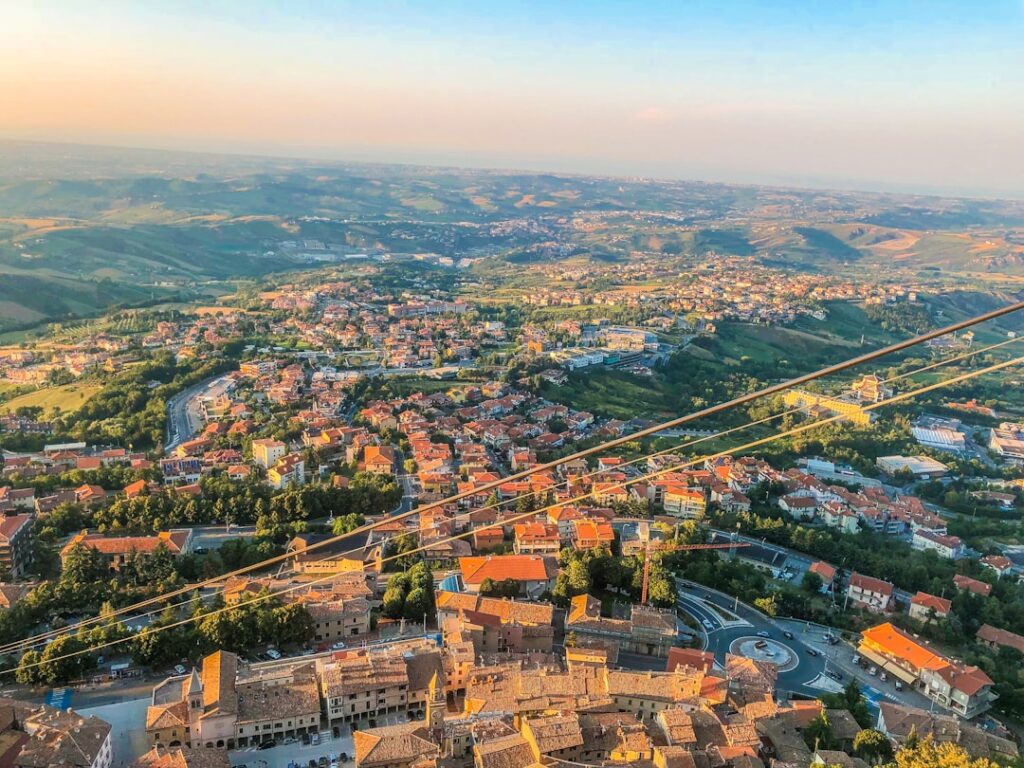
Castello di Montone (Fortezza di Braccio Fortebracci): fortified village and living traditions
Immersive description: Montone is a tiny, astonishing village where time seems to have paused. Dominating the center, the medieval fortress — sometimes called Fortezza di Braccio Fortebracci — watches over narrow lanes and intimate squares. The fortification, with its walls, towers and gates, is less monumental than an urban rocca but offers a more personal experience: medieval festivals, historical reenactments and craft markets regularly bring the silent stones to life.
Exact address: Castello di Montone / Fortezza di Braccio Fortebracci, Piazza Fortebraccio, 06036 Montone PG, Italy.
Opening hours and prices: The castle and the village’s public areas are accessible at all times (outdoor access is free). Some interior sections and temporary exhibitions open seasonally: usually 10:00–18:00 April–October; reduced winter hours. Admission to local museums or exhibitions: around €3.00–€5.00. Many events (medieval fairs, sagre) are free but workshops may require advance booking.
What to experience: Stroll the main street to the fortified gate, catch a street performance in period costume, and taste rustic cuisine in a village osteria (polenta, local salumi, Umbrian wines like Sagrantino). The ramparts offer charming viewpoints over surrounding hills and hamlets. Montone is also known for contemporary art exhibitions in former lordly rooms — a striking blend of modern and ancient.
Practical tips:
- Parking: free lots at the village entrance; expect a short walk to the fortress.
- Best season: May–October, with a cultural peak in July and August.
- Book ahead for medieval festivals and craft workshops to avoid waiting lists.
- Try local specialties: white truffle (if in season), Umbrian cheeses and a glass of Sagrantino di Montefalco.
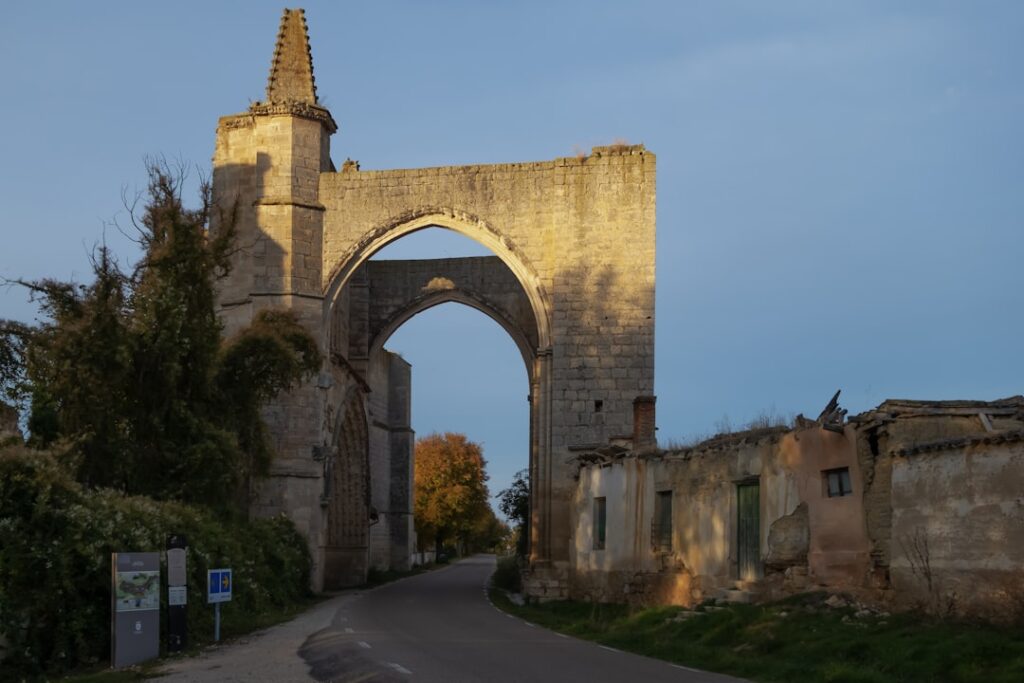
Castello di Civitella del Lago (Baschi): lakeside ruins and contemplative silence
Immersive description: Perched on a promontory overlooking Lago di Corbara, Castello di Civitella del Lago is less a showpiece fortress than a place for reflection. A romantic ruin with frayed towers, the site offers a unique vantage over blue water and wooded hills. The lack of heavy tourist infrastructure reinforces the hush: only the wind and a distant birdcall accompany your visit. These ruins invite intimate photography and slow walks, where each stone reveals layers of history.
Exact address: Castello di Civitella del Lago, Via del Castello, 05010 Civitella del Lago (Baschi) TR, Italy.
Opening hours and prices: Outdoor access is free and always open; some interior areas are unstable and may be closed for safety. There is often no entry fee for the exterior, but private guided tours can be arranged through the ufficio turistico di Baschi (Piazza Vittorio Emanuele II, 05023 Baschi TR) with variable rates (commonly €50–€100 for a guide per group depending on duration). Check opening conditions before you go.
Practical tips:
- Walking shoes are essential: trails can be rocky and steep.
- Bring water and sun protection; services nearby can be limited off-season.
- Ideal for photographers at sunrise or sunset: the lake mirrors the sky’s colors for dramatic compositions.
- Combine the visit with an olive oil tasting or a stop in nearby borgos (Baschi, or on the way to Orvieto) to enjoy rustic cuisine.
Castello di Civitella Ranieri: artist residency and cultural festival
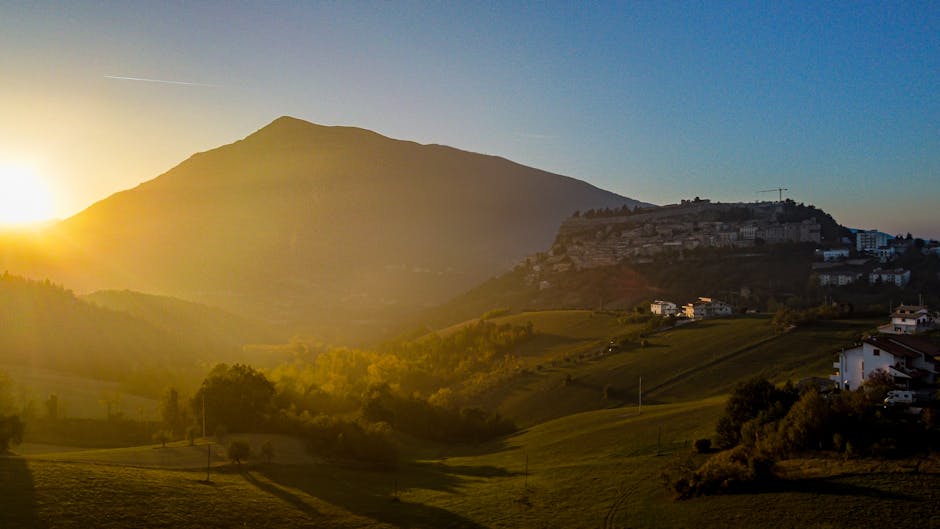
Immersive description: Castello di Civitella Ranieri, near Città di Castello, is a striking example of heritage rehabilitation: it now hosts an international artists’ residency and exhibitions. The castle’s halls, noble chambers and restored gardens welcome contemporary works, readings, concerts and residents whose creations converse with medieval architecture. The experience here is twofold: historic patrimony and current artistic vitality — a place where ancient stone speaks to contemporary creativity.
Exact address: Castello di Civitella Ranieri, Strada Comunale Civitella Ranieri, 06015 Città di Castello PG, Italy.
Opening hours and prices: The castle isn’t always open to the public because it operates mainly as a residency. It does host open days, exhibitions and public events generally from April to October. Guided visits during exhibitions or events typically cost between €5.00 and €12.00. For groups or specialized visits, contact the Fondazione Civitella Ranieri (info available on the castle’s official site) to book.
Practical tips:
- Check the cultural program before planning your visit: public events are the best chance to see interiors and attend performances.
- The access road is picturesque but sometimes narrow; drive carefully and plan parking in season.
- Combine the visit with Città di Castello (10–15 minutes away), where museums and workshops continue the artistic theme.
- The residency values intimacy: respect visiting rules and schedules for exhibitions and talks.
General practical tips for visiting Umbria’s fortresses
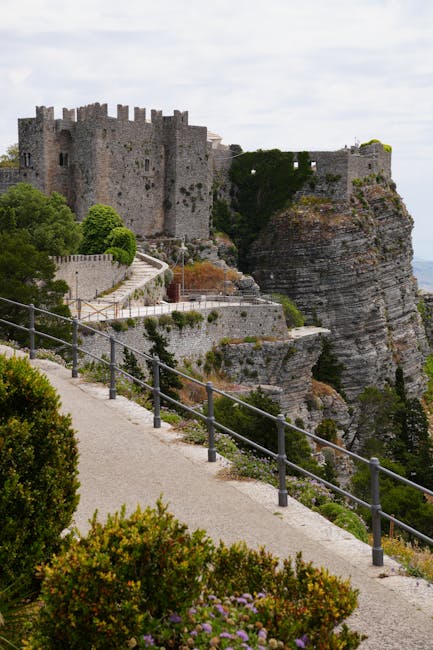
Planning and transport: Renting a car remains the most flexible way to explore Umbria’s fortresses. Country roads offer exceptional views but can be narrow; choose a small, nimble car. Major train stations are in Perugia, Terni, Spoleto and Foligno; from these hubs local rental agencies and bus services reach villages, but frequencies are limited. If you’ll rely on public transport, focus your route on one area (e.g., Spoleto–Montone–Assisi) to avoid long waits.
Best seasons: Spring (April–June) and autumn (September–October) bring pleasant temperatures, golden light and fewer crowds. Summer hosts many festivals but can be very hot; in winter, smaller rocche may reduce hours or close.
Equipment and safety:
- Sturdy walking shoes, hat, sunscreen and water — essentials for exposed sites.
- A compact flashlight for dark passages; some towers have limited lighting.
- Respect restricted areas; some ruins are fragile and closed for safety reasons.
- For photography, a telephoto lens helps capture carved details and distant panoramas; a lightweight tripod is handy for twilight shots (check each site’s tripod policy).
Engaging with locals: Umbrians are proud of their heritage. A stop at an osteria or a visit to a local producer (vineyard, oil mill) enriches the visit. Municipal tourist offices (Ufficio Turistico) are priceless sources of up-to-date info: changed hours, local guided tours and seasonal events.
Suggested routes and themed experiences
Short itinerary (2 days): Assisi and Rocca Maggiore + Spoleto and Rocca Albornoziana. Day 1: morning in Assisi (Basilica, Rocca Maggiore), lunch on a terrace, afternoon walk around the ramparts and sunset from the Rocca. Overnight in Assisi or Foligno. Day 2: early departure for Spoleto, visit Rocca Albornoziana, cross the Ponte delle Torri and lunch in the centro storico. This loop mixes sacred art, fortifications and panoramas in a short timeframe.
Cultural itinerary (4–6 days): Città di Castello and Castello di Civitella Ranieri, Montone, Gubbio (with its Rocca), then head toward Orvieto or Todi. This route blends artist residencies, small village festivals and grand historical views. Allow at least half a day for each stop and leave time for wine and olive oil tastings.
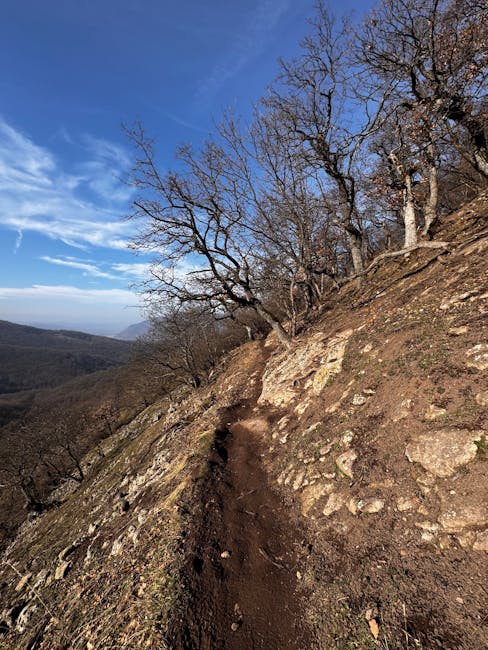
Hikes and lost forts: For hikers, pairing PR trails (percorsi rurali) with visits to semi-abandoned ruins adds an adventurous dimension. Examples: paths around Lago di Corbara, trails linking small hamlets near Montefalco, and walking loops around Montone. Always tell someone your plans if you take isolated trails, and carry a paper map or GPS — mobile coverage can be spotty.
Conclusion: Why you’ll keep coming back to these fortresses
Umbria’s forgotten fortresses are not mere monuments to tick off; they are places of experience, a conversation between past and present. Each castle, whether beautifully restored or gently left to decay, offers a different lens on the region’s story: papal and noble power strategies, rural life, the art of fortification, and the ability of these sites to reinvent themselves — as museums, artist residencies, festival stages or contemplative refuges.
Practically speaking, visiting these fortresses takes preparation and curiosity: check hours and events with local tourist offices, wear appropriate shoes, and give yourself time to wander the villages at the walls’ bases. Our suggested routes balance iconic sites (Rocca Maggiore, Rocca Albornoziana) with quieter spots (Civitella del Lago, Montone, Civitella Ranieri) for a rounded experience. Follow these tips and you won’t just see stones: you’ll plunge into human stories, panoramas that shift by the hour and a cuisine that extends the journey.
Finally, let these fortresses remind you that travel is also about listening. Listen to the silence of a battlement walk, the voice of a local guide, the clink of a fountain in a castle courtyard. Sometimes a single stone, a crenel, a view is enough for history — and your own travel story — to reveal itself in a new way. Return to Umbria off-season, come back with a notebook, visit during a festival: these fortresses will welcome you differently each time, always ready to unveil another medieval treasure.