





Introduction: Romantic Ruins in Umbria — where stone, history and legend meet
Umbria, Italy’s green heart, is a land of gentle hills, peaceful valleys and villages that feel frozen in time. Rising from these bucolic scenes are stone silhouettes — ruined castles, crenelated rocche, lonely towers — each one whispering centuries of conflict, thwarted love and local traditions. These ruins aren’t just relics; they’re living heritage: drawing hikers, inspiring photographers, feeding collective memory and sheltering the legends locals like to murmur to patient visitors.
This piece is a practical, detailed guide for anyone wanting to explore Umbria’s “romantic ruins.” It lays out a culturally rich, sensory route with exact addresses, useful practical info (hours, prices), immersive descriptions of each site and local tips for visiting safely and respectfully. You’ll find well-known ruined castles and lesser-seen gems, vantage points to linger over and quiet corners where the wind seems to carry old stories between the stones.
Visits to these sites vary: some ruins are freely accessible outdoors, while others include museums or fall within protected zones managed by municipal authorities or conservation groups. When an entry fee exists it’s usually modest — often between €3 and €10 — and helps fund upkeep. Opening times often follow the tourist season: longer in summer, shorter in winter. In Umbria the best windows for visiting ruins are the shoulder seasons (spring and autumn), when the light is softer, paths are less muddy and crowds thin out.
Beyond the practicalities, this guide pays special attention to local legends. Every ruined castle around here comes with its own tale — tragic love affairs, hidden treasures or nighttime apparitions — passed down through families, told at village festivals or kept in local archives. These stories are more than curiosities: they provide an emotional entry point to a place, revealing how communities reconcile with their past and adding to the intangible charm of the ruins.
To round out your experience, you’ll find practical advice here: driving routes, recommended hikes, what to pack (sturdy shoes, water, a torch for dark passages), rules of respect (don’t move stones, protect fragile vegetation), and suggestions for atmospheric restaurants and characterful places to stay nearby so you can extend your trip. Bring your camera: mossy walls, collapsed arches and sweeping views across Umbrian valleys offer endless photographic possibilities.
<img width="940" height="627" src="https://ue.is/wp-content/uploads/sites/50/2026/06/rocca-albornoziana-spoleto-panoramic-view-at-sunset-with-valley.jpg" class="aligncenter" alt="Panoramic view of Rocca Albornoziana at sunset, overlooking the valley » loading= »lazy » />
1. Rocca Albornoziana (Spoleto) — fortress, museums and a dramatic panorama
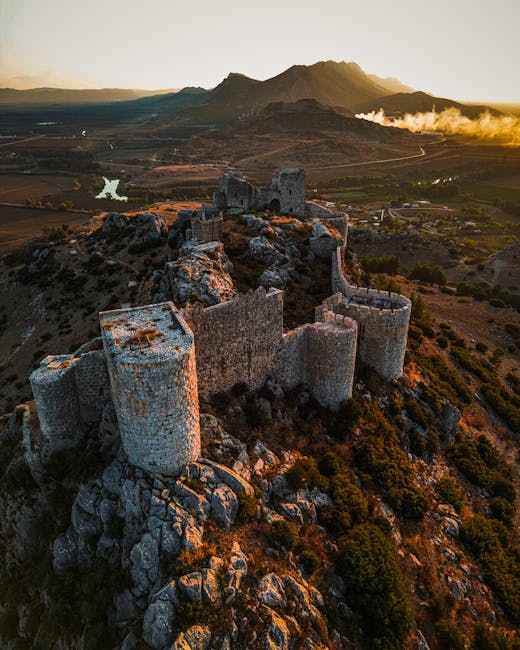
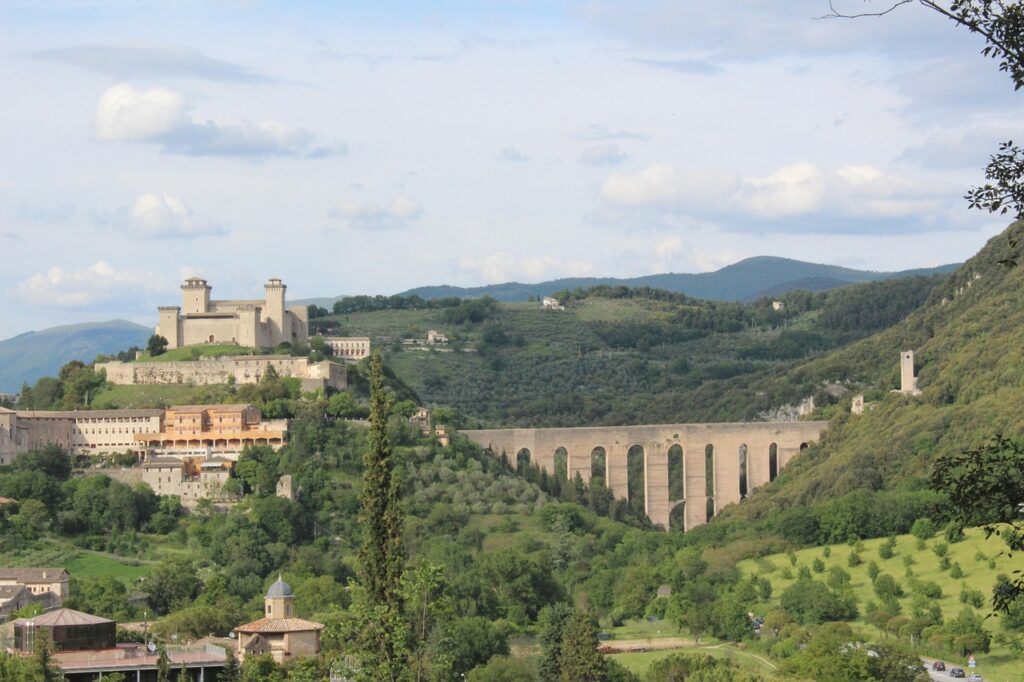
The Rocca Albornoziana is one of Umbria’s most recognizable silhouettes. Perched on the commanding hill above Spoleto, it overlooks the town and the Tessino valley with a presence that’s both austere and utterly photogenic. Address: Rocca Albornoziana, Via Leone XIII, 06049 Spoleto PG, Italia. The main approach is from Piazza Garibaldi or via Via della Rocca, where signs point the way to the entrance.
What to expect: the Rocca is a medieval fortress extensively altered over time, with some sections restored and others deliberately left in a pleasantly “picturesque” state. The thick walls and towers provide spectacular views across Spoleto’s red roofs, the Duomo of Santa Maria Assunta and the valley beyond. Inside you’ll find the Museo Nazionale del Ducato di Spoleto (historical sections) and rooms dedicated to military architecture. The exterior areas, filled with wall fragments and ramparts, retain a wild charm: a crumbling tower thrusting forward, a crenelation overrun with wildflowers, all looking down on ravines dotted with olive trees.
Hours and prices (subject to seasonal change): Rocca/Rocca Museum general admission around €5.00; reduced €3.00 (students, seniors). Usual opening: Tuesday–Sunday, 9:00–19:00 (last entry 18:30). Closed Mondays (except public holidays). In summer (July–August) hours may extend to 22:00 for special cultural evenings. Tip: buy tickets in advance at the ufficio turistico in Piazza della Libertà or check the Regione Umbria / museum network website for exact times.
Local tips and how to soak it in: for the most dramatic light, climb up late afternoon to catch the sunset — the ramparts’ shadows and the golden glow create a strikingly romantic mood. Wear sturdy closed shoes to handle uneven steps and unrestored areas; keep clear of taped-off zones. For a pause afterwards, head to nearby Via delle Conce where a few cafés serve spoletine specialties like crescia spoletina.
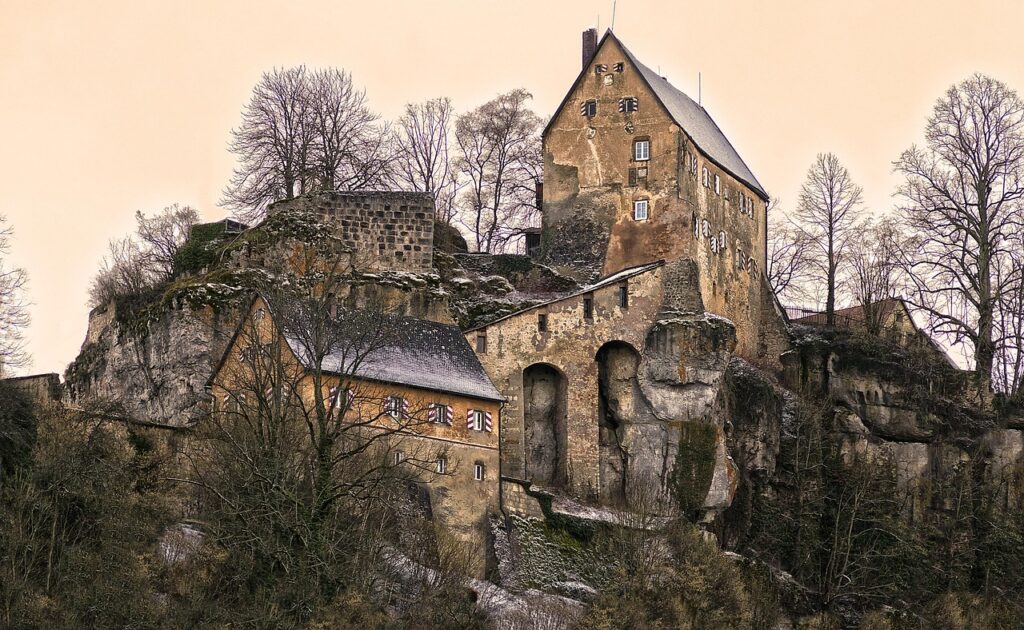
2. Castello di Sismano (Massa Martana) — isolated ruin and the legend of the lady
Castello di Sismano is a perfect example of the small, history-rich sites that dot Umbria’s hills. Address: Castello di Sismano, Località Sismano, 06054 Massa Martana (PG), Italia. Sismano is a tiny hamlet perched on a ridge, reached via a scenic country road and then a short — sometimes steep — walk.
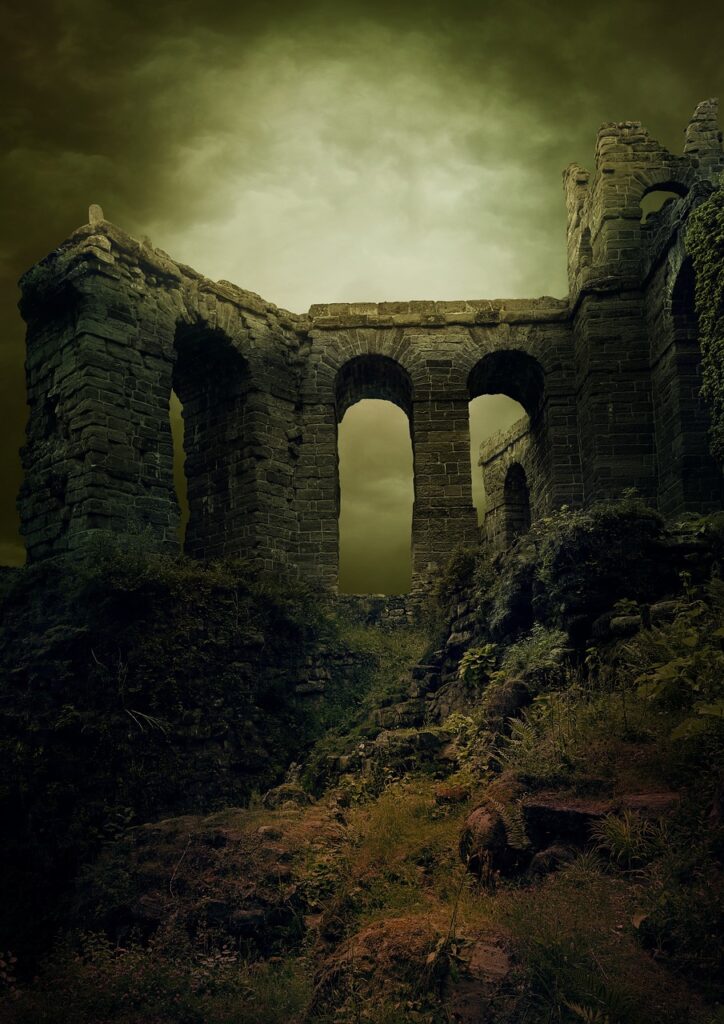
State of the site: the castle features a main tower partly collapsed and fragmented ramparts that blend into the surrounding cultivated terraces. The ruin is fringed by oak woods and aromatic fields; the local stone, often flecked with lichen, yields a warm ochre-and-soft-green palette. There’s no interior development — this is an outdoor, free-to-access visit, but caution is necessary. Some areas can be unstable; obey municipal signs and avoid entering unsecured structures.
Access and costs: outdoor access is free. The nearest public parking is along the SP217 or in Massa Martana center (Piazza Dante Alighieri, 06054 Massa Martana PG); from there expect a 15–25 minute walk depending on where you park. Tip: bring water and a map or GPS — mobile coverage can be patchy.
Local legend: villagers tell the tale of the “Dama di Sismano,” a young woman locked in the tower by a jealous lord. On certain full-moon nights you’re said to hear the rustle of a dress and the clinking of chains, and red flowers supposedly bloom on the ruins in memory of her love. Versions differ: some claim a treasure is still hidden under a stone slab, a notion that once led to modest digs. These stories are part of the charm — ask the older folks who gather in the little piazza around aperitif time.
3. Castello di Civitella del Lago (Baschi) — cliffside views, a lake outlook and papal mysteries
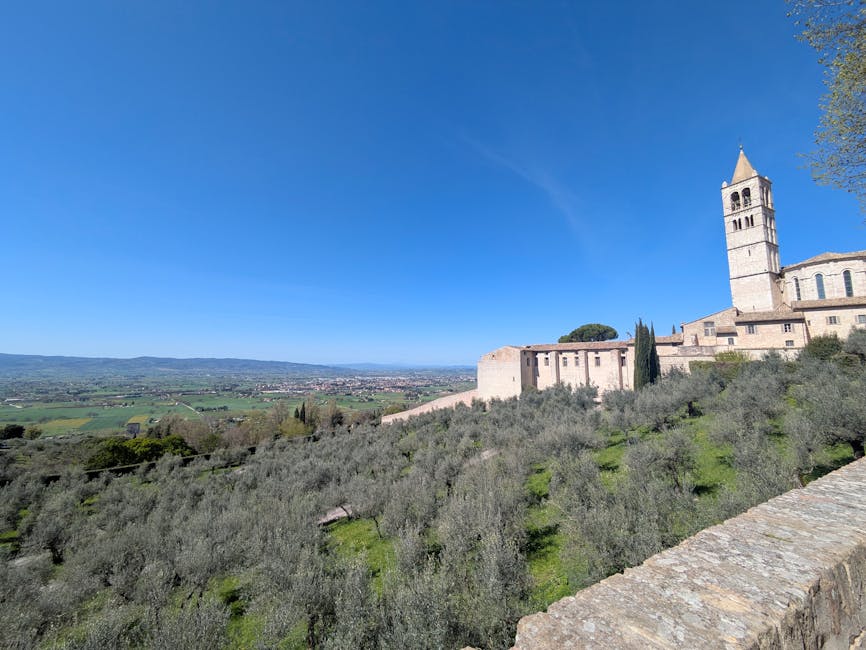
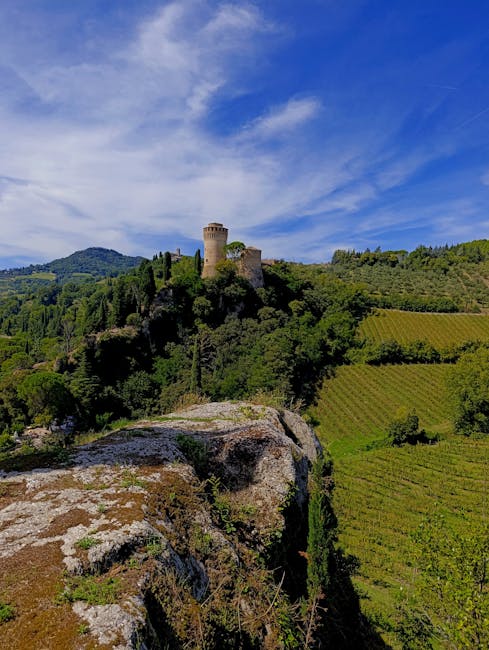
Perched on a cliff overlooking Lake Corbara, Castello di Civitella del Lago offers one of Umbria’s most spectacular panoramas. Address: Castello di Civitella del Lago, Località Civitella del Lago, 05023 Baschi (TR), Italia. The access road winds through olive groves and vineyards, and the ruin appears suddenly at the edge of a drop as if frozen in guard over the lake.
Site description and access: the standout feature is the natural terrace that once served as a defensive lookout. Today, stretches of wall frame perfect views over the lake and the opposite hills. Access is largely open, though private areas or sections under restoration may be closed. Entry to the outdoor areas is free. Parking: small lay-bys along the local road; during high season a small symbolic parking fee (€1–3) may be collected by local groups to help with upkeep.
Hours and events: the ruin is accessible year-round during daylight. Nighttime cultural events (theatre, intimate concerts) are sometimes held here in summer — check announcements from the Comune di Baschi. For schedules contact the Ufficio Turismo di Baschi (Via Umberto I, 05023 Baschi TR; municipal phone).
Legends and tips: local tradition says papal documents were once hidden in a castle crypt during disputes between local lords and papal authorities — hence its occasional label in archives as a “papal castle.” Photographers favor the spot at dawn, when the lake lies glassy and the castle silhouette cuts through the mist. For a fuller outing, pair the visit with a lakeside walk around Corbara and a stop at the Cantina Sociale di Baschi to sample Orvieto or Sagrantino wines.
4. Castello di Alviano and the Tiber Valley — a medieval stronghold and lonely atmosphere
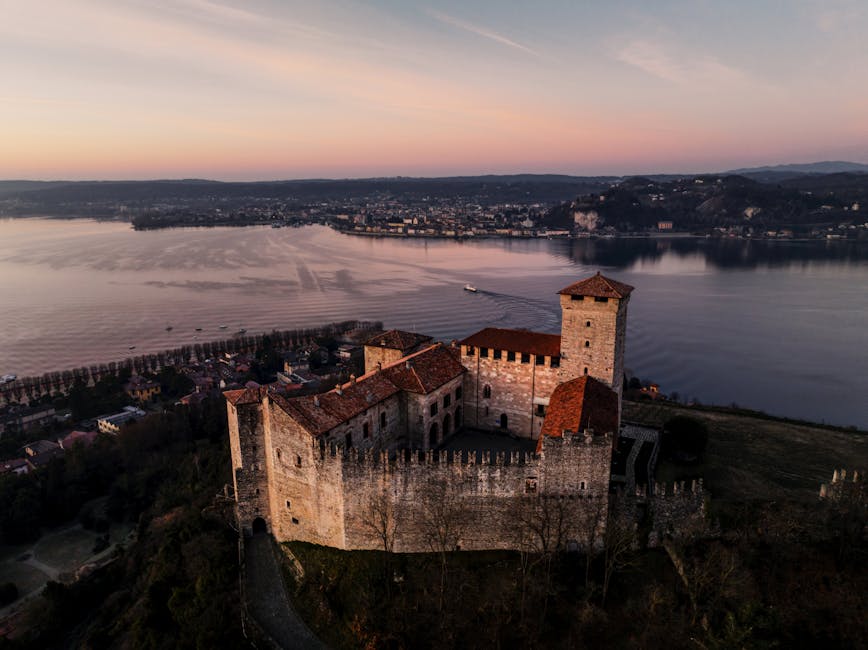
Castello di Alviano, while partially restored, still contains ruined sections that evoke a melancholic medieval mood. Address: Castello di Alviano, Piazza Umberto I, 05021 Alviano (TR), Italia. Located near the banks of the Tiber (Tevere), it’s a great starting point for exploring the river valley and the protected wetlands.
What you’ll see: the fortress includes towers, bastions and an impressive enceinte. Some wings host exhibitions or cultural events, while other, less-restored fragments invite a wandering between mossy walls. Walks downriver from the castle reveal rich vegetation and migrating birds — a lovely combination for lovers of history and nature.
Hours, pricing and services: outdoor visiting is free; some exhibitions may charge a small fee (typically €3–6). Opening times vary by season and exhibit; the ufficio turistico in Alviano (Piazza Umberto I) has up-to-date info. There are nearby public car parks, restrooms and cafés in the village center.
Local advice: Alviano is known for long summer evenings, with medieval festivals that animate the alleys and ramparts with reenactments. Local guides recommend exploring the riverside paths early in the morning to spot wildlife and photograph the castle’s reflection in the Tiber. For lunch or dinner after your visit, Trattoria “Da Lino” (Via Roma 12, 05021 Alviano TR — opening 12:00–14:30, 19:00–22:30; mains €10–18) serves regional dishes in a warm, family-run setting.
5. Rocca Flea (Gualdo Tadino) and other little rovine — museum, vistas and popular tales
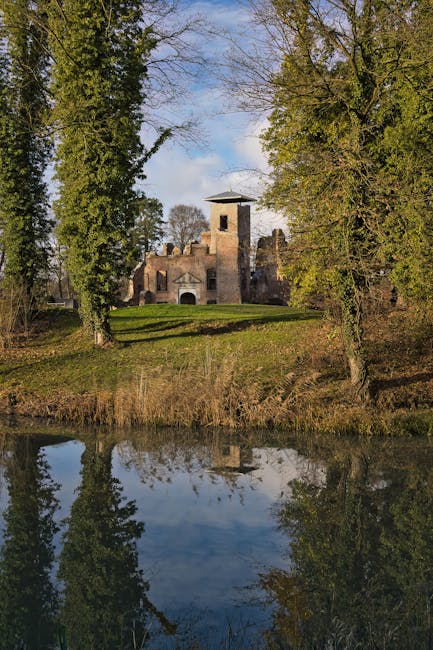
Rocca Flea in Gualdo Tadino is a fortress that, although mostly consolidated, still shows « ruined » elements that preserve the romantic look visitors seek. Address: Rocca Flea, Piazza Martiri della Libertà, 06023 Gualdo Tadino (PG), Italia. The Rocca now houses a civic museum and hosts exhibits on local history.
Visitor experience: Rocca Flea offers well-documented museum rooms, vaulted passages and open viewpoints toward the Topino valley. Thick walls, arrow slits and incomplete towers let you imagine sieges and watchful nights. Typical opening: Tuesday–Sunday, 10:00–18:00; museum entry around €4–6 with reductions for children and seniors. Information: Museo Civico Rocca Flea, Piazza Martiri della Libertà, 06023 Gualdo Tadino PG. Phone: check the Comune di Gualdo Tadino website for confirmation.
Other small ruins to discover: beyond the sites listed here, Umbria is full of lesser-known ruins — marginal towers, ruined chapels, abandoned manor houses — often flagged by local tourist offices (Perugia, Terni, Foligno). These places offer intimacy and authenticity: country lanes leading to a solitary tower, ruins cloaked in ivy, or a forgotten portico that held a slice of local history.
Practical advice and heritage respect: many of these sites are fragile. Respect barriers, don’t remove stones, take your rubbish with you and avoid climbing on unstable sections. If you want to explore lesser-known places, contact local cultural heritage associations — they often run guided visits that are invaluable for understanding concrete history and the legends tied to each spot. And if you visit during a patron saint festival, take a moment to listen to the locals: these are often when legends are passed down from generation to generation.
Conclusion: piecing together a romantic, sustainable itinerary in Umbria
Umbria’s romantic ruins are more than photo ops; they’re places of memory, emotion and testimony to centuries of human life. When planning your route, factor in the practical details listed here — addresses, opening times, fees — but leave room for the unexpected: meeting a local in the piazza, being invited to an aperitif, stumbling upon a reenactment or an art show that uses the walls as a backdrop. Those moments turn a visit into a journey.
For responsible visiting, follow these principles: heed signs and safety instructions, support local structures (museums, paid entries, conservation associations), favor the shoulder seasons for better light and quieter sites, and come prepared (closed shoes, water, a windproof layer). Learn a few words of Italian or the local Umbrian dialect — a friendly hello, a “grazie” at the souvenir shop or a compliment to an innkeeper can open doors to rich conversations and legends.
Finally, make room for legend. Stories about castles — whether tragic loves, buried treasures or nighttime apparitions — are woven into the soul of these ruins. They offer an emotional lens through which to read the stone: they explain, invent and console. When you go home, share your experience: your photos, discoveries and the tales collected from locals help keep the memory of these places alive. And if you leave with a personal route — linking the Rocca Albornoziana to a lone tower in Sismano and then to the lookout at Civitella del Lago — you’ll be taking home a fragment of Umbria, made of history, landscape and whispered stories.