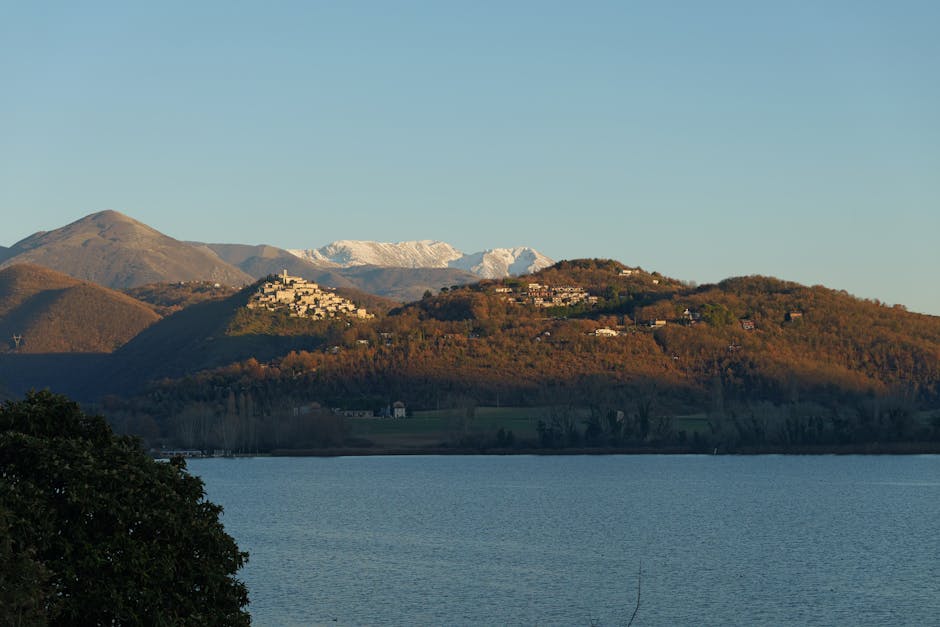






Introduction — Hilltop Castles of Umbria: Picturesque Villages & Breathtaking Views
Umbria, Italy’s green heart, is famed for its rolling hills, olive groves and medieval villages that feel frozen in time. Topping many of those hills are perched castles — architectural landmarks that also deliver breathtaking panoramas over valleys, rivers and terracotta rooftops. This practical guide introduces the main hilltop castles of Umbria, gives useful on-the-ground details (exact addresses, prices in euros, opening hours) and offers immersive descriptions plus local tips to make the most of each visit.
Not all Umbrian castles are vast fortresses: some are imposing rocche, others are fortifications repurposed as museums, hotels or artists’ residences. In Assisi, the Rocca Maggiore watches over the town and offers sweeping views across the plain toward Perugia. In Spoleto, the Rocca Albornoziana overlooks the theater and the Tessino valley, while Perugia’s Rocca Paolina reveals the city’s story through its atmospheric underground structures. Further north, castles such as Castello di Civitella Ranieri and Castello di Petroia provide more intimate historical dives, often set in rural landscapes ideal for hiking and photography.
This guide aims to be practical and realistic: you’ll find exact site addresses, entrance prices at the time of writing, typical opening hours, plus tips for combining visits with meals and walks. Times and prices can vary with the season (summer high season, winter low season) and special events (exhibitions, artist residencies, concerts), so it’s a good idea to check with local tourist offices before you go. Local recommendations — best light for photos, whether to drive or use public transport, prime viewpoints and suggested places to stay — will help you plan anything from a half-day outing to a multi-day trip.
Rocca Maggiore — Assisi: Medieval Fortress with Sweeping Plain Views
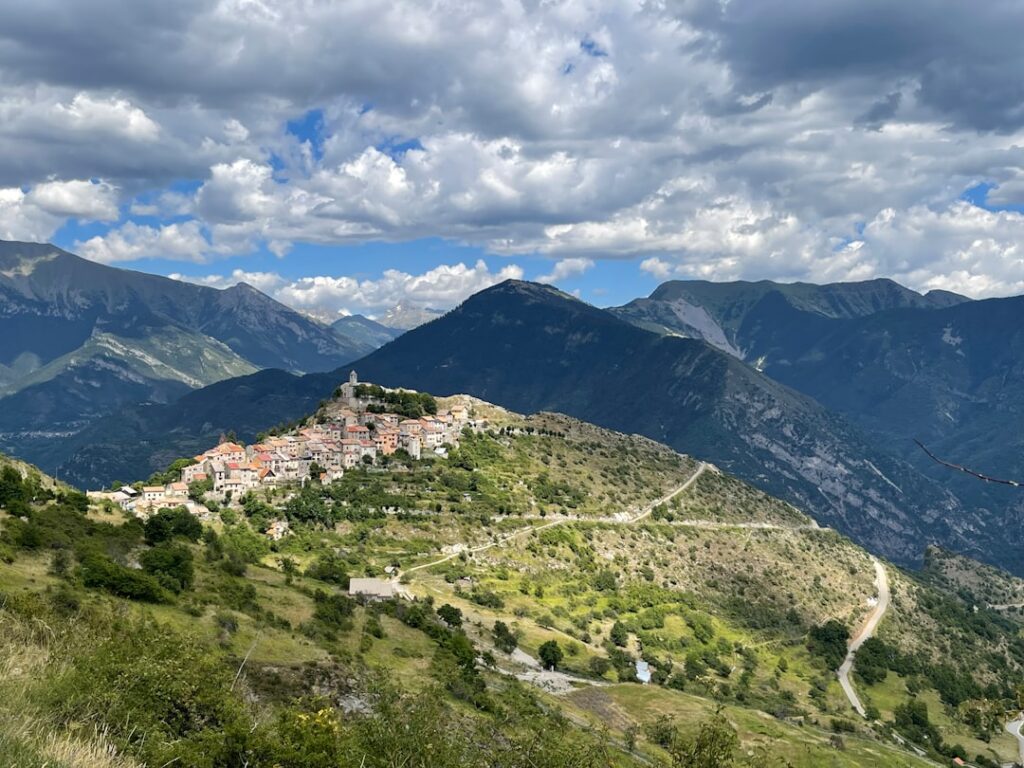
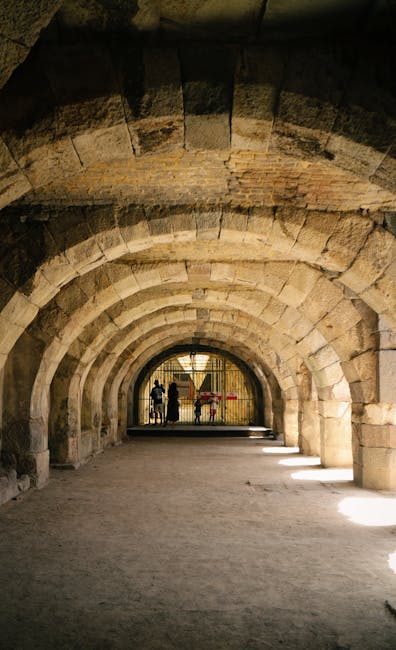
Rocca Maggiore in Assisi is one of Umbria’s most striking symbols. Address: Rocca Maggiore, Piazza Garibaldi, 06081 Assisi (PG). Originally built in the 13th century and rebuilt in the 15th, the fortress crowns the hill above the basilica and the winding streets of the Franciscan town. Visiting combines strolling along ramparts, exploring defensive towers and taking in vistas across the Chiascio valley and the Apennines.
Opening hours: generally open daily from April to October, 9:30–18:30; reduced hours from November to March, 10:00–16:00. Closed potentially on 25 December and 1 January. Price: standard adult ticket around €4.00, reduced €2.00 for students/young people, free for children under 6 (indicative rates—check locally). Visits are often combined with a climb to the main viewpoint and a well-marked path that runs along the walls.
Immersive description: climbing the ramp from Piazza Garibaldi, the sound of footsteps on stone instantly evokes a medieval atmosphere. The battlements and arrow slits, narrow staircases and the view from the South Tower create fantastic photo opportunities at sunrise and sunset. From the main terrace you can clearly pick out the Basilica of Saint Francis and Assisi’s street pattern, with distant hills layering pastel tones throughout the day.
Local tips: aim to visit early in the morning for soft light and fewer crowds. If you’re driving, park at Parking Assisi Santa Maria degli Angeli (Via San Francesco, 06081 Assisi) then take the shuttle or walk—narrow lanes are not recommended for large cars. Bring water and comfy shoes: the route includes uneven steps.
Rocca Albornoziana — Spoleto: Museum, Loggias and Valley Lookouts
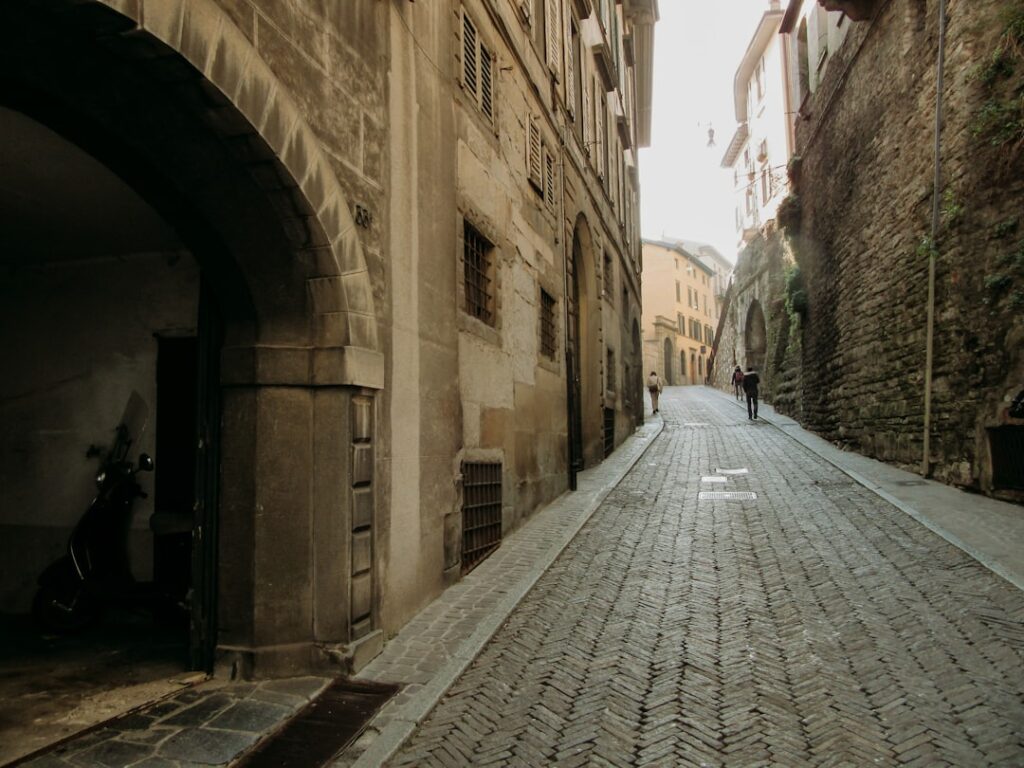
Perched on Spoleto’s most prominent promontory, the Rocca Albornoziana is an impressive 14th-century fortress now serving as the municipal museum. Address: Rocca Albornoziana, Piazza della Libertà, 06049 Spoleto (PG). The building features museographic routes, terraced gardens and spectacular views across the Tessino hills and surrounding valley.
Opening hours: generally open Tuesday–Sunday, 9:00–19:00; closed Monday (exceptions for events). Price: combined museum/fortress ticket around €5.00 for adults, €3.00 reduced, free for under 6 (check Comune di Spoleto for exact fares). Cultural events (like the Festival dei Due Mondi) may change hours and offer special tickets.
Immersive description: entering through the old military gate reveals broad courtyards, window openings framing the valley and wide loggias that once served for surveillance and defense. Warm stones in the sun, the scent of rosemary in the gardens and the textures of the walls tell Spoleto’s layered story of Lombard, papal and local influences. Views from the southern platform capture a ribbon of river and scattered villages dotted across the countryside.
Local tips: pair your visit with a walk to the Ponte delle Torri (via Ponte delle Torri, 06049 Spoleto), a 10–15 minute stroll that offers another dramatic viewpoint. For photographers, late afternoon light highlights stone textures and casts long valley shadows. The museum café often serves refreshments and local specialties in season.
Rocca Paolina and Perugia Underground — Buried History and Urban Revelations
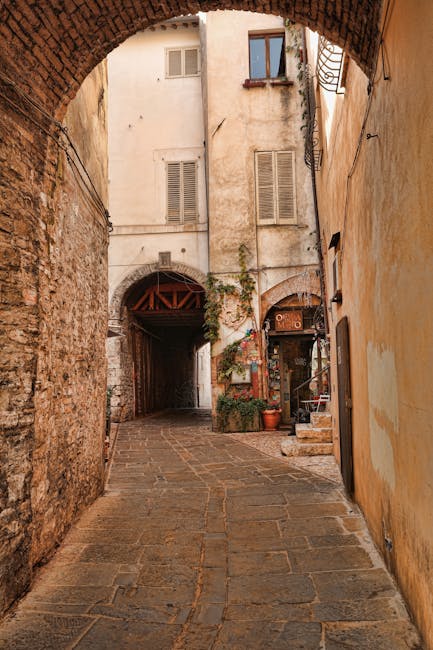
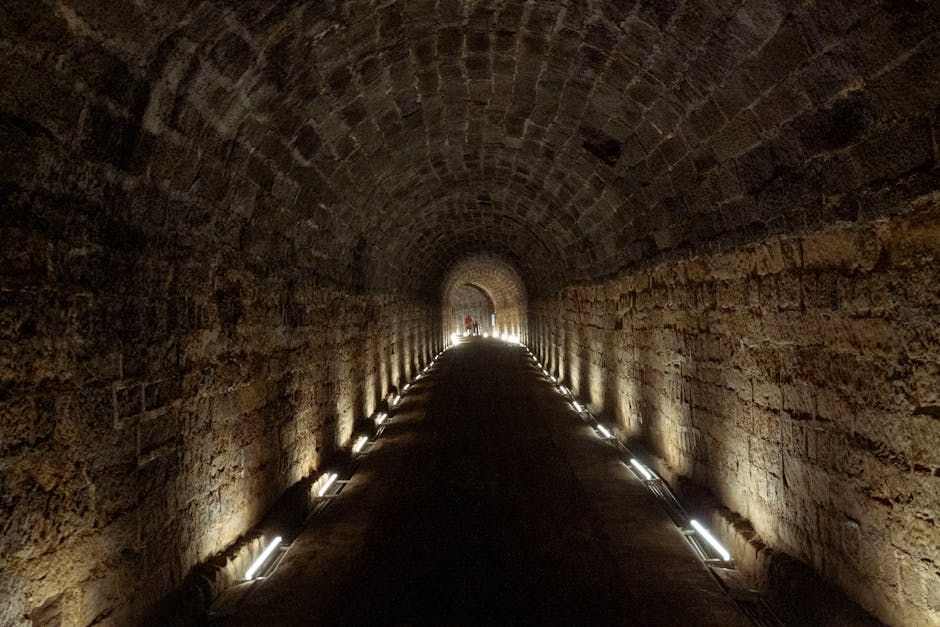
Rocca Paolina is an “inverted fortress”: situated in Perugia’s historic center, it reveals a maze of medieval and Renaissance structures buried beneath the modern city. Address: Rocca Paolina, Via della Viola, 06121 Perugia (PG). Built in the 16th century by Pope Paul III to reinforce papal authority, it was partly dismantled; today its underground passages and walls offer a unique, mostly free, urban visit.
Opening hours: daytime access with service hours typically 9:00–19:00 depending on the section; some temporary exhibitions follow their own schedules. Price: public passage access is usually free; special exhibitions may charge €3.00–€8.00 depending on the event. For exhibition info and tickets contact MixArt (event management), Corso Vannucci 19, 06121 Perugia (PG).
Immersive description: stepping into Rocca Paolina feels cinematic: vast arches, stone staircases, hidden shops and cafés tucked into ancient cavities. Above you is Perugia’s Corso Vannucci; below, the city’s archaeological layers are exposed. The effect is atmospheric — dimmed light, tunnel perspectives — producing exceptional photo ops, especially in the evening when neon lights mingle with the stone.
Local tips: follow up with a walk to Piazza IV Novembre (06121 Perugia, Piazza IV Novembre) to see the Fontana Maggiore and the cathedral. In summer, evening visits are pleasant—the fortress and passages stay cooler and cafés on terraces invite an aperitivo. Check exhibition schedules at the Università per Stranieri di Perugia or the local tourist office (Via della Viola 3, 06121 Perugia) for related cultural programming.
Castello di Civitella Ranieri and Castello di Petroia — Residences, Art and Quiet Stays
In northern Umbria a number of castles offer more intimate experiences: Castello di Civitella Ranieri and Castello di Petroia are prime examples where history, art and hospitality meet. Castello di Civitella Ranieri — Address: Loc. Civitella Ranieri, 06010 Città di Castello (PG). This castle is best known for its artist residency program and visits by appointment. Hours and tours: check ahead of travel; guided tours available by reservation. Prices: standard guided visits around €8.00–€12.00 per person, varying with events.
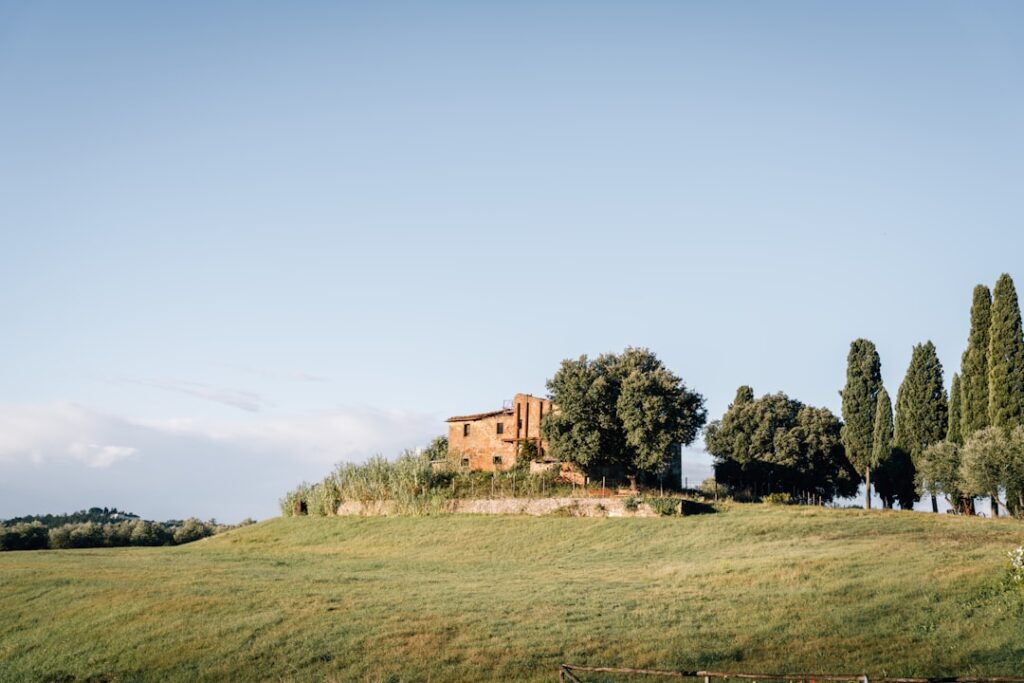
Immersive description: Civitella Ranieri rises amid rolling countryside, surrounded by stone walls, historic rooms and frescoes. The gardens and guest rooms create an ideal setting for contemplation and creativity. Artist residencies bring life to the site: temporary exhibitions, talks and concerts take place throughout the year. Visitors can often join themed tours to discover studios and artworks.
Castello di Petroia — Address: Castello di Petroia, Loc. Petroia, 06024 Gubbio (PG). Petroia has been converted into a relais-style castle with a restaurant and accommodation options. Hours: the restaurant is usually open for lunch and dinner; the castle can be visited subject to availability, guided tours by reservation. Price: à la carte dinners typically €30.00–€60.00 per person depending on the menu; B&B rooms from around €120.00 per night in low season (indicative rates).
Local tips: for Civitella Ranieri, contact the Fondazione Civitella Ranieri (Loc. Civitella Ranieri, 06010) at least two weeks ahead to arrange a visit or attend an exhibition. For Petroia, book dinner in advance to enjoy a meal based on local produce (seasonal vegetables, Umbrian cold cuts, DOP olive oil). Both castles are great bases for nearby hikes: bring walking shoes, a windproof jacket and a camera with a good telephoto lens to capture views of the countryside.
Practical Tips for Visiting Hilltop Castles in Umbria
Getting around: driving is the most flexible way to reach hilltop castles (winding secondary roads, limited parking). Renting a car at Perugia–Sant’Egidio Airport (Aeroporto Internazionale dell’Umbria – Perugia San Francesco d’Assisi, Via S. Francesco d’Assisi, 06132 Perugia) or at Perugia train station will let you cover several sites in a day. If you prefer public transport, regional bus lines link Assisi, Spoleto and Perugia, but allow extra time for connections to outlying villages.
Best time to visit: late spring (May–June) and early autumn (September) offer the best mix of mild weather, favorable light for photography and moderate crowds. In summer, opt for early-morning or late-afternoon visits to avoid heat and peak crowds. In winter some sites reduce opening hours—check ahead.
Tickets and discounts: many castles offer reduced rates for under-25s, seniors and families. Local tourist offices (Pro Loco) sometimes sell combined passes to visit multiple museums and fortresses at a reduced rate. Always carry an ID to qualify for youth/student discounts.
Safety and respect: several access paths cross protected natural areas—obey signs, stick to marked trails and take your trash with you. For photography, most sites allow non-commercial shooting, but check restrictions for interiors used for private exhibitions or artist residencies.
Conclusion — Between Stone, Panoramas and Timeless Moments
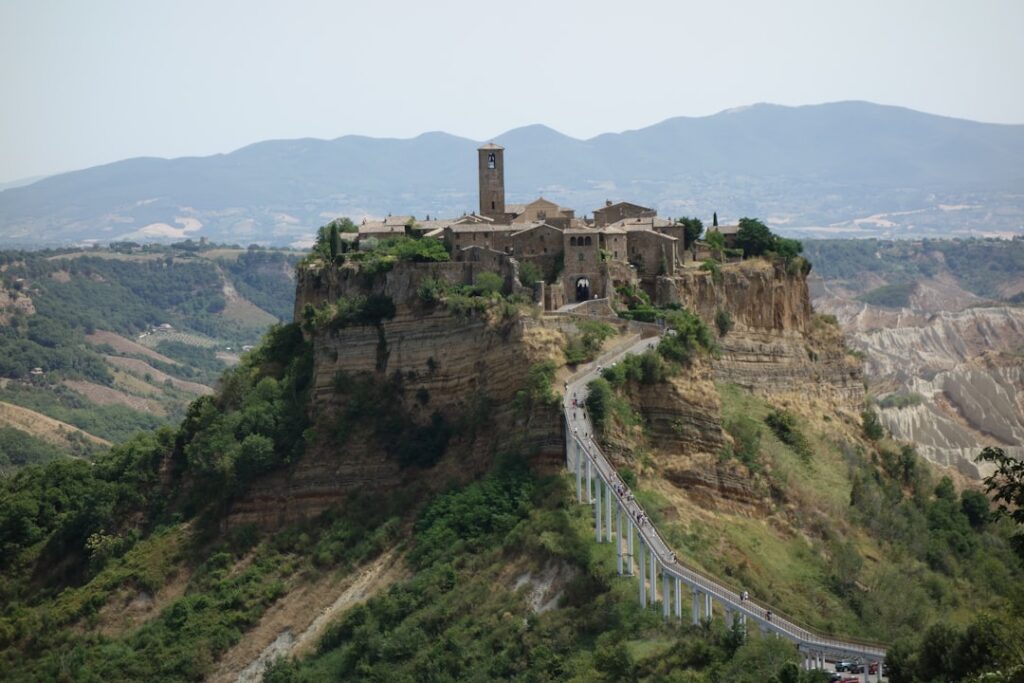
Umbria’s hilltop castles are more than historic attractions: they are vantage points onto a region that has preserved its soul. From Assisi’s Rocca Maggiore to the mysterious passages of Perugia’s Rocca Paolina, through the museum grandeur of Spoleto’s Rocca Albornoziana and the intimate residencies at Civitella Ranieri and Petroia, each site blends history, culture and landscape in its own way. The addresses listed here — Rocca Maggiore (Piazza Garibaldi, 06081 Assisi PG), Rocca Albornoziana (Piazza della Libertà, 06049 Spoleto PG), Rocca Paolina (Via della Viola, 06121 Perugia PG), Castello di Civitella Ranieri (Loc. Civitella Ranieri, 06010 Città di Castello PG), Castello di Petroia (Loc. Petroia, 06024 Gubbio PG) — are solid starting points for planning your routes.
To make the most of your stay: plan visits around opening times and seasons, book ahead if you want guided tours or to sleep in a relais-castle, and mix village strolls with tastings of local products and photo stops at viewpoints. Remember that prices and hours can change—check with local tourist offices (Pro Loco Assisi, Via San Rufino 4; Pro Loco Spoleto, Piazza del Mercato 1; Comune di Perugia, Via del Verzaro 1) or the official castle websites in the week before you travel.
Finally, give yourself time to get lost in the alleys, listen to the silence of the walls and savor Umbrian cuisine (truffles, Castelluccio lentils, DOP olive oil) in a trattoria near the fortifications. Those moments—between stone and panorama—are what turn a visit in Umbria into a memory that lingers.