





Introduction: Discovering the Hidden Sanctuaries Around Assisi
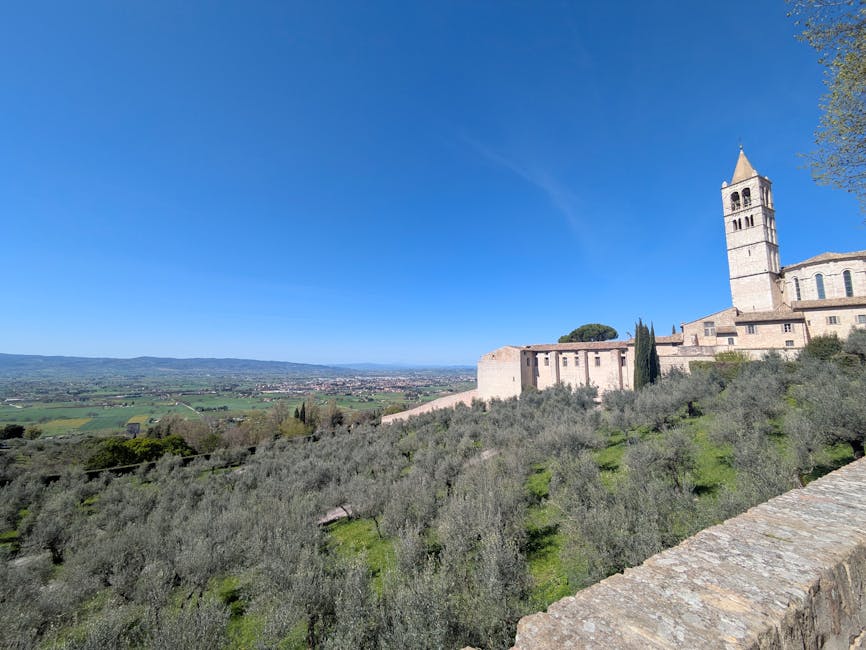
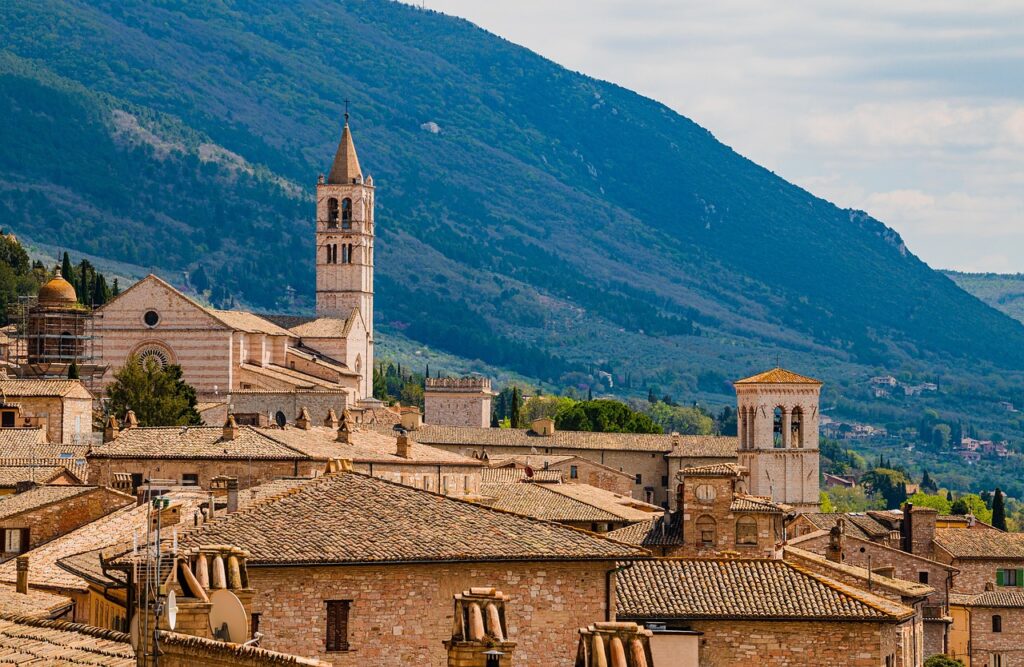
Assisi, the spiritual heart of Umbria and the birthplace of Saint Francis, draws pilgrims and travelers from around the world every year. Beyond the well-known sights — the Basilica of Saint Francis, the Porziuncola, and the Basilica of Saint Clare — there’s a constellation of small sanctuaries, hermitages and chapels tucked into the hills of Monte Subasio and the surrounding valleys. These discreet spots offer intimacy, serenity and an authenticity that the main town can sometimes lose under the weight of tourism. This guide points curious visitors to those spiritual hideaways accessible on foot, by car or via short hikes, and provides practical, detailed information — exact addresses, opening hours, admission details and local tips — to help you plan respectful and rewarding visits.
The hidden sanctuaries around Assisi aren’t just religious destinations: they’re prime vantage points for Umbrian scenery, places where sacred art blends with rustic architecture, and spaces where monastic history still speaks through silent stones and fragrant gardens. Many preserve old frescoes, hermit cells, secluded cloisters and small chapels dedicated to local devotions, sometimes linked to miraculous tales or the lives of the first Franciscans. Stepping a few kilometers out of Assisi opens the door to a more intimate Umbria: olive groves, shaded trails, rocky slopes dotted with pines and oaks, and panoramic views that deepen the contemplative experience.
This general guide aims to give travelers a reliable roadmap to explore five “hidden” sanctuaries around Assisi. For each site I provide the official name, full address, typical opening hours, admission info (when applicable) and an immersive description; I also share practical tips — best time of day to avoid crowds, recommended attire, walking routes, and suggestions for combining several sites into a half-day outing. As with many religious places, opening hours can change with the seasons and liturgical schedule, so it’s a good idea to check current times with parish offices or official sites before your visit.
Finally, respecting these sanctuaries means a few simple gestures: speak quietly, dress modestly (shoulders and knees covered), avoid photography during services or where it’s forbidden, and contribute modestly to upkeep when a donation box is available. These small acts let visitors fully immerse in the unique atmosphere of Umbrian sanctuaries while helping local communities preserve this spiritual and cultural heritage.
Eremo delle Carceri — The Franciscan Refuge in the Monte Subasio Woods
Full name: Eremo delle Carceri (Hermitage of the Prisons)
Address: Località Carceri, 06081 Assisi PG, Italy
Opening hours: Generally open daily from 08:30 to 18:00 (summer) and 09:00 to 17:00 (winter). Hours may be reduced during services; daily Mass at 07:30 and Lauds at 08:00. It’s best to arrive early in the morning to enjoy the silence.
Admission: Free entry; suggested donation of €2–€5 for site maintenance. Private guided visits available by appointment (indicative fee €30–€60 for a group; check with the managing association).
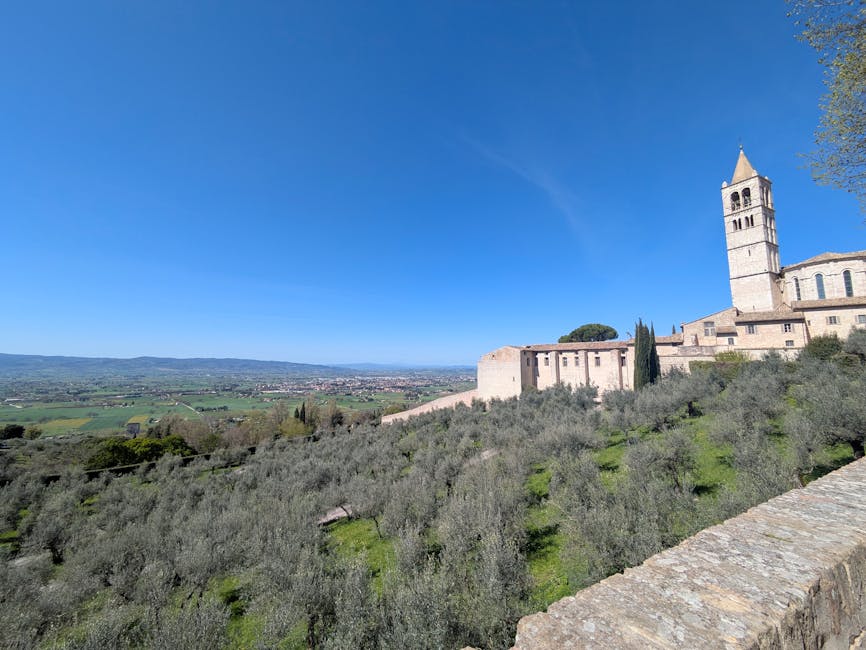
Immersive description: Perched on the wooded slopes of Monte Subasio, the Eremo delle Carceri is a cluster of hermitages and small rock-cut cells tied to the contemplative life of Saint Francis’s early companions. The approach follows a shaded path lined with beeches and oaks; as you climb, the valley heat fades and bird song takes over. The tiny, austere cells retain an intact atmosphere of recollection — rough stone, niches, wooden crucifixes. Several small chapels and stone crosses dot the site, offering meditation spots with views over Assisi and the Umbrian plain.
Practical tips: The site is reachable on foot from Assisi in about 30–40 minutes from the Porta San Francesco (well-marked path) or by car (free parking at the entrance to Carceri). The ascent is moderate; wear appropriate footwear. A visit typically takes 45–90 minutes. Silence is strictly observed inside: avoid phones and loud conversations. In summer, the cool woods make the visit especially pleasant; in autumn the colors are worth lingering for.
Local tip: If you enjoy photography, favor early morning for low-angle light and valley mists. When leaving the hermitage, take the trail down toward Rivotorto for a scenic loop of around 90 minutes.
Santuario di San Damiano — The Little Church of Franciscan Revelations
Full name: Santuario di San Damiano (Monastery and Church of San Damiano)
Address: Piazza San Damiano, 06081 Assisi PG, Italy
Opening hours: Generally open from 09:00 to 18:00 in season (April–October) and 09:00 to 16:30 off-season. Daily services: Mass at 11:00 and Vespers at 17:00 (times may vary). The sanctuary closes briefly during the day for communal prayer; check before visiting.
Admission: Church entry is free. Some areas of the convent or temporary exhibitions may charge a small fee (often €2–€4). English guided tours are occasionally offered by the parish (fees vary; inquire at the desk).
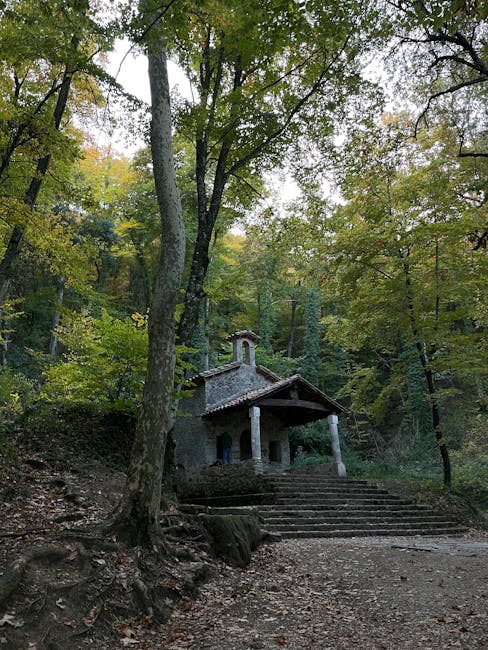
Immersive description: San Damiano is a small rural church where, according to tradition, the speaking cross revealed Saint Francis’s mission to rebuild the Church. The modest building, cloaked in simple charm, holds a stone slab and sparse furnishings, as well as faded medieval frescoes heavy with emotion. The adjoining cloister and garden, planted with aromatic herbs and olive trees, invite contemplation. The atmosphere is especially conducive to silent prayer; you can feel the long history of a place that inspired crucial spiritual reforms.
Practical tips: San Damiano sits just 1.5 km east of Assisi’s medieval center, reachable on foot in 20–30 minutes from the Piazza del Comune or by local bus (San Damiano stop, regular lines toward Santa Maria degli Angeli). The climb is gentle but bring water in summer. The church is small: during Mass visitors should stand back or return later.
Local tip: Visit San Damiano late in the afternoon to enjoy warm light on the stone and listen to evening prayers. If you seek a particularly reflective moment, check the schedule for lectio divina or public prayer times — the Franciscans often welcome visitors for short shared spiritual moments.
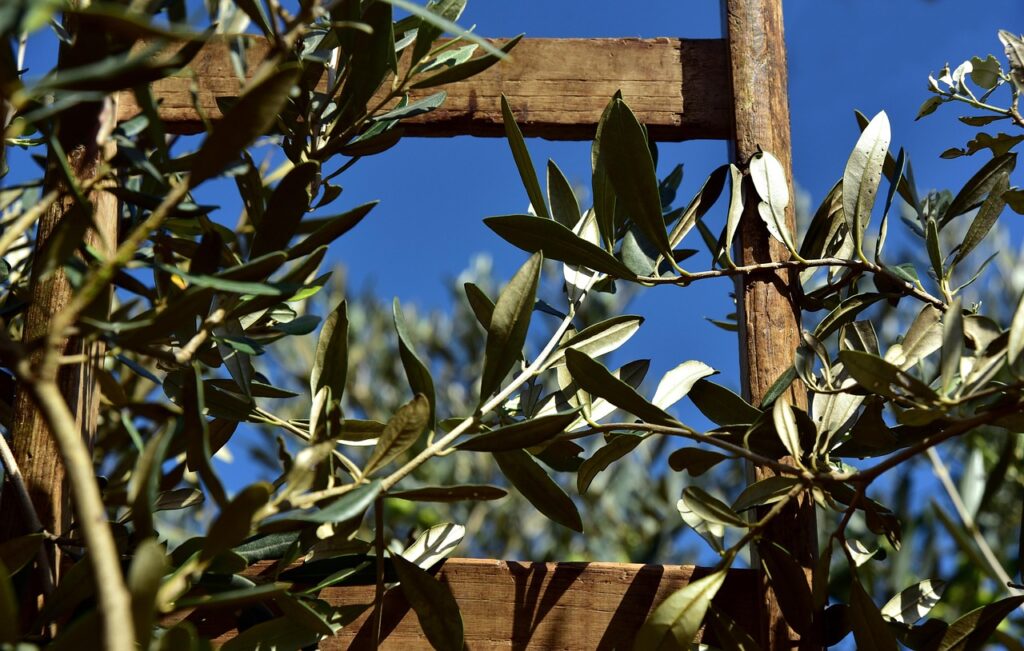
Santuario e Convento di Rivotorto — Franciscan History on the Plain
Full name: Santuario e Convento di Rivotorto d’Assisi (Sanctuary and Convent of Rivotorto)
Address: Via Rivotorto, 2, 06081 Santa Maria degli Angeli PG, Italy
Opening hours: The sanctuary is usually open 08:30–19:00 in summer and 09:00–17:00 in winter. The small attached museum (Museo del Convento) is open 10:00–17:00 (closed Mondays). Regular liturgies: Mass at 07:30, 09:30 and 18:00.
Admission: Sanctuary entry is free. Convent museum: indicative fee €3.00 (reduced €2.00 for students and seniors). Guided visits with access to archives or cloistered areas by reservation: fees vary (approx. €40–€80 for a group).
Immersive description: Rivotorto lies on the plain near Santa Maria degli Angeli and was where the first brothers lived in reed and wooden huts — hence the name Rivotorto (twisted reeds). Today the complex includes an active convent, a simple church dedicated to Saint Mary and a small museum tracing the everyday life of early Franciscans, with liturgical objects, old photographs and scale models of the huts. The surroundings are pastoral: cultivated fields, quiet country lanes and the church bell standing out on the horizon.
Practical tips: Rivotorto is about a 10–15 minute drive from Assisi (follow the SP209 toward Santa Maria degli Angeli). Free parking is available on site. The site is bike-accessible via cycle paths crossing the plain — bring water in summer as shade is limited.
Local tip: Don’t miss the convent shop selling local products — olive oil, liqueurs made by the brothers and rare postcards. The museum visit is brief (30–45 minutes) but very informative for understanding the humble origins of the Franciscan movement.
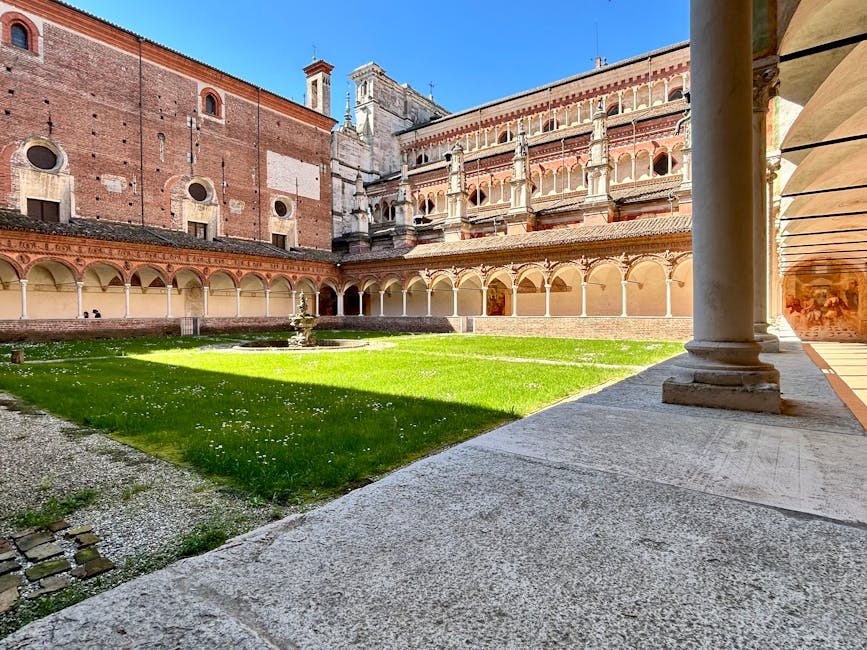
Porziuncola and the Basilica of Santa Maria degli Angeli — A Hidden Shrine Within a Grand Basilica
Full name: Porziuncola (inside Basilica of Santa Maria degli Angeli) — Basilica di Santa Maria degli Angeli
Address: Piazza Porziuncola, 06081 Santa Maria degli Angeli PG, Italy
Opening hours: The basilica is generally open 06:00–20:00 (summer); the Porziuncola, a small inner chapel, follows similar hours but access may be limited during celebrations. Daily Masses: 07:30, 09:00 (Porziuncola), 18:00. Confessions are available in several languages at certain times.
Admission: Entry to the basilica and the Porziuncola is free. Some staged guided tours or audio guides may be paid (€3–€5). Nearby public parking is charged by duration (approx. €1.50–€2.50/hour).
Immersive description: The Porziuncola is a small stone chapel housed inside the vast Basilica of Santa Maria degli Angeli. It’s where Saint Francis received his call and embraced radical simplicity: the Porziuncola itself is humble, barely covered in frescoes, yet it carries enormous symbolic weight. The modern basilica built to protect the tiny chapel contrasts dramatically with the Porziuncola’s simplicity; stepping through the narthex into the chapel creates a kind of spiritual “threshold effect,” almost theatrical.
Practical tips: Santa Maria degli Angeli sits on the edge of the plain at the foot of Assisi, easily reached by bus from Assisi station or by car (parking nearby). It’s very busy, especially during major religious feasts (Assumption, Saint Francis’s day): aim for a weekday morning to avoid the crowds. The chapel is small — respect queues and photography rules (often allowed without flash).
Local tip: Take a break in the gardens and porticoes outside after your visit. For a fuller experience, combine the Porziuncola visit with a walk to Rivotorto (about 20–30 minutes on foot) and stop at a local trattoria for Umbrian specialties like chickpea pie (tortino di ceci) or bruschetta with local olive oil.
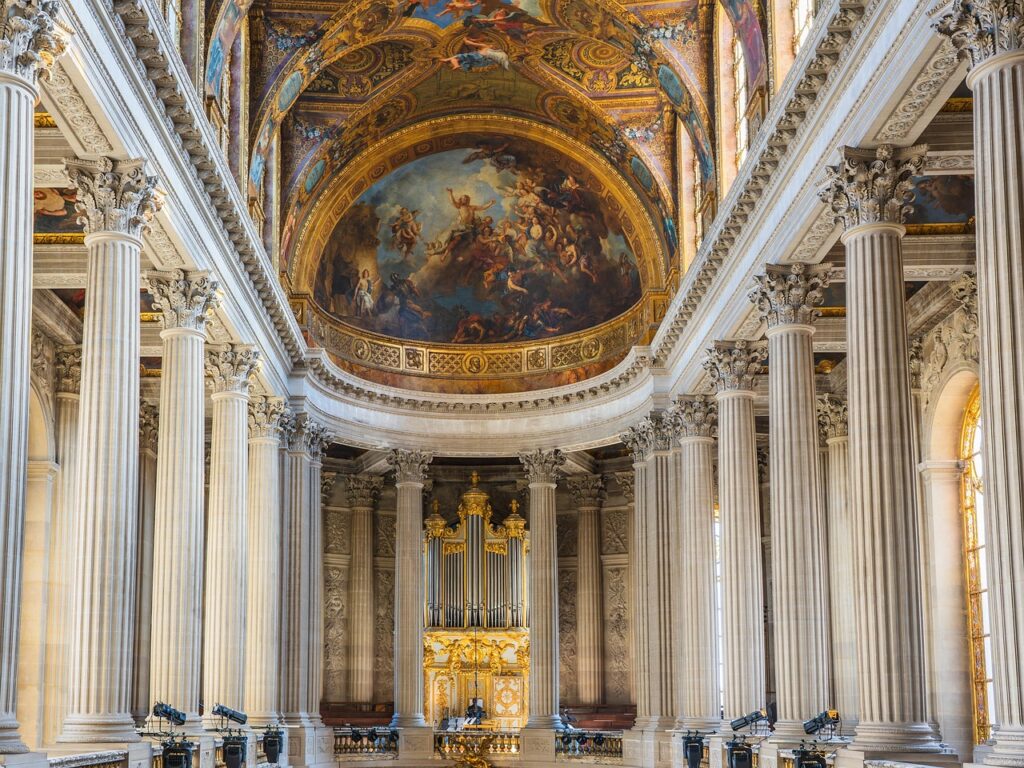
Ermitage of San Pietro (a local secret) — A Quiet Rural Stop
Full name: Eremo di San Pietro (Ermitage of San Pietro) — small rural sanctuary
Address: Località San Pietro, 06081 Assisi PG (communal road; GPS to be checked with the Assisi tourist office)
Opening hours: The hermitage is mainly open for Mass times and by request; indicative hours: 09:00–12:00 and 15:00–18:00. Sunday Mass at 11:00. The site is run by a small fraternity or local volunteers and may be closed outside these hours.
Admission: Free entry; voluntary donations for maintenance (donation box on site). Guided visits by appointment (free or by offering).
Immersive description: The Eremo di San Pietro sits in a clearing, often hidden from the main road. An old stone gate leads to a walled garden where the ochre-painted chapel exudes a rural simplicity reminiscent of monastic country life. Inside, popular ex-votos, icons and a modest altar attest to local devotion. Scents of lavender and rosemary grown by locals strengthen the sense of intimacy and suspended time.
Practical tips: Access may be via an unpaved communal road; a compact car is recommended. The site doesn’t always offer services (toilets, water point); bring water and sturdy shoes for uneven ground. Check with the Assisi tourist office in advance to confirm opening and exact directions.
Local tip: This hermitage is perfect for those seeking solitude and personal prayer. Respect the service schedule and, if you’d like to speak with caretakers, choose a brief moment after Mass. Locals appreciate visitors buying artisanal souvenirs in the nearby village: honey, jams and small hand-painted pottery.
Conclusion: Making Time for Umbria’s Spiritual Side
Assisi and its surroundings offer far more than the famous postcard monuments. The hidden sanctuaries — hermitages tucked in the woods, small rural chapels, modest convents and the Porziuncola sheltered inside a basilica — are entry points to a truer, quieter, more inward Umbria. These places ask visitors to slow down: to walk slowly, listen to the wind in the leaves, sit on a stone bench and watch the light change on ancient masonry.
Practically speaking, plan your visits around service times and the seasons: calm mornings and late afternoons are often the best moments to enjoy a contemplative atmosphere. Observe religious etiquette (appropriate dress, silence, no photos during services) and, when possible, support sanctuaries with small donations or by buying local products from the communities. These contributions, however modest, help maintain historic buildings and preserve a living religious and cultural presence.
Finally, keep an open mind: each sanctuary has its own story and rhythm. Some will welcome pilgrims for short retreats, others will simply offer a peaceful stop on your route. Whether you seek a spiritual experience, sacred art or are just a curious traveler, these sanctuaries around Assisi promise genuine encounters with a deeper Umbria made of stone, grass and prayer. Take time to talk with locals, taste the olive oil, and above all — allow yourself to be surprised by the quiet beauty that has made Assisi a pilgrimage destination for centuries.