





Introduction — Walking the Way of the Cross in Assisi
Assisi, the small medieval town perched on the hills of Umbria, is one of Italy’s most moving spiritual destinations. As the birthplace of Saint Francis of Assisi and Saint Clare, it draws pilgrims and travelers seeking silence, history, and beauty. The « way of the cross » in Assisi is more than a sightseeing route: it’s an inward journey that weaves together sacred sites, rural landscapes, and an age-old acoustic that invites contemplation. Between basilicas, hermitages, and Romanesque churches, each stop tells a fragment of Francis’s life — his call to poverty and fraternity — and the Franciscan spirituality that shaped Europe.
This article lays out a practical, step-by-step route to follow this path of faith in Assisi, with exact addresses, indicative prices in euros, opening hours, and local tips to make the most of each place. Whether you come as a pilgrim, a hiker, or simply someone curious about architecture and harmony, this guide will help you plan a full day or several half-days. We’ll cover the major monuments — like the Basilica di San Francesco d’Assisi and the Basilica di Santa Chiara — as well as the quieter, essential spots for understanding the spiritual experience: San Damiano, the Eremo delle Carceri, the Basilica of San Rufino, and the Sacro Convento. Each description aims to be immersive: expect notes on light on the frescoes, the scent of incense, views across the valley, and the best moments for prayer or photography.
Important: some religious sites undergo conservation work and have hours that change with the seasons or liturgical ceremonies. Admission fees for convent museums and temporary exhibitions can also vary. We list times and prices that are generally current (in euros), but you should check the local tourist offices or official websites before you travel. Finally, to respect the spirituality of these places, practical advice is given to help you behave respectfully: appropriate dress, silence in chapels, queue etiquette, and photo discipline.
Basilica di San Francesco d’Assisi — the heart of the pilgrimage
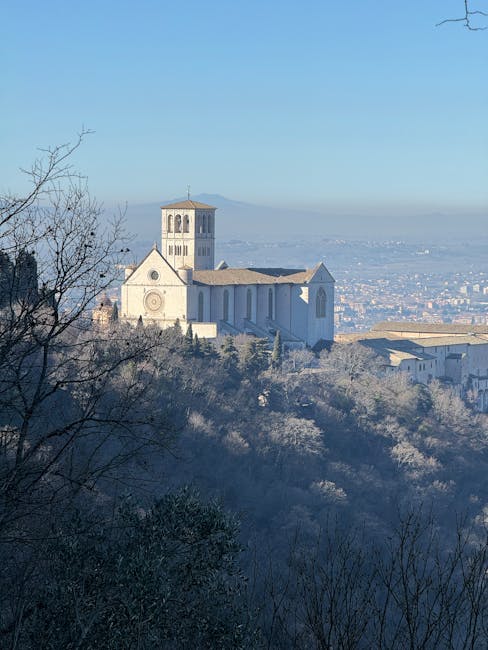
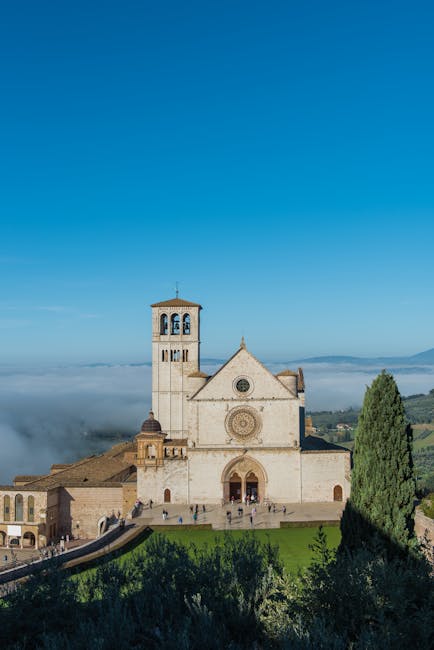
The Basilica di San Francesco d’Assisi is the unmissable starting point for the way of faith. Located at Piazza San Francesco, 1, 06081 Assisi PG, Italy, it consists of two levels — the Lower Basilica and the Upper Basilica — and the Sacro Convento. The complex was built shortly after Saint Francis’s death (1226) and houses masterpieces of medieval art, including frescoes by Cimabue, Giotto and the Lorenzetti. The soft light filtering through the stained glass creates a unique atmosphere of recollection, and the frescoes narrate the saint’s life in an almost cinematic sequence.
Opening hours (check locally): the Basilica is generally open daily from 7:00 to 19:00. Access to the Sacro Convento’s museum rooms may follow different time slots: Museo e Monumenti dei Frati (entrance fee) often opens from 9:00 to 17:30. Indicative prices: free entry to the basilica itself; guided tours or museum/convent access: around €6.00 per person; discounts for students and groups available (prices subject to change).
Practical tips: arrive early, ideally before 9:00, to avoid crowds and enjoy the morning silence. The basilica is a silence zone: follow the rules, don’t use flash for photos, and cover shoulders and knees (appropriate dress required). If you want to attend Mass or services, check the Sacro Convento’s liturgical schedule for exact celebration times.
San Damiano and the Monastery of Santa Chiara — places of conversion and contemplation
The small monastery of San Damiano and the Basilica di Santa Chiara are essential stops on the Franciscan route. San Damiano, at Via San Damiano, 10, 06081 Assisi PG, Italy, is where Saint Francis heard the call « go, repair my Church. » The original stone chapel preserves an affecting simplicity, an iconic crucifix, and frescoes that reflect a rural, intimate Christianity. The site is often visited by silent pilgrims and small monastic communities.
The Basilica di Santa Chiara, a central place of devotion to Saint Clare, sits at Piazza Santa Chiara, 8, 06081 Assisi PG, Italy. The basilica houses Saint Clare’s reliquary and the Museo del Tesoro di Santa Chiara, which displays her liturgical objects and historic fragments. Indicative opening times: San Damiano is usually open from 8:30 to 12:30 and from 14:30 to 18:00; the Basilica di Santa Chiara often opens from 7:30 to 19:00. Fees: entry to San Damiano is free, but a donation of €1–€3 is appreciated; the Santa Chiara museum: €3.00 (reduced €1.50 for children/students).
Practical tips: San Damiano is a low-key site — wear comfortable shoes (paved paths) and allow at least 20–30 minutes of silence for meditation. At Santa Chiara, the cloister and garden are perfect for prayer; visit late afternoon for soft light on the façade. If you come during peak times (Easter, October 4th, Franciscan feast days), expect queues and arrive early or late in the day.
Eremo delle Carceri and the quiet of the sacred woods
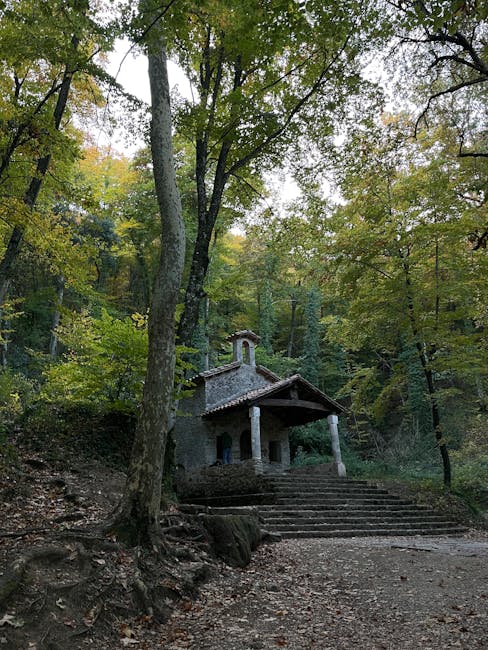
The Eremo delle Carceri is a hermitage tucked into the woodland on the hills above Assisi, at Località Le Carceri, 06081 Assisi PG, Italy. This was a refuge for Saint Francis and his brothers seeking solitude and prayer. Trails winding through the pine forest, small stone cells, and a rustic chapel create a feeling of withdrawal from modern life — ideal for a private way of the cross. The space is intimate: you mainly hear leaves crunching, birdsong, and sometimes the distant echo of a prayer.
Hours and access: the Eremo delle Carceri is generally open from 9:00 to 18:00 (summer hours) and from 9:00 to 16:30 (winter hours). Access is free, but a recommended donation of €1–€3 helps maintain the site. The drive from Assisi’s historic center to the eremo takes about 20–30 minutes; there are also shuttles/taxis and hiking paths (plan 45–60 minutes on foot depending on the route).
Practical tips: wear sturdy hiking shoes and bring water; a light jacket is wise because the forest microclimate is cooler than the town. Observe silence and conservation rules: no fires, no litter, no disturbing religious communities. Best times for quiet are morning (9:00–11:00) and late afternoon. For meditation, pick a bench facing the valley to enjoy the view over the Umbrian plain.
San Rufino, Piazza del Comune and the final steps through the upper town
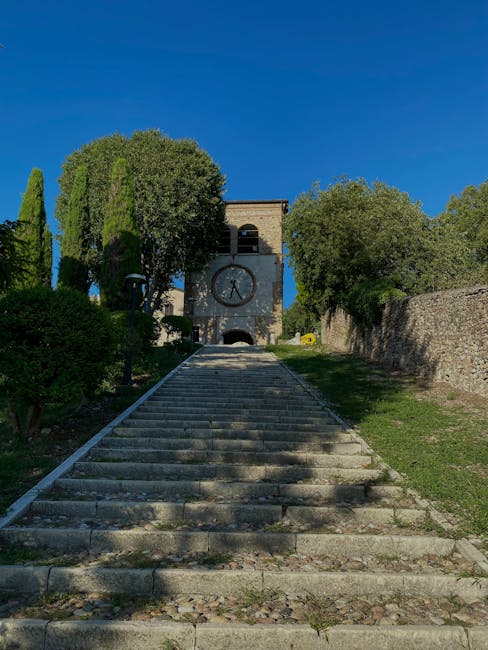
The Romanesque Basilica of San Rufino (Basilica di San Rufino) stands at Piazza San Rufino, 1, 06081 Assisi PG, Italy. It’s where Saint Francis was baptized, and its sculpted stone façade dates from the 12th century. The interior, more austere than the Basilica of San Francesco, offers a medieval atmosphere dense with history. Nearby are the Piazza del Comune and the Baptistery, places where the sacred and the civic overlap across the ages.
Hours and fees: the Basilica di San Rufino is usually open from 8:00 to 12:00 and from 15:00 to 18:00. Entry to the basilica is generally free, but contributions are requested for guided tours or access to restored areas (around €2–€5). The adjacent baptistery sometimes hosts historical exhibits at a similar price.
Practical tips: after visiting, climb toward the Piazza del Comune to take in the civic architecture: the Torre del Popolo and the Temple of Minerva (later converted into Santa Maria sopra Minerva) give a clear view of medieval urban planning. For a break, pick a café overlooking Via San Francesco and enjoy a cornetto while watching pilgrims pass by.
Practical tips for following the way of faith — logistics, respect and where to stay
Planning a way of faith in Assisi requires a blend of spiritual preparation and logistics. Here are concrete elements to organize your visit: transport, accommodation, opening hours, and behavioral rules. Assisi is reachable from Perugia (Perugia San Francesco d’Assisi Airport), about 25 km away; regular buses (SULGA and AST) connect the airport and Assisi station. From Rome, trains to Foligno or Perugia and then a bus to Assisi are possible. If you drive, watch for ZTL zones (limited traffic areas): the upper town contains restricted streets, so park in official lots like Parcheggio Viale Guglielmo Marconi or Parcheggio Porta Nuova.
Accommodation: the town offers a range of options — convents and guesthouses for pilgrims (often €30–€60 for dorms or basic rooms), B&Bs (€60 to €120 per night), and boutique hotels (from €100). For an authentic spiritual experience, consider staying at the Sacro Convento or in diocesan-affiliated hospitality houses, often listed as « ospitalità francescana. »
Respect and clothing: most churches request decent attire (shoulders and knees covered). During services, keep quiet and limit photography where it’s forbidden. Bring a small prayer book or a notebook to jot down impressions; many pilgrims find a pocket Bible or Franciscan texts useful.
Budget and payments: carry some cash for modest donations (€1–€5) in small chapels and hermitages; museums generally accept cards and cash. Prices quoted in this article are estimates current at the time of writing and may vary with seasons and temporary exhibitions.
Conclusion — Walking in Assisi, beyond the stones
Following the way of the cross in Assisi means allowing yourself to be guided by a succession of signs: frescoes, chapels, wooded trails and the silent language of places. This route is not a checklist of tourist stops; it’s an invitation to interiority. You walk through time, from the basilica where art elevates faith to the hermitages where nature becomes cathedral. Assisi’s power lies in this duality: imposing monuments that tell a collective story, and discreet corners where faith is practiced in a whisper. The practical addresses — Piazza San Francesco 1 for the Basilica di San Francesco, Via San Damiano 10 for San Damiano, Località Le Carceri for the Eremo delle Carceri, Piazza San Rufino 1 for the Basilica di San Rufino, and Piazza Santa Chiara 8 for the Basilica di Santa Chiara — anchor you on the map of a pilgrimage that is both historical and living.
Before you go, take the time to check museum hours and liturgical schedules: religious sites often adjust their programs according to seasons and celebrations. Also respect conservation and silence rules: Assisi remains, above all, a place of living faith. Finally, leave room for the unexpected — an unplanned mass, a conversation with a brother or sister, an unexpected sunset panorama. These moments, more than the itinerary, shape the memory of a path of faith.
Whether you come for a deep spiritual journey, a contemplative retreat, or simply to walk in Saint Francis’s footsteps, Assisi offers a palette of interwoven experiences. Bring patience, respect, and curiosity: the town will visit your heart in its own slow, luminous way.