





Introduction – The Hidden Heart of Umbria
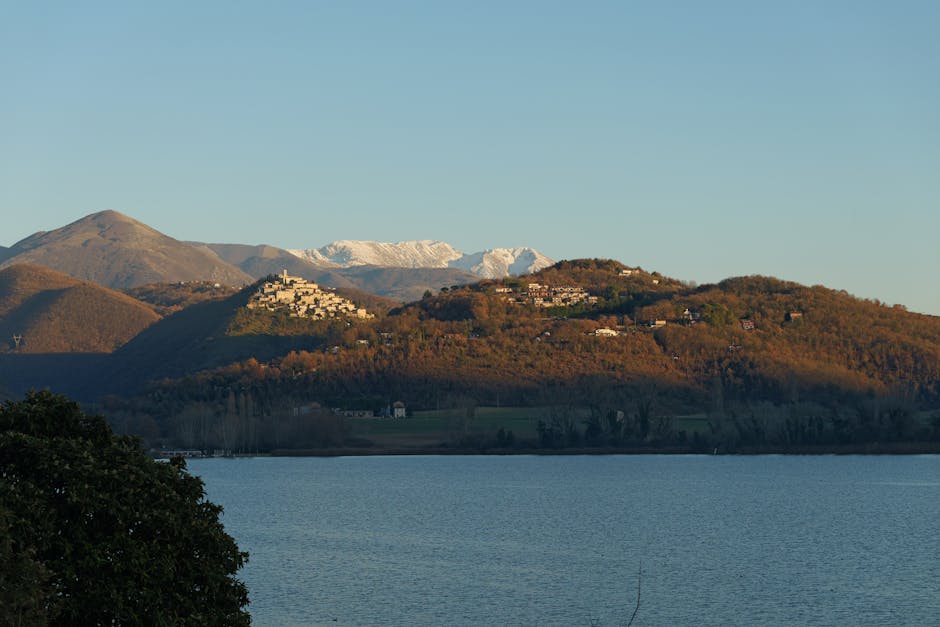
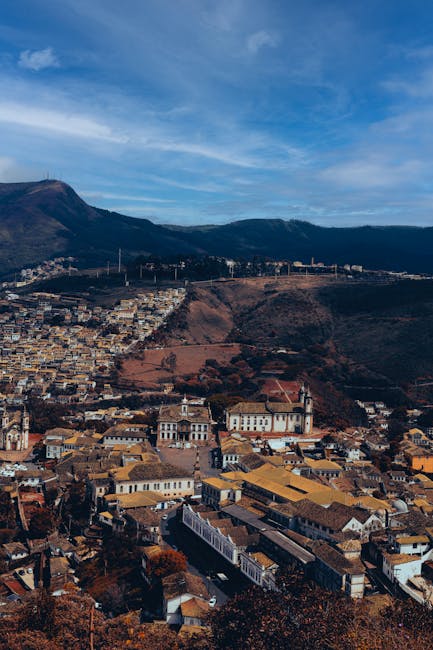
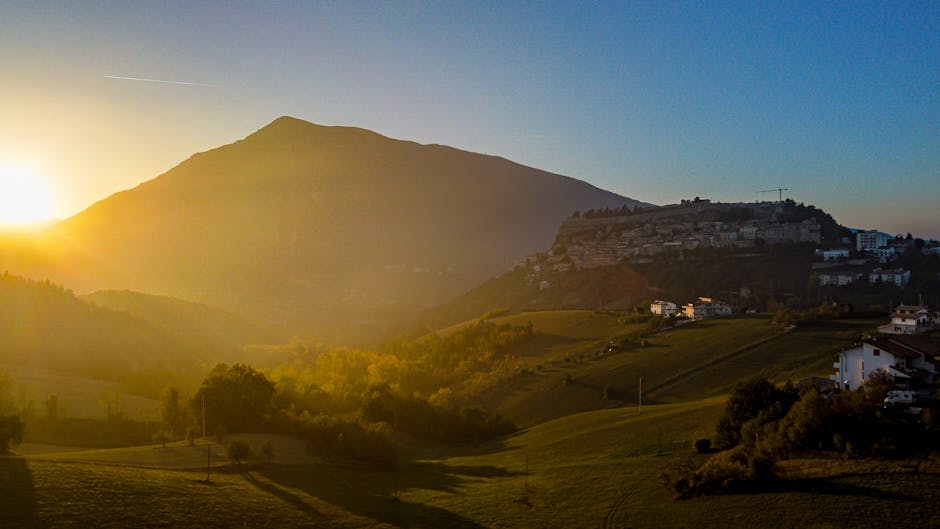
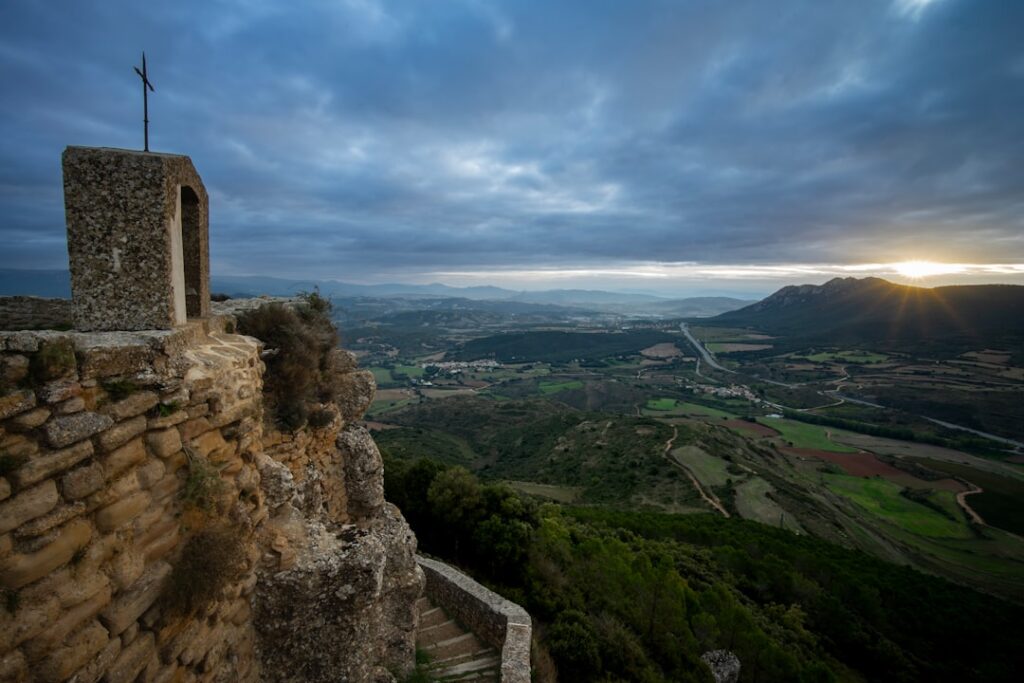
Umbria, Italy’s green heart, often lives in the shadow of neighboring Tuscany and the famous sights of central Italy. But for travelers who like to stray from the usual routes, it hides unexpected treasures: stone-clad hilltop borghi, lanes where time seems still, and sweeping views over fertile valleys bathed in golden light. These villages, many perched on rocky crests or steep hills, were originally designed as medieval lookout posts and still keep dramatic layouts — steep alleys, stone staircases, ancient towers and tiny piazzas where you can sip an espresso while watching the world below.
This guide takes you to ten perched borghi in Umbria selected for their authentic character, architectural heritage and the immersive experience they offer curious travelers. Each entry outlines the place’s history, must-see monuments (with precise addresses), opening times and indicative prices, plus local tips to make the most of your visit: best times of day, linked hikes, regional dishes to try and parking advice for historic centers that often restrict vehicle access. The focus is on villages that remain accessible yet largely free from crowds — places where you can meet locals and stay in family-run B&Bs offering warm hospitality.
Whether you’re a photographer chasing panoramic shots, a hiker keen on forgotten trails, a lover of sacred art or a foodie eager to taste local flavors, these hilltop borghi of Umbria offer a spectrum of experiences: silent monasteries, medieval towers, hanging gardens, artisan workshops, trattorie filled with locals and farmers’ markets. The descriptions also include practical info: full addresses (street, postal code, municipality), entrance fees for a few key sites, seasonal opening hours and tips to avoid peak times and traffic restrictions. Hike smart, respect the opening times of religious sites and sample local produce — extra virgin olive oil, simple but perfect bruschetta, summer truffle when in season — to truly catch the spirit of each borgo.
You’ll also find visual markers 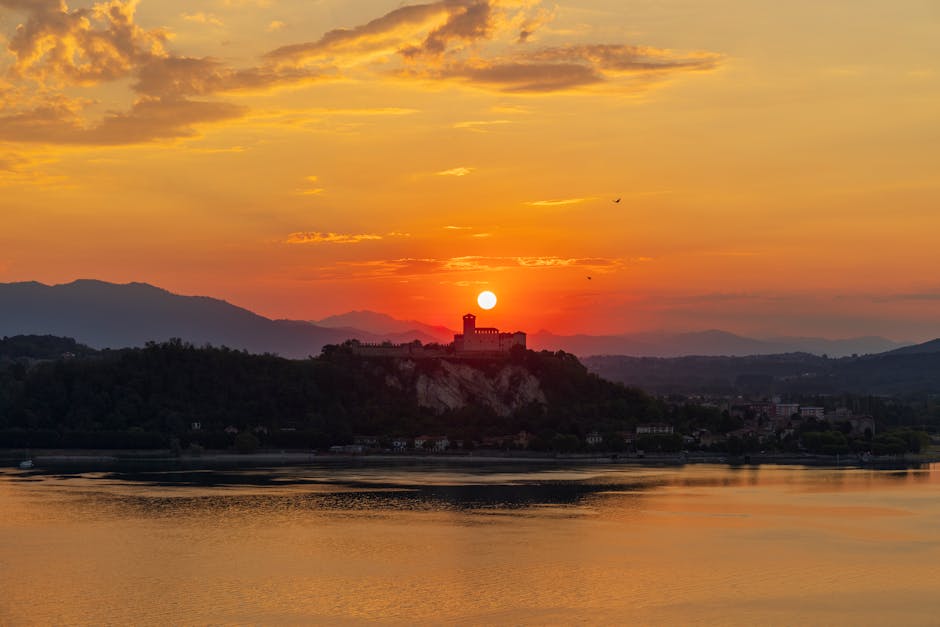 and photographic suggestions throughout this guide to help you picture things before you go. Lace up your walking shoes and bring your curiosity: let’s discover these perched gems of Umbria, well off the beaten track.
1. Montone — Borgo della Pace
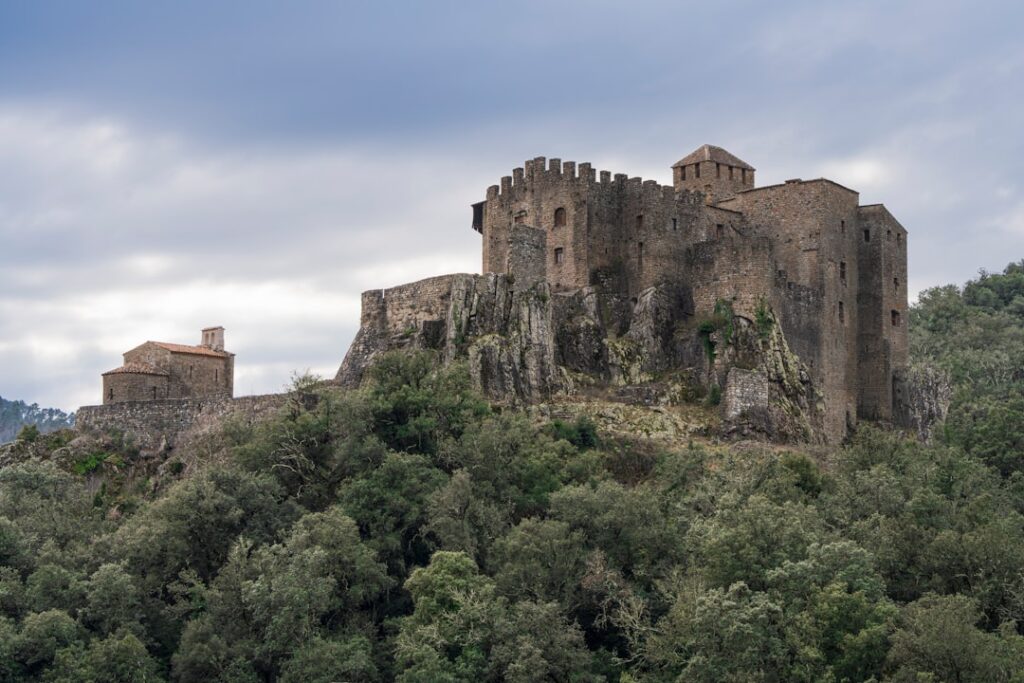
Montone sits at 508 m above sea level in the province of Perugia; it’s a perfect example of a small, intimate medieval borgo that still feels alive. Don’t miss the Rocca di Montone (Piazza Maestra, 06026 Montone PG): a fortress whose walls overlook the valley. Exact address: Piazza Maestra 1, 06026 Montone PG. Opening times: generally open April–October, Tuesday to Sunday 10:00–18:00; winter hours vary. Fees: free access to the ramparts; guided tours of the Rocca and the local museum about €3–5 per adult (indicative — check locally).
Wander along Via del Giglio, where stone facades are twined with bougainvillea and tiny squares. At the church of San Francesco (Piazza San Francesco, 06026) admire Gothic frescoes and a contemplative atmosphere. Address: Chiesa di San Francesco, Piazza San Francesco, 06026 Montone PG. Service times: Sunday Mass at 10:00; generally open to visitors roughly 9:00–17:00.
Practical tips: park at the public lot called “Parcheggio Riserva” near Via delle Mura (free or €1–2 depending on season) and walk up — inner streets are often ZTL (limited traffic zone). For a meal, Trattoria « Il Piccolo Borgo » (Via Marconi 12, 06026 Montone PG) serves traditional Umbrian dishes; mains €10–18. Try the local porchetta and the extra virgin olive oil produced in nearby groves.
2. Gualdo Tadino — Rocca Flea and the Views
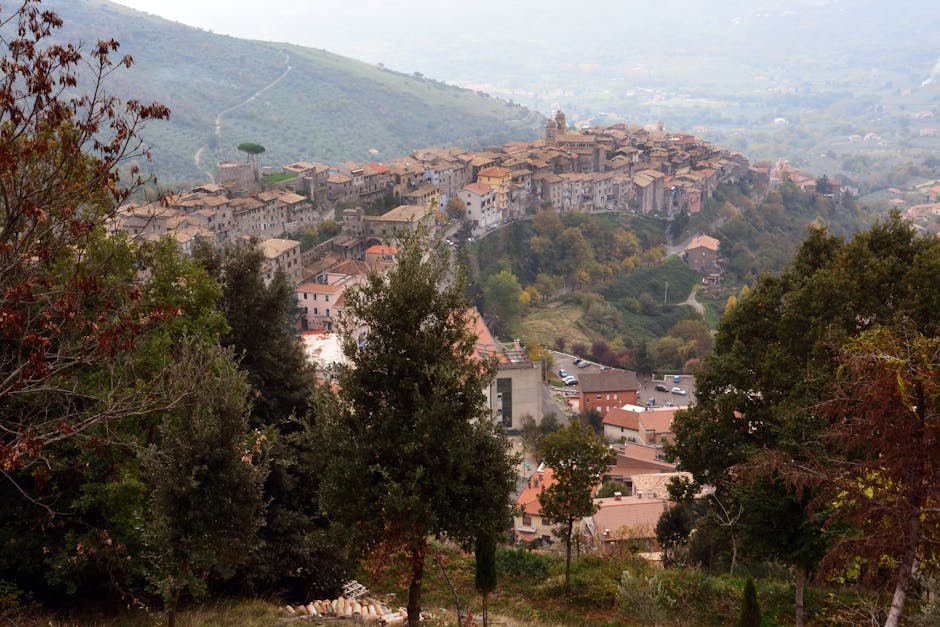
Gualdo Tadino, at 545 m, is a walled town that blends medieval heritage with a long tradition of ceramic craft. The Rocca Flea (Piazza Vittorio Emanuele II, 06023 Gualdo Tadino PG) occupies a strategic ridge-top position. Address: Rocca Flea, Piazza Vittorio Emanuele II, 06023 Gualdo Tadino PG. Opening times: variable, often 9:30–13:00 and 15:00–19:00 April–October; some temporary exhibitions may require an entrance fee (€4–8).
Stroll the old town’s lanes to the Chiesa di San Francesco (Via San Francesco, 06023) and the Cattedrale di San Benedetto (Piazza Matteotti, 06023). Cathedral address: Piazza Matteotti, 06023 Gualdo Tadino PG. The churches house altarpieces and local frescoes; religious services: Sunday Mass at 11:00, visits generally possible in the morning.
Practical: there’s a large free car park near the train station (Piazza della Libertà, 06023). The town makes a good base for exploring the Monti Martani trails — bring sturdy shoes and water. For food, try Osteria « La Taverna di San Giuseppe » (Via XX Settembre 7, 06023): antipasti €6–10, mains €12–18. Don’t miss the ceramic museum to buy locally crafted pieces.
3. Nocera Umbra — Terrace Over the Valnerina
Nocera Umbra, perched on a promontory above the Valnerina, is prized for its dizzying views and well-preserved medieval center. The main area is centered on Piazza San Francesco, 06025 Nocera Umbra PG. Highlights include the Chiesa di San Francesco (Piazza San Francesco) and the Porta Ascolana, gateways into the heart of the village. Opening times: most religious buildings open roughly 9:00–12:00 and 15:00–18:00; church visits are usually free, while a few local museums charge €2–5.
The viewpoint at the end of Via Giovanni Boccaccio offers spectacular valley and gorge panoramas. For history buffs, the Museo Civico (Via Roma 10, 06025) holds local artifacts; summer hours 10:00–13:00 and 16:00–19:00, entrance €3–6.
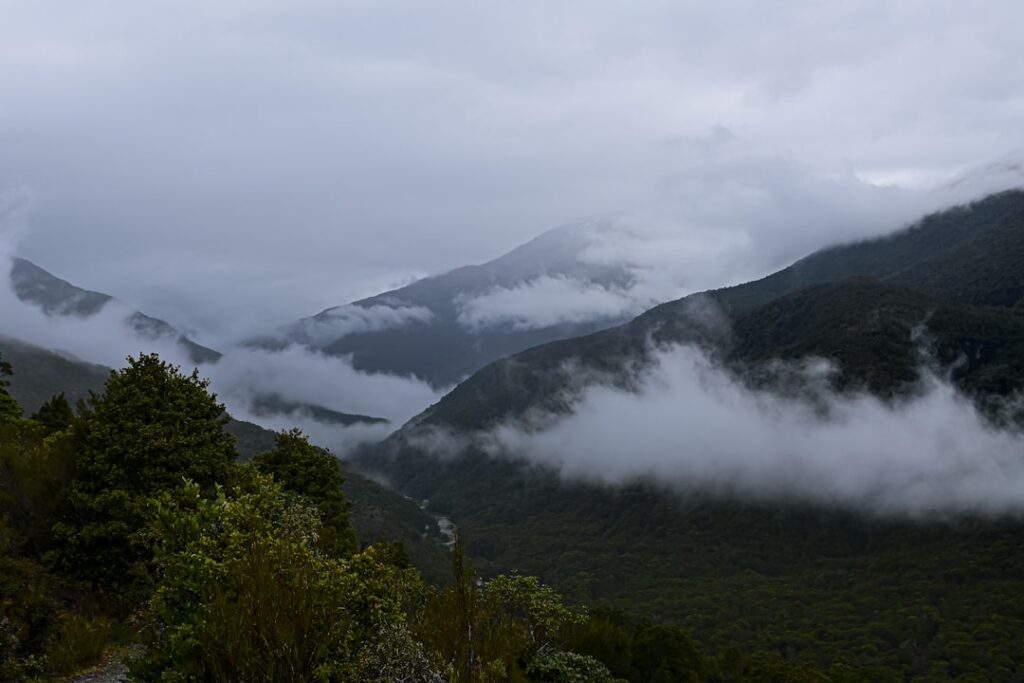
Tips: park at Parcheggio Largo Belvedere (Via Roma), often free or €1 depending on season. To eat, Trattoria « Da Cesare » (Via Guglielmo Marconi 4, 06025) serves rustic Umbrian dishes: risotto or game depending on the season; starters €5–8, mains €12–20. After rain, look down to the Nera river for moody, misty photos.
4. Spello — Flowers, Alleys and Hidden Frescoes
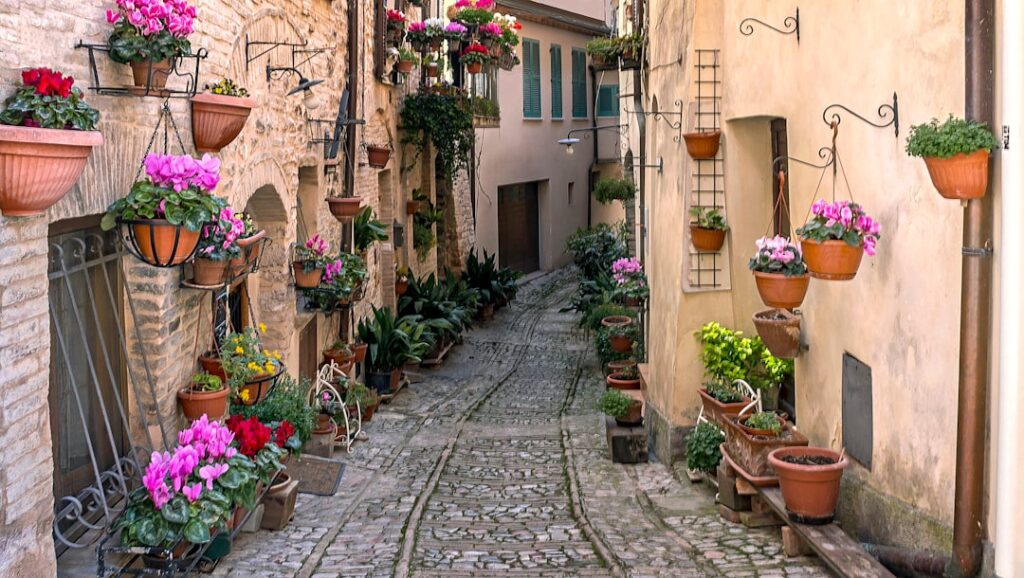
Spello is famous for its flower-filled lanes and intimate atmosphere. The historic center climbs a hill overlooking the Assisi valley; the landmark is Piazza della Repubblica, 06038 Spello PG. Don’t miss the Porta Consolare (Via Consolare), the Arco di Augusto and the church of Santa Maria Maggiore (Piazza Santa Maria, 06038). Church address: Piazza Santa Maria, 06038 Spello PG. Opening hours: typically 9:00–12:30 and 15:00–18:30; visits are free though donations are welcome.
Spello is also renowned for the Infiorate — streets carpeted with flower mosaics during the Corpus Domini festival in June — a spectacular time for photographs. The Museo Civico (Via dell’Anfiteatro 18) displays local works; seasonal hours and fees around €3–6.
Practical tip: park in peripheral car parks (Parcheggio Porta Consolare, Via della Libertà) and enter the center on foot. Small craft shops sell olive oils, jams and textiles; for lunch, osteria « La Cantina » (Via Giulia 25) serves antipasti and regional dishes from about €8–15.
5. Trevi — Olive Hills and Luminous Views
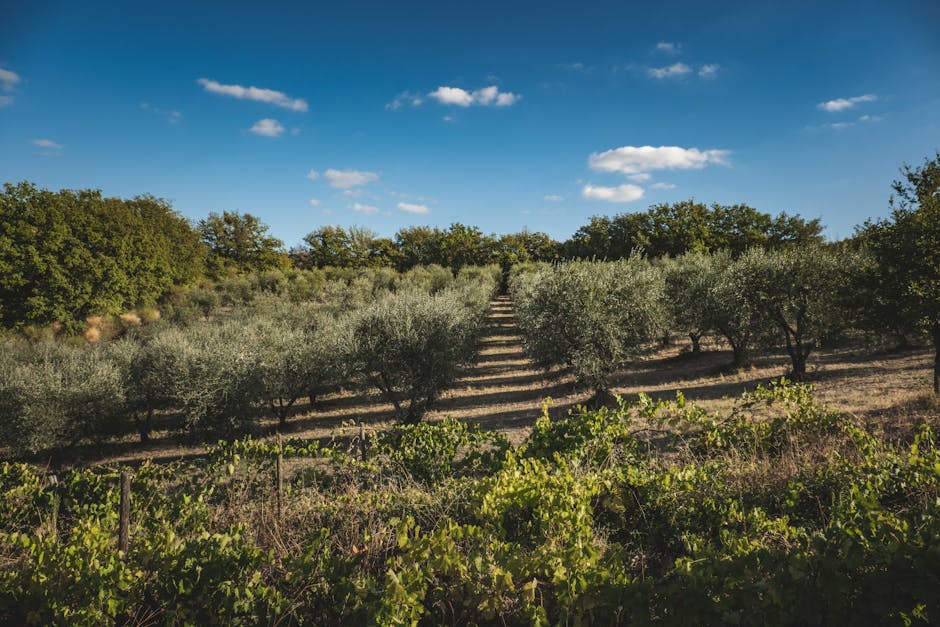
Trevi, often nicknamed the olive oil capital, is literally surrounded by olive groves. Its historic center revolves around Piazza Giuseppe Mazzini, 06039 Trevi PG. Must-sees include the Chiesa di San Emiliano (Piazza San Emiliano) and the Olive Oil Museum (Museo dell’Olio, Via Dell’Olmo 7, 06039), which explains local production; opening times 9:30–13:00 and 15:00–18:00, entrance €4–7.
The walk to the Terrazza della Rocca rewards you with long views over the Umbrian plain. The Chiesa di Sant’Emiliano (Via della Rocca) preserves frescoes and a peaceful atmosphere; service times vary. Taste the locally produced extra virgin olive oil and buy bottles directly at cooperatives (250 ml bottles from €6–12 depending on producer and quality).
Tip: visit in autumn for harvest time and join an oil tasting (often by reservation). Park at Parcheggio Piazza San Martino (usually free). For dinner, try « Ristorante Sensi » (Via Giuseppe Mazzini 12): mains €12–22, with a good selection of local wines.
6. Civitella del Lago — A Balcony Over Lake Trasimeno
Civitella del Lago is a tiny hilltop borgo offering a special vantage point over Lake Trasimeno. The village center sits around Via della Rocca, 06061 Civitella del Lago TR. From the piazza you can take in the lake’s surface and the distant islands. Nearby, the Chiesa di San Pietro (Via San Pietro) and a few small medieval towers punctuate the settlement. Opening times: most spots are open during daylight hours; cafés typically open from 9:00.
This place is ideal for photographers at sunrise and sunset. Watersports enthusiasts will find bases on the lakeshore (kayak rental around €10–20/hour). For a meal with a view, restaurant « La Terrazza » (Via della Rocca 3, 06061 Civitella del Lago TR) offers menus starting at €15, with a terrace facing the Trasimeno.
Practical info: the borgo is reached by a winding road; park on the edge of the village and walk a short distance. Nearby trails allow easy walks along cliffs and through vineyards; bring a hat and water in summer. In high season call ahead to reserve a table.
7. Otricoli — On the Via Tiberina with Ancient Remains
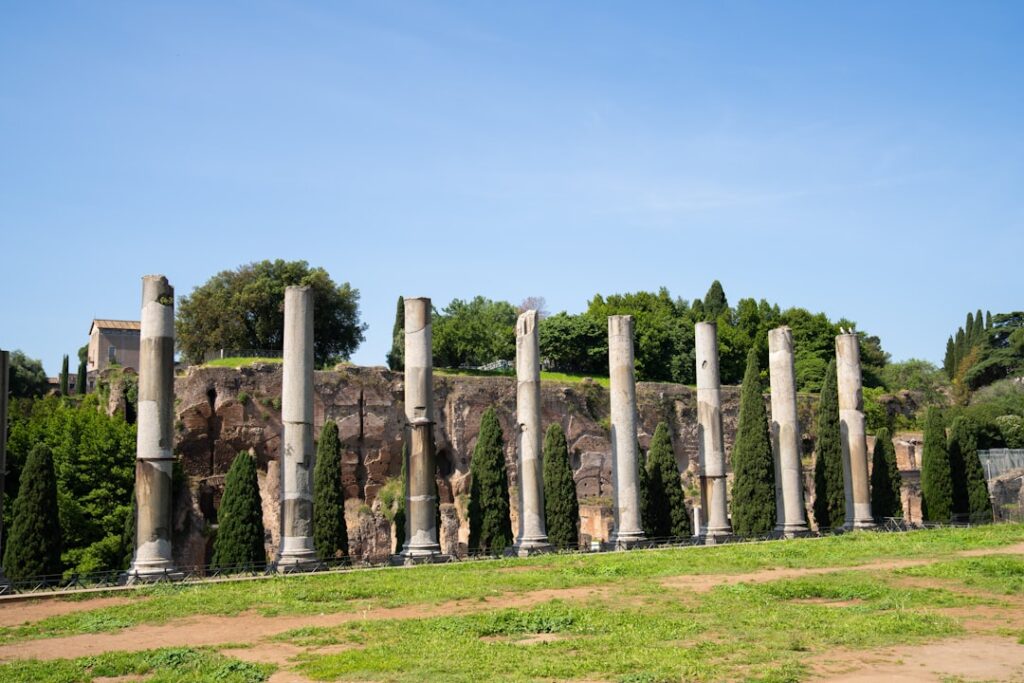
Otricoli, sitting on a hill above the Tiber plain, blends medieval charm with Roman remains. The town’s entrance centers on Piazza Umberto I, 01035 Otricoli TR. Visit the Parco Archeologico and the important Museo Antiquarium (Via Nazionale 2, 01035) where Roman finds and mosaics are displayed; opening times typically 9:00–13:00 on weekdays, entrance €3–5.
The borgo preserves the Rocca dei Vescovi and the Chiesa di San Nicola (Piazza San Nicola), often peaceful little wonders. The route up to the fortress offers views over the Tiber valley. For food, Osteria « Il Ponte » (Via Nazionale 5) serves traditional plates from about €10.
Tip: combine Otricoli with a stop along the Tiber for riverside photos. Parking is at the town entrance and usually free. Archaeology fans will appreciate interpretive panels in Italian and English; hire a local guide if you want a deeper dive into the Roman history here.
8. Spoleto — Rocca Albornoziana and the Ponte delle Torri
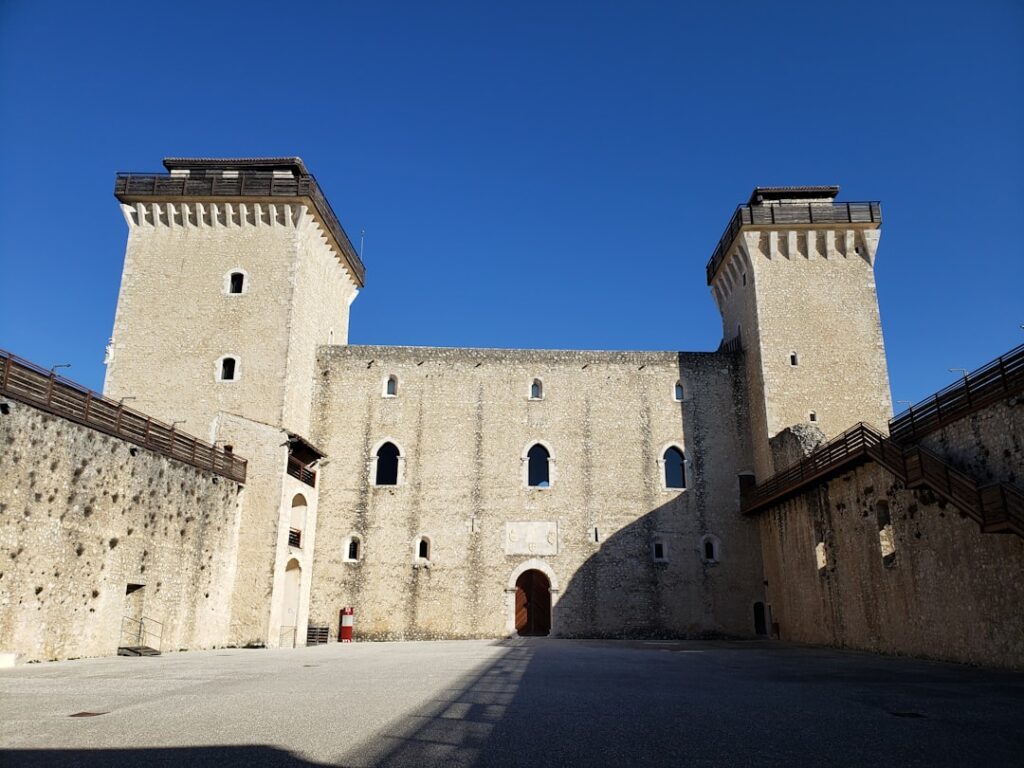
Spoleto is better known but still worth a stop for its higher neighborhoods that many hurried visitors miss. The Rocca Albornoziana (Piazza della Rocca, 06049 Spoleto PG) and the spectacular Ponte delle Torri (Piazza dell’Anfiteatro 1) are the town’s crown jewels. Rocca address: Piazza della Rocca, 06049 Spoleto PG. Opening times: Rocca often open 9:00–19:00 in season; entry €5–8 (varies with exhibitions). The Ponte delle Torri is an open-air viewpoint accessible for free — watch out for unrailed sections.
The old town’s stair-filled streets hide small churches like the Chiesa di San Pietro (Via San Pietro) and countless viewpoints. Also explore the Museo Archeologico Nazionale (Piazza Duomo 1) to understand the city’s development. For a typical evening, book a table at Trattoria « La Cupola » (Via Saffi 3): mains €12–25.
Practical: park at Parcheggio Via Brignone (a relay car park) and walk up or use the small shuttle service. Avoid the bridge in strong winds; in summer visit early morning or late afternoon to catch low, golden light and to avoid festival crowds.
9. Bevagna — Medieval Charm and Quiet Squares
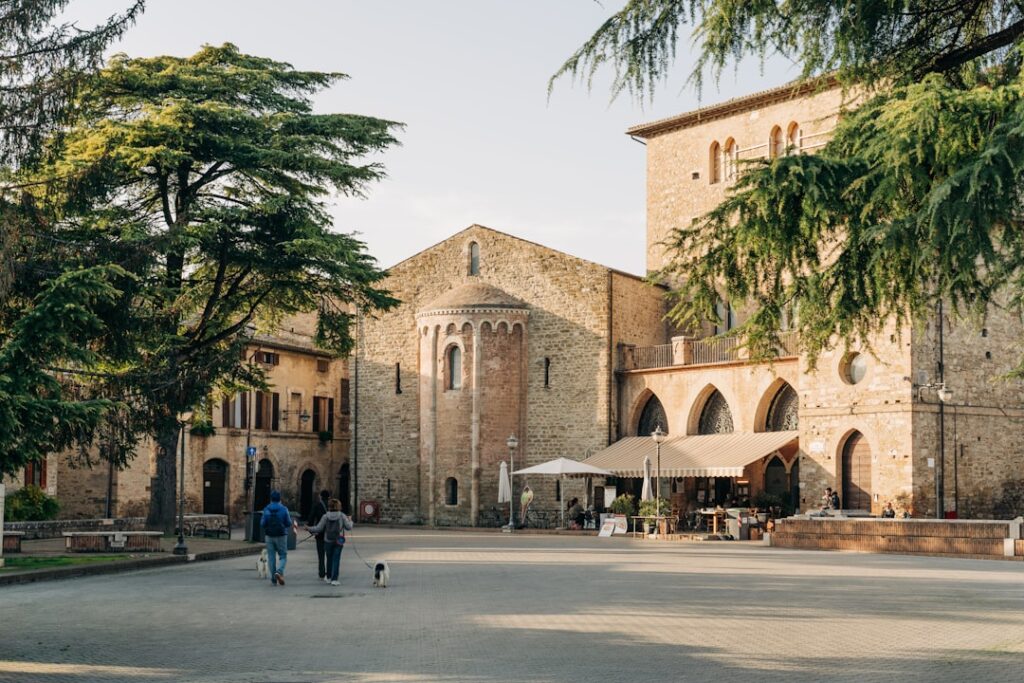
Bevagna is an Umbrian treasure, full of medieval arches, small squares and artisan shops. Piazza Silvestri (06031 Bevagna PG) is the vibrant heart of the village. See the Abbazia di San Silvestro (Via San Silvestro) and the Chiesa di San Michele (Piazza Filippo Silvestri). Church hours: often 9:00–12:00 and 15:00–18:00; visits are generally free though donations are sometimes suggested.
The Teatro Torti (Via Garibaldi 2) occasionally hosts performances and concerts; tickets depend on the program (€5–20). Bevagna is also known for local products: cheeses, cured meats and wines. Don’t miss small weaving and pottery shops in the side streets.
Practical tips: park at Parcheggio San Filippo (Via San Filippo) and explore the center on foot. For a memorable meal, book at Osteria « Il Gatto e la Volpe » (Via della Terme 10), mains €10–22. Bevagna is perfect for a slow stop — sit on a terrace and watch village life unfold.
10. Assisi (Upper Districts) — Beyond the Basilica
Assisi is famous for the Basilica di San Francesco, but its upper quarters and nearby small borghi offer perch spots and a quieter atmosphere. Basilica address: Piazza San Francesco, 06081 Assisi PG. Opening times: visits 7:00–19:00 (seasonal variations); lower basilica free entrance, small contributions for exhibitions (€2–5). For a high point, climb to the Rocca Maggiore (Piazza San Francesco, 06081) — address: Rocca Maggiore, Piazza San Francesco 1, 06081 Assisi PG. Opening times: 9:00–19:00 in high season, entry €4–7.
Explore neighborhoods like Santa Maria delle Rose and the lanes above the basilica to find views over the plain and the olive groves. The church of Santa Chiara (Piazza San Rufino) preserves a simple Gothic style and relics; hours vary. For dinner, Ristorante La Stalla (Via San Rufino 9) offers menus starting around €15.
Tip: traffic in the center is tightly controlled (ZTL); leave the car in a peripheral car park (Parcheggio Giotto or Parcheggio San Pietro) and walk up or take the shuttle. To avoid crowds at the basilica, arrive early morning or after 17:00. Assisi delivers some of Umbria’s most beautiful sunsets — find a spot on the ramparts or on a café terrace to watch the hills glow.
Conclusion – Travel Slowly and Savor Hilltop Umbria
These ten perched borghi of Umbria reveal the region’s intimate and preserved side: fortresses keeping watch over valleys, modest churches rich in frescoes, family-run trattorie serving home-cooked meals and landscapes of olive, vine and stone. Traveling in Umbria means slowing down, climbing stairs, stopping in a piazza and listening to a village’s daily ritual — church bells, easy conversations, older women mending at a doorway.
On a practical note, remember a few simple rules: respect ZTLs (limited traffic zones) to avoid fines and towing; favor peripheral car parks and shuttles when available; check seasonal opening times for museums and churches, many of which change hours off-season; and bring good walking shoes if you plan to climb ramparts or follow ridge trails. Also plan meal times carefully: some restaurants in small borghi close in the afternoon, and local specialties (olive oil, truffles, cured meats, cheeses) make for authentic edible souvenirs.
For photographers and contemplatives, the best light is early morning and late afternoon: sunrise over Lake Trasimeno at Civitella del Lago, golden backlight on Trevi’s olive groves, or the blue hour in Spoleto and Assisi. For a deeper cultural immersion, look out for local festivals (Infiorate in Spello, autumn food sagre) that bring chances to meet people and taste typical flavors. Don’t hesitate to strike up a conversation with locals: many speak enough English to offer tips, and a quick chat can lead to an invitation to taste a homemade product or discover a secret path.
As you visit these hilltop borghi you’ll build more than a list of sites — you’ll collect moments: coffee on ancient stones, breathtaking views, artisans at work and evenings soothed by distant bells. Take this guide as a thread, allow yourself to be surprised on the ground, and above all, travel slowly: Umbria belongs to those who take the time to listen to its stones.