





Introduction: On the Umbrian Ceramics Trail, Where Masterpieces Are Born
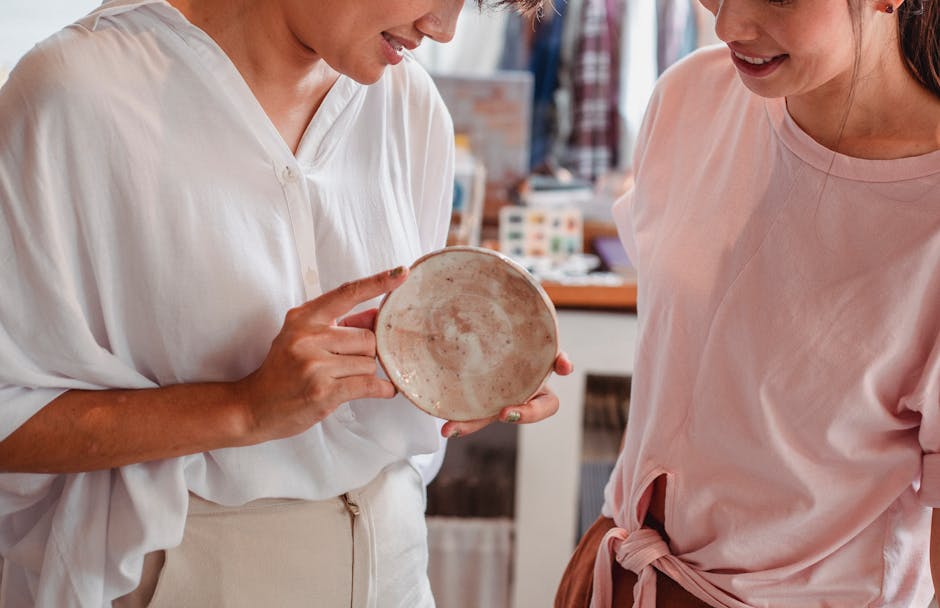
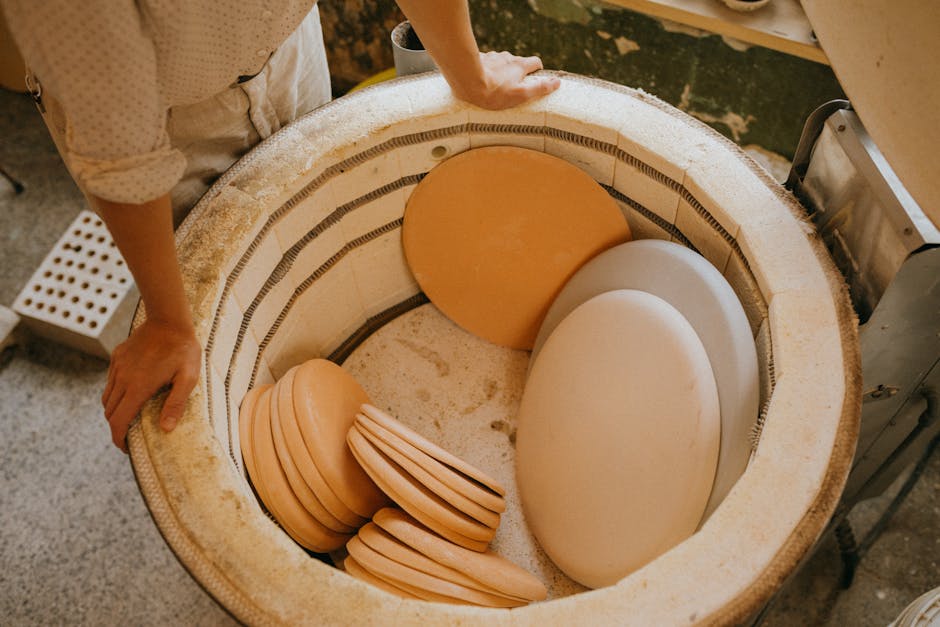
Umbria, the green heart of Italy, guards an inexhaustible secret: handmade ceramics. Since the Middle Ages, whole villages have devoted themselves to the art of terracotta and majolica, shaping plates, vases, tiles and chandeliers painted in a palette of deep blues, emerald greens and delicate golds. The « Ceramics Trail » in Umbria isn’t an official highway so much as an invitation to wander — to look up along cobbled lanes, pause outside steaming workshops and listen to potters’ stories. It’s a sensory route: the crackle of wet clay, the smell of oxide powders, the way a glaze sparkles in sunlight, and the satisfaction of buying a one-of-a-kind piece signed by a master.
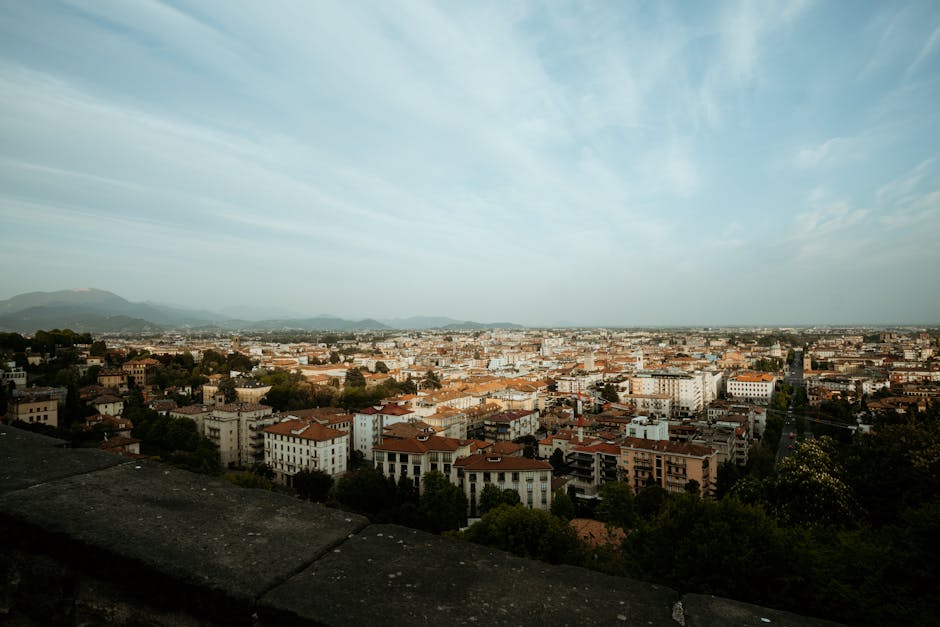
The route winds through emblematic places like Deruta, famed for its chandeliers and comb-decorated plates; Gubbio, where medieval tradition mixes with contemporary innovation; Città della Pieve, a Baroque gem with tucked-away studios; and Orvieto, on Umbria’s southern edge, where ceramics are often inspired by local architecture. Each village offers museums, open studios, ceramics schools and family-run shops. As you travel the trail you’ll find specific addresses where you can watch throwing, carving and firing — often at reasonable prices and at times that suit visitors eager for live demonstrations.
This article takes you step by step along the Umbrian Ceramics Trail: exact addresses, opening hours, admission prices, immersive descriptions and practical tips to make the most of every stop. You’ll find recommendations for seeing signature pieces at the Museo Regionale della Ceramica di Deruta, joining an introductory workshop, visiting family studios that have worked the clay for generations, and spotting the best buys for your budget. Whether you’re a collector, a curious traveler or a craft lover, this guide is designed to make the Umbrian ceramic experience tangible — from the first touch on the wheel to the glazed piece ready to come home with you.
Deruta: Historic Capital of Ceramics
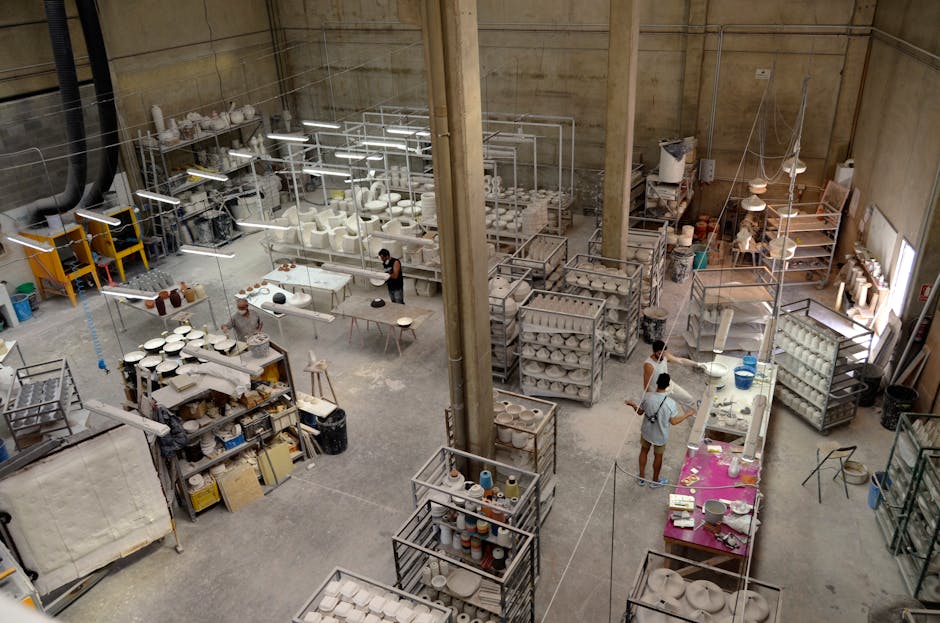
Deruta is the most famous village in Umbria for ceramics. Perched on a hill about 20 km southwest of Perugia, Deruta concentrates traditional workshops, artisan shops and the Museo Regionale della Ceramica. Main museum address: Museo Regionale della Ceramica di Deruta, Piazza dei Consoli 4, 06053 Deruta (PG). Hours: Tuesday–Sunday, 09:30–13:00 and 15:00–18:30; closed Monday. Price: €6.00 full price, €4.00 reduced (students and seniors), free for children under 6. The museum shows pieces from the 13th to the 20th century and features panels explaining majolica techniques, brush painting and kiln firing.
In Deruta, don’t miss the Ceramiche Gualtiero Alessi studio (Via Garibaldi 12, 06053 Deruta), often open to the public: free visits by appointment, beginner wheel workshops from €45.00 for a 90-minute session (materials included). Another noteworthy spot is Officina Ceramica De Simone, Via Roma 7, 06053 Deruta — a shop-studio where you can watch gold decoration and the application of metallic lusters. Many workshops stay open until 19:00 in high season (April–October); in low season it’s best to call ahead before you go.
Practical tips: arrive early in the morning to see artisans at the wheel while the clay is still moist; bring a quiet camera and always ask permission before photographing. If you plan to buy a large item, ask the seller about shipping options (often between €25.00 and €80.00 depending on the destination) — most shops offer professional export packing. Finally, enjoy a coffee on the Piazza dei Consoli after your visit: it’s a great vantage point to admire decorated facades and plan the rest of your route.
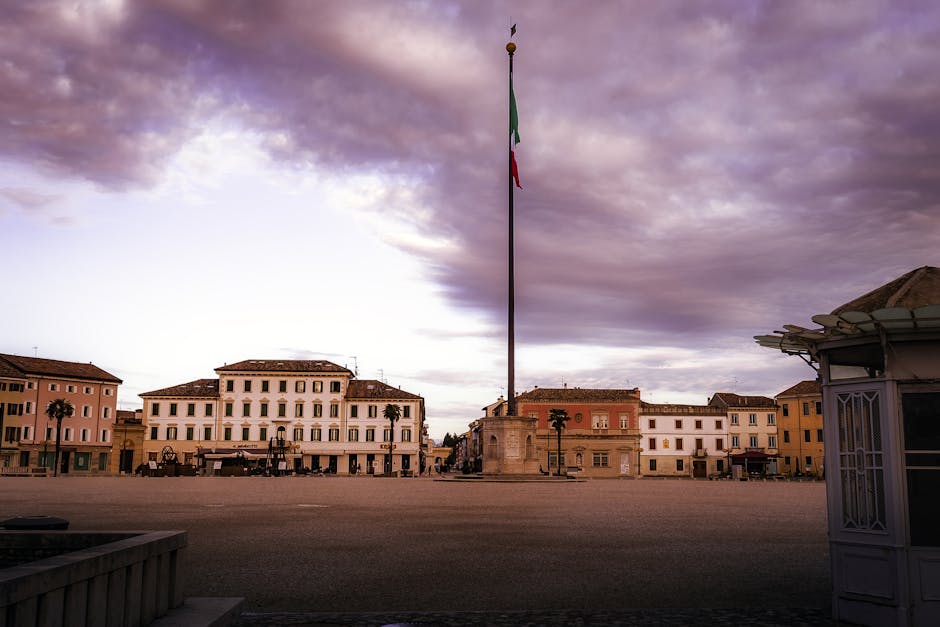
Gubbio and Its Medieval Heritage: Where History Meets Contemporary Ceramics
Gubbio, famous for its splendid Piazza Grande and the Palazzo dei Consoli, also hosts a lively ceramics scene. The Museo Civico di Gubbio (Piazza Grande 1, 06024 Gubbio (PG)) sometimes features temporary exhibitions dedicated to local ceramics; hours: 10:00–17:00 (seasonal variations), admission: €5.00 full price, €3.00 reduced. More specifically focused on ceramics, Atelier Ceramiche Tocco (Via della Repubblica 15, 06024 Gubbio) is a small family studio producing decorative pieces and hand-painted tiles. Guided studio visits usually cost about €7.00 per person, and are often free if you make a purchase.
Gubbio stands out for an aesthetic where ceramics converse with medieval architecture: geometric motifs, local symbols and earthy colors inspired by the stone façades. Local artisans also craft contemporary pieces that reference ancient forms while experimenting with modern glazes. Many studios offer « demonstration hours » in the afternoon (usually between 15:00–17:00); it’s recommended to call the day before to confirm. Introductory classes for adults are common, with two-hour sessions starting around €50.00.
Practical tips: pair a studio visit with a walk along Via dei Consoli and stop for a meal at Ristorante Taverna del Lupo (Piazza Grande 6) to enjoy hearty Umbrian cooking after creative exertion. If you’re traveling in July, look out for local festivals — artisan markets increase the chance of live demonstrations and the opportunity to find exceptional pieces at fair prices.
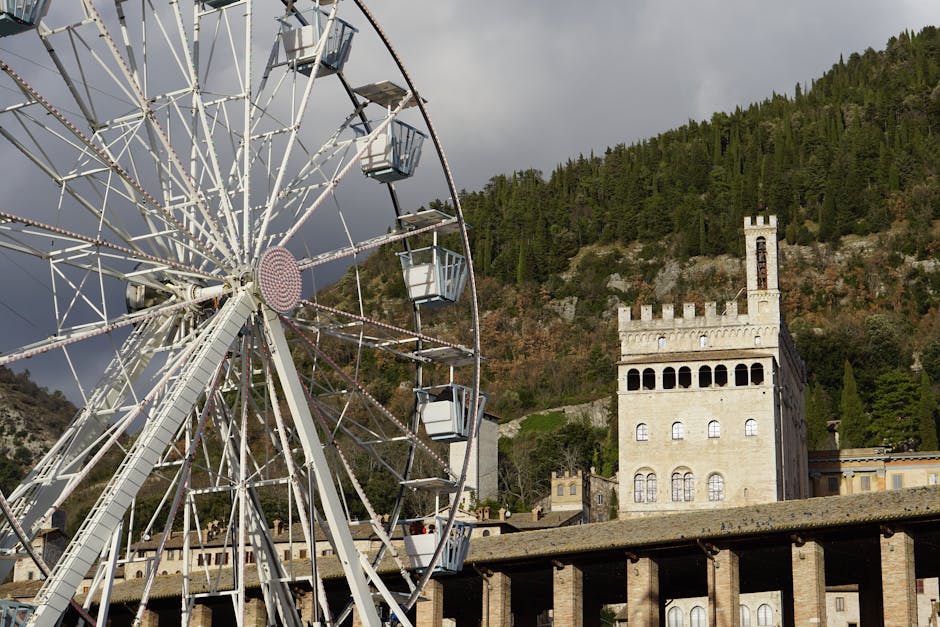
Città della Pieve and Orvieto: Hidden Studios and Exceptional Pieces
Città della Pieve, close to the Tuscan border, is less known than Deruta but home to small artisan shops capable of producing bespoke pieces. Stop suggestion: Studio Ceramiche Bellini, Via della Fortezza 3, 06062 Città della Pieve (PG) — a shop-studio working fine clay and creating limited editions. Opening hours: Tuesday–Sunday 10:00–13:00 and 15:00–19:00; closed Monday. Prices: free demonstration by appointment, private lesson €65.00 for two hours.
Orvieto, technically on the border between Umbria and Lazio but often included in Umbrian circuits, deserves a stop for its tradition of decorative tiles and ceramics inspired by the Duomo. Recommended studio: Ceramiche di Orvieto, Via del Duomo 10, 05018 Orvieto (TR). Hours: 09:30–18:30 daily in summer; introductory workshop rates: €40.00 for a 90-minute session. Meeting Orvieto’s artisans helps you understand how Gothic motifs and the cathedral’s colors translate into glazes and reliefs.
Practical tips for Città della Pieve and Orvieto: plan these visits for late afternoon to enjoy the golden light on façades — perfect for photographing glazed pieces. Small studios often prefer cash payments; bring some with you. If you buy tiles or bulky items, ask for a fragility certificate and reinforced packing — and always compare shipping options. For a fuller experience, book a paired class: it’s often cheaper and you’ll leave with two personal creations, a lasting and much-loved souvenir.
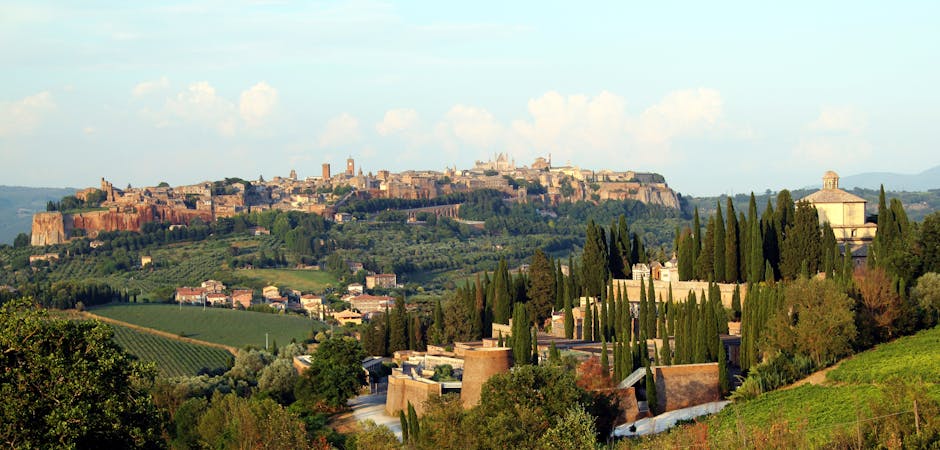
Conclusion: Travel, Learn and Bring Home the Soul of Umbria
The Umbrian Ceramics Trail is far more than a series of workshops and museums: it’s an immersion into the memory of a territory where every object tells a story. Walking through Deruta, Gubbio, Città della Pieve and Orvieto means watching gestures passed down through generations, learning the secrets of glazes, feeling the clay turn beneath a potter’s thumb and leaving with an object full of humanity. The addresses and opening hours listed in this article are practical starting points — Museo Regionale della Ceramica di Deruta (Piazza dei Consoli 4), family studios on Via Garibaldi and Via Roma, and studios in Gubbio, Città della Pieve and Orvieto — but the artisans themselves are the true guides of this trail: their welcome and availability will vary with the season and their production schedule.
Practically speaking, plan your trip by booking workshops in advance, budget for shipping if you intend to buy fragile pieces, and check seasonal hours (many studios close or reduce hours in January–February). Also consider logistics: some lanes are narrow and parking near historic centers can be limited; use designated car parks and walk to soak up the atmosphere. Finally, respect artisans’ work: take photos only with permission, don’t touch without being invited, and prioritize buying locally to support village economies.
Ultimately, the Umbrian Ceramics Trail offers memorable encounters and pieces that will stand the test of time. Whether you bring home a small hand-painted dish, a decorative tile or a large vase, each object bears witness to a living craft. Take the time to listen to potters’ stories, join a workshop, and let the simple beauty of majolica guide your discovery. Your journey through Umbria will be more than tourism: it will become a string of artistic, human and aesthetic experiences, and every piece you bring home will keep telling the story of the hills, squares and hands that shaped it.