





Introduction: Raku Ceramics in Umbria — Fire, Clay and Spectacle
Umbria, often called the green heart of Italy, is famed for amber hills, medieval towns and a deep artisanal tradition. Among the arts that flourish here, ceramics hold a special place: from the centuries-old workshops of Deruta to small artist studios around Perugia, clay is shaped, decorated and turned into objects that tell local stories. Raku — the Japanese technique of rapid glazing and firing — has been embraced and adapted by Umbrian potters, who bring Mediterranean motifs, pigments and sensibilities to the process. This article is a hands-on, immersive guide for anyone who wants to experience raku in Umbria: visit museums, watch demonstrations, join workshops or simply understand this blend of fire, clay and theatre.
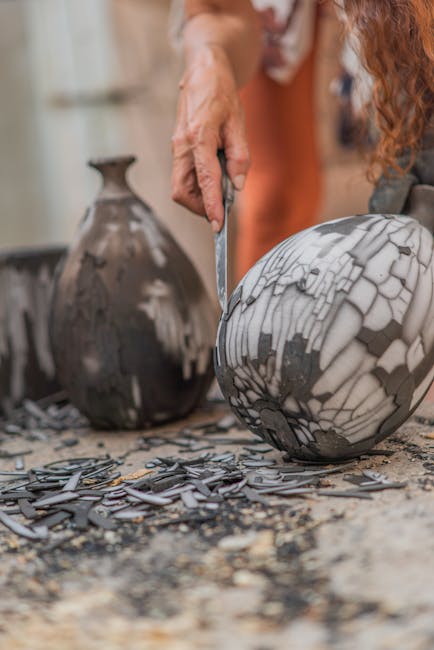
Raku stands out because the work is fired at very high temperature and then immediately reduced — the glowing piece is pulled from the kiln and plunged into combustible materials (straw, sawdust, paper), producing crackled, metallic, irregular surfaces full of contrast. In Umbria, studios often merge Western methods with Japanese influence: potters use local clays and regional oxides to create unique pieces that call to mind olives, stone and sun-baked earth. Beyond technique, raku is performance: the instant a red-hot piece meets air and organic matter is dramatic, visual and audible. For visitors it’s a full sensory experience — heat, the smell of burning wood, metallic sparks and surprising textures to touch.
This guide aims to be both practically useful (addresses, opening hours, prices) and inspirational: where to see historic pieces, where to book a raku workshop, what safety rules to follow, and local tips to get the most from your visit. I list specific places — museums, schools, artisan studios — including exact addresses, typical opening times and usual entry or participation fees where available. Note: hours and prices can change with the season and events, so it’s wise to check official sites or call ahead before you go.
Finally, a raku trip in Umbria is more than workshops. It includes discovering the landscape, red-brick kilns perched on hills, local markets selling pigments and tools, and meeting artisans who share the story of their craft. Whether you’re a beginner potter eager to throw your first raku cup, a photographer hunting for shots of fire and ash, or a curious traveler, this guide gives you the keys to plan one or several days devoted to fire and clay in the heart of Italy.
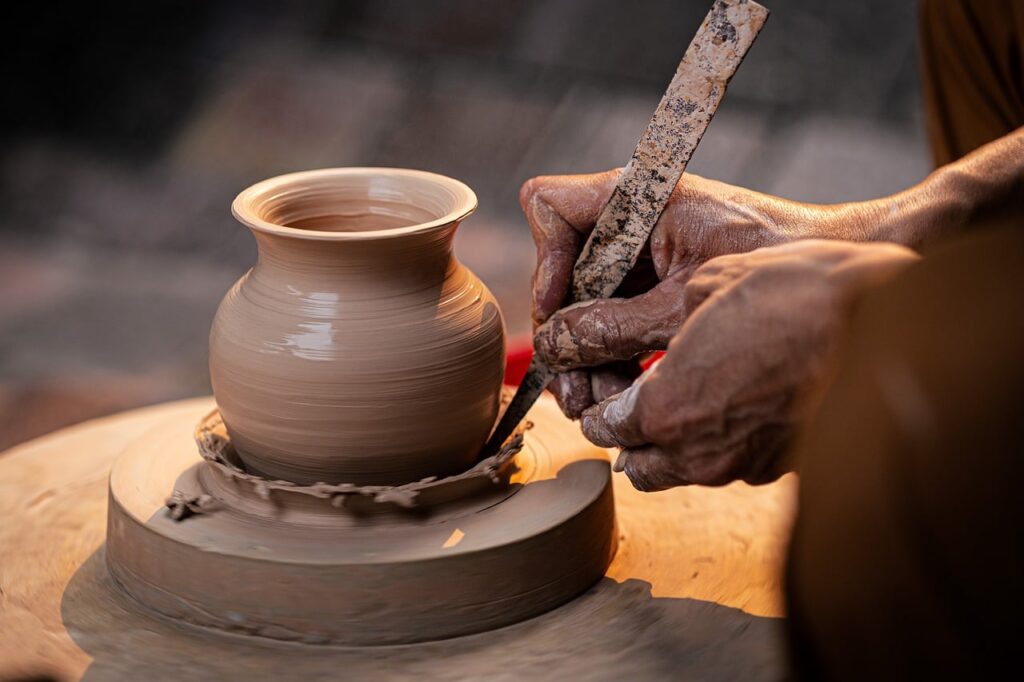
Deruta: the historical ceramics capital, museums and raku workshops
Deruta is the almost compulsory starting point for anyone wanting to understand Umbria’s ceramic tradition. Just 20 km southeast of Perugia, Deruta has concentrated exceptional know-how since the Renaissance. Start at the Museo Regionale della Ceramica di Deruta, housed in a historic building, to place the tradition before observing the innovations brought by contemporary raku.
- Museo Regionale della Ceramica di Deruta — Piazza dei Consoli, 9, 06053 Deruta PG, Italy. Admission: €6.00 (full price); reduced: €4.00 for students and seniors. Opening hours: Tuesday–Sunday 10:00–18:00, closed Monday. Description: the collection displays medieval and Renaissance pieces, decorated plates, flasks and majolica. Informational panels help you trace the evolution of glazes and motifs. A visit of about an hour gives excellent historical context for raku.
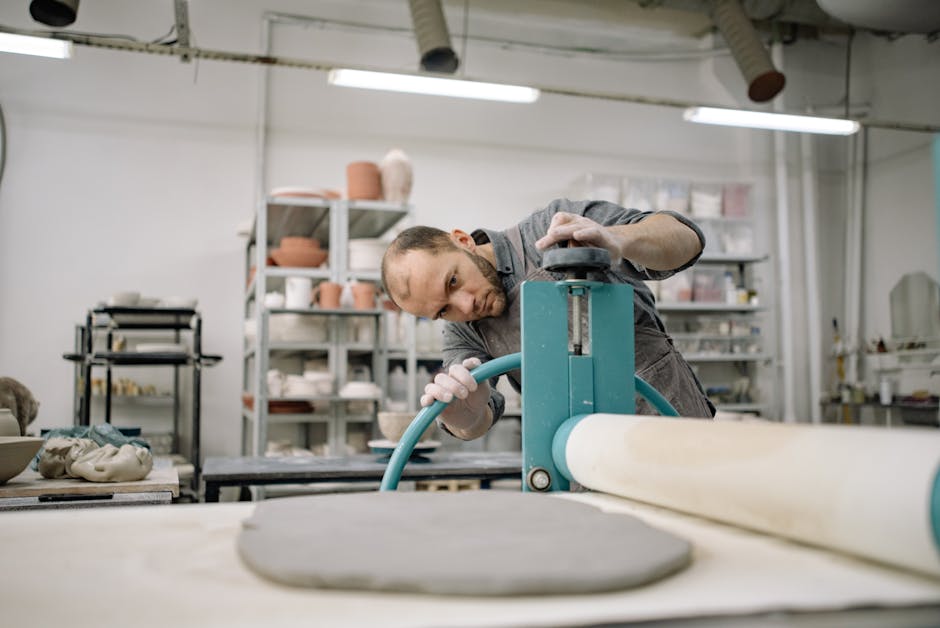
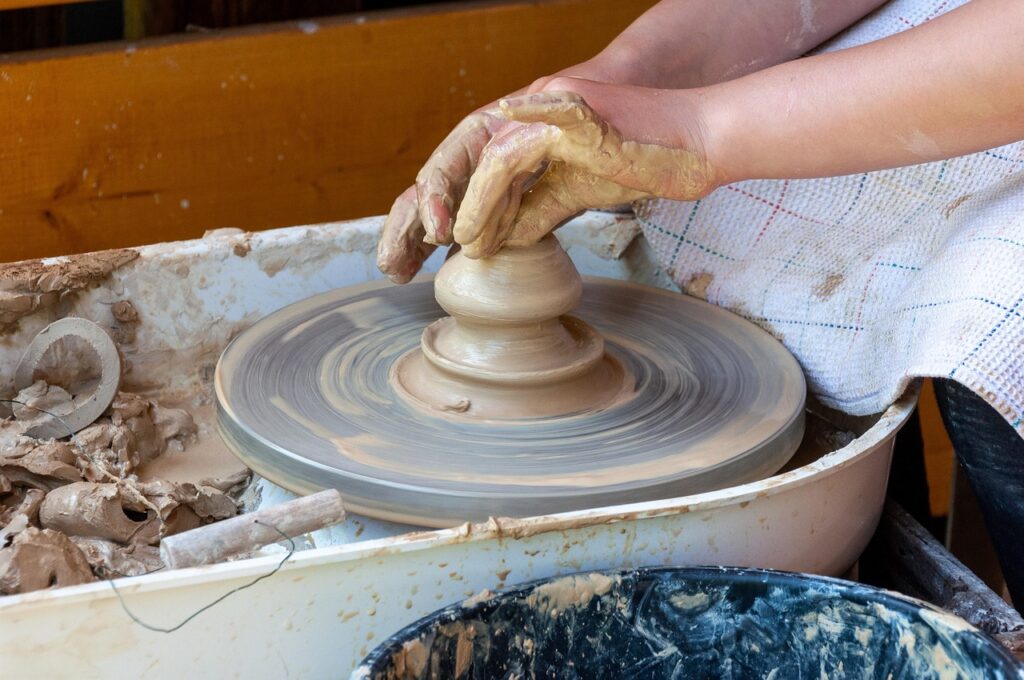
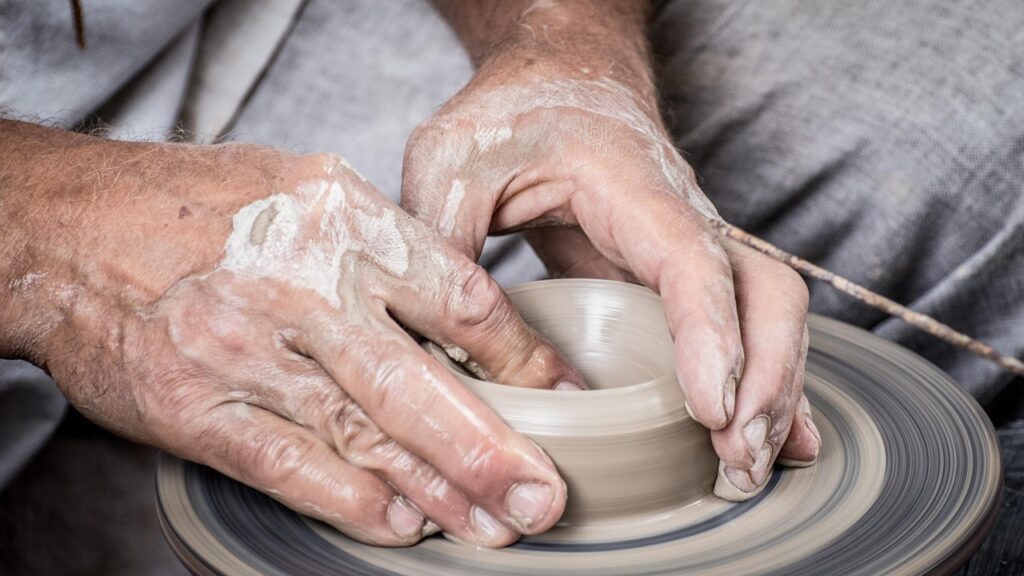
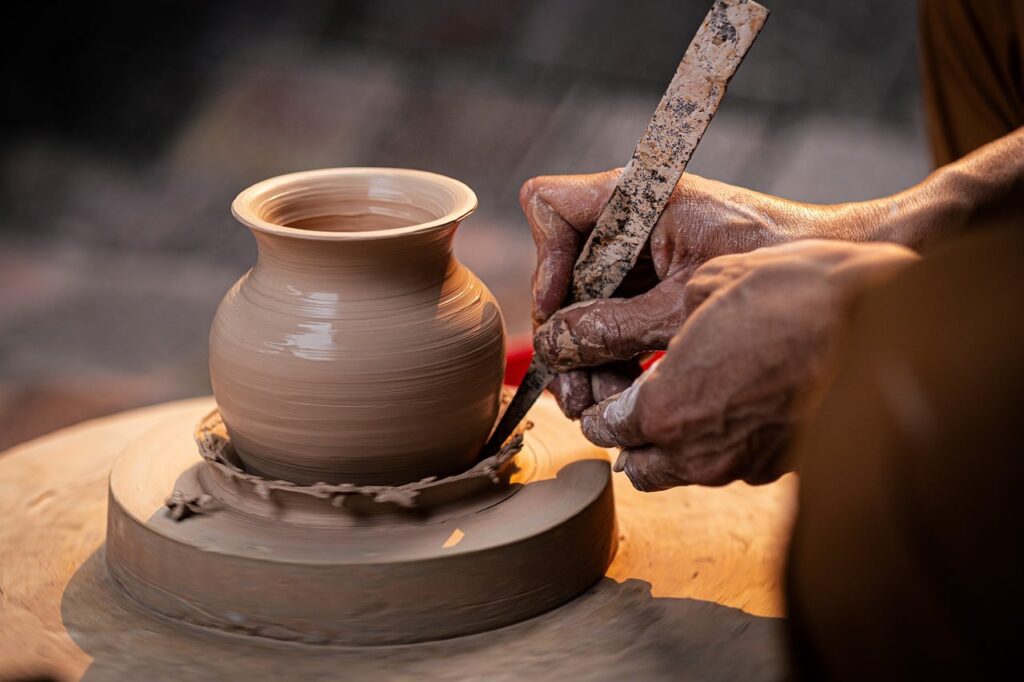
After the museum, head to the local glazing workshops and contemporary studios. Several Deruta artisans offer raku workshops from half-day sessions to two-day courses. These usually include clay preparation, wheel-throwing or hand-building, the first firing (bisque), glazing, then raku firing and reduction. Prices vary by format:
- Introductory raku workshop (half-day): around €65–€90 per person (materials and firing included).
- Full-day workshop: €120–€180 per person (includes multiple pieces, glazing and raku firing).
- Residencies and intensive courses (3–5 days): €400–€900 depending on the master, sometimes with accommodation included.
Example workshops and studios in Deruta (contact to book and confirm):
- Officina Ceramica Deruta — Via Mazzini, 3, 06053 Deruta PG. Demonstration studio, open by appointment. Raku workshop rate: €80 (half-day). Hours: by appointment, typically 09:00–13:00 and 15:00–19:00.
- Studio Artistico Pagliai — Via Guglielmo Marconi, 12, 06053 Deruta PG. Offers private workshops and public demonstrations during local festivals. Indicative rate: €100 for a 4-hour session.
Local tips: book ahead — especially in high season (April–October). Bring clothes you don’t mind getting dirty (clay splashes) and closed-toe shoes for firing demonstrations. Weather matters: in summer, prefer morning or late-afternoon demonstrations to avoid the intense heat near kilns.
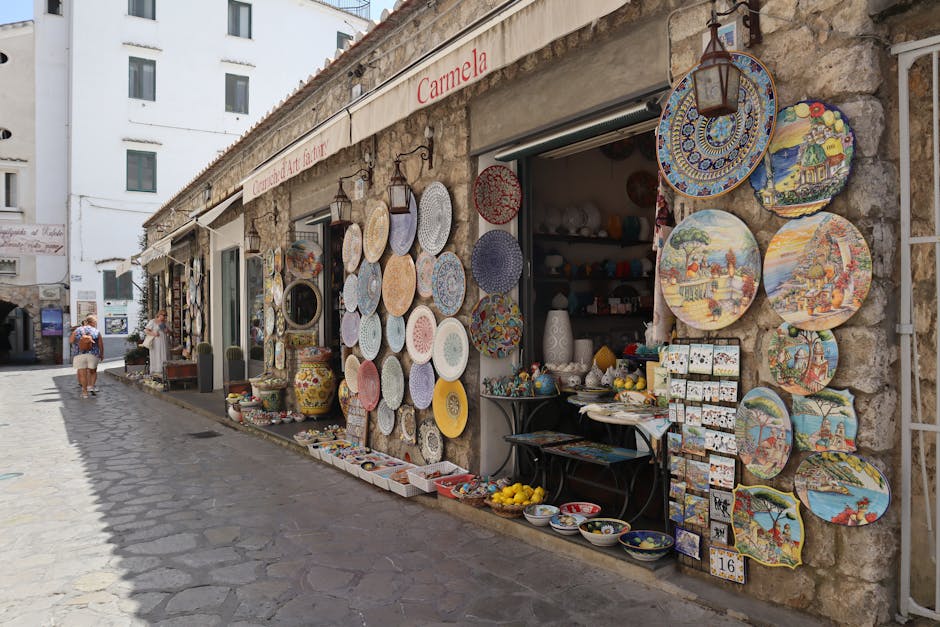
Perugia and surroundings: art schools, urban workshops and raku nights
Perugia, Umbria’s regional capital, is a cultural and university hub where contemporary ceramics meet international audiences. The city hosts art schools and collectives that run occasional raku workshops, often paired with a guided tour of kilns and a tasting of local olives and wines after the firing — a convivial moment much appreciated by participants.
- Scuola d’Arte Ceramica Perugia – Atelier Comune — Via del Macello, 22, 06121 Perugia PG. Rates: short workshops (3 hours) €50–€70, full session (6 hours) €120. Hours: Monday–Saturday 09:00–13:00 & 15:00–19:00; reservation required. Description: offers throwing, slips and raku classes. Instructors are sometimes bilingual Italian/English on select weeks.
- Studio Ceramico La Fornace — Strada della Fornace, 5, 06132 Perugia PG. A professional studio with a mobile raku kiln. Public demonstration fee: €10–€15 (admission); practical workshops: €80–€160 depending on duration. Demonstration times: often the first Saturday of the month at 17:00 during the cultural season.
Universities and cultural centers sometimes host « raku nights » — evening events where pieces are fired late and reductions are done in front of the public. These events are dramatic: bursts of flame, sparks, then the quiet reveal of the pieces. In Perugia, the Centro Culturale La Sapienza (Via della Sapienza, 8, 06121 Perugia PG) has hosted occasional raku events — check the local calendar for exact dates. Price: free entry or a small fee (€5–€10) depending on the organizer.
Practical tips: if you’re a photographer, bring a tripod and filters; the red glow of heated pieces and smoke create striking contrasts. Follow safety instructions: don’t approach hot pieces without gloves, keep children at a safe distance, and listen to kiln operators. Also, combine your visit with the Perugia municipal market (Via Ulisse Rocchi, 06121 Perugia PG) to buy tools, heat-resistant gloves and oxide pigments if you want to continue experimenting at home.
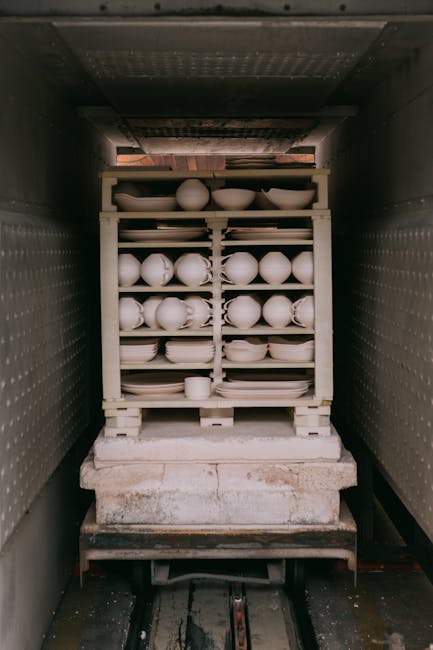
Todi, Orvieto and rural studios: raku in the Umbrian landscape
Outside the urban centers, raku takes on a more picturesque character. Kilns are often set in small villages or restored farmhouses, surrounded by olive groves and valley views. Todi and Orvieto host potters who run outdoor residential courses, combining accommodation, local cooking and sunset raku sessions.
- Atelier Ceramico Todi — Via della Rocca, 7, 06059 Todi PG. 2-day residential workshop: €220 (shared-room accommodation, local meals and 2 raku sessions included). Hours: morning sessions 09:00–12:30; firing sessions 17:00–21:00. Description: course focused on making bowls and vases, night-time raku on a panoramic terrace.
- Studio Ceramico Orvieto — Via Soliana, 14, 05018 Orvieto TR. One-day workshop: €140 (includes forming, glazing and raku). Hours: weekend workshops 10:00–17:00; public demonstrations during the Fiera di San Leonardo. Description: studio set in a former vaulted cellar, using local clays and oxides for metallic patinas.
These rural studios are ideal for « sunset raku » sessions: late-afternoon firings where the Umbrian sky becomes a backdrop for flames and smoke. Courses often include food tips — simple menus based on local olive oil, seasonal vegetables and Umbrian red wines — so the experience feels rooted in the local terroir.
Country tips: bring a headlamp for night firings, heat-resistant gloves and a windbreaker (smoke and night air can be cool even in summer). Also bring non-slip shoes for walking on uneven stone and slab areas around kilns. Respect the environment: don’t use plastic scraps or polluting materials in reductions — responsible studios favor wood shavings and biodegradable materials.
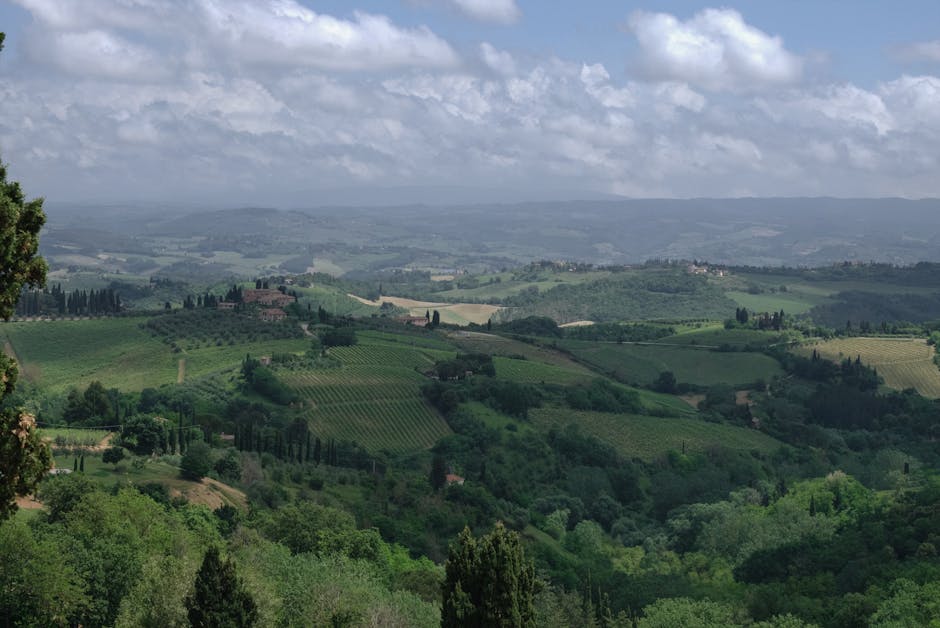
Practical: how to book, what to bring, safety and photography tips for raku
Taking part in a raku session in Umbria is thrilling but requires planning. Here’s a practical checklist and recommendations based on local studio practices.
- Booking: nearly all workshops require advance booking — by phone or email. Confirm 7–14 days ahead in high season (April–October). Specify the language of instruction (Italian/English) if needed.
- Typical costs: discovery half-day workshop €60–€100; full day €120–€180; residential courses €220–€900. Price generally includes clay, glaze, firing and sometimes a limited number of finished pieces. Extra fees may apply for large works or shipping if you can’t collect pieces in person.
- What to bring: old or work clothes, closed-toe shoes, heat-resistant gloves (some studios provide them), camera (if allowed), notebook and pencils. Also bring a towel and bags to carry dry pieces.
- Safety: don’t approach pieces without instruction, wear eye protection and gloves when handling hot items, and respect the safety perimeter around the kiln. Never inhale reduction fumes directly; responsible studios set the reduction area apart and ensure good ventilation.
- Shipping: if you can’t take fragile work home, most studios offer a shipping service within Europe. Estimated cost: €25–€70 depending on size/weight. Professional packing is often charged extra (€10–€30).
Photography tips for raku:
- Use a tripod for night firing scenes and moving smoke.
- Set white balance for warm light (tungsten or manual setting) to avoid an overly red cast.
- Focus on texture: close-ups of crackle, metallic reflections and reduction residues.
- Always ask the potter’s permission before shooting up close — some studios restrict photography for safety or intellectual property reasons.
Markets, shops and souvenirs: where to buy raku pieces and materials
To extend the experience, Umbria is full of shops and markets where you can buy raku pieces, tools and materials: pigments, brushes, wooden handles and gloves. Here are some recommended shops and markets.
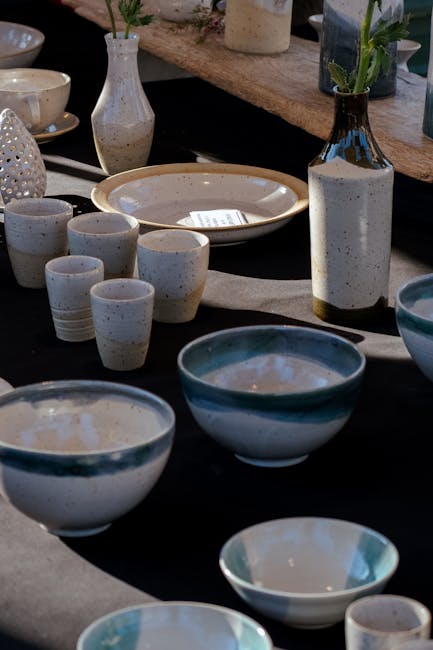
- Bottega Ceramica Deruta — Corso Vittorio Emanuele II, 45, 06053 Deruta PG. Hours: 09:30–13:00 & 15:30–19:30. Sales: raku pieces, decorated plates and tiles. Indicative prices: small raku cups €25–€45, medium bowls €50–€120, unique vases €150–€600 depending on the artist.
- Mercato delle Arti, Perugia — Piazza IV Novembre, 06121 Perugia PG (occasional market during cultural events). Free entry. Products: small handcrafted raku pieces, tools and pigments. Prices vary by artisan; haggling is common but polite.
- Emporio Artigiano Orvieto — Via del Duomo, 3, 05018 Orvieto TR. Hours: 10:00–19:00. Small selection of local raku and gifts. Prices: souvenirs €10–€40, artistic pieces €80+.
Buying tips: check the quality of firing (no structural cracks, intentional glaze craze but not destructive), ask about the clay origin and technique (raku, rakù, reduction firing), and look for the maker’s stamp or signature. For a lasting souvenir, favor properly vitrified pieces bought directly from reputable studios.
Conclusion: between tradition and innovation, experience raku in Umbria
Raku practice in Umbria is a rich meeting point between tradition and innovation. Villages like Deruta let you appreciate the legacy of majolica and centuries-old techniques, while Perugia and rural studios offer contemporary, spectacular experiences. Raku turns pottery into performance: a controlled burst of fire and matter where unpredictability is celebrated. The museums, schools and studios listed in this guide — Museo Regionale della Ceramica di Deruta (Piazza dei Consoli, 9, 06053 Deruta PG), workshops in Perugia (Via del Macello, 22; Strada della Fornace, 5), rural studios in Todi (Via della Rocca, 7) and Orvieto (Via Soliana, 14) — give concrete starting points to build your itinerary.
Plan to book in advance, wear suitable gear, and embrace artistic chance: raku sometimes delivers stunning surprises and sometimes imperfect results, but always pieces with character. To bring a piece of Umbria home, buy directly from artisans and ask about professional shipping. Finally, leave room in your schedule for tasting local produce and soaking in the scenery — raku is best savored after a simple meal of olive oil, warm bread and regional wine.
If you’d like a personalized itinerary (1 day in Deruta, 2 days Perugia/Todi, or an intensive 3–5 day course including accommodation), I can prepare a detailed plan with direct contacts, useful links and sample emails in Italian to book your workshops. Safe travels — and may fire and clay inspire you!