





Introduction — Shadows & Stone: Strolling Umbria’s Hilltop Villages
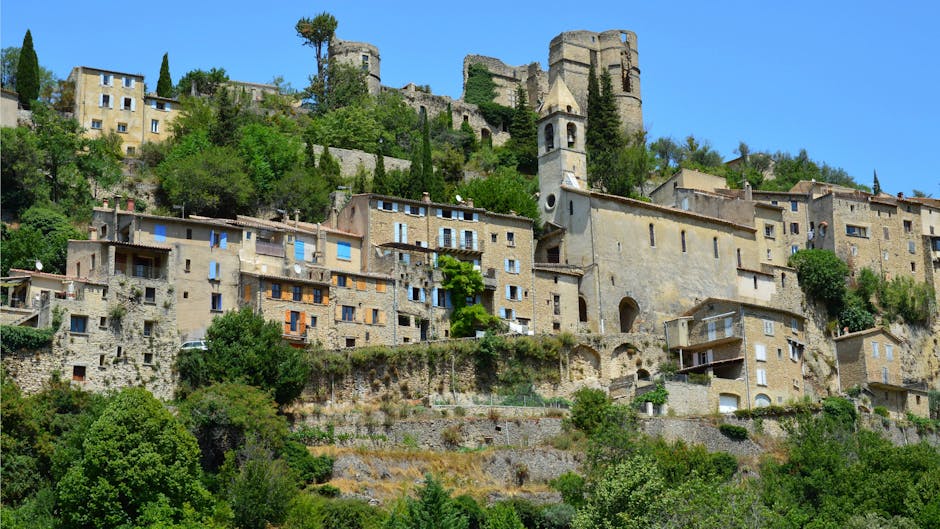
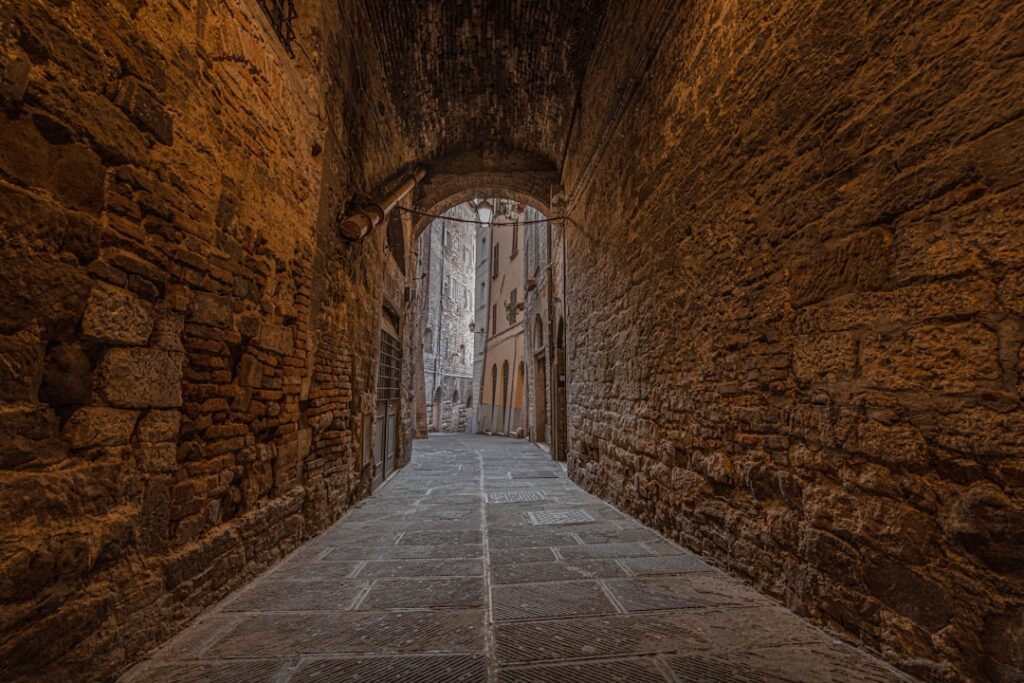
Umbria, Italy’s green heart, is a surprising tangle of hills, valleys and fortified hamlets that seem to have been placed there, stone by stone, by time itself. Wandering through these hilltop villages is a slow immersion into a world where the shade of arcades falls across sun-warmed masonry, where narrow lanes smell of basil and wood smoke, and where every piazza tells tales of faith, battle and local festivals. This kind of travel isn’t just a sequence of postcard shots; it’s a gradual descent into human geology: thick walls, studded doors, stairways that climb and drop, sudden vistas opening on cultivated plains and distant rows of cypress.
Most people picture Umbria through its two most famous poles — Assisi and Perugia — but the real treasure hides in the smaller villages where time seems to move differently. Gubbio keeps its medieval towers and ancient theater; Spello lays out flower carpets each Corpus Domini; Orvieto, perched on its tuff, shows off an unlikely Gothic façade over an endless panorama; Spoleto guards its acropolis and ramparts. At every turn, tiny churches hold frescoes by artists who are sometimes forgotten, while Renaissance palaces keep cool courtyards and shady loggias where cafés and artisan workshops cluster.
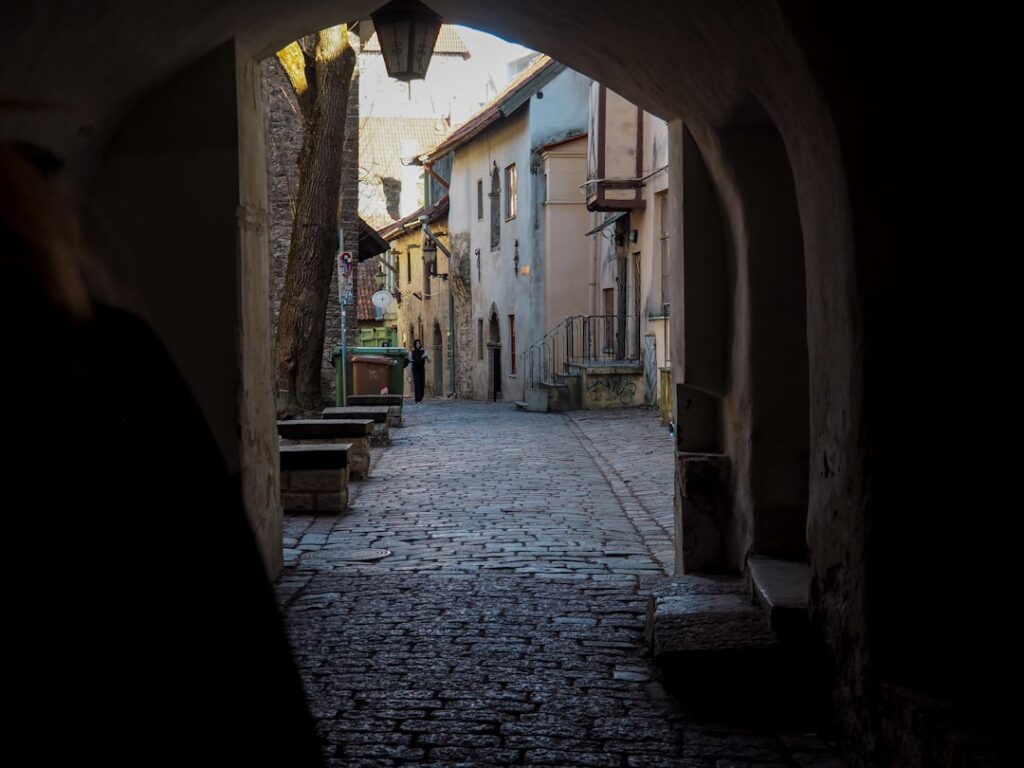
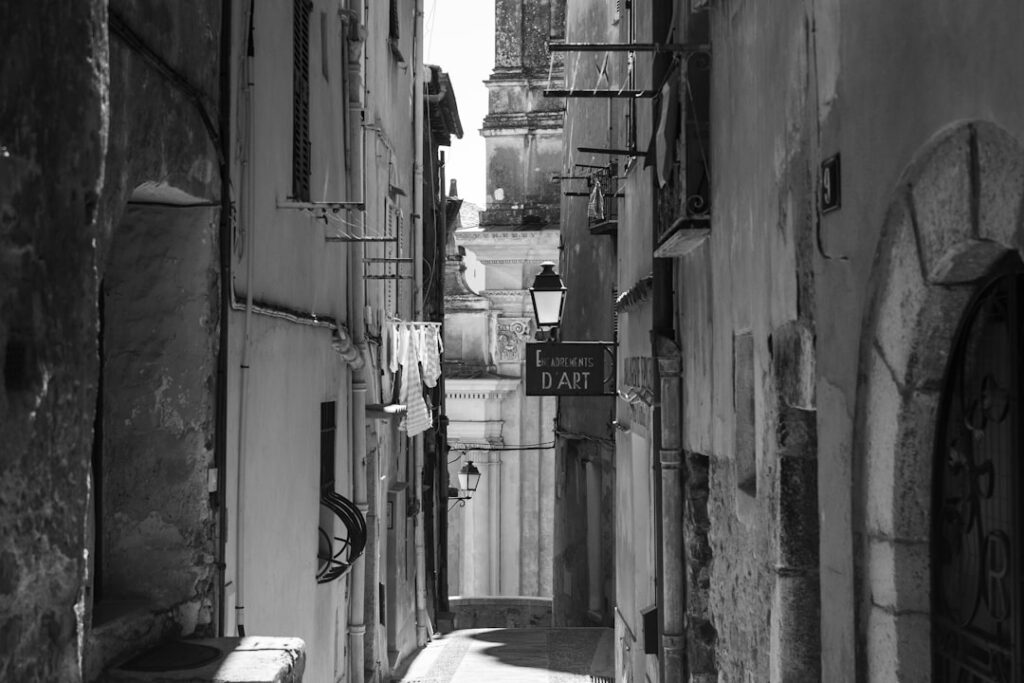
These places aren’t frozen museums: they’re living communities. You’ll run into morning markets where local producers sell fruity olive oil, pecorino cheese and Castelluccio lentils; craftspeople spinning wool or working iron; trattorie whose family recipes have been scrawled on the wall for generations. Every stone has a texture and a color that changes with the hour and the season — ochre under rain, almost white at noon, golden at sunset — and the shadow it casts is an essential part of the scene: it sculpts the relief, offers protection, invites you to stop and listen. Listen to the scrape of footsteps on cobbles, the far-off song of a campanile, a conversation rolled in the Umbrian dialect. These walks also reveal agricultural panoramas: Sagrantino vineyards, olive groves, orchards that mark the rhythm of the year.
In this article we’ll visit some emblematic hilltop villages: Orvieto, Gubbio, Spoleto and Spello. For each place I’ll outline must-see monuments (with exact addresses, opening hours and ticket guidance), suggest detailed walking routes, and share practical tips — where to grab a coffee, how to avoid the crowds, which artisan shops to favor, and which trail gives the best sunset view. Bring good shoes, a hat, and a curiosity for small details: Umbria reveals itself slowly, through shadow and stone.
Orvieto: the Duomo city and its underground caves
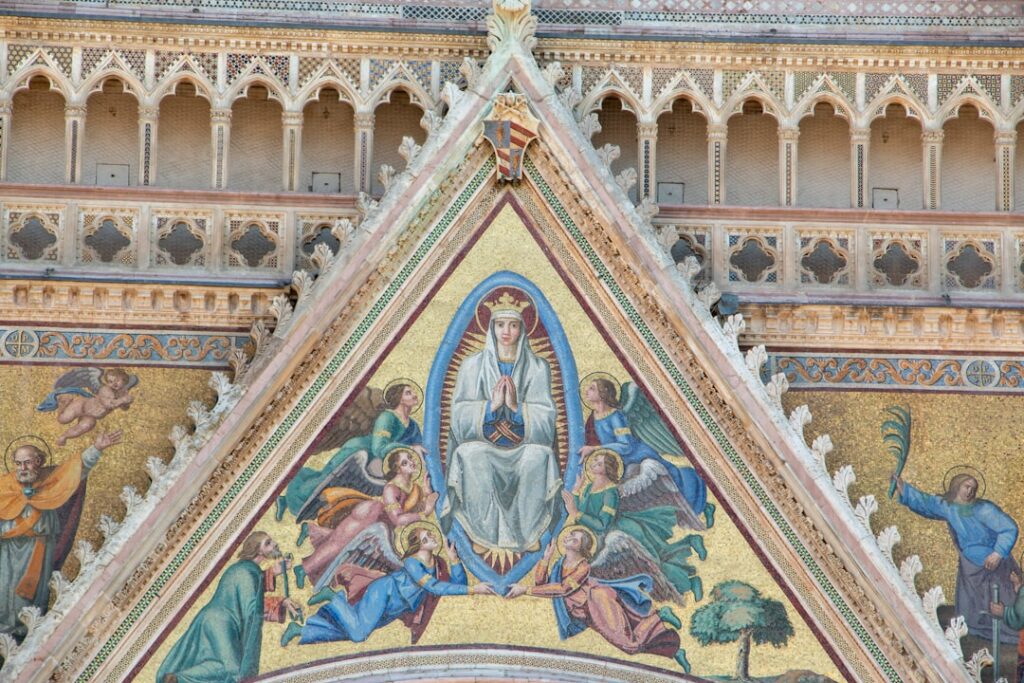
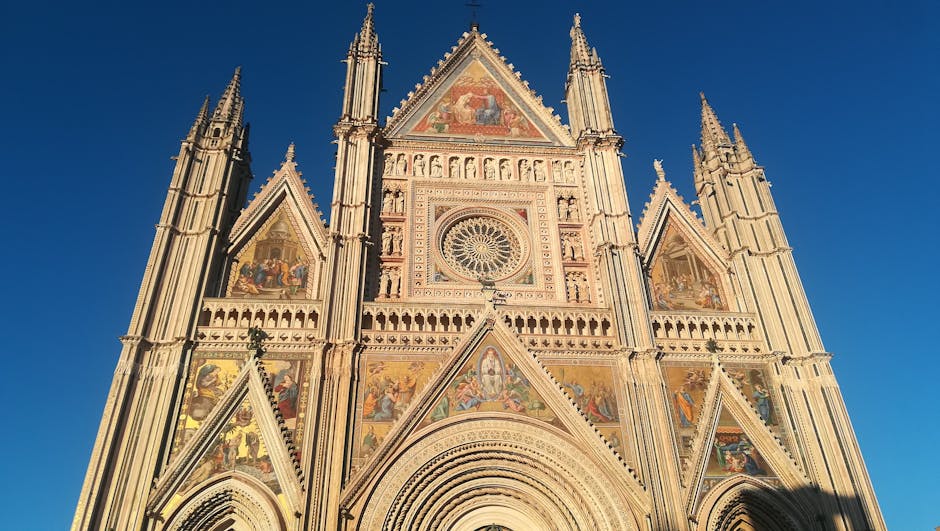
Perched on a dramatic tuff cliff, Orvieto offers a striking contrast between a spectacular Gothic façade and a subterranean maze with Etruscan roots. The indisputable symbol is the Duomo di Orvieto (Cattedrale di Santa Maria Assunta), located at Piazza Duomo, 1, 05018 Orvieto TR. The cathedral is usually open from 7:30 to 19:30 in summer and 8:00 to 18:00 in winter; access to the nave is free but visiting the Cappella del Corporale and the Museo dell’Opera del Duomo can require an entry fee (indicative prices: Museum + Chapel €6–10). For the full experience, climb the bell tower as well (sometimes closed during religious events) for a sweeping view over the plain.
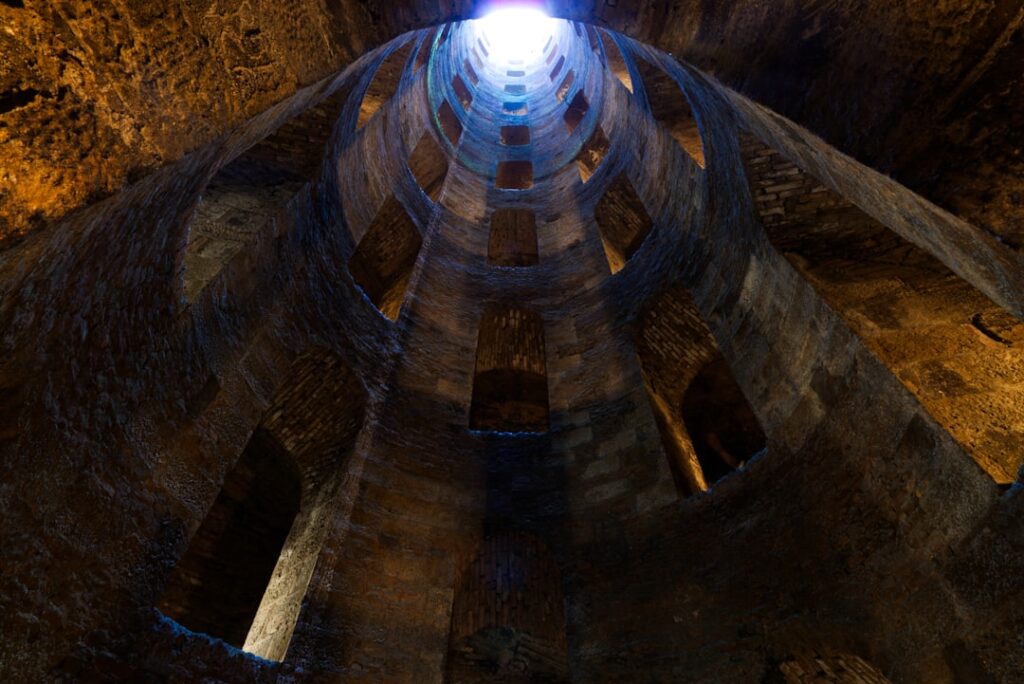
Underneath the town, Orvieto Underground (Via Roma, 1, 05018 Orvieto TR) runs guided tours through a network of cellars, cisterns and caves carved into the tuff. Tours last about 75 minutes; adult tickets €10–12, reduced €6–8, with typical hours from 9:30 to 17:30 (times vary by season). Book ahead in high season. Strolling down Corso Cavour you’ll find cafés and artisanal shops; for one of the best valley views while sipping coffee, head to the belvedere near Via della Costituente.
Practical tips: park at Parcheggio della Rupe (Piazza Cahen, 05018 Orvieto TR) if you arrive by car, then take the elevator up to the old town (elevator cost about €1.30 in 2024). If you prefer to walk, take Via della Costituente for a gentle, scenic climb. For lunch, Trattoria del Moro Aronne (Piazza della Repubblica, 10, 05018 Orvieto TR) serves local dishes — main courses typically €15–25. For a quieter moment, wander up to the Torre del Moro (Piazza del Popolo, 11), usually open 10:00–18:00, ticket around €3–5, for a panorama over Orvieto’s rooftops.
Gubbio: medieval stones and slices of history
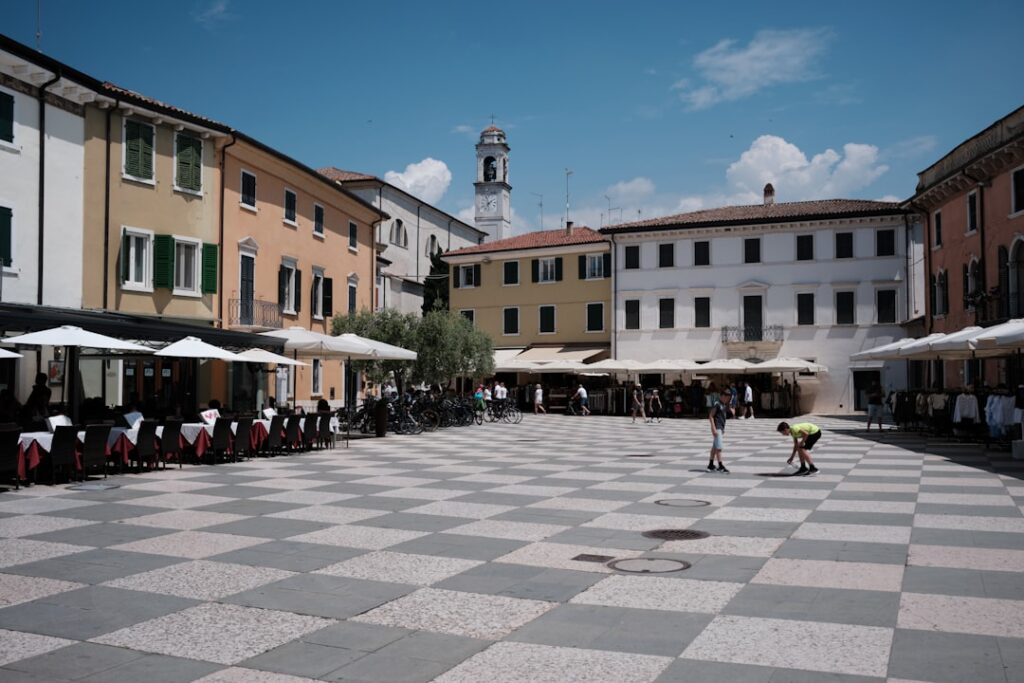
Gubbio is a perfectly preserved medieval painting tucked into the slopes of Mount Ingino. The historic center revolves around Piazza Grande, dominated by the Palazzo dei Consoli (Piazza Grande, 1, 06024 Gubbio PG). The Palazzo houses the Museo Civico (hours generally 9:00–19:00, closed some winter days), with full tickets around €6–8. Inside, the large communal hall and the treasure rooms immerse you in local history — from ancient bronzes to medieval manuscripts.
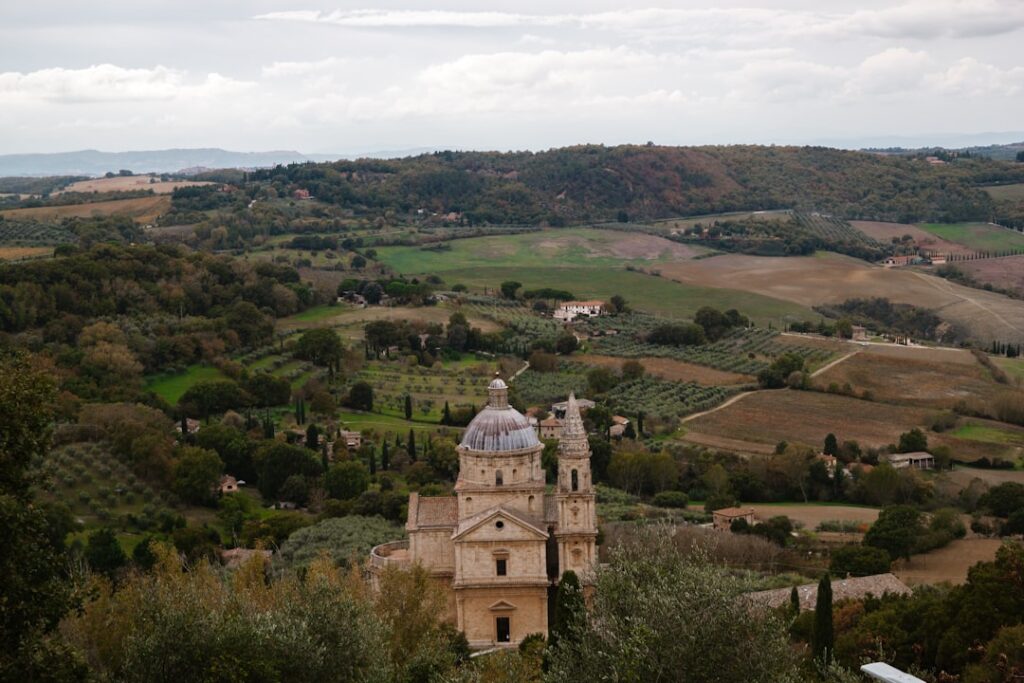
Don’t miss the Basilica di Sant’Ubaldo, perched on top of Mount Ingino. From town take the funicular (Funivia Colle Eletto, Piazzale Martiri 10, 06024 Gubbio PG) and then a short path; the basilica is generally open 9:00–18:00 and entry is free, though donations are recommended for upkeep. The climb offers views and shaded woodland — perfect for avoiding the hottest hours. Another gem is the Teatro Romano (Via della Concordia, 06024 Gubbio PG), excavated and partly restored; it’s often open 9:30–18:00 with tickets around €3–5.
Local tips: the best time to visit Gubbio is early morning for Piazza Grande, then late afternoon for the walk up to the basilica, when the light carves the stone façades. Lunch at Osteria del Teatro (Via Capovilla, 10, 06024 Gubbio PG) where a regional pasta plate costs around €10–14. If you’re here in May, seek out traditional festivals and craft demonstrations. Hikers will like the trail along the north flank of Mount Ingino, which leads to near-deserted viewpoints and ancient olive groves.
Spoleto: the acropolis, Rocca Albornoziana and high trails
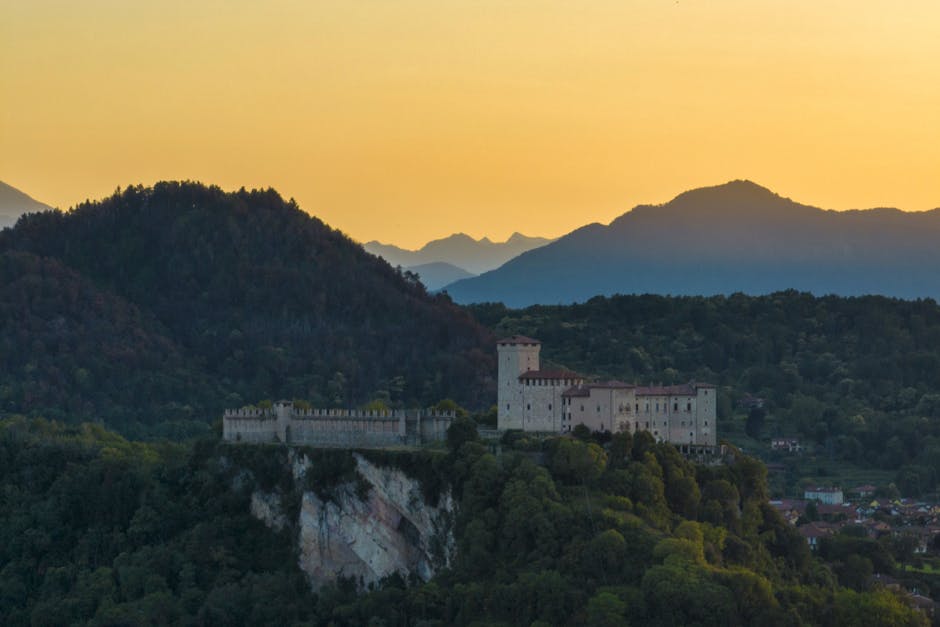
Spoleto, crowned by the dramatic Rocca Albornoziana (Piazza della Libertà, 1, 06049 Spoleto PG), blends military history with an active arts festival scene. The fortress overlooks the town and houses exhibitions and walks along the ramparts (hours vary: typically 9:00–19:00 in high season, ticket €5–8). Nearby is the Cattedrale di Santa Maria Assunta (Piazza Duomo, 06049 Spoleto PG), renowned for its 14th-century frescoes; visiting hours are usually 9:00–12:00 and 15:00–19:00, cathedral entry is free but guided visits of certain chapels may be ticketed.
The Ponte delle Torri, a medieval aqueduct spanning a deep gorge, is one of Spoleto’s iconic sights (Via Ponte Romano, 06049 Spoleto PG). The passage is sometimes closed for safety reasons but when open it’s a spectacular walk (access is free; check for closures). For a quieter immersion, wander Via delle Mura or Via Appia (historic lanes), stopping by the Teatro Romano (Via Saffi, 06049 Spoleto PG) for an exterior look and a dusk photo.
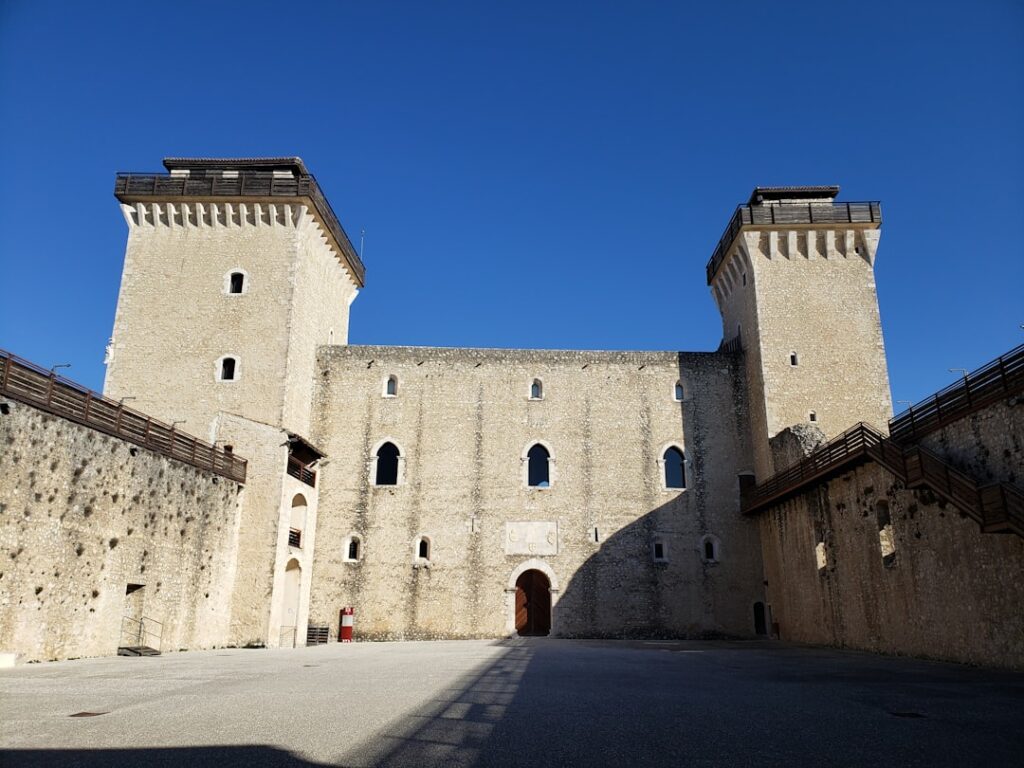
Practical advice: the Festival dei Due Mondi (June–July) fills the town with events and pushes up prices and crowds — book accommodation and tickets well in advance if you plan to attend. For a meal, Ristorante Tipico La Puntura (Via Savelli, 18, 06049 Spoleto PG) serves Umbrian specialties; mains €12–22. Trails above Spoleto toward Monteluco offer shaded walks through sacred woods and lead to the Eremo di San Benedetto (Monteluco di Spoleto, 06049 Spoleto PG); check access and visiting hours carefully (often 8:00–17:00).
Spello & Montefalco: flower carpets and Sagrantino vineyards
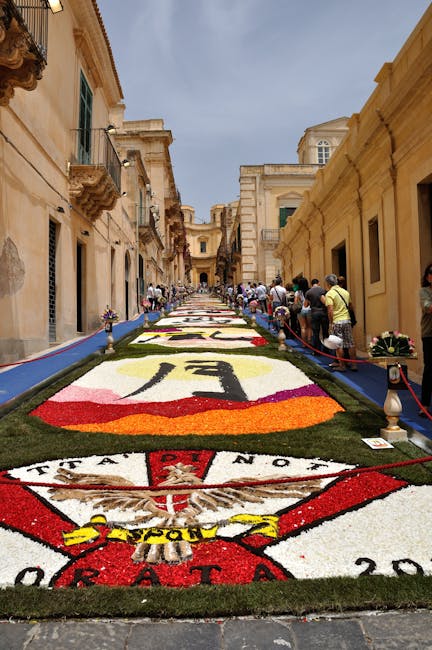
Spello is a concentrate of art and charm: its flower-draped walls and urban mosaics during the Infiorata at Corpus Domini make it a delicate stop. The Chiesa di Santa Maria Maggiore (Piazza della Repubblica, 8, 06038 Spello PG) houses frescoes and a sublime Baglioni Chapel decorated by Pinturicchio; usual hours are 9:00–12:30 and 15:00–18:30, chapel entry €3–5. Strolling along Via Cavour and Via Garibaldi reveals intimate courtyards and ancient arches.
Montefalco, nicknamed the “balcony of Umbria,” overlooks the valley and is famous for its Sagrantino wine. The central piazza, Piazza del Comune (06036 Montefalco PG), is flanked by the Museo Civico (Palazzo Comunale) and the church of San Francesco (Via San Francesco, 06036 Montefalco PG), which displays remarkable frescoes from the 13th–16th centuries; usual hours 9:00–17:00, museum tickets €4–7. Wine lovers should visit Cantina Arnaldo Caprai (Via G. Santi, 2, 06036 Montefalco PG) and Cantina Scacciadiavoli (Via del Macello, 06036 Montefalco PG) for tastings and tours (tastings €10–25 depending on the package; advance booking recommended).
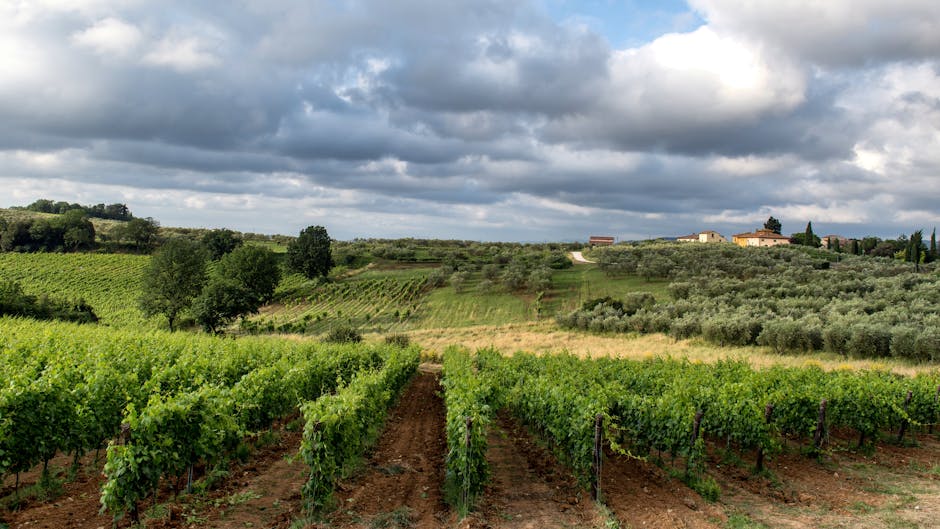
Tips: combine Spello and Montefalco in a single day by car — roughly a 25–30 minute drive — to pair shady strolls with wine tastings. For a country-style lunch, try Osteria del Teatro in Spello (Via Giulia, 12, 06038 Spello PG), mains €12–18. In late afternoon, hunt for viewpoints in Montefalco (Via XIV Settembre) for a sunset over Umbrian hills and the neat rows of vineyards.
Conclusion — Walk to feel the soul of stone and shadow
Umbria’s hilltop villages don’t reveal themselves at a glance: they demand slowness, attention and curiosity. Each place — Orvieto, Gubbio, Spoleto, Spello, Montefalco — has its own story, nourished by centuries of history, art and everyday gestures. Stone here is language; shadow, an accomplice. Roaming the lanes you realise these buildings, piazzas and sightlines were designed to withstand seasons and people, to offer cool refuges in summer and gathering points when cold comes. The opening hours and prices mentioned in this article are meant as guidelines: they change with the season and local events, so check official sites or call ahead before booking guided tours or tastings.
To prepare your trip, a few practical recommendations: bring grippy-soled shoes — the cobbles and steps are often uneven — and carry a small reusable water bottle: town fountains are common and the water is drinkable. If you’re driving, choose a smaller vehicle; many public parking lots (Parcheggio della Rupe in Orvieto, Piazzale Martiri in Gubbio, peripheral car parks in Spoleto) help you avoid driving through the historic centers. Carry some euros in cash for small purchases from artisans and for certain museums where the ticket desk may be limited. Finally, time your visits for the coolest parts of the day: early morning and late afternoon not only give you better light for photos, but longer shadows and a more intimate atmosphere.
Ultimately, walking through these hilltop villages is a lesson in quiet Italianità: it teaches you to notice the transitions between stone and landscape, to appreciate simple gestures — sorting olives, fixing a roof, dressing a window — and to recognise that beauty often grows from patient continuity rather than sudden spectacle. Leaving Umbria, you carry with you the memory of contrasts — dense shadow and sun-baked stone, the silence of a lane and the resonance of a bell — and the desire to return to hear more stories carved into the rock.