





Introduction: Meditation at the Sacro Convento — peace and quiet in the heart of Umbria
Perched on Umbria’s green hills in Assisi, the Sacro Convento (the Sacred Convent of Saint Francis) is more than just a monastery: it’s a place where history, faith and inner searching meet. For travelers seeking silence and meditation, the Sacro Convento provides an ideal setting — a rare mix of architectural beauty, contemplative atmosphere and spiritual practice that invites reflection. Here, the walls carry the memory of Saint Francis of Assisi, his life of humility, famous frescoes and the Franciscan tradition that has deeply shaped Italian culture and Christian spirituality. This article is a practical, immersive guide to planning an authentic meditation experience at the Sacro Convento, with exact addresses, opening hours, prices and local tips to make the most of this sanctuary of calm.
Meditation inside and around the Sacro Convento takes many forms: quiet in the Basilica of Saint Francis, walking meditation in the cloister, guided retreats within the convent, or solitary practice facing Umbria’s vistas. Every corner — from the dark, reverent crypt to the gardens overlooking the valleys — invites you to slow down, listen and breathe. The distant toll of bells, the rustle of leaves and the soft light filtering through stained glass become active elements of the practice. For international visitors, Umbria also offers tranquil rural scenery, stone villages and simple cuisine that deepen the feeling of beneficial disconnection.
In this piece I’ll cover not only practical details (exact addresses, prices in euros, opening times), but also short meditation sequences, recommendations for specific spots inside the Sacro Convento — like the Upper Basilica, Lower Basilica, the Franciscan cloister, the convent library and the brothers’ cells — and tips on observing local rules (dress code, silence, photography restrictions). Whether you come for a day of silence or a longer retreat, I’ll suggest meditation routines, timing ideas by season, and advice for low-stress lodging and transport.
Finally, I’ll share hands-on local tips: how to get here from Assisi’s train station, where to park, what meals to favor before a meditation session, and how to book a retreat at the Sacro Convento. The goal is a complete, respectful guide that turns your visit into a memorable inner journey. Prepare to slow your tempo, leave everyday bearings at the door, and discover the power of silence in one of Italy’s key spiritual sites.
The Sacro Convento and the Basilica of Saint Francis: description and practical information
The Sacro Convento sits right next to the famous Basilica di San Francesco d’Assisi, a UNESCO World Heritage religious complex. Exact address: Sacro Convento, Piazza San Francesco, 2, 06081 Assisi PG, Italy. The Basilica di San Francesco is split into two distinct levels — the Upper Basilica (Basilica Superiore) and the Lower Basilica (Basilica Inferiore) — each rich in frescoes and spiritual atmosphere. The frescoes by Giotto and Cimabue, among others, are powerful visual anchors for meditation, where pictorial storytelling helps focus the mind.
Opening hours (indicative — check before you go as they may change): Upper and Lower Basilica typically open daily from 7:00 to 19:00. The Sacro Convento (reception and offices): 6:30 – 20:00. Religious offices, including Lauds and Vespers, take place daily: Lauds (around 7:00-7:30), the main Mass and Vespers usually in the late afternoon (around 17:00-18:30). Access to some parts of the Basilica (for example the tomb/crypt of Saint Francis) may be subject to specific visiting hours and rules.
Fees: access to the Basilica is free, though donations are recommended. Visiting the Museo e la Tomba di San Francesco (the museum area and tomb) may require a combined ticket of around €3–8 depending on options (2024 indicative rates). Paid guided tours are available: expect roughly €10–20 for a group tour. If you want to take part in a retreat or stay at the Sacro Convento, accommodation prices vary widely: simple shared rooms can start around €35–60 per night on a basic board basis, while guided retreats including full board and sessions range from about €120 to €400 for multi-day programs depending on the offer.
Access and contact: from Assisi station (Piazza Matteotti 1, 06081 Assisi PG) you can take a local bus or walk uphill to reach the Sacro Convento. Recommended parking: Parking San Francesco (Parcheggio San Francesco, Via San Francesco d’Assisi) nearby, daily rates vary (usually €5–10 per day). Sacro Convento phone: +39 075 812 104 (to be verified); email contact is usually available via the official Basilica di San Francesco website.
Practical tip: respect silence in worship spaces and cloisters. A modest dress code is required (shoulders and knees covered). Avoid noisy bags and set your phone to silent. If you plan to photograph, check first: photography may be restricted in some areas (notably to protect frescoes and preserve the contemplative atmosphere).
Structured meditation: locations, timings and recommended sessions at the Sacro Convento
To get the most from the Sacro Convento for meditation, it helps to plan sessions that fit the available spaces and the monastery’s rhythm. Below are concrete suggestions for daily practices or for a day retreat: morning meditation at Lauds, walking meditation in the cloister at midday, silent contemplation in front of a fresco, and an evening meditation in the crypt or chapel. Each spot has a particular quality that supports a specific meditative technique.
Morning meditation: Lauds and mindful breathing
Ideal time: between 7:00 and 8:30. The day at the Sacro Convento often begins with Lauds, a communal prayer that creates a calm soundscape (Gregorian chant, readings). Sit in the Upper Basilica in a discreet corner, or in the cloister if weather permits. Technique: 20 minutes of mindful breathing (inhale for 4 counts, hold 2, exhale 6), followed by 10–15 minutes of attentive listening — tune into the chant, the echo of footsteps, outside sounds. This sensory grounding strengthens presence and aligns well with the monastic liturgy.
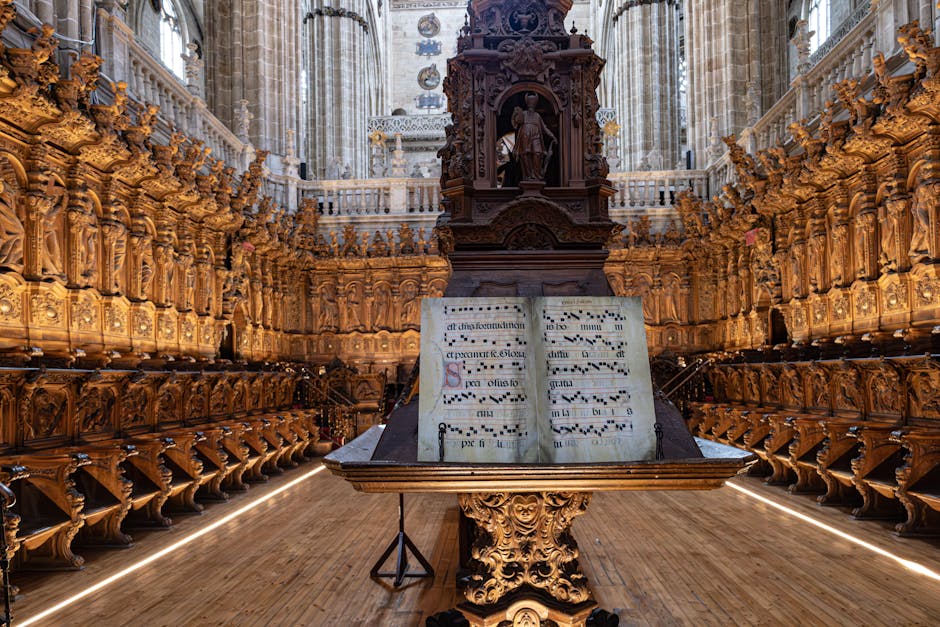
Tip: arrive 15–20 minutes before the prayer to settle in, relax and avoid last-minute movement. If you prefer not to attend the service, do your practice quietly in the cloister.
Midday meditation: walking meditation in the cloister
Ideal time: 12:00–14:00. The Sacro Convento cloister is well suited for walking meditation. Technique: walk slowly, sync your steps with your breath, notice bodily sensations and the surroundings (smells, textures, sunlight on the stones). Duration: 20–30 minutes. Walking meditation is perfect after a tourist visit when you need to recenter.
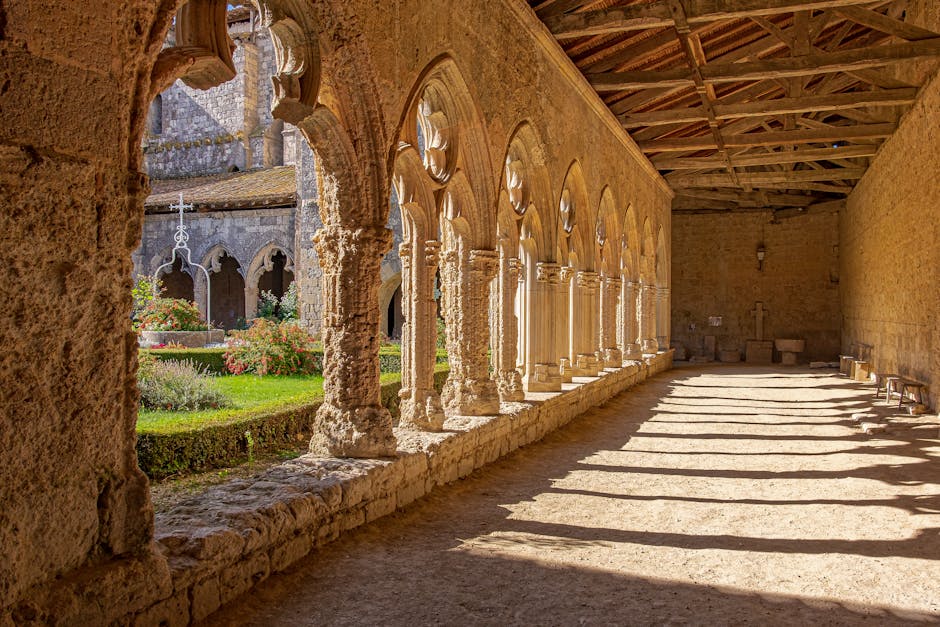
Practice: keep a steady, unhurried pace, allow your gaze to wander without clinging, and focus on the contact of your foot with the ground. If the cloister is busy, adjust your route or change the timing.
Evening meditation: silence and contemplation before the frescoes
Ideal time: 17:00–19:00, often around Vespers. Sit before a fresco (for example a scene from Saint Francis’s life) and practice contemplative meditation: study the details, let the painted story stir inner responses, then return to the breath. Duration: 30–45 minutes. This practice is deep because it blends sacred art with inner absorption.
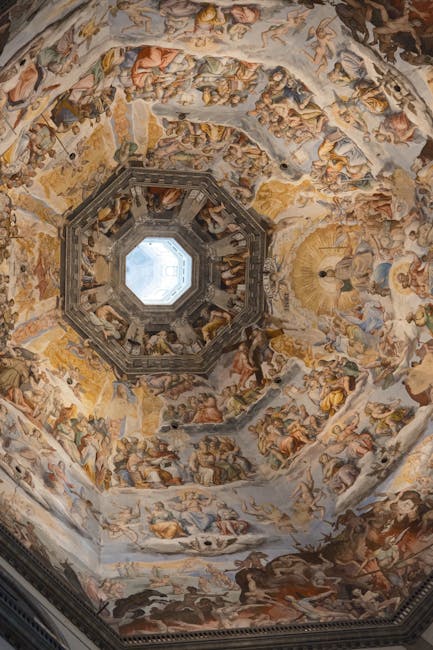
Practical note: the Basilica can be busier in high season (April–September); favor low season (autumn and winter) for quieter sessions. Dress in layers: the interior can feel cool even in summer.
Retreats and accommodation at the Sacro Convento: booking, prices and programs
The Sacro Convento offers several options for those who want to extend their meditation stay: simple nights in guest monastic cells, themed guided retreats (silence, prayer, Christian meditation) and tailored programs for groups. The booking address for accommodation and retreats is usually the same: Sacro Convento, Piazza San Francesco, 2, 06081 Assisi PG — reservations through the convent switchboard or via the official website of the Basilica di San Francesco e del Sacro Convento.
Indicative rates (2024): simple accommodation in a shared dormitory or triple room from €35 per night on a basic board (bed and breakfast), single rooms with full board around €60–90 per night depending on season. Organized retreats (weekend 2–3 days): €120–300 per person, including full board and guided sessions. For longer or private retreats prices are available on request. Some programs include frugal meals, spiritual teachings, silence workshops and individual accompaniment by a Franciscan brother or a lay facilitator.
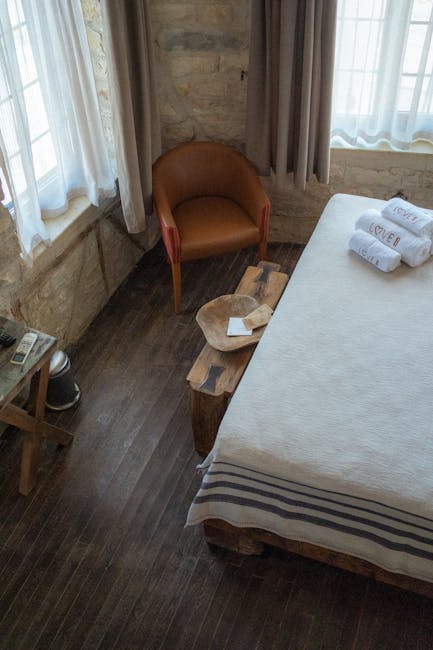
How to book: send an email to the official address shown on the Basilica’s website or call the Sacro Convento number (verify the number on the official site when booking). For municipal retreats or those run by associations, book several weeks in advance, especially during busy periods (Holy Week, summer). Franciscan retreats often have limited places.
Practical accommodation tips: bring modest, comfortable clothing, a small flashlight if you like to read in your room (some corridors are dimly lit), and power plug adapters for Italian outlets (Type F/L) if needed. Respect meal schedules in the refectory — typically early breakfast, light lunch, and a simple dinner served at fixed times.
Sensory experiences and meditation routes around Assisi
Assisi and its surroundings offer landscapes especially conducive to meditation. Monte Subasio, Assisi’s paved alleys, the square around the Basilica of San Francesco and the panorama from Rocca Maggiore make an ideal sensory itinerary. Here are two meditative routes — a half-day and a full-day — that combine inner practice with immersion in Umbria’s scenery.
Short route (half-day): basilica, cloister and panorama
- Start: Basilica di San Francesco, Piazza San Francesco, 2 — morning meditation (see times above).
- Quiet visit to the Lower Basilica — 30–45 minutes of contemplation before the frescoes.
- Silent walk in the Chiostro (cloister) — 20 minutes of walking meditation.
- Tea/herbal infusion break in a small square (choose modest local cafés to respect inner quiet).
- Climb to Rocca Maggiore (Via Rocca Maggiore, 06081 Assisi PG) — panoramic sunset view, heart-opening meditation (20–30 minutes).
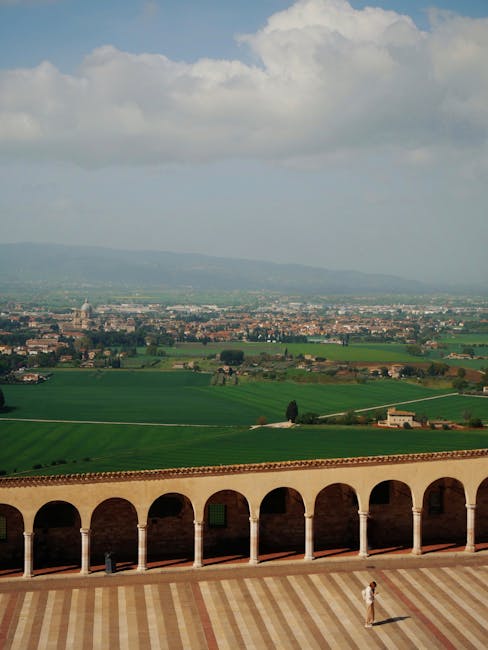
Duration: 3–4 hours. Transport: walking from the Sacro Convento; Assisi’s center is 5–15 minutes on foot depending on pace and route.
Long route (full day): Monte Subasio and the hermitage
Route: start early from the Sacro Convento heading to Monte Subasio (main access via SP439; check marked trails). A gentle hike of 2–3 hours (depending on the trail) leads to a viewpoint. Meditate in nature for 30–45 minutes and follow with a light picnic. Return via the Eremo delle Carceri (Eremo delle Carceri, Località Le Carceri, 06081 Assisi PG) — the historic hermitage where Saint Francis used to withdraw for prayer. The hermitage is exceptional for extended meditation in wooded caves and small chapels.
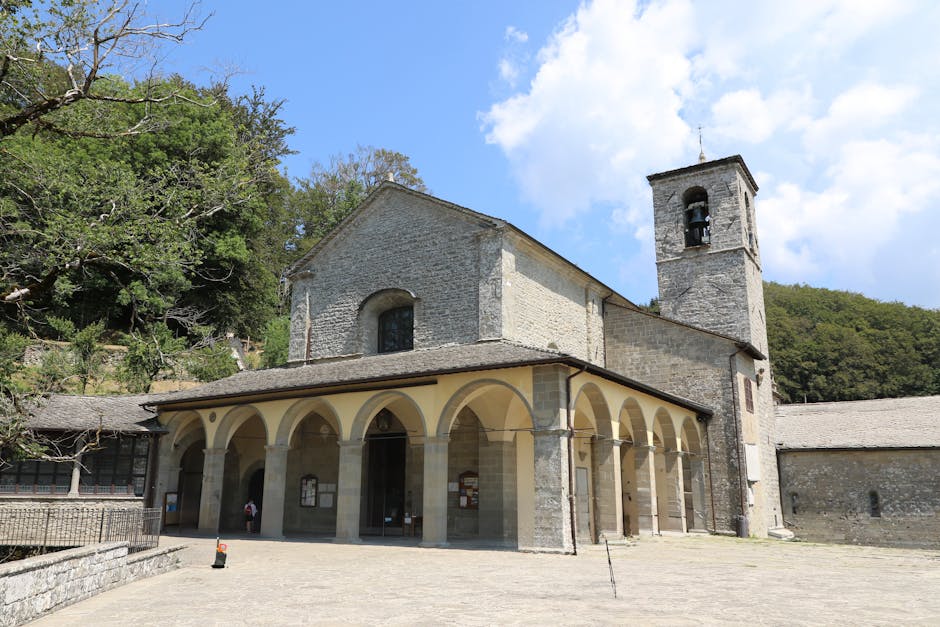
Hours and fees: access to Monte Subasio is free; the Eremo delle Carceri is open to the public with variable hours (usually 9:00–17:00); entry is free but donations are welcome. Clothing: good walking shoes, hat, water and sun protection.
Local tips and visitor ethics: respect, silence and small courtesies
Coming to the Sacro Convento to meditate is not only about logistics but also about visitor ethics. Respecting the site’s rules — silence, appropriate dress, discreet behavior — is essential to preserve the experience for other pilgrims and the brothers. Here are concrete, respectful tips to harmonize your personal practice with convent life.
- Respect silence: Avoid long conversations in places of reflection. Use low voices in cloisters and outside services. Turn off your phone or put it on silent.
- Dress code: shoulders and knees should be covered in the Basilica and chapels. Avoid beachwear or overly casual outfits. A shawl or scarf is handy for both women and men; easy to tuck into a bag.
- Photography: heed signs prohibiting photos. Some frescoes and liturgical areas restrict photography for conservation and contemplation reasons.
- Donations: the Basilica and Sacro Convento also rely on donations. Contributing modestly to maintenance (€3–10) is appreciated and meaningful.
- Interactions with the brothers: greet respectfully and avoid pressing requests during prayer times. If you want spiritual guidance, make an appointment via reception.
- Food: favor light meals before meditation (soup, bread, vegetables, fruit). Avoid alcohol and heavy meals that impair concentration.
- Language: Italian and English are commonly understood. Learning a few Italian words (grazie, per favore, silenzio) is a polite touch that locals appreciate.
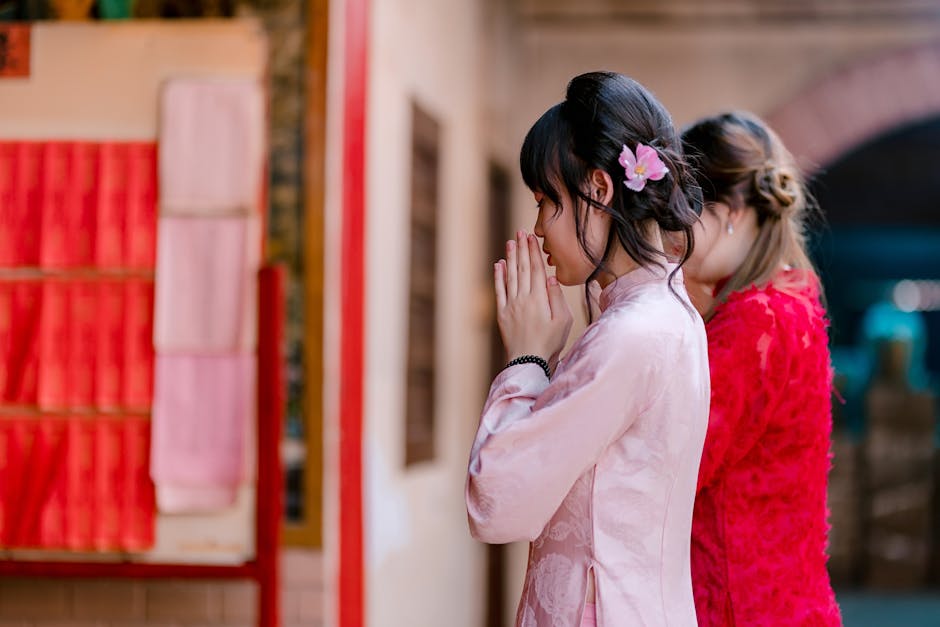
Finally, remember your meditation practice is also a contribution to the gentleness of the place. Calm, discretion and humility enhance the beauty of the Sacro Convento, allowing everyone — pilgrim, tourist or brother — to experience the sought-after peace and silence.
Conclusion: why meditating at the Sacro Convento transforms your trip
Meditating at the Sacro Convento offers the chance for a deeply renewing inner experience, in a setting where spiritual history and sacred architecture amplify the practice’s effect. Umbria, often called Italy’s « green heart, » provides a pastoral, soothing backdrop: hills, olive groves, stone villages and a changing sky that accompanies every breath. At the Sacro Convento, meditation becomes a dialogue between yourself, sacred art and monastic silence; a fresco can act as a mirror, the crypt an intimate crucible, and the cloister a walking space that renews presence.
This place offers a full palette of options for visitors: short sessions timed with liturgical hours, structured retreats, silent nature walks and simple nights in a cell. The practical information provided — exact addresses, general schedules, indicative prices, contacts and local tips — helps plan a realistic, respectful stay. Beyond technicalities, what matters is attitude: arrive with clear intention, be willing to slow down, and embrace the beauty of a sometimes stripped-back experience. The Sacro Convento doesn’t promise quick fixes, but it offers the possibility of gentle, patient transformation that often reveals itself through brief moments of inner clarity.
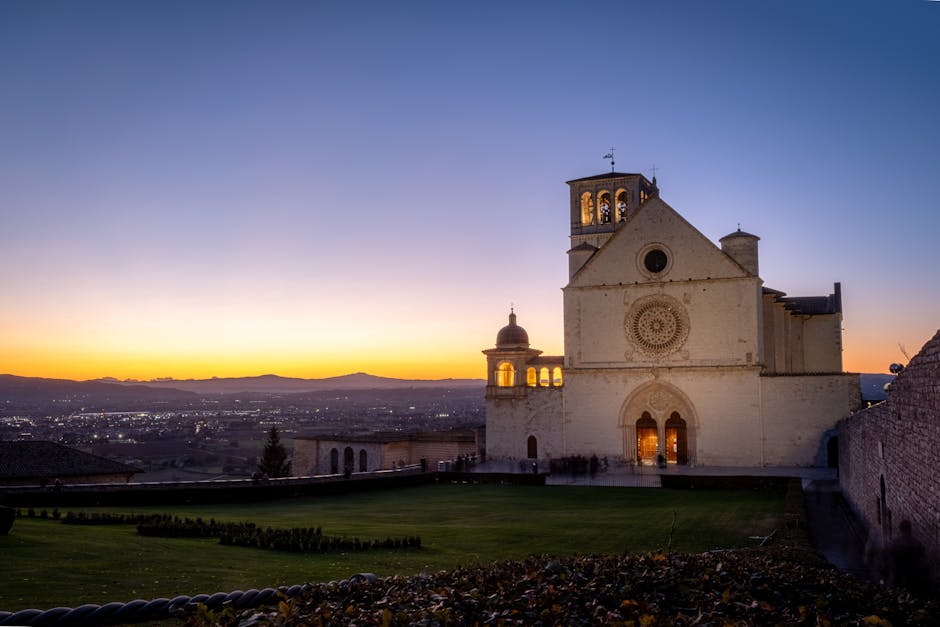
For the modern traveler used to a fast pace and constant demands, practicing meditation in a place like the Sacro Convento is a precious antidote. It helps reconnect with primary sensations — silence, breath, bodily alignment — and brings lasting benefits: reduced stress, improved focus, and a sense of belonging to a larger story. If you’re planning a trip to Umbria, including at least one day of silence at the Sacro Convento can change not only your holiday but also the way you approach daily life afterward.
In short, come with respect, curiosity and humility. Plan your timing around services and the weather, reserve retreats if needed, and let yourself be carried by Franciscan simplicity. Whether you’re an experienced practitioner or new to meditation, the Sacro Convento provides an exceptional setting to finally hear the voice of silence.