





Introduction — Monks and Lords: fortified monasteries of Umbria
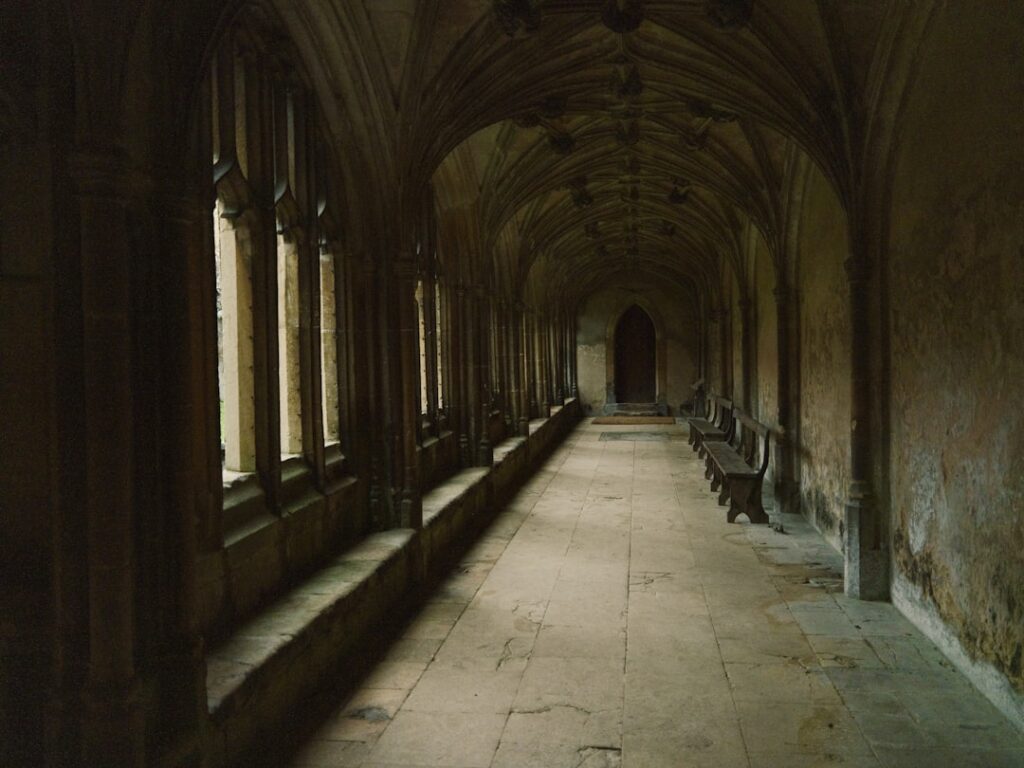
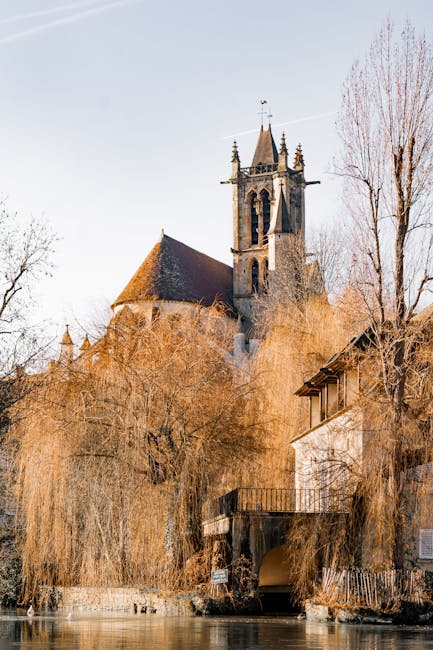
Umbria, the green heart of Italy, is a region where religious life and military necessity are carved into the very stone. Between narrow valleys and sunlit plateaus stand monasteries that, over centuries, became true strongholds: places of prayer and refuge, strategic lookout posts, agricultural hubs and artistic centers. These complexes — which I like to call « fortified monasteries » — reflect a medieval world where monks doubled as guardians of the land and local lords forged spiritual and military alliances.
This guide is for curious travelers: modern pilgrims, architecture fans, cultural hikers and photographers. It offers an immersive route through emblematic Umbrian sites — from remote abbeys to fortresses incorporated into convents — with practical details (precise addresses, opening times and prices in euros), vivid descriptions and local tips to help you prepare. I describe not only the history and architecture but also the atmosphere: morning light spilling into a cloister, bells echoing over a valley, the cool hush of a medieval crypt, the solidity of crenellated walls.
I’ve chosen places that are accessible and representative of Umbria’s monastic-fortified duality. You’ll find suggestions for foot, car or public transport visits, plus ideas to extend the experience: taste monastic recipes, attend a Mass or guided tour, or combine sightseeing with hikes in regional parks. The addresses let you pinpoint each site on a map and estimate travel times between them.
Keep in mind that opening hours can vary with season, religious holidays and local events. Prices shown are recent public rates in euros at the time of writing: always check official sites or call to confirm before you go. With this guide, discover an Umbria that speaks of faith and conflict, cloistered gardens and battlements — a trip where the stone tells the story of monks and lords.
Abbazia di San Pietro in Valle (Ferentillo) — A monastery carved into the cliff
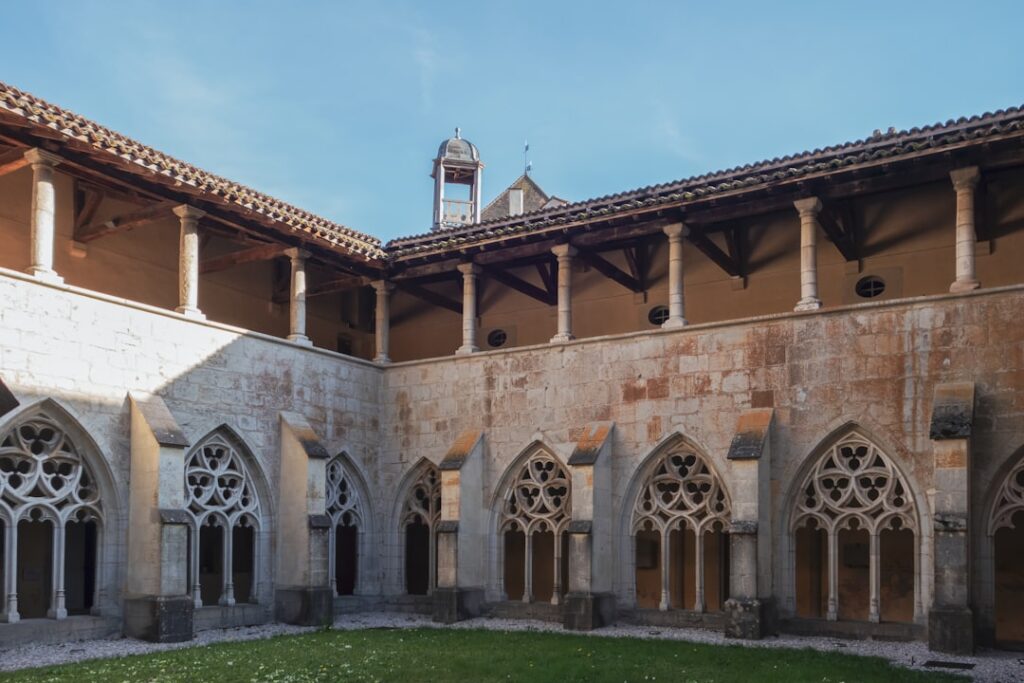
Address: Abbazia di San Pietro in Valle, Via San Pietro in Valle, 05034 Ferentillo TR, Italy. This medieval sanctuary, founded between the 7th and 9th centuries, is one of the most striking examples of a monastery integrated into the natural rock. Perched on a gorge in the Valnerina, the abbey overlooks a winding river bend and blends monastic and defensive features: thick walls, low towers and access controlled by a fortified gateway.
Opening hours: generally open to the public Tuesday–Sunday, 09:30–12:30 and 15:00–18:00. Closed on Monday (subject to seasonal changes). Entry fees: adult €5.00; reduced (students, seniors) €3.00; children under 12 free. Private guided tours on request (from €50 for a small group).
Immersive description: approaching the abbey, the first thing that strikes you is the imprint of the rock: rooms and cellars have been hewn directly against the stone. The cloister, laid out on a natural terrace, produces moving light effects. Inside, the sacristy, chapel and crypt hold Romanesque frescoes and decorative paintings, weathered by humidity and time. Some windows are narrow by design for defense; the service buildings show evidence of gun ports adapted over centuries.
Local tips: favor a morning visit to catch low, slanting light on the gorge. Wear sturdy shoes: some access paths are paved but uneven. Bring water and a windbreaker, as the valley can be cool even in summer. The nearby village of Precetto, a few minutes away, has a simple trattoria (check opening times) where you can try Castelluccio lentils, a local specialty.
Rocca Albornoziana (Spoleto) and Convento San Salvatore — Power and prayer at the city’s heart
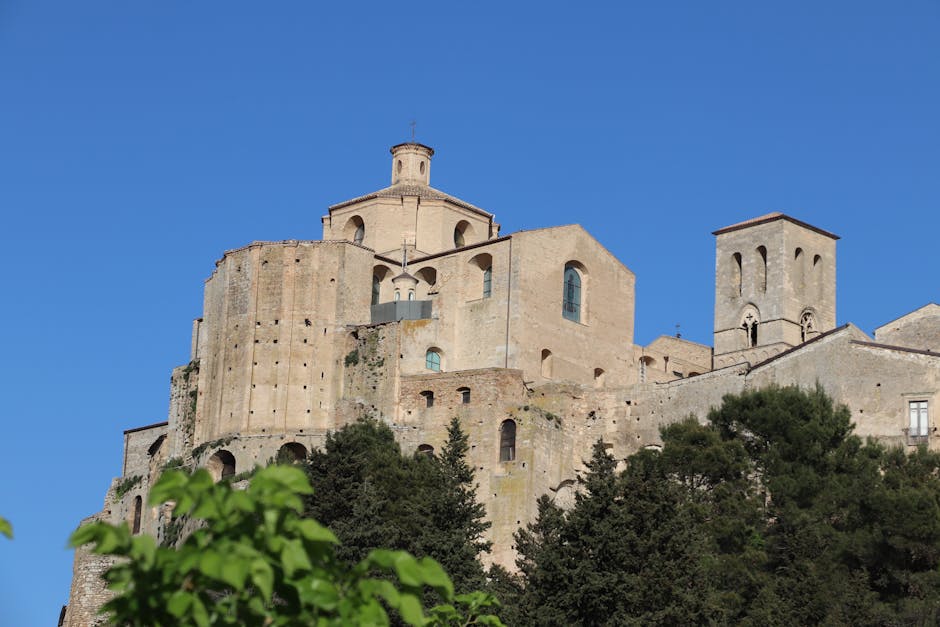
Address: Rocca Albornoziana, Piazza della Rocca, 06049 Spoleto PG, Italy. Convento di San Salvatore (which sprawls across Monte Luco and the historic center): Via San Salvatore, 06049 Spoleto PG, Italy — the monastic landscape is visible throughout the city. The Rocca Albornoziana, built in the 14th century by Cardinal Albornoz, is an emblematic fortress; nearby conventual structures and medieval chapels underline the connection between secular authority and religious institutions.
Opening hours: Rocca Albornoziana Museum (complex) typically open 09:00–19:00 in season (April–October), 09:00–17:00 off-season; closed some Mondays off-season. Entry fee: museum + wall walk €6.00 for adults; reductions for students and seniors. Convento di San Salvatore: guided tours (when available) and services according to the liturgical calendar — check with the Spoleto tourist office, Piazza della Libertà, 06049 Spoleto PG.
Immersive description: the Rocca stands on a hill overlooking the river and valley, giving a strategic view of routes toward Rome and the Apennines. Passing through the imposing gates, you move through bastions, a chemin de ronde and vaulted chambers now used as exhibition spaces. The cloister at Convento di San Salvatore, a short walk away, offers a more intimate feel: gardens, stone arches and discreet frescoes. The contrast between the military severity of the ramparts and the gentle hush of monastic cells is striking.
Local tips: combine a Rocca visit with the historic center (Piazza Duomo, the Roman Theater). Walk the ramparts at sunset — the west-facing views are ideal. If you need a coffee break, the main street is full of bars serving fresh cornetti. Note: fortress staircases can be narrow — avoid bulky backpacks.
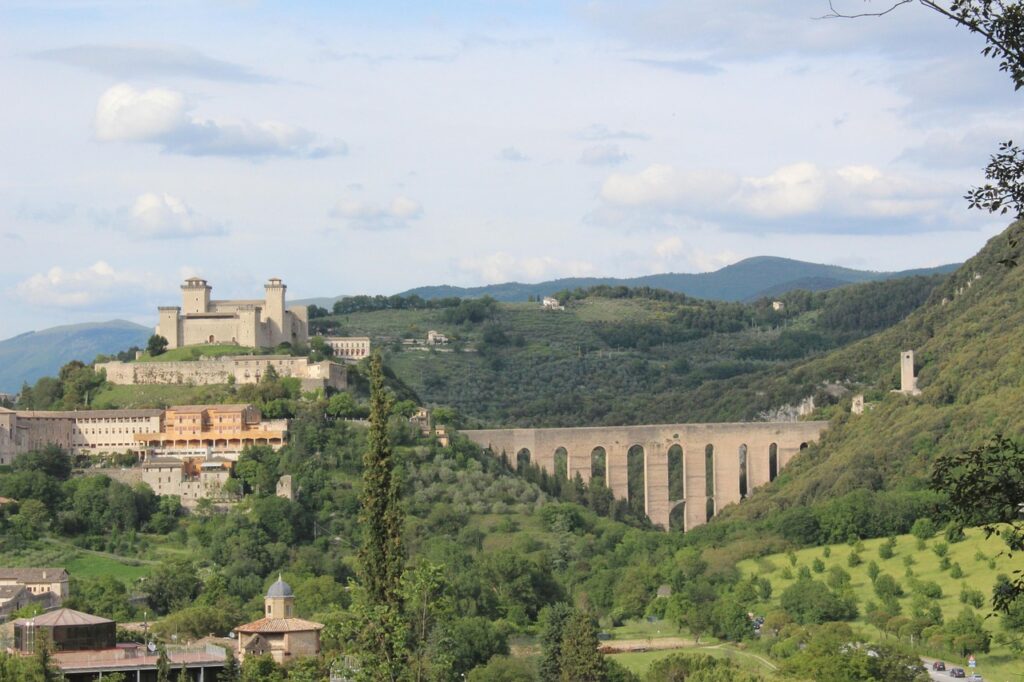
Assisi: Basilica di San Francesco, Monastero di San Damiano and Rocca Maggiore — faith, frescoes and fortification
Basilica address: Basilica di San Francesco, Piazza San Francesco, 06081 Assisi PG, Italy. Monastero di San Damiano: Via San Damiano, 06081 Assisi PG, Italy. Rocca Maggiore: Rocca Maggiore, 06081 Assisi PG, Italy — Assisi’s hills concentrate religious and defensive heritage, offering a prime example of monks and lords coexisting.
Hours and prices: Basilica di San Francesco — variable hours: early morning (06:30–12:00) and then roughly 15:00–19:00; the basilica may close to the public during certain ceremonies. Main nave and crypt access free; museum complex and access to crypts/frescoes usually charged with a combined ticket €5.00–7.00 (price varies with temporary exhibitions). Monastero di San Damiano — generally open 10:00–18:00; suggested contribution €3.00–5.00; partially closed during services. Rocca Maggiore — permanent outdoor access; the rampart walk may be ticketed through municipal guided tours (around €3.00–5.00).
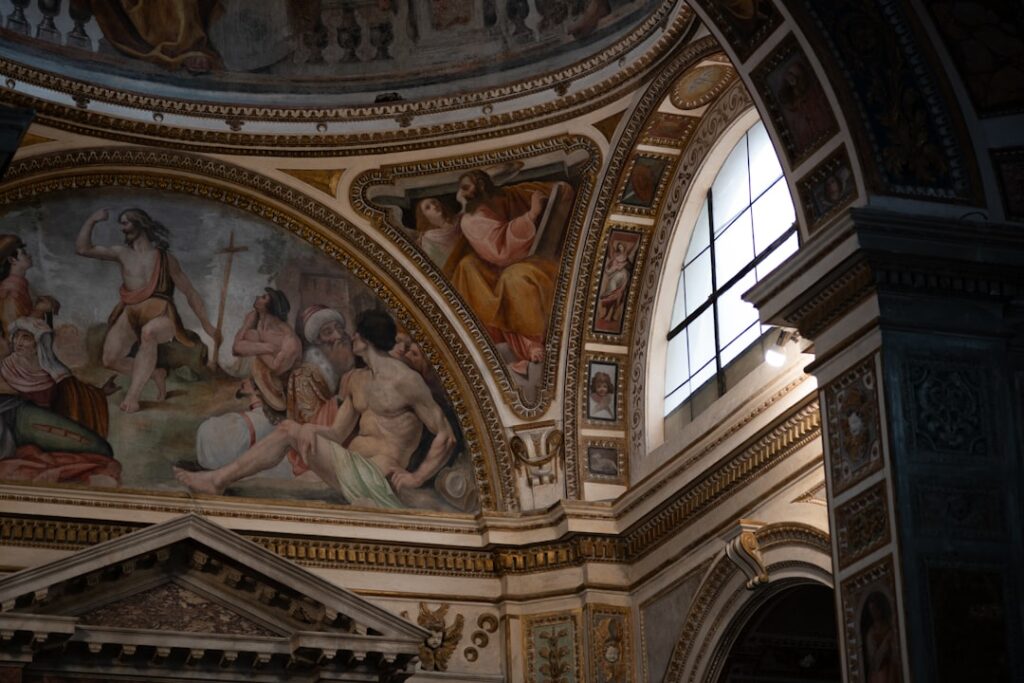
Immersive description: the upper and lower basilicas hold fresco cycles by Cimabue, Giotto and the Assisi school — pictorial programs that shaped Western art. The interior atmosphere is intense: the scent of wax, carved floors, and the chiaroscuro filtered through stained glass. San Damiano, beloved by Saint Clare and Saint Francis, is a small hermitage with a walled garden, humble cells and the little church where Francis felt his calling. Rocca Maggiore, perched on the ridge, reminds you why the town needed protection: its walls, polygonal towers and defensive stairways are perfect for understanding medieval strategy.
Local tips: give yourself time to absorb the frescoes without rushing — the basilica is best visited outside peak hours (very early morning). Respect silence at San Damiano; some areas remain reserved for services. Climbing to Rocca Maggiore requires good footwear — the ascent is steep but the views over the Umbrian plain and Mount Subasio reward the effort. Finish the day with a slice of torta al testo at a local osteria, a hearty regional specialty.
Abbazia di San Pietro (Perugia) and nearby hermitages — between city life and solitude
Address: complesso di San Pietro (Basilica/Monastery), Piazza San Pietro, 06121 Perugia PG, Italy. Perugia, a fortified city, hosts several monastic structures now converted into museums and cultural centers; the Abbazia di San Pietro combines religious spaces with urban ramparts.
Opening hours: museum/monastery (by section) generally 10:00–18:00; closures on Monday possible. Entry fees: museum sections €4.00–7.00; themed guided tours from €40 for small groups. For Mass times and services, check with the abbey or the Diocese of Perugia.
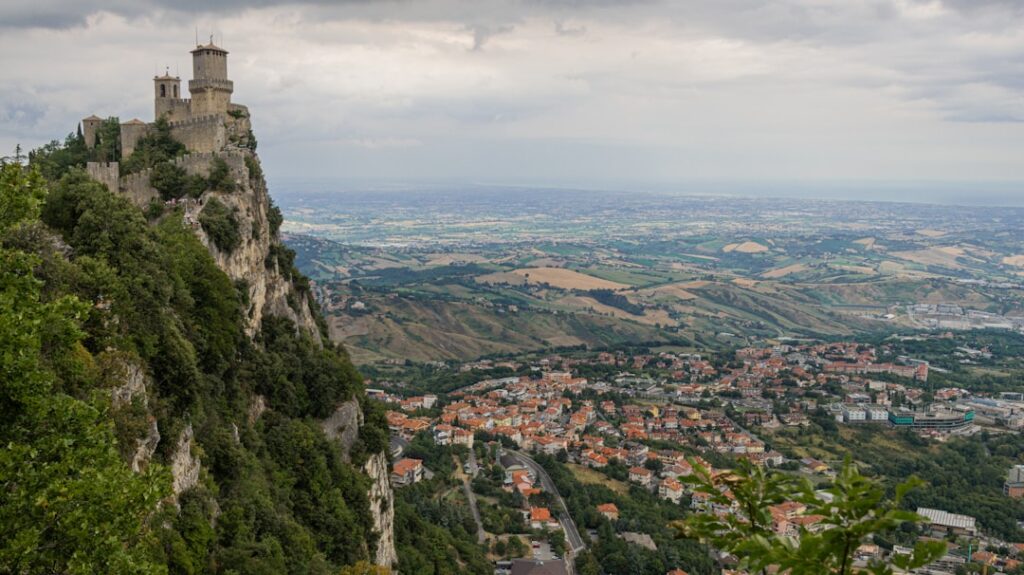
Immersive description: Perugia offers a dense urban fabric where monasteries nestle among palaces and fortifications. San Pietro Abbey features interior cloisters, monastic living spaces converted for new uses, and towers that historically watched over the Via Romea. The chapels preserve altarpieces and Baroque stuccoes that contrast with the austere stone of the defensive perimeter. Outside, views over the Umbria–Tuscany countryside explain why these sites were strategically important: control of roads and valleys.
Local tips: pair an abbey visit with a walk along the city walls and the major gate (Porta Sole/Porta San Pietro). Perugia is also a university town: find small cafés where students and artisans gather for an aperitivo. The local market in Piazza Matteotti is ideal for buying fresh produce (regional goat cheese, Norcia ham) for a picnic.
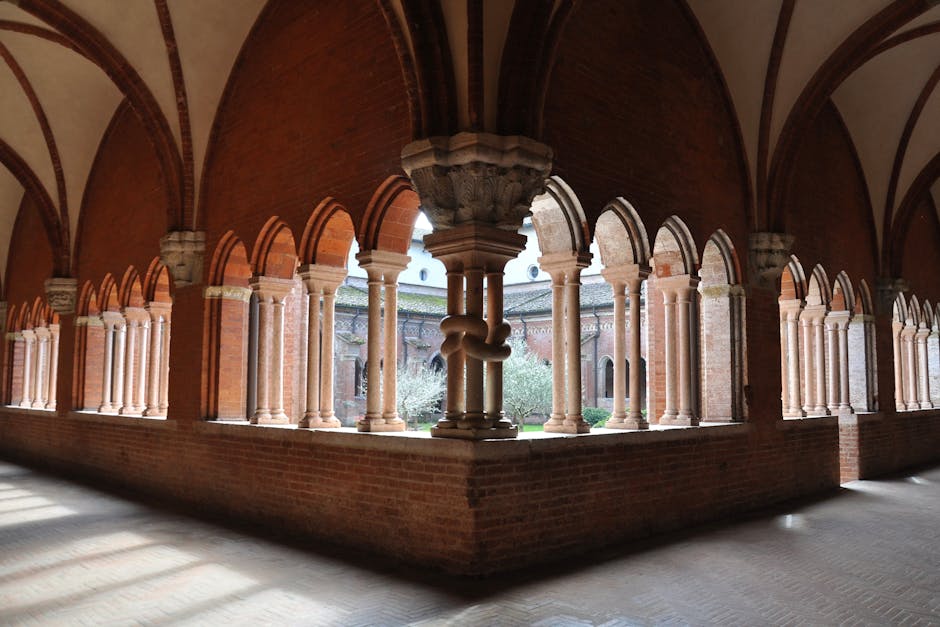
Practical tips for visiting fortified monasteries in Umbria
Planning an itinerary in Umbria means accounting for road connections, season and your pace. The sites in this guide lie within a relatively compact area, but secondary roads — while scenic — can extend travel times. Here are concrete local recommendations to optimize your stay.
- Transport: Renting a car is the most flexible option: picturesque secondary roads and parking close to most sites. Between towns (Assisi, Spoleto, Perugia) expect 30–60 minutes depending on route. Regional public buses exist but run less frequently in the evenings and on Sundays.
- Opening times: most monasteries have morning/midday and afternoon slots; many close around 12:30–15:00. High season (April–October) brings longer hours. Always confirm by calling the sites or local tourist offices (Assisi Tourist Office, Piazza del Comune; Spoleto Tourist Office, Piazza della Libertà).
- Tickets: carry small change for low-cost tickets (€3–7) and contributions to guided tours. Credit cards are usually accepted at larger sites, but some small sanctuaries take cash only.
- Dress code: show respect: to enter chapels or attend services, dress modestly (shoulders covered, avoid very short shorts). Bring a shawl for cool interiors.
- Photography: allowed in most outdoor areas; in some chapels and near frescoes, photography may be limited or forbidden. Always follow posted rules.
- Local guides: investing in a guided tour (€40–100 depending on length and group) greatly enriches the experience: stories of noble families, iconographic details of frescoes and accounts of the military transformations of these buildings.
- Food & drink: look for small osterie and agriturismi nearby: peasant menus, local olive oil, cured meats and Castelluccio lentils. Check meal schedules — some restaurants close between 14:30 and 19:30.
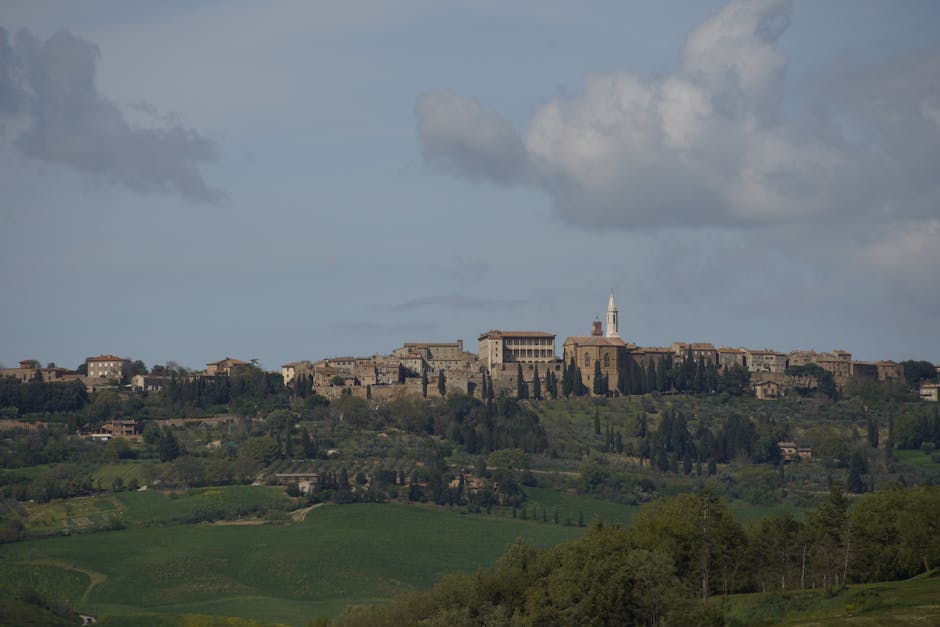
Suggested 3-day itinerary: monks, ramparts and valleys
Day 1 — Assisi: start at the Basilica di San Francesco (morning), visit San Damiano (afternoon) and climb to Rocca Maggiore for sunset. Dinner at a local osteria. Overnight in Assisi (consider staying in a converted monastery for an authentic experience).
Day 2 — Ferentillo and the Valnerina: morning at Abbazia di San Pietro in Valle; lunch in Precetto. Afternoon walk along the Valnerina gorge and visits to small hermitages. Overnight in Spoleto or a nearby mountain village depending on preference.
Day 3 — Spoleto and Perugia: morning at Rocca Albornoziana (museum + ramparts), then drive to Perugia for the afternoon to visit Abbazia di San Pietro and wander the historic center. If time allows, end with an olive-oil tasting or a local winery visit.
Logistics tips: adapt your pace to the weather and season; in high season, book tickets and restaurant tables in advance. Photographers should favor golden hours (sunrise and sunset) for valley and rampart panoramas.
Conclusion — Between stone and silence: Umbria as a living memory
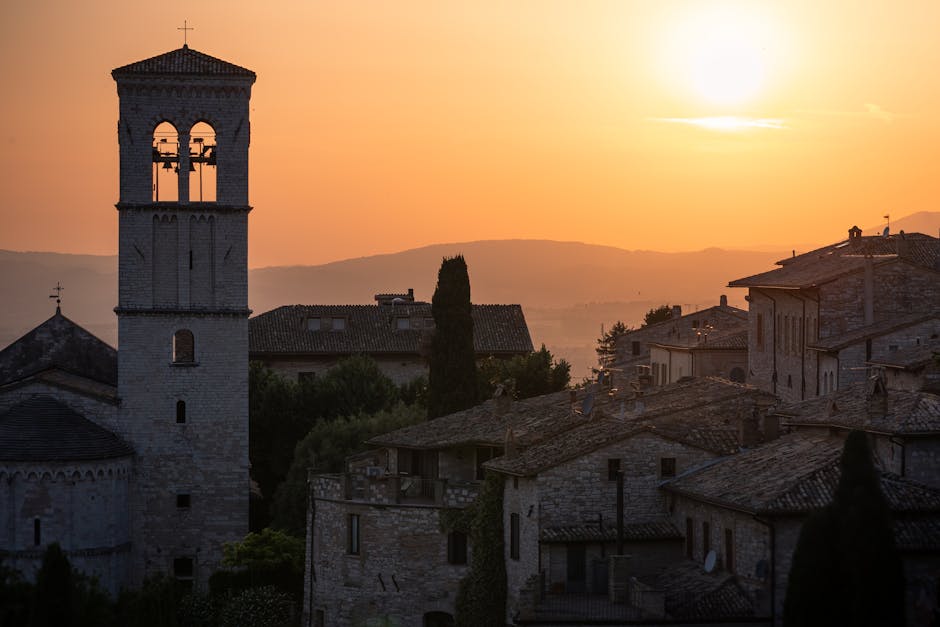
Umbria reveals a unique face where monastic devotion and defensive necessity answer one another in architecture that is at once sensitive and rugged. The fortified monasteries you’ll visit are three-dimensional reads of history: every crenellated wall, cloister and fresco concentrates stories of prayer, sieges and commercial exchange. This guide offered concrete stops — Abbazia di San Pietro in Valle (Ferentillo), Rocca Albornoziana (Spoleto) and its convent, Assisi’s trio (Basilica di San Francesco, Monastero di San Damiano, Rocca Maggiore) and Perugia’s abbey — with precise addresses, times and indicative prices to make planning easier.
To deepen your experience, listen to local guides, attend a service if your schedule allows, and take time to wander the surrounding villages where life still follows the rhythm of the seasons. Respect places of worship, support small sites through admissions and local purchases, and let yourself be moved by the contrast between the harshness of ramparts and the delicacy of cloistered gardens. Umbria is a region to be explored slowly — walking, watching and tasting — to honor the shared history of monks and lords.
Before you leave, double-check seasonal hours and exceptional closures (religious holidays, restorations) and book if you want private guided tours or monastic lodging. Safe travels: may your steps take you from vaulted cellars to battlements, and may stone and silence reveal Umbria’s soul.