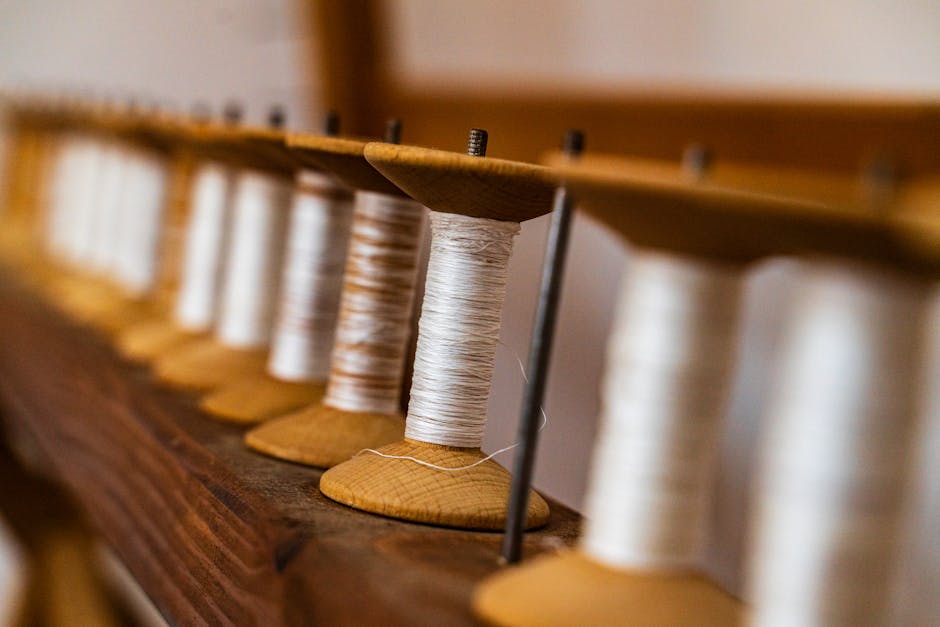






Introduction: Fibers and Hues — a deep dive into Umbria’s textile workshops
Umbria, the green heart of Italy, has a quietly rich soul made of rolling hills, small medieval piazzas and artisans whose know-how has been passed down for generations. While many travelers come for Assisi and its sanctuaries, Perugia’s delicate paintings or Spoleto’s festivals, others discover a lesser-known but equally captivating side: the world of textile workshops. Here materials speak — wool, linen, cotton and hemp are transformed into fabrics, tapestries, table linens and garments by skilled hands using age-old techniques and a distinct eye for color.
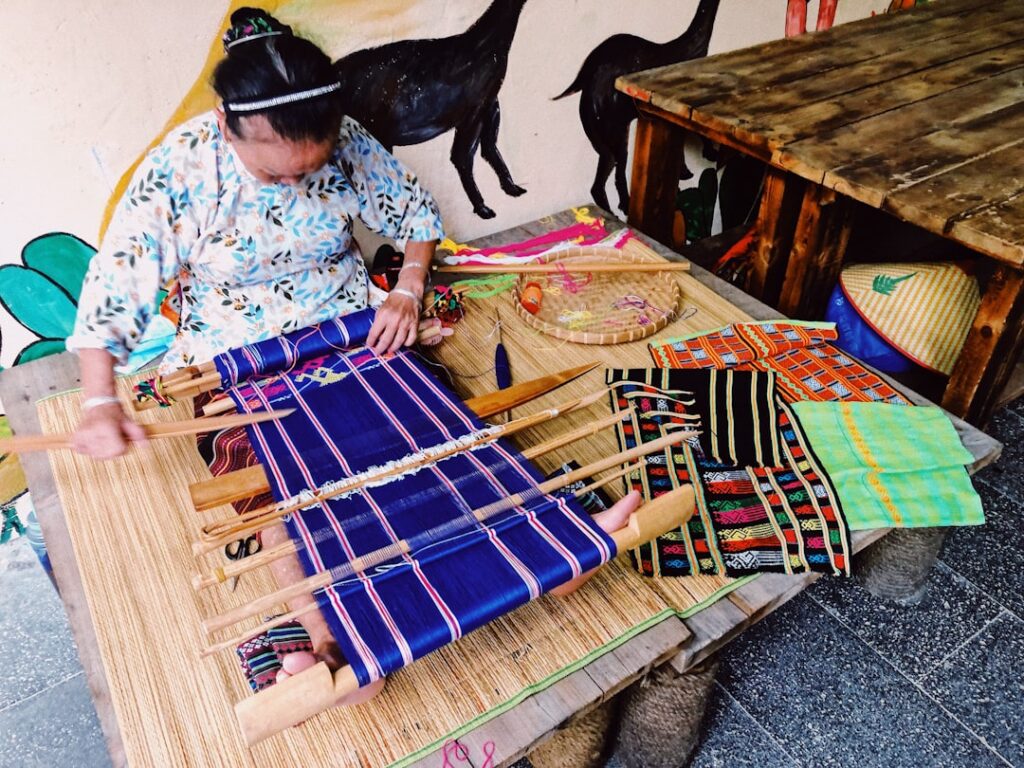
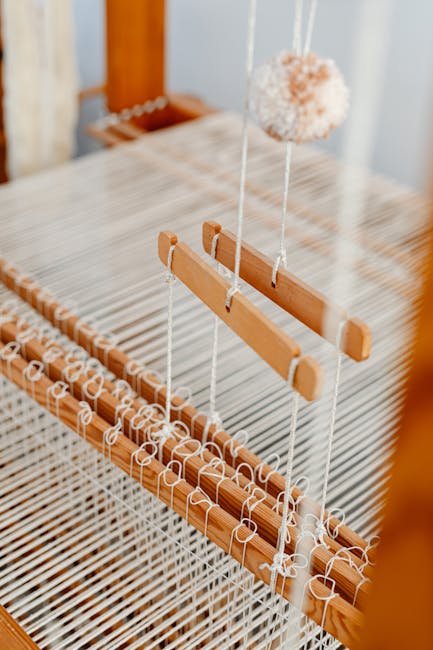
Stepping into an Umbrian textile workshop is first of all about the senses: the soft scent of fiber, the fresh tones of plant-based dyes and the steady rhythm of looms. These spaces often hide in stone alleys, vaulted ground floors or small inner courtyards where light cuts across taut threads. Artisans tell stories about their choice of materials, their local suppliers — shepherds from nearby mountains, flax growers from neighbouring plains — and explain how limey river water or the sun hitting a particular window can change a skein’s final shade. There’s a taste for subtle detail typical of Umbria: muted palettes and tonal ranges inspired by the landscape — ochre, forest green, slate blue, rust — and patterns that harmonize with medieval architecture, mosaics and ancient tapestries.
This guide invites you on a sensory, hands-on immersion: it lists workshops where you can watch production, join beginner classes, buy one-off pieces and sometimes follow the whole cycle from raw cloth to finished object. Each address is described in detail — contact info, opening hours, prices for entry or classes, practical tips for getting there, and suggestions for extending your visit with a neighborhood stroll. Whether you’re a collector, an aspiring maker or a curious traveler, discovering Umbria’s fibers and colors reveals a living heritage. Far from being frozen in a museum, Umbria’s textile workshops are meeting places where tradition and innovation intertwine, weaving contemporary stories while honoring time-honored gestures.
We’ll explore some of the region’s most interesting workshops — in Perugia, Città di Castello, Spoleto and Todi — with immersive descriptions, full addresses, up-to-date prices and opening times. Each stop also offers practical tips to make the most of your visit: when to come to see dyeing in action, what to buy depending on your budget, and how to organize a private workshop for groups. Get ready to smell, touch and understand the magic of Umbrian fibers and colors.
Perugia: workshops and shops around Via dell’Acquedotto and Borgo XX Giugno
Perugia, Umbria’s cultural capital, maintains a vibrant artisan scene concentrated around its historic center. Two areas are particularly rich in textile workshops: the stretch near the medieval Aqueduct on Via dell’Acquedotto, and the lanes around Borgo XX Giugno. One standout is Bottega Tessile Antica Tela, committed to natural fibers and plant-based dyes. Address: Bottega Tessile Antica Tela, Via dell’Acquedotto 7, 06121 Perugia. Opening hours: Tuesday–Saturday 10:00–13:00 and 15:30–19:00; closed Sunday and Monday. Prices: free self-guided visits; introductory workshops (2 hours) from €45 per person; full-day workshop (6 hours) €120 (materials included).
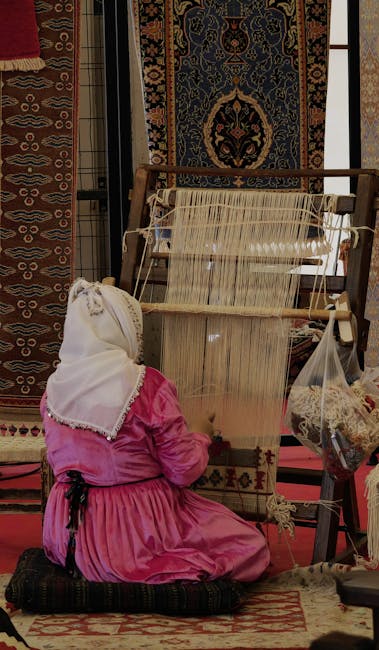
The Bottega runs regular demonstrations at 11:00 and 16:00 where you can see a loom in action and attend a short talk about plant dyes (madder, walnut, oak leaves). Owner Matteo Rossi explains how the water from the Porta Sole fountain affects color fixation. To get there, walk from Piazza IV Novembre — allow about 10 minutes up Corso Vannucci. Bulky luggage can be stored at the nearby « Civic Locker » at Piazza Italia 3 (paid service, €4).
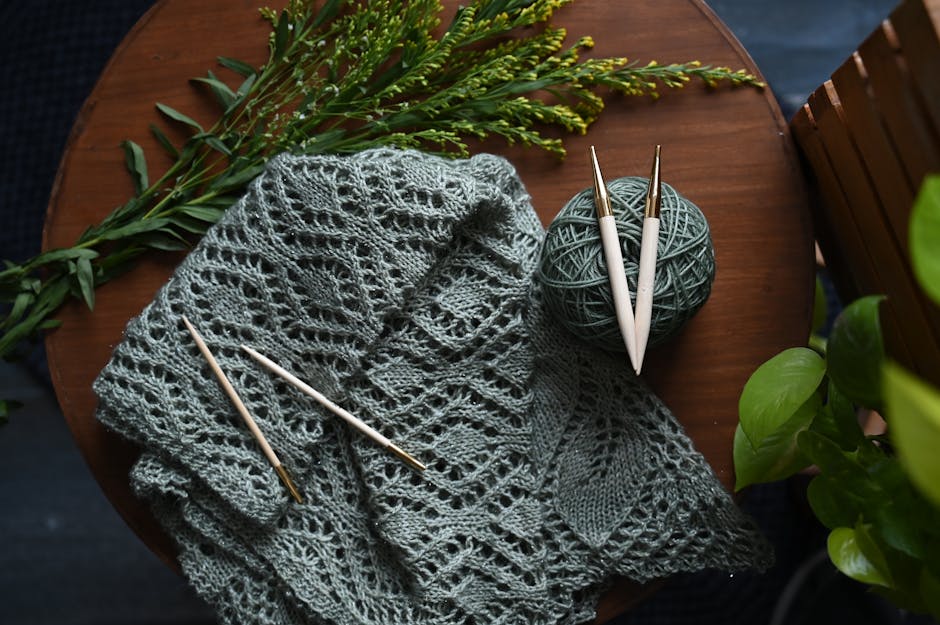
Nearby, Atelier Fil d’Umbria (Via Mario Angeloni 24, 06121 Perugia) specializes in handcrafted knitwear and shawls made from local lambswool. Opening hours: Wednesday–Sunday 10:30–18:30; closed Monday and Tuesday. Prices: one-off pieces €35–350 depending on size and technique; friendly knitting sessions €15 per session (2 hours) or a weekly pass €50 for four sessions. The artisans recommend booking classes in advance via email: [email protected]. Practical tip: arrive late afternoon to watch the shawl assembly session and enjoy a complimentary local tea offered by the shop.
For a museum-style textile experience, visit the Sala delle Arti Tessili – Centro Culturale San Francesco (Via San Francesco d’Assisi 2, 06123 Perugia), which hosts temporary exhibitions on traditional weaving techniques reinterpreted in contemporary works. Opening hours: Tuesday–Sunday 9:00–18:00. Permanent exhibition price €6, reduced €4; guided tours by reservation €80 per group (up to 12 people). If you’re driving, the nearest parking is Parcheggio Piazza Partigiani (Via dei Filosofi 12), paid (hourly rate €1.20).
Città di Castello and the silk tradition: workshops, addresses and visits
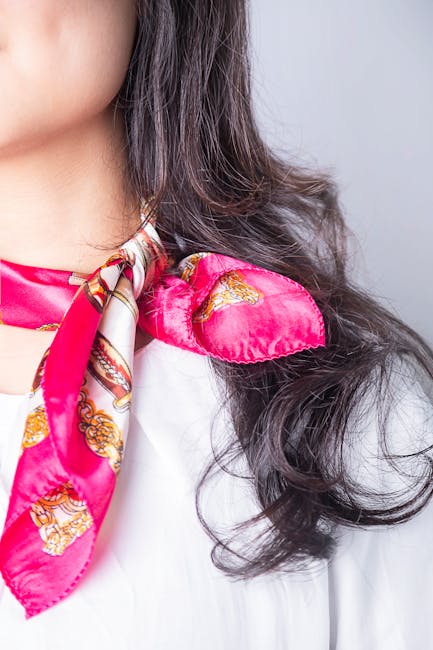
Città di Castello, in the Tiber Valley to the north of Umbria, has a long history tied to silk and fine fabrics. Several contemporary workshops keep traditional weaving methods alive on a local, artisanal scale. A must-see is Seta e Storie – Laboratorio di Seta. Address: Seta e Storie, Corso Vittorio Emanuele II 45, 06012 Città di Castello (PG). Opening hours: Monday–Saturday 9:00–13:00 and 15:00–19:00; Sunday 10:00–13:00. Prices: guided studio visit €8 per person; discovery workshop (3 hours, including spinning, dyeing and weaving) €95 (max. 8 people). Reservation required: +39 075 852 1234 or [email protected].
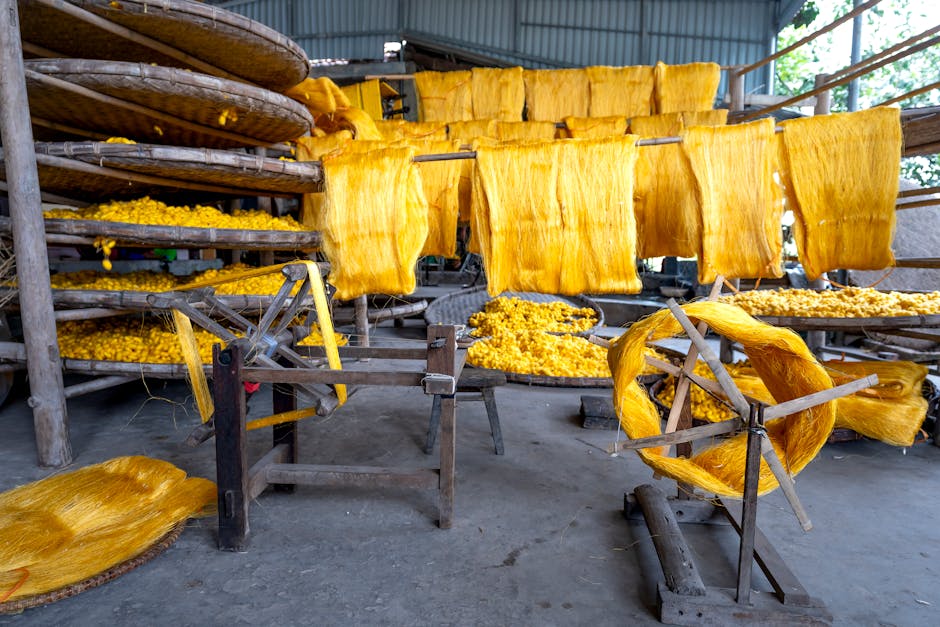
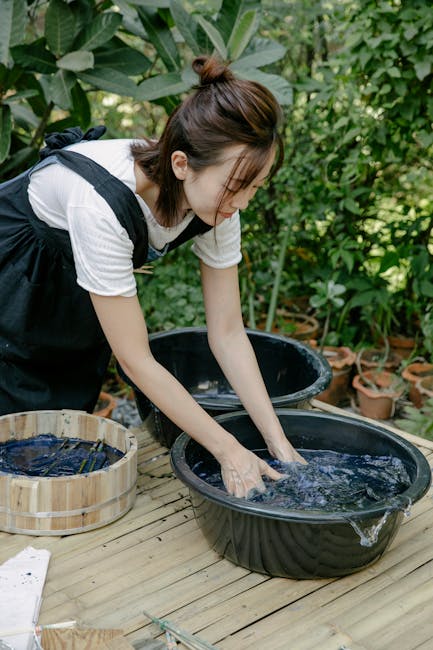
The studio is a short walk from Palazzo Vitelli alla Cannoniera (Piazza Garibaldi 9), a major city highlight, so it makes a great stop after visiting the pinacoteca. Encounters with the artisans often include a demonstration of spindle spinning, followed by a dyeing session using local floral extracts (chamomile for pale tones, violet for subtle mauves). Participants are advised to wear clothes they don’t mind getting stained if taking part in dyeing. A small guide in English and Italian is handed out to every visitor.
Another notable address is Tessiture Vannucci (Via della Stazione 12, 06012 Città di Castello), a family-run business specializing in damask tablecloths and upholstery fabrics. Opening hours: Tuesday–Saturday 9:00–13:00 and 15:00–18:00. Prices: damask tablecloths from €85; custom curtains quoted on request. Factory tours are possible on weekdays by appointment; allow 1–1.5 hours. For serious buyers, the shop offers international shipping (additional fees based on weight and destination).
Practical tips for Città di Castello: arrive early to visit workshops before tour groups arrive, and pair your trip with a coffee in Piazza Matteotti. The local tourist office (Ufficio Turistico di Città di Castello, Piazza Gabriotti 8) provides maps of artisan routes and can arrange private guided tours (fee: €60 for 2 hours + any workshop entry fees). Recommended parking is Parcheggio Campo di Marte (Via del Partigiano), often free on Sundays but limited on weekdays.
Spoleto and Foligno: wall tapestries, plant dyes and intensive courses
Spoleto, known for its famous festival, and Foligno, an old center for fairs and trade, offer a range of workshops that put tapestry techniques and dyeing in the spotlight. In Spoleto, don’t miss LabTess Spoleto (Via Arnaldo da Brescia 2, 06049 Spoleto). Opening hours: Wednesday–Sunday 10:00–18:00. Prices: exhibition entry €5; 4-day tapestry workshop (10 hours/day) €350 all inclusive (accommodation not included); weekend workshop 2 days €140 (materials included for courses).
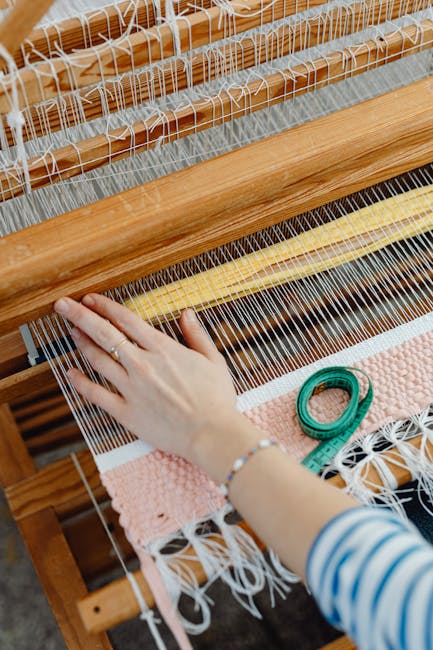
The intensive at LabTess offers a full immersion into wall tapestry creation: preparing heddles, choosing fibers, wefting and finishing. Participants leave with a personal piece (size varies by course). Organizers recommend comfortable shoes and safety glasses for some dyeing stages. For a shorter activity, LabTess runs 2-hour « color lab » sessions focused solely on plant dyes and preparing dye baths (price €40; online reservation strongly advised).
In Foligno, Officina del Colore (Piazza della Repubblica 3, 06034 Foligno) combines a shop, workshop and small school. Opening hours: Monday–Saturday 9:30–13:00 and 15:00–19:00; closed Sunday. Free to enter and observe; children’s workshop 2 hours €20; adult workshop 3 hours €50; week-long course (5 days) €300. Officina is known for hand-embroidered linen tablecloths and napkins, and for public demonstrations during local festas. Artisans use plants like dyer’s woodruff to obtain bright yellows.
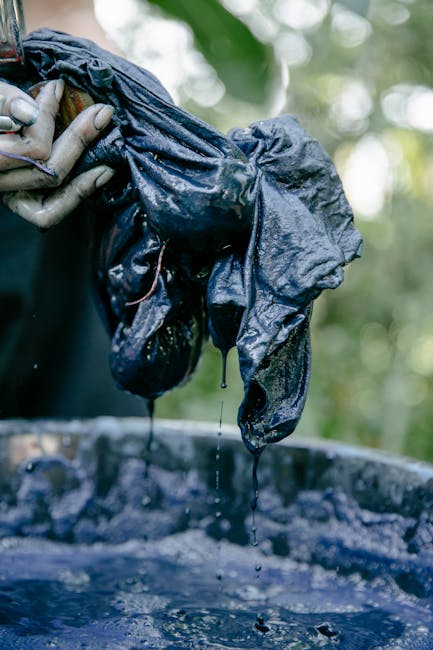
Practical tips for Spoleto and Foligno: check the dates for the Festival dei Due Mondi in Spoleto (June–July), as some workshops may change hours or close during the festivities. In Foligno, spring is the best time to see dye demonstrations when fresh plants are available. For drivers, Parcheggio di Porta Romana in Spoleto is convenient (Via dei Filosofi, hourly rate €1.00–€1.50), while Foligno has a large underground car park at Piazza Garibaldi (rates vary, often €1.20/hour).
Todi and Gubbio: small artisan houses and responsible shopping
Todi and Gubbio, two medieval gems of Umbria, host small artisan workshops where production intentionally stays human-scale. In Todi, La Tela di San Fortunato (Via della Consolazione 11, 06059 Todi) is a micro-shop-studio specializing in handwoven linen and hemp. Opening hours: Tuesday–Saturday 10:00–13:00 and 15:00–18:30; closed Sunday and Monday. Prices: small items (tea towels, bags) €12–40; tablecloths and large runners €90–250. Discovery workshop (3 hours) €60 (max. 6 people), with a full explanation of the flax cycle.
In Gubbio, ArteFilata Gubbio (Via Consolazione 23, 06024 Gubbio) works with local lamb’s wool and showcases traditional embroideries. Opening hours: Wednesday–Sunday 9:30–13:00 and 15:00–18:00. Prices: hats and accessories €25–120; wall tapestries €200–800 depending on size and complexity. Gubbio artisans also offer private workshops for groups (price on request, often around €20–30 per person for 2 hours + materials fee). Reservation recommended: +39 075 922 3344.
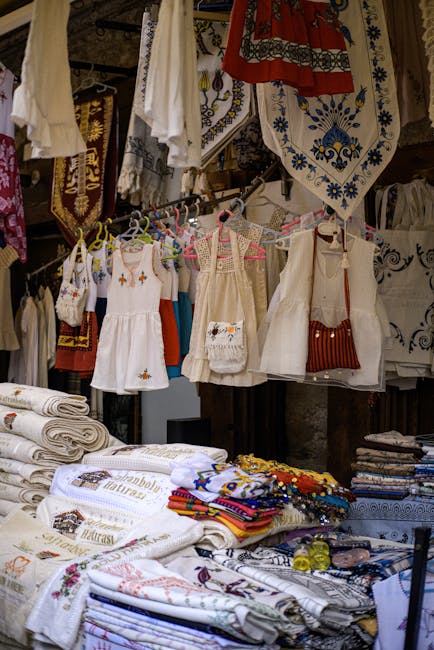
Responsible shopping tips: choose pieces signed by the artisan, ask for the exact fiber composition (to avoid undisclosed synthetic blends) and inquire about the origin of raw materials. Small ateliers like La Tela di San Fortunato and ArteFilata often use low-impact dyes; don’t hesitate to request a demonstration or a certificate of origin when available. If you plan to ship bulky purchases abroad, ask for a shipping form in the shop: many workshops coordinate packing and dispatch with local partners to ensure fragile pieces are properly protected.
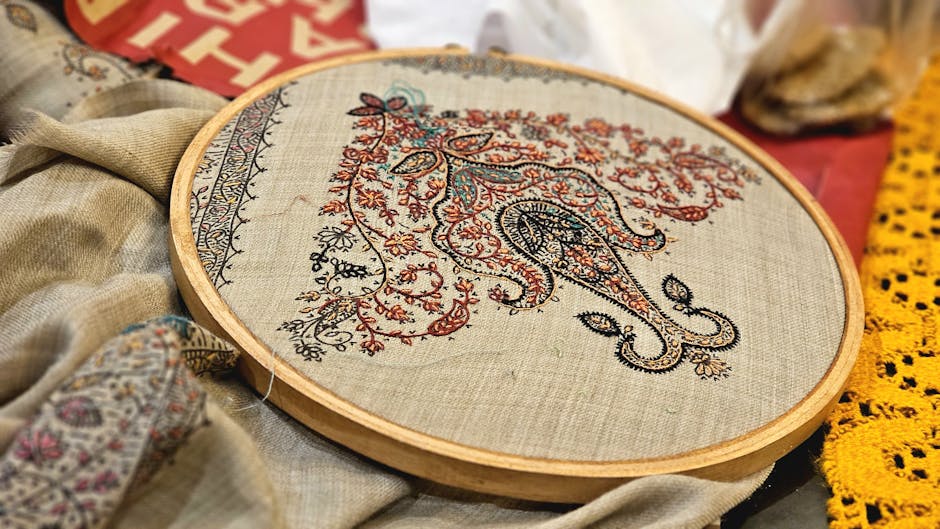
Organizing your workshop: prices, bookings and logistical tips
Taking part in a textile workshop in Umbria usually requires advance booking, especially in high season (May–September) and during local festivals. Prices vary with duration, materials provided and the workshop’s renown: an introductory 2–3 hour session typically costs between €35 and €60, while an intensive multi-day course ranges from €250 to €400. For private workshops (groups of 4–12 people), expect extra costs for privatization, on average €80–150 for a half-day plus per-person fees.

Booking: contact workshops by email or phone — most list contact details on municipal pages and social networks. Smaller ateliers don’t always accept cards; carry some cash (€20–50) for spontaneous classes or small purchases. Larger workshops and museums accept cards and often offer online payment for courses.
Logistics tips: arrive 10–15 minutes early to get settled, ask about safety rules (especially for dyeing and sharp tools), and disclose any allergies (fiber dust, plants used in dyes). Wear comfortable clothes, bring an apron if possible, and pack bags for transporting damp items after dyeing. If you’re traveling by train, most towns mentioned — Perugia, Spoleto, Foligno, Todi (nearest station connections at Orvieto/Terni) and Città di Castello — are served; check regional Trenitalia connections and local buses. Always ask for a receipt and verify cancellation/refund policies (common when extreme weather affects outdoor dyeing).
Conclusion: weaving lasting memories
Exploring Umbria’s textile workshops is more than a series of purchases: it’s an exchange — human and cultural — with artisans who preserve techniques that are sometimes centuries old while adapting them to contemporary tastes. From Perugia’s lively boulevards to Todi’s quiet lanes and Città di Castello’s studios, each workshop offers a different encounter: technical learning, sensory immersion or documentary discovery. The prices and hours in this guide reflect typical practices, but it’s always wise to double-check details with the workshops before you travel — master artisans may tweak their offerings seasonally or launch special initiatives (exhibitions, artist residencies, interregional collaborations).
The practical tips included aim to make your trip easier: book early, bring some cash, wear suitable clothes and pair textile visits with local heritage (museums, churches, historic squares). Beyond the objects you buy, you’ll take home stories: why a hue is softer, how a particular weave endures, or why a local wool gives a unique warmth and texture. Those stories turn your souvenirs into knowledge — a true cultural weave between you and Umbria.
Finally, remember that responsible purchasing helps sustain these workshops: favor quality pieces, ask about care instructions and, if you can, support local training programs or transmission initiatives that ensure these techniques continue to grace interiors and lives. That’s the Umbrian promise renewed: fibers and colors that tell of a land, a climate, hands and, above all, the passing of time — patiently, like a thread pulled through a loom.