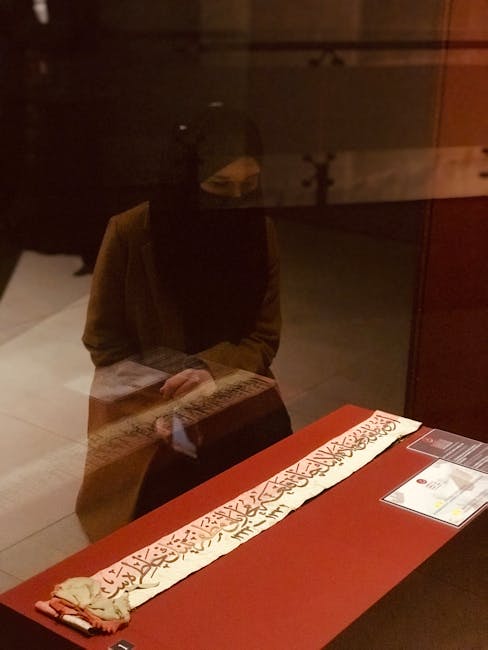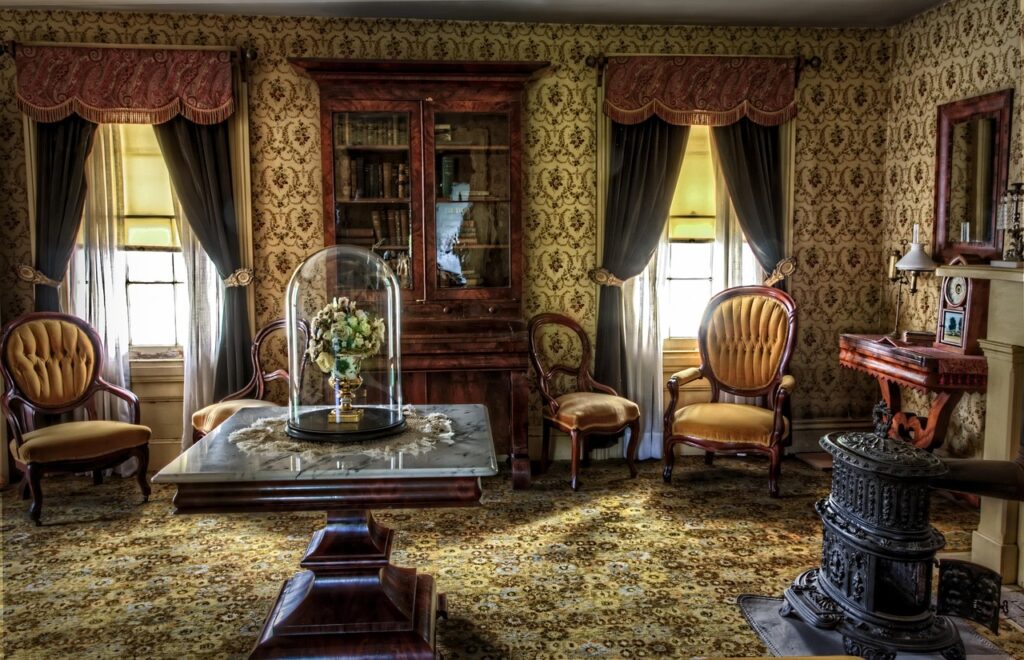






Introduction: Embroideries and Traditions — Umbria’s Overlooked Textile Heritage
Umbria, the green heart of Italy, is often celebrated for its rolling hills, medieval towns and religious legacy. Yet alongside its stone and frescoes, the region keeps a woven memory: linens, embroideries and techniques passed down through generations that have accompanied daily life, rites and festivals. This guide aims to bring that forgotten textile heritage back into view, leading you through museums, workshops, churches and shops where thread tells the story of a people.
Umbria’s textile story can be read in embroidered altarpieces, liturgical linens, rural costumes and the industrial pieces produced by small local manufactories. From Città di Castello to Assisi, via Foligno and Spoleto, the region developed production hubs, craft schools and religious collections that preserve century-old pieces — remnants of a time when embroidery was not mere decoration but a social and spiritual language.
This detailed guide, written for the curious and discerning traveler, gathers precise addresses, opening hours, prices, immersive descriptions of places and practical tips. You’ll find museums where liturgical embroideries are preserved with museum-grade care, workshops where you can learn a local stitch, artisan shops still working by hand and events where the region celebrates its textiles. The aim is to show not only where to go, but how to look: how to recognise a typical stitch, tell the difference between hand-prepared linen thread and industrial cotton, or spot symbolic touches in ceremonial garments.
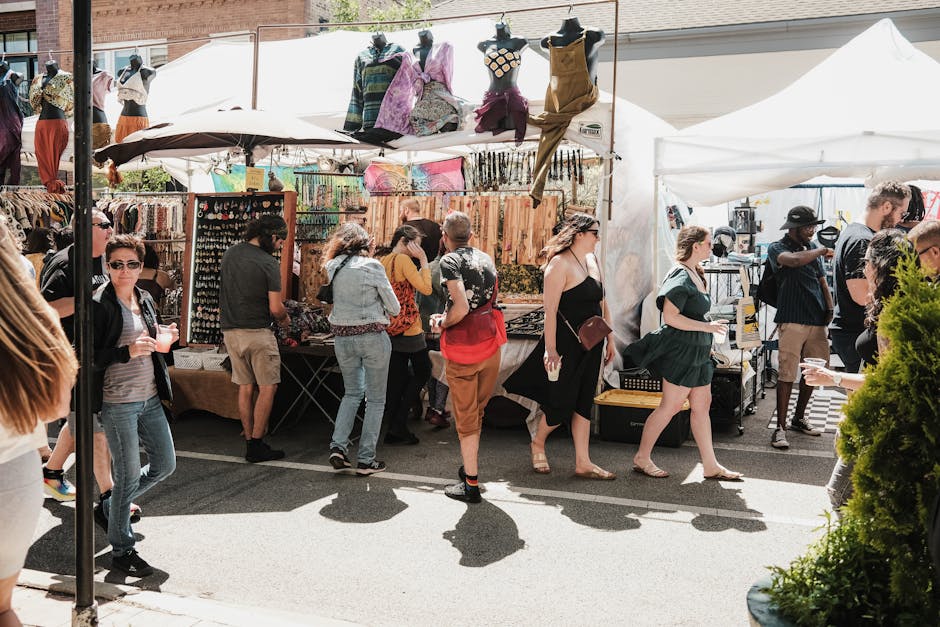
The approach is intentionally immersive. The descriptions aim to give you the sensation of brushing an old fabric, hearing the click of a loom, or watching light fall across a gilt embroidery in a chapel. You’ll also get local tips — when to come to see workshops in action, which days shops are closed, how to negotiate a half-day class and what precautions to take when packing textiles in checked luggage. Finally, seven to twelve visual reference images 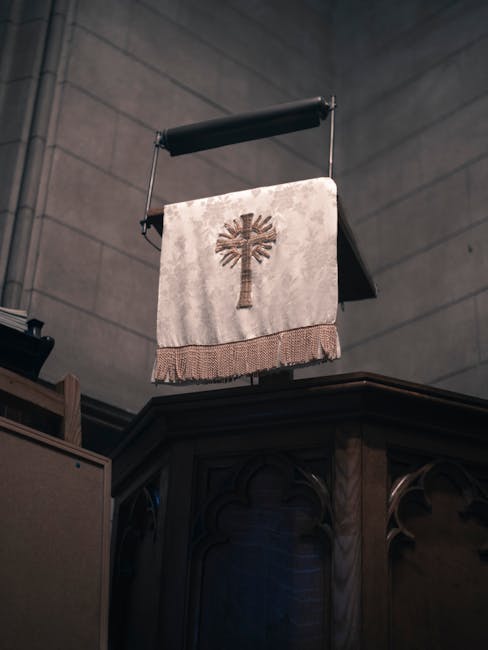 punctuate the text to help spark your imagination and plan your visit.
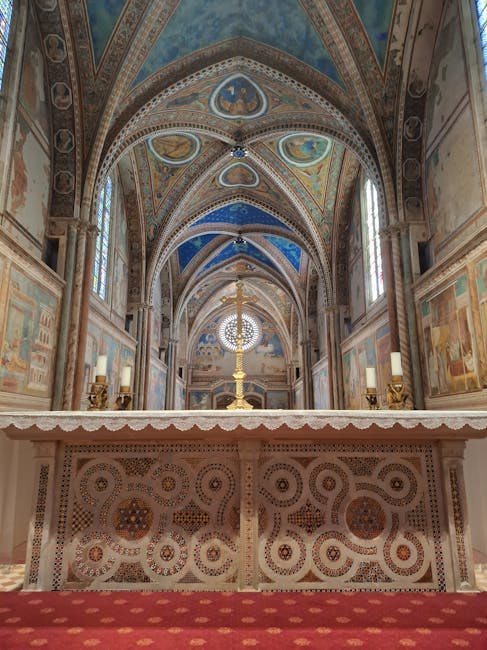
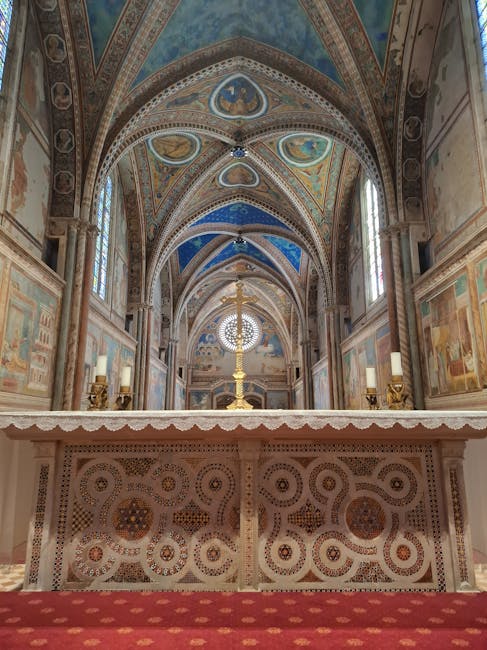
1. Assisi: Basilica Treasury Museum and Liturgical Embroideries
Assisi, a world-famous pilgrimage site, is also home to a textile treasure that many hurried visitors overlook. The Museo del Tesoro della Basilica di San Francesco, located at Piazza San Francesco 1, 06081 Assisi (PG), houses a remarkable collection of liturgical fabrics, orphreys and medieval embroideries worked with gold threads and silk. Entry is through the basilica complex ticket office: exact address Piazza Inferiore di San Francesco, 1. The museum is usually open daily from 9:00 to 18:00; indicative prices: €7.00 (full fare), €5.00 (reduced fare for students up to 26 and seniors). Hours may change for religious feasts; check the official site or the ticket office at +39 075 812 092.
The visit is immersive: you start with dalmatics embroidered with vegetal motifs, move on to altar cloths bearing Latin inscriptions, and finish with fragments of processional banners. The oldest pieces date from the 13th century and show collaborations between local workshops and eastern influences carried along historic trade routes. The embroideries are displayed behind humidity-controlled glass, with labels detailing the techniques (satin stitch, padded satin, goldwork).
Practical tips: visit early in the morning for soft light and to avoid pilgrim crowds. Photographers are allowed to take pictures without flash; ask for permission for professional use. If you want to go deeper, check the museum shop for reproductions and an encyclopaedic booklet (usually €10–15). Don’t miss the sacristy either — staff may, on request, explain textile restoration processes.
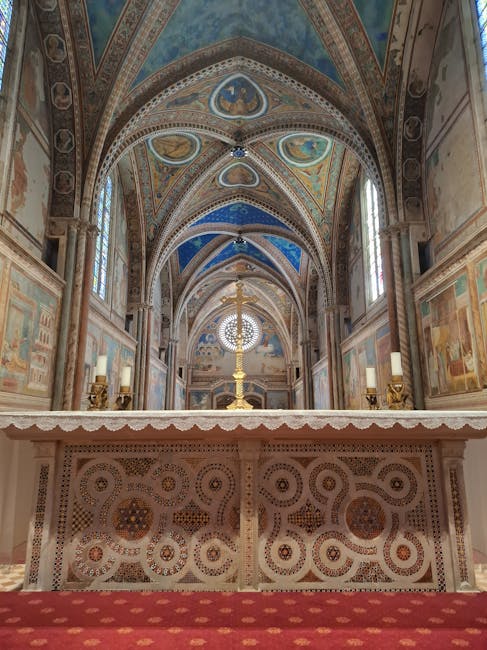
2. Città di Castello and Tela Umbra: industry, company museum and workshops
Città di Castello, in the province of Perugia, has long been a textile centre of Umbria. The historic brand Tela Umbra has shaped local development. The headquarters and factory shop are traditionally located in the town’s historic area; a commonly cited address for visitors is Via G. Marconi 78, 06012 Città di Castello (PG) — the shop is open Monday to Saturday from 9:00 to 13:00 and 15:00 to 19:00 (closed Sunday). Prices vary: tablecloths and household linens range from €30 (napkins) to €250 (complete sets or heavy linen pieces).
Visiting the workshop-shop gives an industrial perspective on the heritage: modern looms sit alongside pattern books and sample archives, while some artisans still preserve traditional looms. Many family-run companies now offer guided tours (by appointment) and beginner weaving or embroidery workshops (2–3 hours, indicative cost €30–60 per person). To book, call the shop or write to [email protected] (indicative email); always check availability during high season.
This small industrial museum explains how raw materials — linen, hemp, cotton — are transformed, dyed and woven. The interest for visitors lies in seeing artisanal know-how coexist with industrial production. Local tip: ask to see archive samples kept out of the display cases; some vendors will show century-old pieces if you come by appointment. Bargaining smartly helps: many shop items are outlet stock and can be shipped within Europe, which can save you the hassle of transporting heavy tablecloths on your trip.
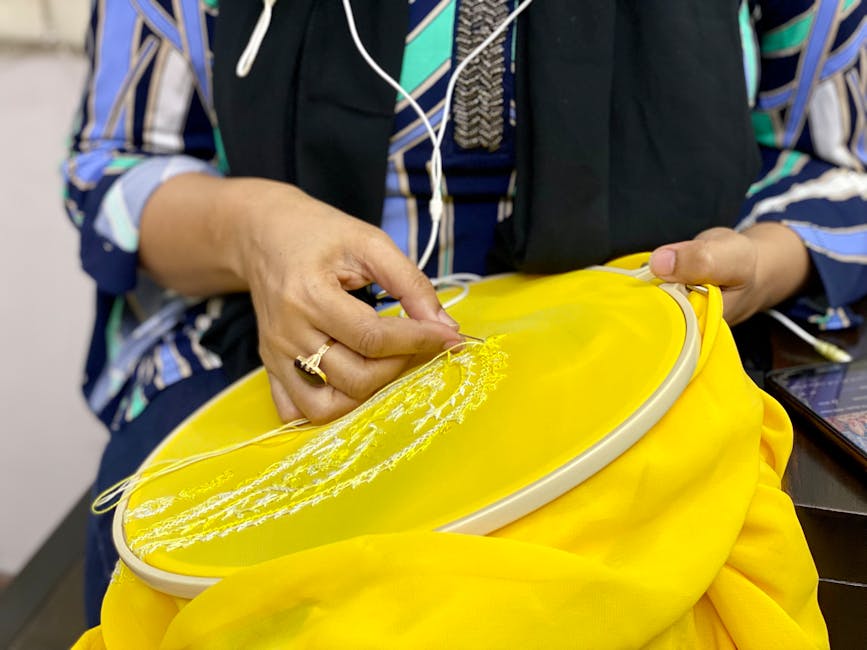
3. Foligno, Spoleto and Artisan Workshops: schools, courses and responsible shopping
Foligno and Spoleto are essential stops for anyone wanting to learn regional embroidery. In Foligno, the Laboratorio Ricami della Città (indicative address Via della Libertà 14, 06034 Foligno PG) runs half-day to two-day courses: average prices €25–70 depending on duration. These workshops teach traditional stitches — Umbrian cross-stitch, satin stitch, and gold-thread techniques used for ceremonial embroideries. Classes are usually given in the morning (9:30–12:30) and afternoon (15:00–18:00), with a break on Wednesdays. Groups are limited to 6–10 participants for personalised attention.
In Spoleto, several independent artisan workshops offer public demonstrations and private sessions. The Centro Artigianato Tessile, at Via S. Nicolò 20, 06049 Spoleto (PG), often opens on Fridays and Saturdays from 10:00 to 17:00. Handmade pieces — shawls, traditional corsetry, finely embroidered table linens — range from €20 for small items up to €300 for traditional high-fashion sets.
Local tips: come with realistic expectations — mastering a stitch takes time. If you plan to bring back a fragile fabric, ask the seller for a care certificate or special packaging. For purchases, favour fair trade and ask about the fibre origins. Workshops usually accept cash; bring some euros if you intend to buy on the spot. Finally, pair your visit with a local market — the weekly mercato — to discover supplies, antique buttons and locally dyed threads.
4. Thematic Routes and Events: when to see textile heritage in action
Timing your trip with the local calendar lets you see textiles in context: processions, fairs and municipal festivals where costumes and banners come alive. Events to note include the Fiera di San Feliciano in Città di Castello (dates vary, often in September) featuring artisans and demonstrations, and the Festa della Lana in Foligno (an alternating local event) dedicated to wool and spinning techniques.
For a themed itinerary: start in Assisi (Museo del Tesoro) for the liturgical angle, continue to Città di Castello for the industrial story and archives, then Foligno/Spoleto for hands-on learning and ethical shopping. Allow half a day for a museum, half a day for a workshop visit and a full day to take part in a course. Transport: a car remains the most convenient way to connect small towns; some train links exist, but check Trenitalia timetables for connections.
Practical tips for photographing and transporting textiles: respect the rules of sacred places (no flash on old fabrics), protect fragile purchases in tissue paper and plastic sleeves. For bulky purchases, request international delivery — many workshops cooperate with carriers and may charge €20–60 depending on weight. Above all, build relationships: most artisans are proud of their work and happy to offer a private lesson if you book in advance; a small tip or the purchase of a piece directly supports the preservation of their craft.
Conclusion: Preserve, Observe, Pass On
Umbria’s textile heritage is a quiet treasure: it reveals itself slowly, around a chapel corner, in the dimness of a museum or at a worktable where an embroiderer draws a thread taut. This guide offered concrete leads — addresses, hours, indicative prices and tips — to help you approach these materials and their stories. But beyond locations, it’s the visitor’s attitude that matters: slow down, ask questions, listen. Embroideries tell of a village’s devotion, a factory’s pride or a family’s memory. They deserve respect and curiosity.
When you return home, bring back fewer objects and more knowledge: techniques learned, names of artisans, contacts to support the trade. If possible, sign up for a longer course or finance a local restoration: safeguarding textile heritage depends on use and transmission. For responsible travellers, Umbria offers the rare chance to combine cultural tourism with direct support for the local economy — an opportunity to keep these traditions alive.
Finally, bear in mind that practical information (hours, prices, addresses) can change: always check with local tourist offices (Ufficio Turistico di Assisi, Via San Francesco 2, 06081 Assisi PG; Ufficio Turistico Città di Castello, Piazza Matteotti 1, 06012 Città di Castello PG) before you go. And above all: let yourself be moved by the finesse of a stitch, the patina of an old cloth and the human story hidden in every thread.