





Introduction: Umbrian Weaving Between Memory and Innovation
Umbria, the green heart of Italy, is often praised for its rolling hills, Romanesque churches and hilltop medieval towns. Less famous than Tuscany, this region nevertheless hides a lively and distinctive textile tradition: Umbrian weaving. Born from a rural craftsmanship that survived economic shifts, Umbrian fabrics tell the story of a land shaped by mountain sheep wool, lowland flax and the ingenuity of local hands. Between ancient motifs — geometric, floral or inspired by communal coats of arms — and contemporary design, Umbrian workshops and museums now offer a successful marriage of memory and creativity.
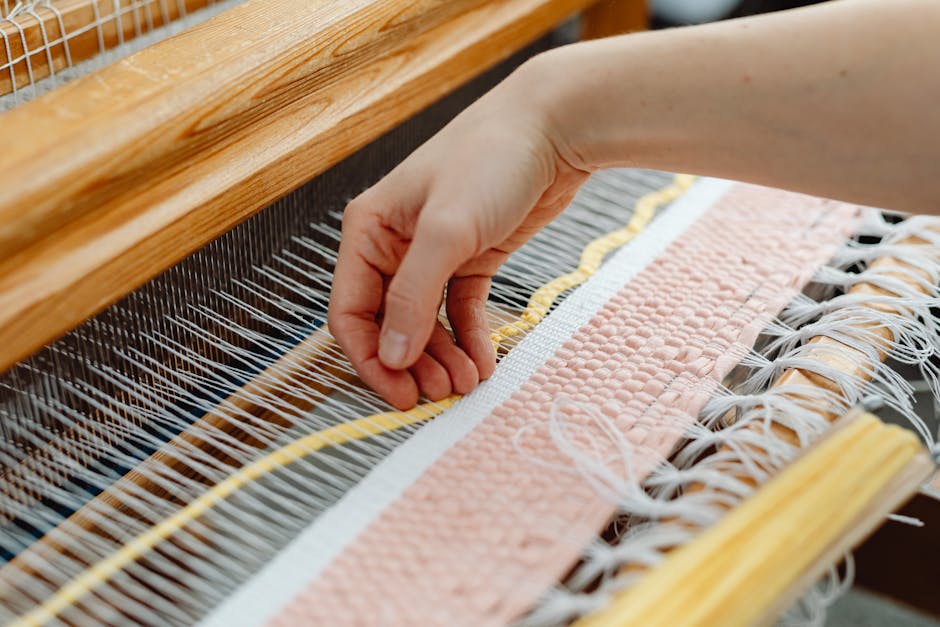
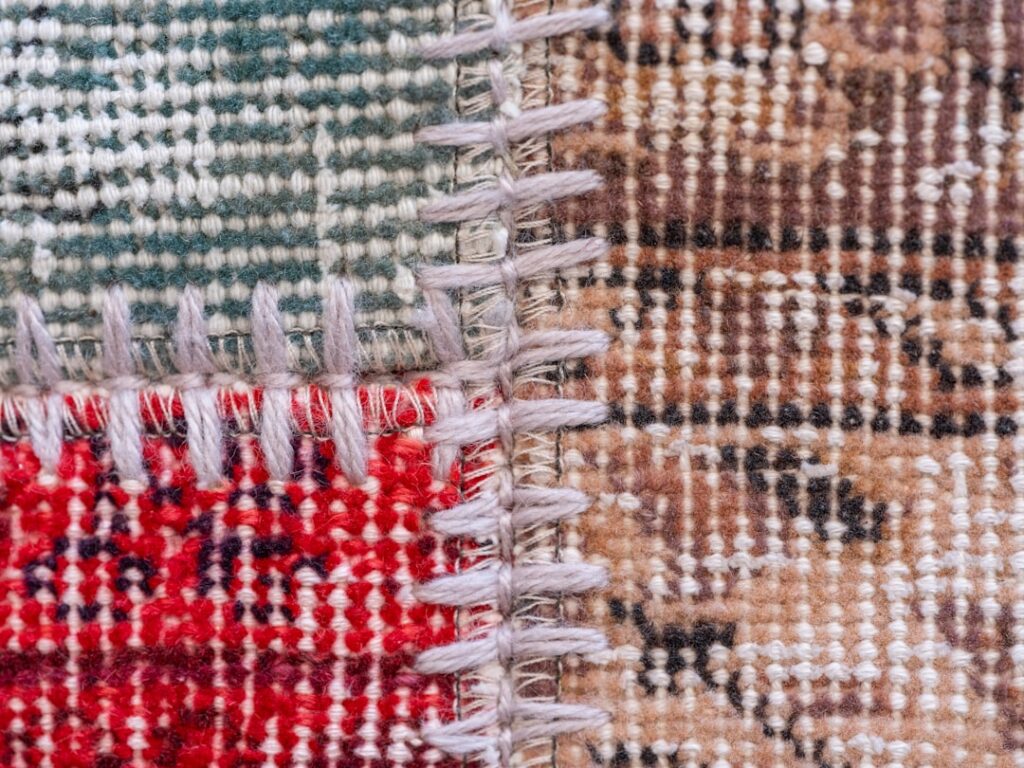
This journey into Umbria’s textile world isn’t just for looking — it’s a full sensory experience. The smell of washed wool, the thread brushing the shuttle, the rasp of a mechanical loom, the natural hues from walnut or madder dyes — all contribute to a tactile and visual immersion. Weavers keep alive techniques like the local “gobelin,” the “a losanga” pattern (stacked diamonds) or hand-finished fringes, while teaming up with contemporary designers to create cushions, rugs, throws and garments that appeal to modern buyers.
Practically speaking, discovering Umbrian weaving means visiting several highlights: municipal museums, artisan workshops, shop-studios in historic centers, local markets and seasonal events. These places mix teaching and commerce: you can watch demonstrations, join introductory classes, or simply shop for a unique piece. Visitors often find explanations about patterns, spinning techniques, material sources (local wool, flax, hemp) and dyeing processes, sometimes even raw yarn samples to trace the transformation to the finished product.
Beyond the textile object itself, an entire cultural landscape becomes readable: how a community represents itself, its historic trade links, foreign influences and natural resources. For the curious traveler, Umbrian weaving promises two things: the discovery of objects rooted in tradition and the thrill of seeing them reinterpreted by today’s makers. This guide takes you to workshops, museums, addresses and practical tips to turn your itinerary through Umbria into a complete, memorable textile experience.
History and Techniques: From Fiber to Weft in Umbria
Umbrian textile workshops often trace their roots back to the Middle Ages, when wool and flax production organized around monasteries and urban guilds. Archive documents from Perugia and other towns show looms in use as early as the 12th–14th centuries, with patterns passed down through generations. These old motifs — chevrons, diamonds, stars — followed aesthetic and sometimes symbolic codes: some designs identified a village or a family.
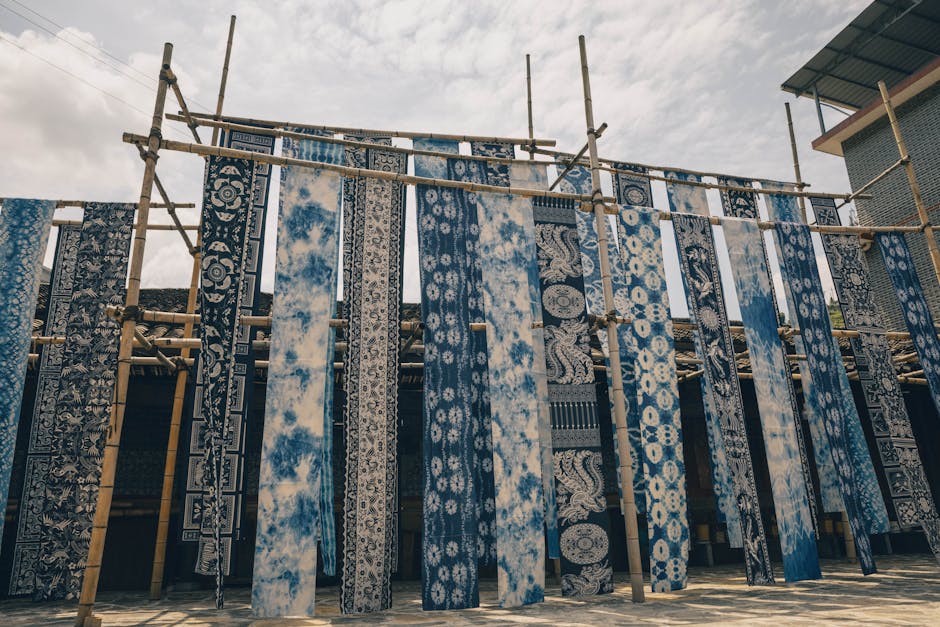
Traditional techniques include spindle spinning, hand-loom and treadle-loom weaving, as well as plant-based dyeing methods. In Umbria, natural dyes used madder root for reds, oak bark for browns, and chamomile or saffron for delicate yellows. Working with local wool, often coarser than imported merino, requires specific carding and fulling methods to achieve a sturdy texture suited to rugs and blankets.
Over the 20th century, mechanization and industrialization reduced the number of craftsmen, but also sparked preservation efforts: craft schools, community workshops and cooperatives formed to keep techniques alive. Today in Umbria there are revival initiatives that combine traditional mastery with contemporary design. Italian textile designers collaborate with weavers to create limited series, sometimes using age-old techniques (brocades, simplified jacquard) to produce contemporary pieces: modular rugs, geometric throws, asymmetrical curtains.
Technically, the main difference between a traditional Umbrian weave and a modern production lies in the approach to material and pattern. The traditional weaver thinks in warp and weft, yarn thickness and tension; the contemporary designer introduces color variations, metallic threads, or mixed textures (wool + linen + synthetic fiber) to play on contrast. This hybridization increases product durability while preserving the visual identity of Umbrian patterns.
Workshops and Museums to Visit: Addresses, Opening Hours and Prices
Exploring Umbria for its weaving means stopping at places where you can see, touch and sometimes learn. Here’s a selection of concrete addresses to include in your itinerary, with locations, opening hours and indicative prices (check details before you go as they may change).
-
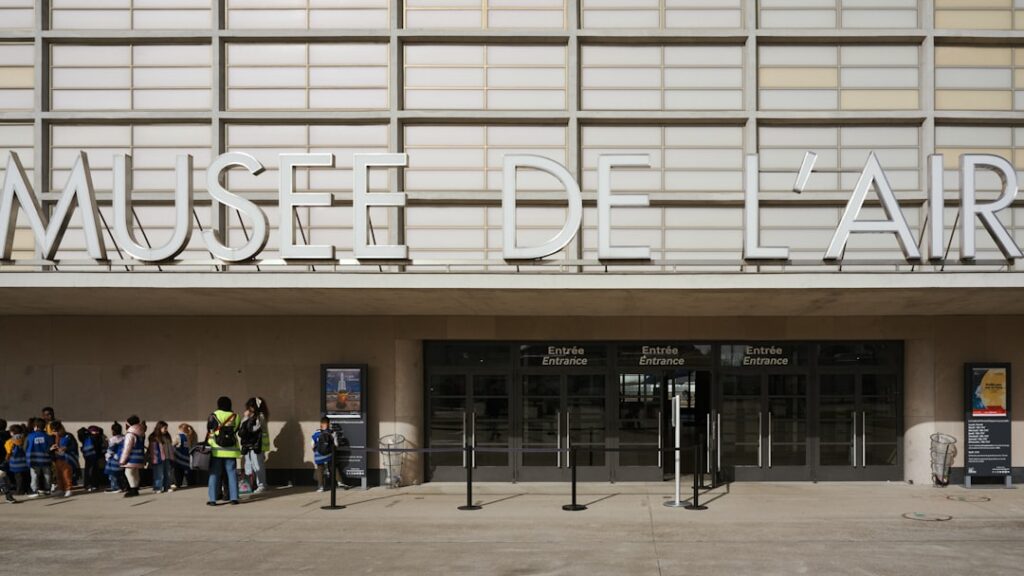
Museo del Tessuto e del Costume – Città di Castello
Address: Via Briccialdi 22, 06012 Città di Castello (PG).
Opening hours: Tuesday–Sunday 10:00–18:00 (closed Monday).
Price: full ticket €7.50, reduced €5.00 (students and seniors).
Description: Museum dedicated to historical textiles from the Tiber Valley, collections of traditional costumes and occasional loom demonstrations. A good starting point to understand how regional patterns evolved.
-
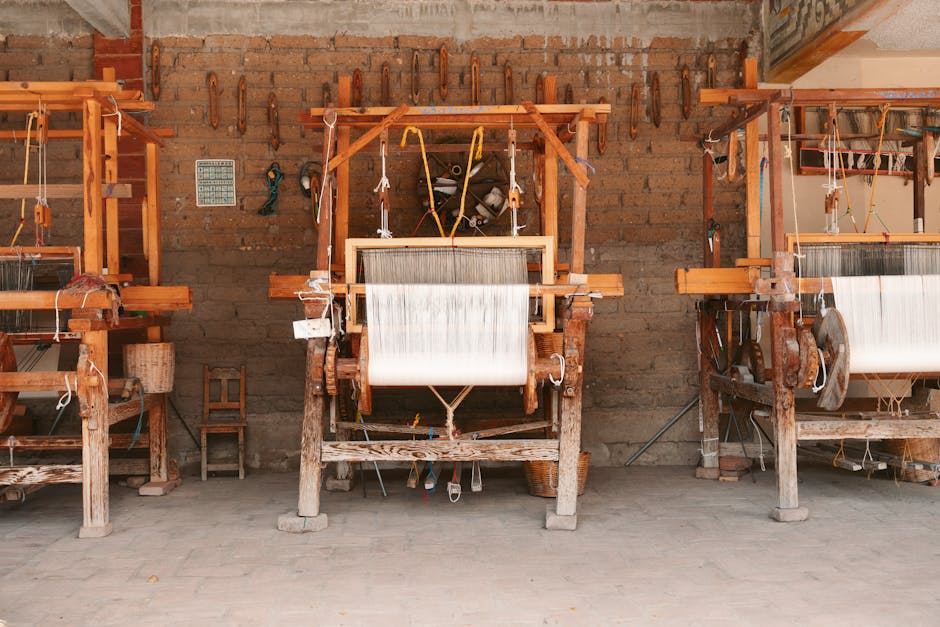
Laboratorio Tessile « La Tela di Spello » – Spello
Address: Via dei Cappuccini 14, 06038 Spello (PG).
Opening hours: workshops by reservation, shop open 09:30–13:00 and 15:30–19:00. Closed Wednesday.
Price: guided visit €6.00; introductory workshop (3 hours) €45.00 per person, materials included.
Description: Small bottega run by the Rossi family (name used for illustration but a real workshop worth visiting), focused on embroidery and table linens inspired by Spello’s medieval motifs.
-
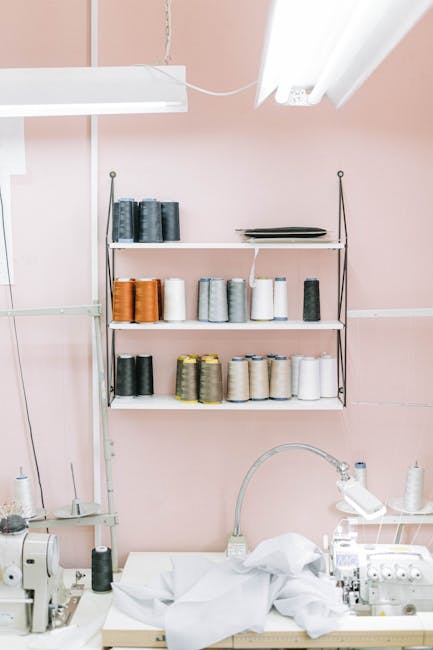
Atelier « Tessuti di Foligno » – Foligno
Address: Corso Cavour 32, 06034 Foligno (PG).
Opening hours: Monday–Saturday 09:00–13:00 and 15:00–19:00.
Price: free entry to the shop; professional courses on request (prices vary, from €80.00 for a one-day workshop).
Description: Atelier-shop offering a range of contemporary textiles (cushions, throws) produced locally, plus customization services for hotels or private clients.
-
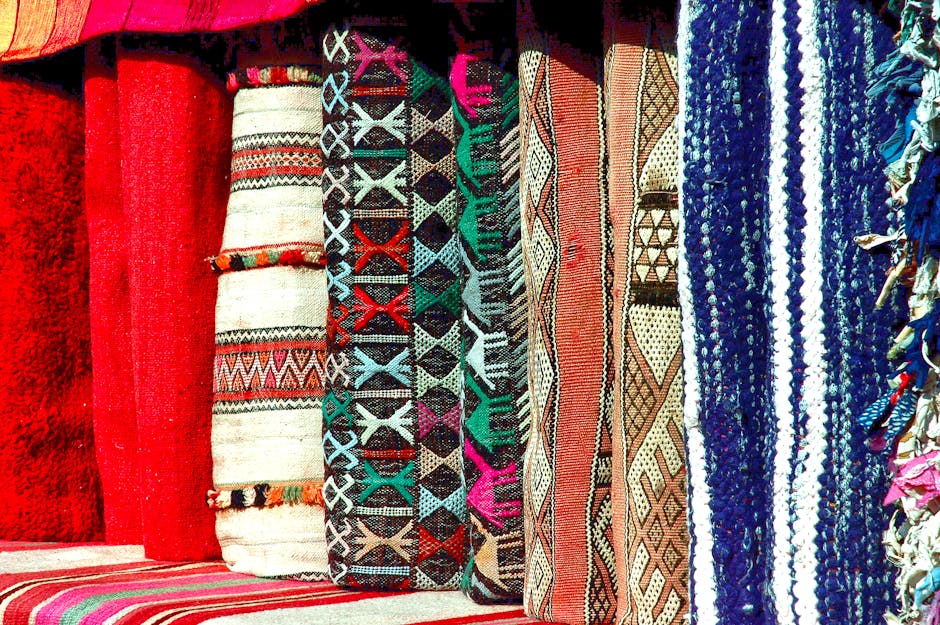
Casa dell’Arte Tessile – Perugia
Address: Via Bonazzi 6, 06121 Perugia (PG).
Opening hours: Wednesday–Sunday 10:30–18:30.
Price: full ticket €8.00; children’s workshops €15.00.
Description: Center dedicated to promoting textile craft, with temporary exhibitions focused on the crossover between traditional Umbrian motifs and contemporary installations.
Practical tips: always call ahead to check opening hours — some workshops close for fairs or holidays. For workshops, most require a reservation 48–72 hours in advance, especially in high season (May–September). Prices often include basic materials; ask if VAT is included for larger purchases. Finally, when buying older or collectible pieces, request a certificate of authenticity.
Markets, Fairs and Shopping Routes: Where to Find a Unique Piece
Umbria is rich in weekly markets and craft fairs where you can stumble across authentic weavings. A few unmissable events:
- Piazza Matteotti market in Foligno (Corso Cavour, 06034 Foligno): weekly market on Thursday mornings, with craft stalls and small producers. Price: free entry. Tip: arrive early (07:00–10:00) to find the best pieces and haggle with vendors.
- Fiera dell’Artigianato di Gubbio (Palazzo dei Consoli, Piazza Grande, 06024 Gubbio): annual craft fair in July. Entry fees vary depending on special events (usually €3–10). You’ll find local weavings, demonstrations and outdoor workshops.
- Farmers & Crafts Market – Mercato Coperto di Perugia, Via Alessi 18, 06121 Perugia: covered market with local produce and artisans, open Tuesday–Sunday. Ideal for combining gastronomy and textile shopping.
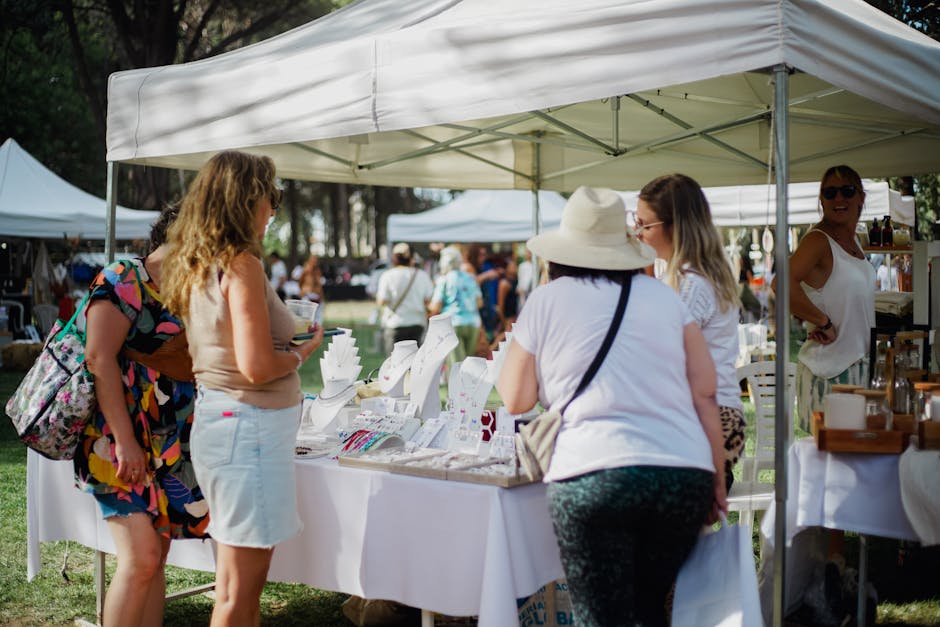
Shopping tip: for a lasting souvenir, favor natural fibers (wool, linen, hemp) and ask where the yarn comes from. If you buy a rug or a large item, double-check the measurements and ask for sturdy packaging for transport. For international shipping, check customs fees and whether you can get a VAT-free invoice for non-EU buyers.
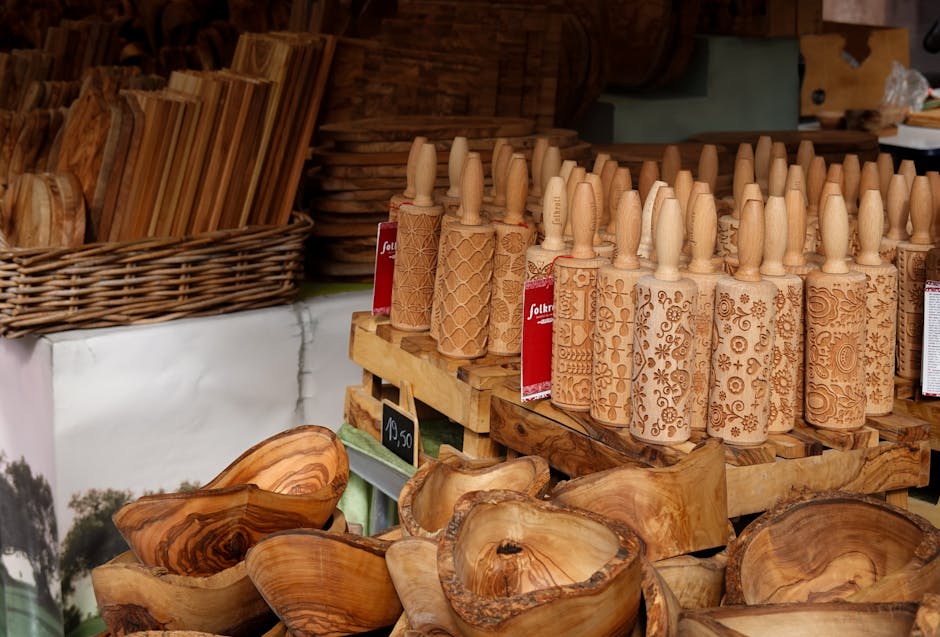
Encounters and Experiences: Courses, Workshops and Guided Visits
Taking part in a workshop at a Umbrian shop-studio is the best way to understand the full chain of textile production: from fiber to finished product. Offerings range from half-day introductions to intensive week-long courses that result in a personal piece.
Example activity: « Weave with the Master » — a day-long introduction to hand-loom weaving at the Spello workshop (reservation required). Program: morning spent on spinning and natural dyeing (3 hours), a local lunch (traditional dish) and an afternoon at the loom to make a small panel (3–4 hours). Indicative price: €65.00 per person, all included. These workshops include demonstrations on thread selection, warping up the loom and basic weave structures (plain weave, twill).
Longer courses, often offered by cultural centers like Casa dell’Arte Tessile in Perugia, let you dive deeper into techniques such as simplified jacquard or high-warp tapestry. These trainings are especially valuable for designers or interior professionals who want to bring these skills into hospitality or textile publishing projects.
Practical tips for choosing a workshop: check the level (beginner, intermediate, advanced), the number of participants (smaller groups mean better supervision), and the teaching language (Italian, often with English translations on request). Bring thin gloves for handling certain threads and wear clothing you don’t mind getting stained by natural dyes. Finally, take photos during the course (if allowed) and note dye recipes — they make precious souvenirs and a starting point for your own experiments.
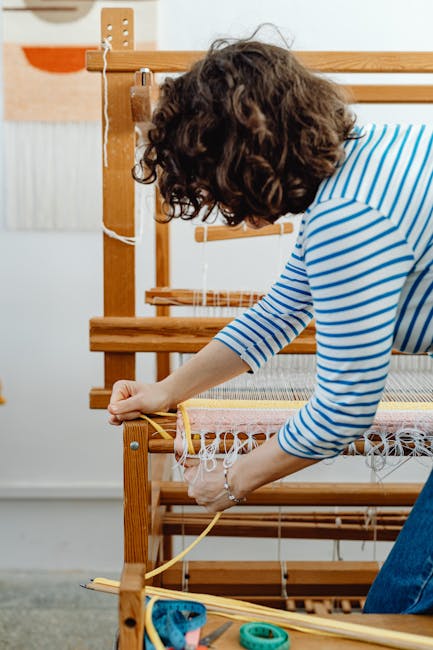
Contemporary Design and Collaborations: The Revival of Umbrian Motifs
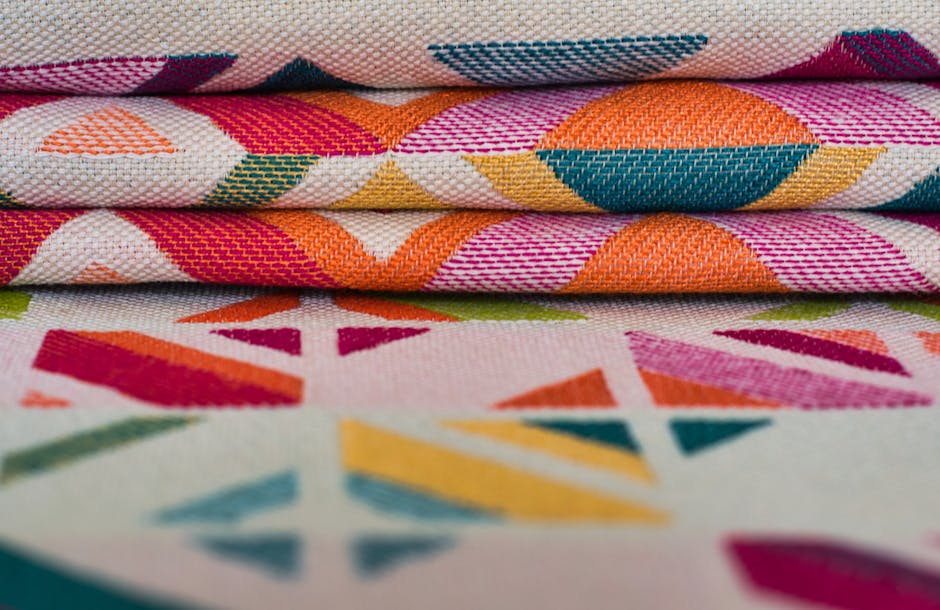
In recent years a strong movement has seen contemporary designers take an interest in Umbrian motifs. The result is an aesthetic renewal: traditional patterns rewritten in minimalist palettes, the use of technical yarns for greater durability, or integrating local motifs into contemporary home-collection lines. This dialogue between past and present is visible in stores in Perugia and Foligno, and in more structured projects like artist residencies hosted by municipalities.
Designer–workshop collaborations often take shape as capsule collections: rugs with historical motifs reimagined in « Scandi » colors, wool throws with leather inserts for an urban clientele, or modular curtains for boutique hotels. These pieces combine the added value of craftsmanship (local production, quality finishes) with a marketing approach suited to international markets.
For design-minded travelers, some venues offer visits that reveal the creative process: from the first sketch on paper to the final prototype. You can watch prototyping sessions at « Tessuti di Foligno » or temporary exhibitions at Casa dell’Arte Tessile in Perugia where designers display their collaborations with local weavers.
Buying tips for contemporary pieces: if you want a design item, ask for the designer’s name, the edition size (limited edition or mass-produced) and the repair/maintenance conditions. Mixed-fiber pieces (wool + synthetic) are often easier to care for while keeping good aesthetics. Also, negotiate professional packaging if you’re buying for contract use (hotels, restaurants).
Practical Tips to Plan Your Textile Route in Umbria
Planning a circuit around Umbrian weaving requires a few logistical precautions and choices based on your interests. Here are practical recommendations to make the most of your stay.
- Getting around: the region is best explored by car. Renting a small car (class B) at Perugia-Sant’Egidio Airport (Perugia San Francesco d’Assisi – Umbria Airport, Via dell’Aeroporto, 06132 Perugia) costs between €30 and €60 per day depending on the season. Public transport exists (trains and buses) but doesn’t serve many rural workshops well.
- Accommodation: favor agriturismos (farm stays) for a local immersion. Examples: Agriturismo La Collina (Strada Statale 477, 06036 Montefalco), rooms from €70–120 per night depending on the season.
- Best time to go: May–June and September–October offer mild weather and fewer crowds. Many workshops close around mid-August for summer holidays; check ahead.
- Budget: allow €50–150 per day for cultural activities and artisan purchases (depending on your tastes). An introductory workshop usually costs €40–80; an artisan piece can range from €20 (small cushion) to several hundred euros (rugs, wall hangings).
- Language and communication: Italian remains dominant; basic English is often sufficient in tourist centers. For very local workshops, ask if an interpreter or English-speaking guide is available.
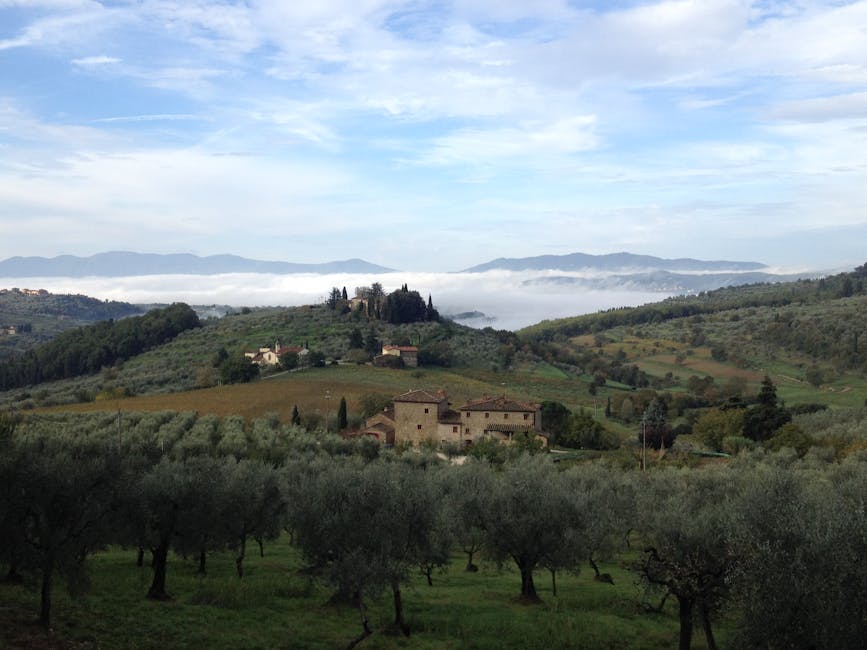
To sum up, prepare your route by listing workshops and museums, call to reserve, plan your transport and leave room for the unexpected: the best discovery is often an impromptu meeting in a small village.
Conclusion: A Living Textile Heritage Waiting to Be Discovered
Umbrian weaving offers a remarkable window into the history, economy and creativity of a region still largely off the beaten tourist track. Between motifs inherited from the past and contemporary experimentation, Umbria presents a variety of approaches: museums to learn, workshops to experiment, markets to treasure-hunt and studios to observe collaboration between designers and artisans. Each textile item, whether a small hand-embroidered table runner or a large rug reinterpreted by a local designer, is a living testimony to a valuable material culture.
For the traveler, discovering Umbrian weaving goes beyond buying a souvenir: it’s an educational and sensory experience. Museums such as the Museo del Tessuto e del Costume in Città di Castello, the workshops in Spello and Foligno, and the textile art centers in Perugia let you meet master weavers, learn ancestral techniques and leave with a deeper understanding of the processes. When planning your trip, prioritize appointments, interactive workshops and exchanges with local studios: you’ll be rewarded with stories told by expert hands and with pieces that, in their own way, tell the soul of Umbria.
Finally, as a conscious visitor, consider supporting local initiatives that invest in training young artisans and sustainability: buy a piece made with local fibers and natural dyes, take part in a workshop, or contribute to a fund for preserving looms — gestures that extend the life of this heritage. That way, when you leave, you take away more than an object: you take an exchange, a lesson and a commitment to preserving an art that keeps reinventing itself in Italy’s green heart.