





Introduction — Forgotten Lanes: Exploring Umbria’s Secret Borgos
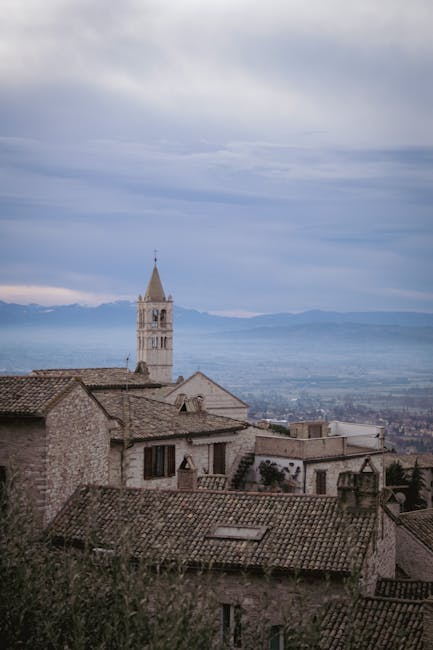
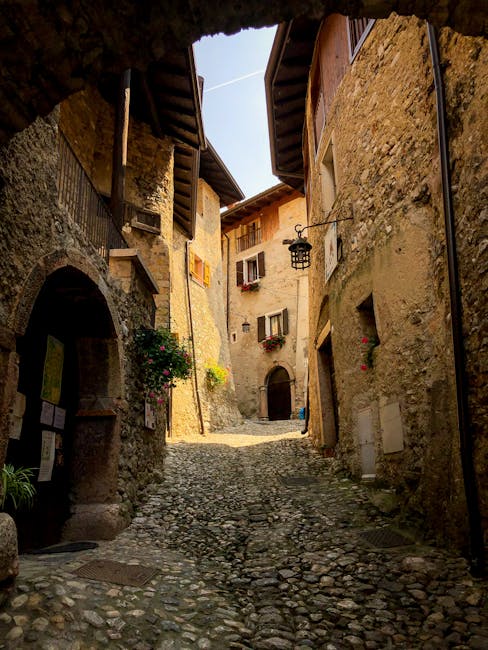
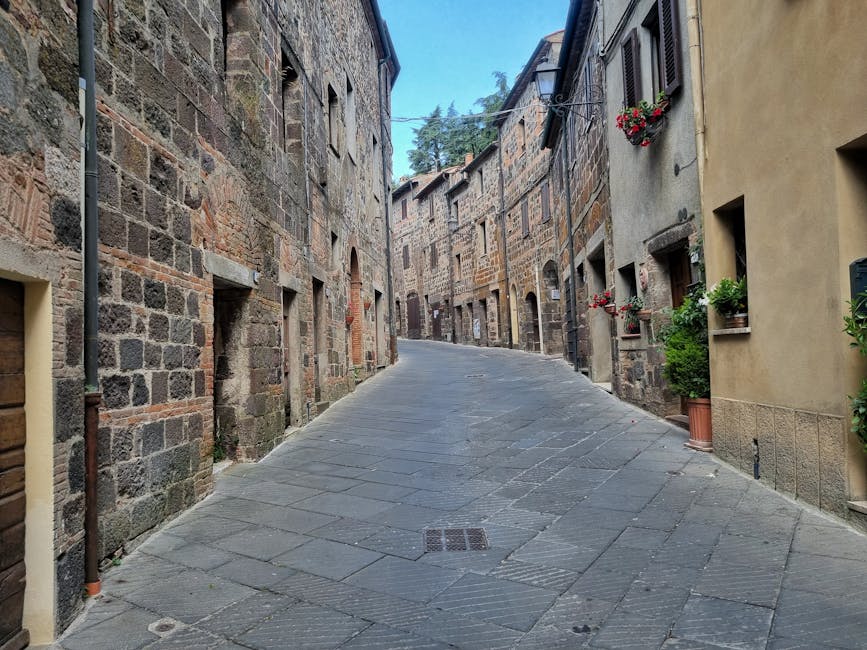
Umbria is often called Italy’s green heart: a land of olive groves, rolling hills and medieval towns etched against the sky. Beyond better-known spots like Assisi, Perugia or Orvieto, there’s a quieter web of forgotten lanes and tiny settlements — the borgo — that still keep the feel of another era. These places, often no bigger than a few streets, offer a sensory immersion: the creak of a wooden door, the scent of wood smoke from a hearth, the warmth of a craftsman shaping iron or wool in a century-old workshop. This guide will take you into those secret corners of Umbria, with cobbled alleys, hushed squares, hidden chapels and vistas you won’t tire of.
This isn’t a dry tourist checklist. Think of it as a curiosity-driven itinerary: how to get there, what to see, where to eat and what small expenses to expect. You’ll find full addresses, practical opening times, prices in euros and local tips to enjoy these borgos away from the crowds. Whether you’re hiking, photographing, digging into history or hunting for regional treats, these forgotten lanes promise genuine encounters and surprises at every turn.
We’ll cover famous but sometimes overlooked towns (like Spello or Bevagna) and wander off to lesser-known hamlets ringed by vineyards and olive groves. Each section maps a walking route through the historic centre, notes free and paid sites (with approximate prices), lists delicatessens, osterie and typical places to stay, and gives tips for photography and cultural discovery. Visual cues 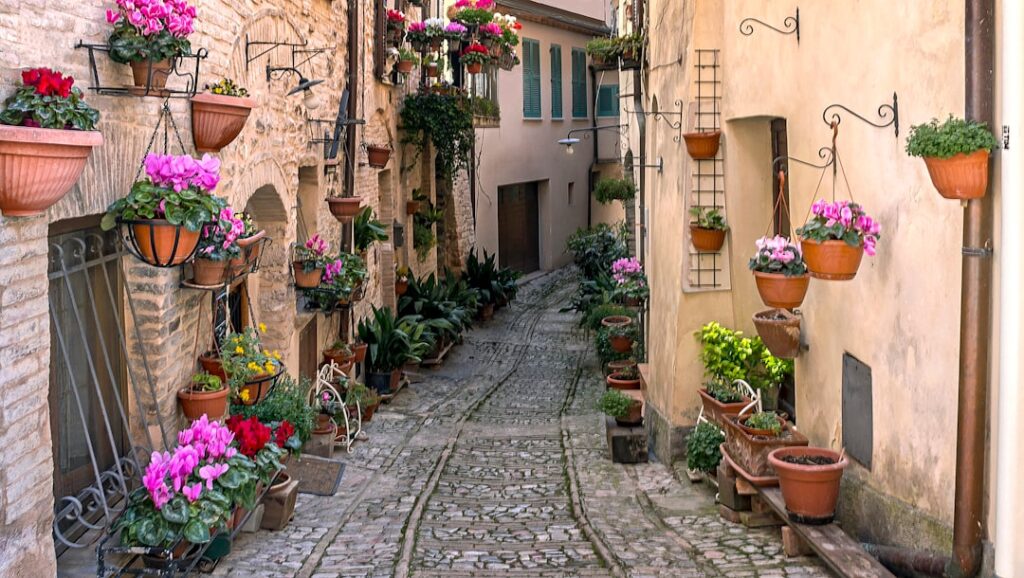 punctuate the text to help you picture the scenes.
Important note for travellers: these borgos change slowly. Some shops close in the afternoon for siesta (usually from 13:00 to 16:00); religious services and local festivals can alter access to certain lanes; and seasonal events — antiques markets, food fairs, patron saint celebrations — can transform the atmosphere completely. Plan ahead, but leave room for the unexpected: often the best discovery is a small alley not marked on any map. Pack comfy walking shoes, curiosity and a camera. Let’s go meet Umbria’s secret borgos.
Spello: Living Postcards and Flower-Decked Steps
Spello is one of the clearest examples of a borgo that blends medieval elegance with a meticulous eye for detail. Perched on the slopes of Mount Subasio, Spello is best explored on foot; its sloping lanes, lined with ancient stone and often hung with flowers, create intimate scenes around every corner. Start at the Porta Consolare (Porta Consolare), a great arrival point for orienting yourself: Via Porta Consolare, 06038 Spello PG, Italy. From there, climb Via Giulia up to the Chiesa di Santa Maria Maggiore (Piazza della Repubblica, 1, 06038 Spello PG): the church is free to enter, usually open from 08:30–12:30 and 15:00–18:30, and houses notable Umbrian frescoes.
One of Spello’s charms is the mix of lived-in private homes and open artisan workshops. Visit the Casa Romana di Spello (Via dell’Arco, 2, 06038 Spello PG), a small archaeological museum with mosaics and Roman remains; admission: around €4.00 per adult; opening hours: 09:30–13:00 and 15:30–18:30 (closed Mondays, check during high season). Wander toward the Porta Venere for panoramic views over the Umbrian valley: access is free; sunset is the best time.
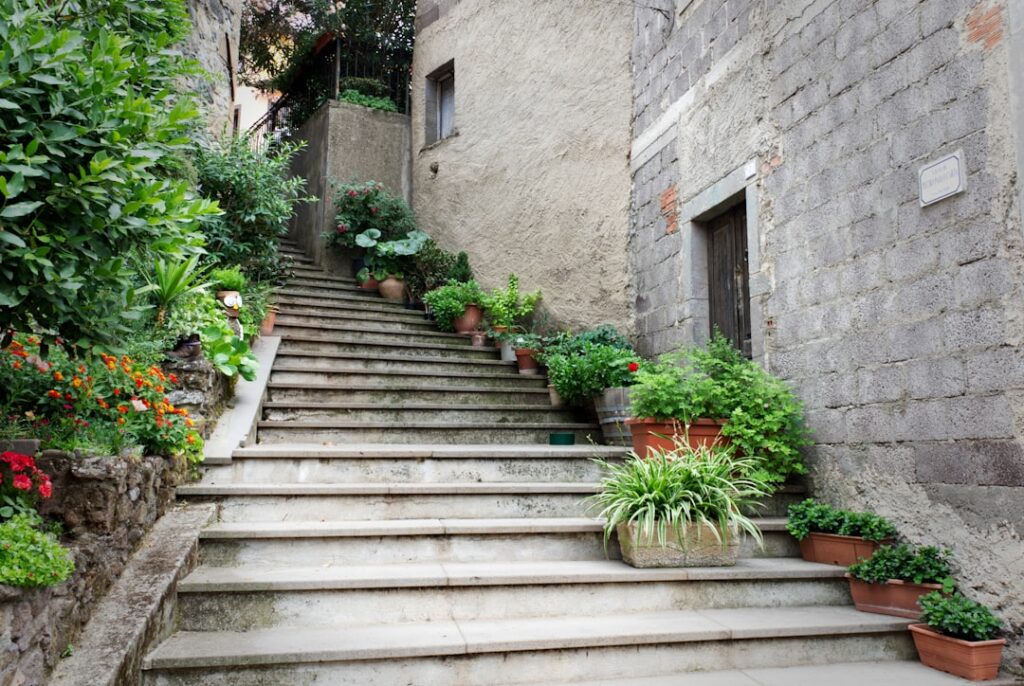
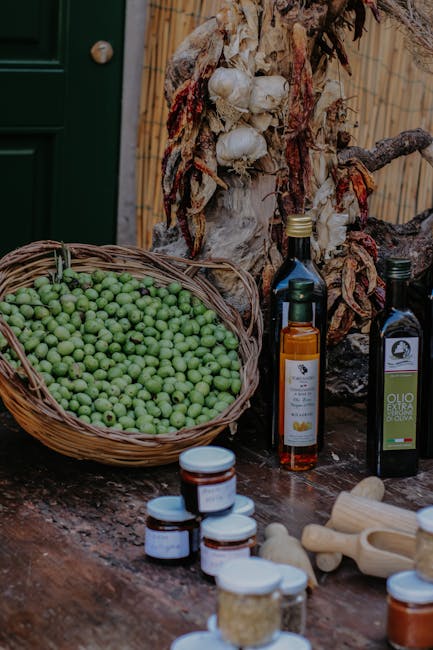
Practical tip: Via Cavour and Via Giulia are very narrow — exploring on foot is recommended. For an authentic lunch, head to Osteria Piazzetta dell’Unità (Piazza Collicola, 3, 06038 Spello PG): traditional dishes, average price €12–€20 per plate; opening hours: 12:00–14:30, 19:00–22:30. If you’re shopping for local produce, the deli Bottega di Matilde (Via Consolare, 10, 06038 Spello PG) sells olive oil, farro and regional wines; open 09:00–13:00 and 16:00–19:30, closed on Tuesdays.
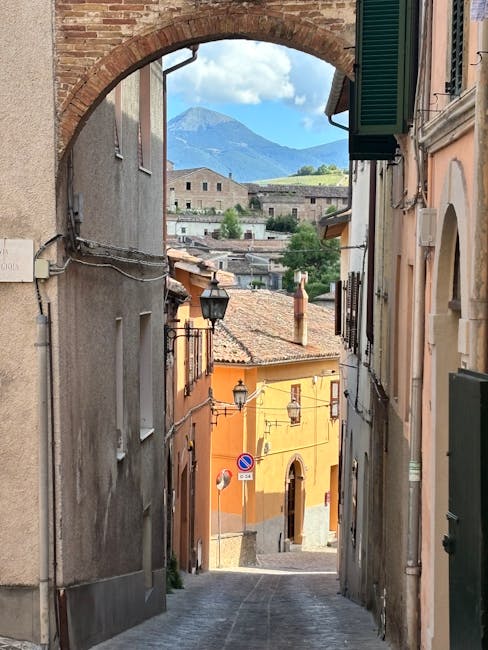
For photographers: aim for the soft morning light (07:00–09:00) or the late afternoon glow (17:00–19:30). The decorated steps during the Infiorata (a major floral event, usually in early June) are a must-see; if you travel in June, book accommodation early: B&Bs like Casa Florentina (Via S. Lorenzo, 5, 06038 Spello PG) charge high-season rates around €80–€120 per night.
Bevagna: Living Memory of Crafts and Medieval Markets
Bevagna, a small gem in the Topino valley, is an open-air history lesson. The centre unfolds around Piazza Silvestri — Piazza Silvestri, 1, 06031 Bevagna PG — a square that still echoes with the footprint of medieval fairs and forms the living heart of the borgo. Start at the Basilica di San Michele (Piazza Silvestri, 06031 Bevagna PG): its Romanesque architecture and carved capitals are usually accessible without an entrance fee; opening hours: 09:00–12:30, 15:00–18:30. Bevagna is also a hub for crafts: pottery studios, weavers and bakers preserve ancestral skills.
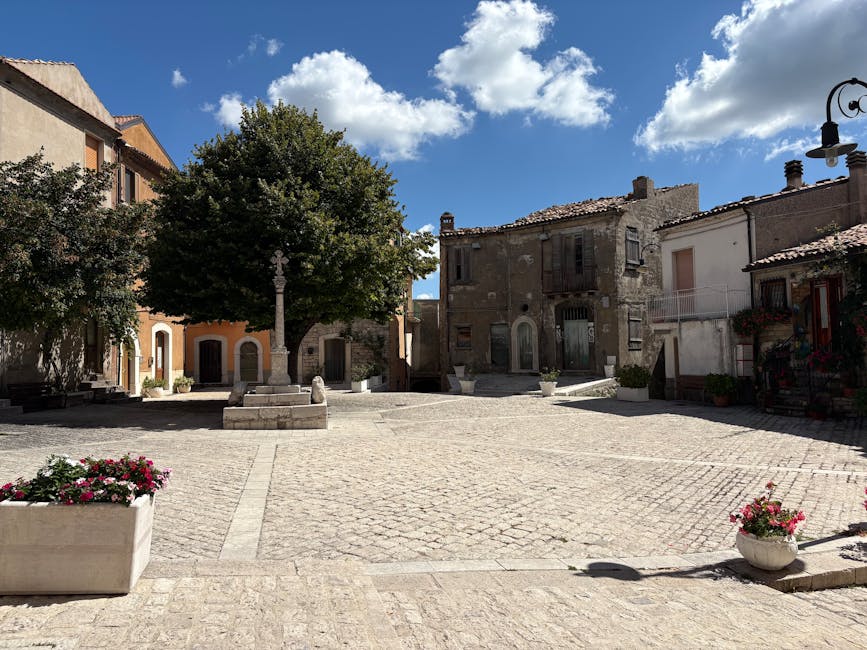
The Museo Civico di Bevagna, housed in the Palazzo dei Consoli (Corso Matteotti, 33, 06031 Bevagna PG), dives into urban archaeology and medieval objects; approximate fee: €3.00–€5.00, hours: 10:00–13:00 and 15:00–18:00, closed on Mondays. Close by is the Chiesa di San Silvestro (Via di Mezzo, 2, 06031 Bevagna PG) — a small church often open for Mass and visitors between 09:00 and 18:00; entry is free.
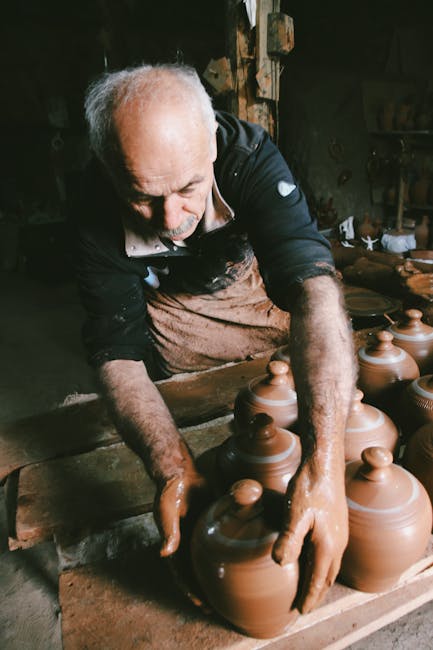
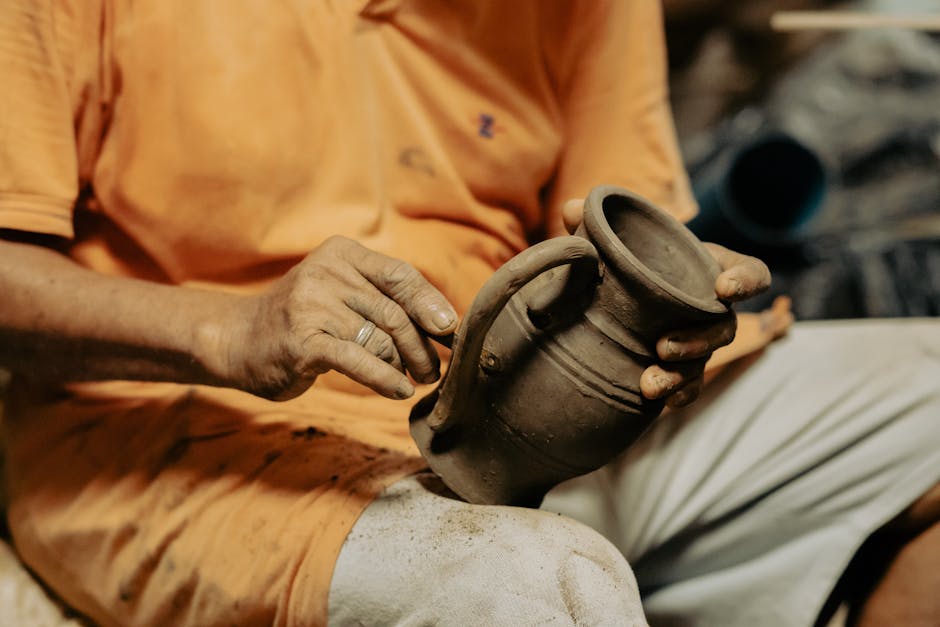
Don’t miss the artisans’ streets (Via Guglielmi and Via Maestà delle Volte) where potters and blacksmiths work; many workshops offer free demonstrations or paid classes lasting an hour or two: prices typically €15–€35 depending on duration and activity. For a tasty break, Osteria del Teatro (Via Cesare Battisti, 6, 06031 Bevagna PG) serves traditional Umbrian dishes: a full meal costs about €18–€35, opening hours: 12:00–14:30 and 19:00–22:30.
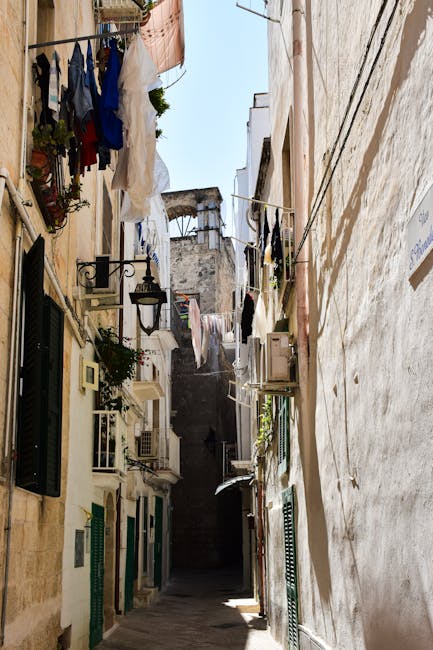
Events: Bevagna is famed for the Festa delle Gaite (late June–July), a historical reenactment that transforms the whole borgo — shops and lanes don period costumes and stalls. If you visit off-season, the weekly Friday market (Piazza Silvestri) is a great way to meet locals and buy fresh produce: vegetables, cheeses and cured meats. To stay overnight, the Locanda del Sol (Corso Matteotti, 40, 06031 Bevagna PG) offers double rooms from around €70–€100 per night depending on season.
Montefalco and Cannara: Wine Hills, Quiet Lanes and Reliquary Churches
Montefalco — sometimes called the “balcony of Umbria” — blends vineyard panoramas with medieval alleys. Head to the historic centre around the Piazza del Comune (Piazza del Comune, 06036 Montefalco PG): a walk along the walls gives a clear sense of the area’s famed wine production. Visit the Museo di San Francesco (Piazza San Francesco, 10, 06036 Montefalco PG) for its frescoes and sacred art collection: approximate admission €5.00; hours: 10:00–13:00 and 15:00–18:00.
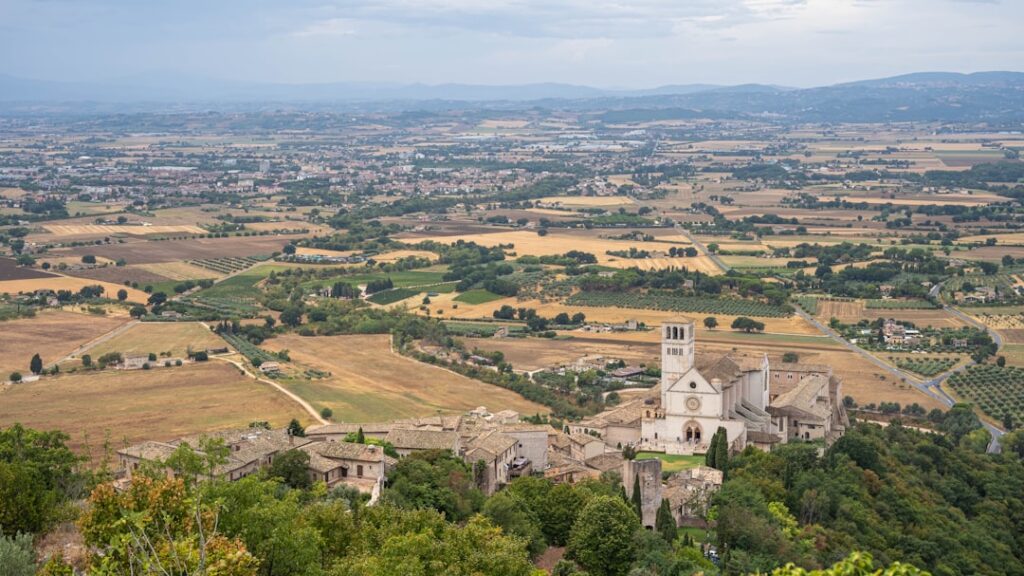
The local speciality, of course, is Sagrantino di Montefalco — a tannic, full-bodied wine. For tastings, the Enoteca di Montefalco (Via G. Matteotti, 4, 06036 Montefalco PG) runs guided tasting sessions: prices €10–€25 depending on the number of wines; hours: 10:00–13:00 and 16:00–19:00. The town itself is a maze of small lanes with family-run osterie and olive oil shops. Ristorante La Fuga (Via Garibaldi, 12, 06036 Montefalco PG) offers a tasting menu from €38.00 per person; booking recommended.
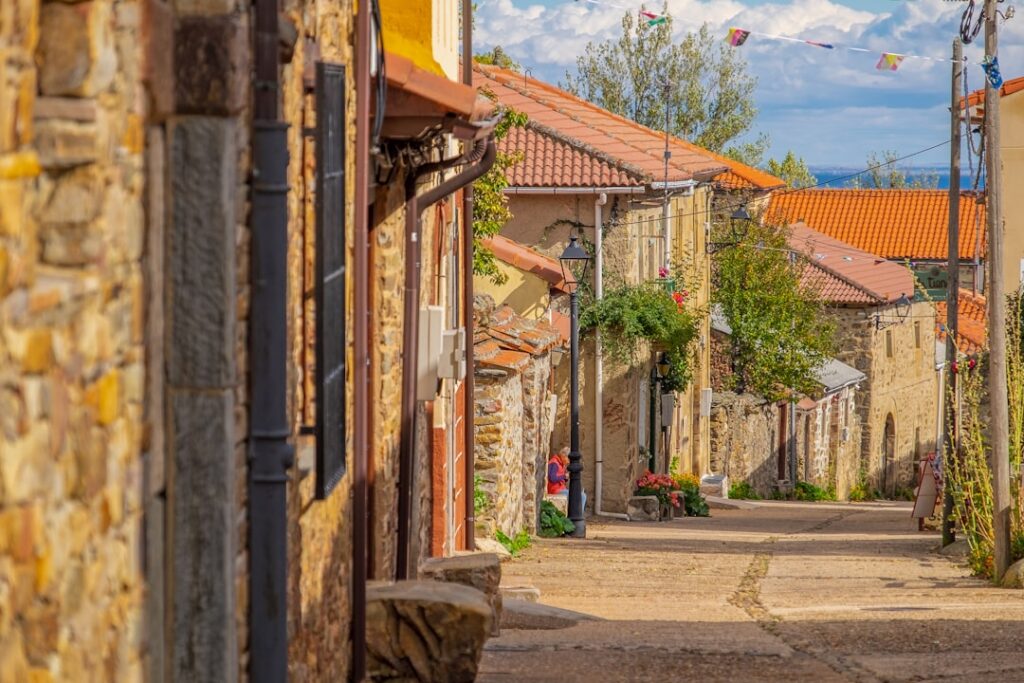
A few kilometres away, Cannara is humbler but worth the stop for its low lanes and artichoke production (the local Fiera dell’Articiocca is a typical event). Useful address: Piazza Garibaldi, 1, 06033 Cannara PG. The Chiesa di San Matteo (Via Roma, Cannara) retains a simple, devout atmosphere; access is free outside of services.
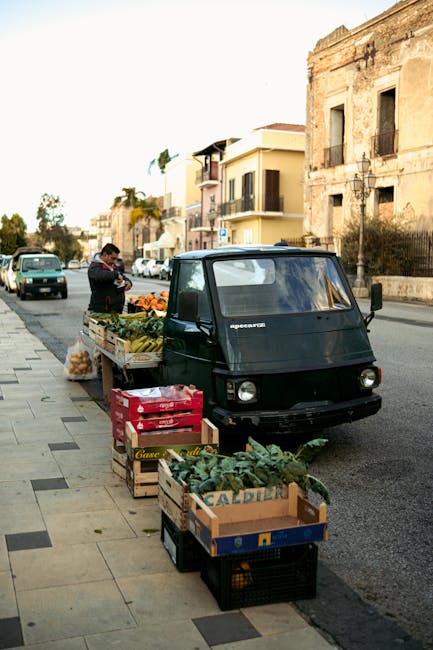
Route tips: driving from Montefalco to Cannara takes about 15–20 minutes (roughly 10 km); the roads are winding but always scenic. For landscape photographers, morning and evening light catches vineyard rows and emphasizes the rolling hills. Budget for a day of wine and food: plan on €40–€80 per person for tastings, lunch and small purchases.
Gubbio and Nearby Hamlets: Medieval Lanes, Ceramics and Panoramas
Gubbio is often praised for its spectacular Piazza Grande, but by wandering its neighbouring lanes and exploring the surrounding hamlets you’ll find the borgo’s most secret sides. Start at the Piazza Grande (Piazza Grande, 06024 Gubbio PG): the public square is lined with Gothic buildings and steps that plunge into quarters mixing craft shops and small family homes.
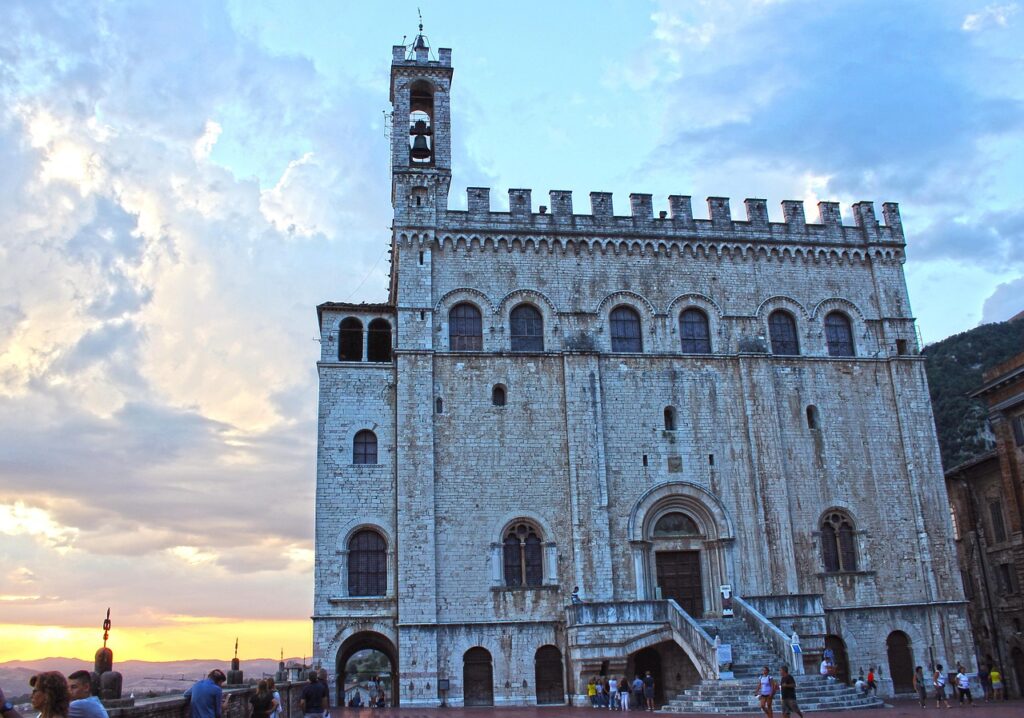
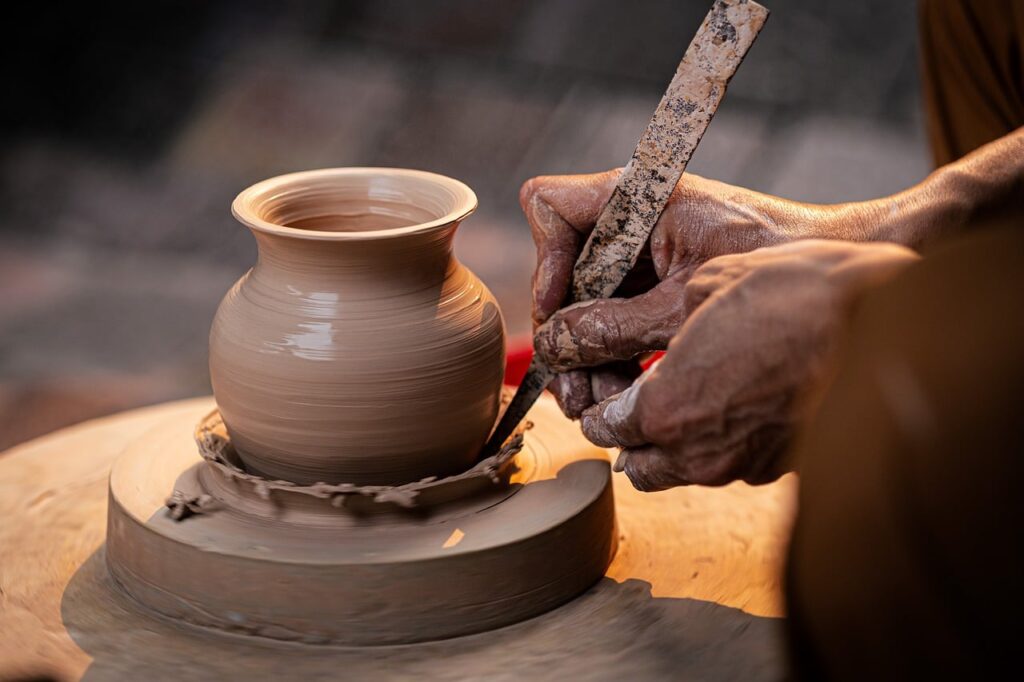
The Palazzo dei Consoli (Piazza Grande, 1, 06024 Gubbio PG) houses the civic museum: general admission around €6.00; opening hours vary but often 09:00–18:00 in summer, 09:30–16:30 in low season. The lanes descending toward the Porta Romana (Via dei Consoli, verso Porta Romana) offer picturesque views and lead to ceramics workshops where you can watch traditional pieces being made; demonstrations are often free, while more advanced workshops cost €20–€50.
On Gubbio’s outskirts you’ll find hamlets like Cerreto di Gubbio and Colle del Capitano; these places keep small chapels and stone houses, sometimes reachable only on foot via farm tracks. For an immersive experience, follow the trail up to Monte Ingino and its basilica (Basilica di Sant’Ubaldo, Via Sant’Ubaldo, 06024 Gubbio PG); the funicular to the basilica costs about €3.50 one-way, with schedules that change by season.
Food stops: Trattoria del Teatro (Via Porta Romana, 12, 06024 Gubbio PG) serves local dishes like tortellini in brodo and herb-grilled specialties; a full meal is about €15–€30. For a sweet treat, Pasticceria Forno di Gubbio (Via Cavour, 7, 06024 Gubbio PG) offers local pastries: coffee + pastry €4–€6.
Practical Tips and Sample Routes for Exploring Forgotten Lanes
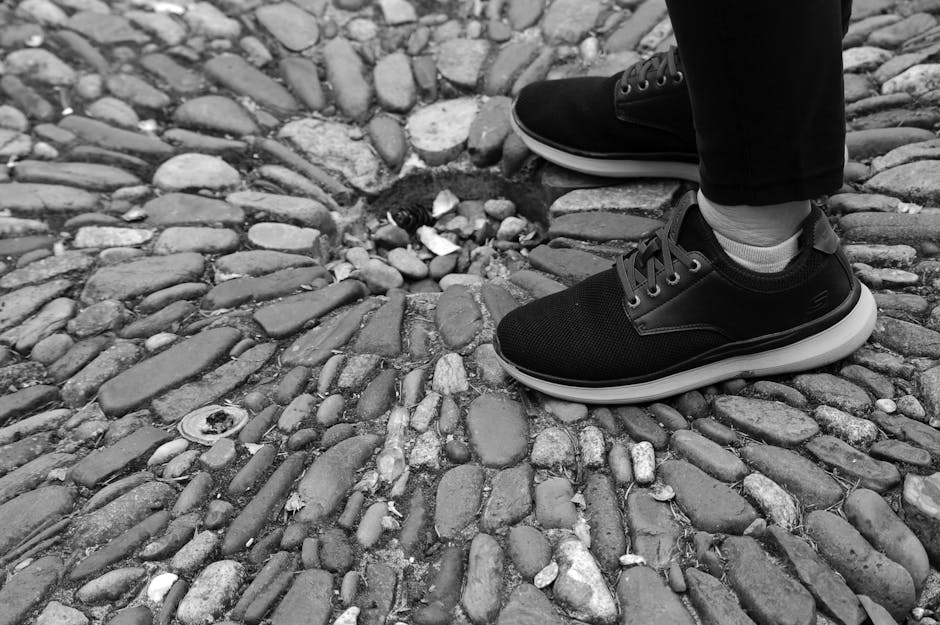
Exploring Umbria’s secret borgos needs a bit of logistics and a lot of flexibility. Here are concrete tips and sample routes for a successful discovery. First rule: comfortable shoes are a must. Cobblestones, steps and sloping lanes call for sturdy footwear and extra care.
Times and seasons: many small shops and museums have split opening hours (closed between 13:00 and 16:00). The best times to visit are spring (April–June) and autumn (September–October): mild temperatures, ideal light for photography and fewer crowds. Summer months (July–August) can be busy locally; some streets, however, stay peaceful early in the morning.
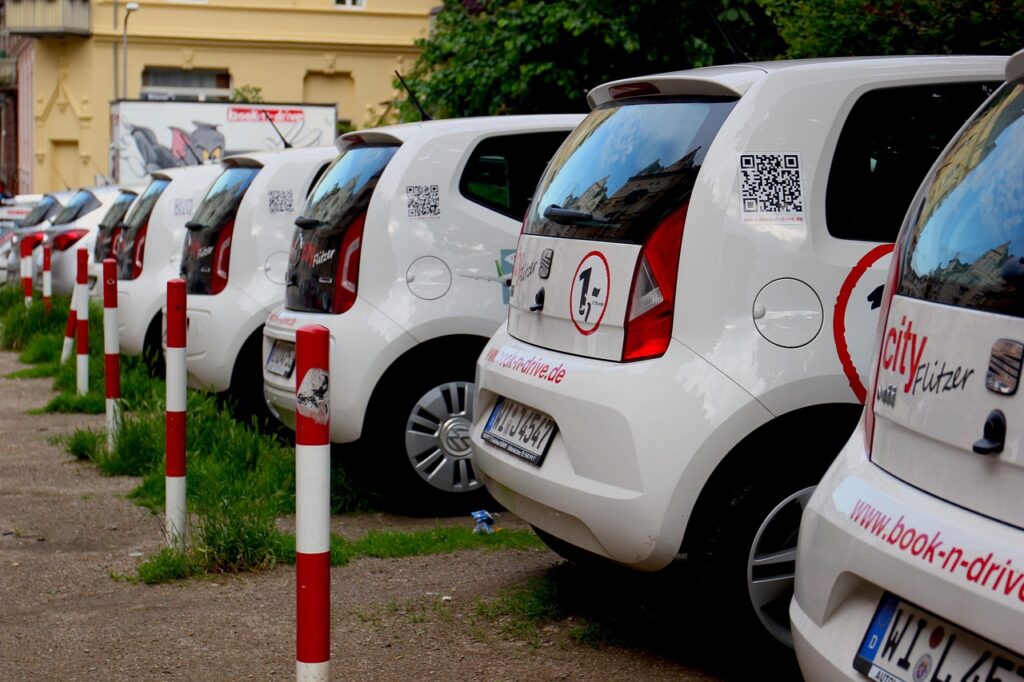
Transport: renting a car is the most flexible option; distances are short but secondary roads can be narrow. Sample one-day routes:
- Route A: Spello (morning) → Bevagna (midday) → Montefalco (afternoon). Approx. driving time: 1h10 total. Recommended stops: Casa Romana di Spello (€4), lunch in Bevagna (€15–€30), tasting in Montefalco (€10–€25).
- Route B: Gubbio (full day) → surrounding hamlets. Allow a full day to stroll, visit the Palazzo dei Consoli (€6) and take the funicular up to Sant’Ubaldo (€3.50).
Budget: for a typical day of discovery, expect €25–€60 per person (meals, tastings, small museums). For a slow-travel weekend, plan €150–€300 depending on accommodation level (local B&Bs €60–€120 per night for a double room).
Local tips:
- Always ask for permission before photographing private interiors or artisans at work.
- Learn a few Italian phrases (Buongiorno, Grazie, Posso?) — they often open doors in these close-knit communities.
- Respect the quiet: lanes are often residential; avoid loud voices and don’t leave litter.
- If you attend a local festival, check ceremony times to avoid clashes with your visits.
Conclusion — Taking Home the Shade and Light of Forgotten Lanes
Umbria’s secret borgos aren’t assembly-line attractions; they are living, inhabited, changing places. The forgotten lanes we’ve walked — from Spello to Bevagna, Montefalco to Gubbio — offer varied experiences: delicate mosaics, kitchen aromas, the clink of artisans’ tools, terraces with endless vineyard views. Every pietra (stone) tells a story. For the traveller, the reward is the slow reveal: a gate left ajar, a rediscovered fresco, an impromptu chat with an olive oil producer.
The practical details here — exact addresses, indicative opening times, prices in euros — are meant to help you plan. But always leave room for the unexpected: a narrow path that drops to an unseen chapel, a parish festa being prepared, a new dish at the corner osteria. Those moments make a trip to Umbria unique. Plan your stops, check seasonal schedules (especially in low season) and, above all, take your time. These lanes are earned: they invite slow walks, photographic pauses and conversations with locals.
Finally, take care to respect these places. Borgo residents still live by an older rhythm; helping preserve their heritage means travelling responsibly: buy local, respect opening hours and places of worship, and support artisans by buying things made on site. When you return home, you’ll bring back not just images and flavours, but the memory of an authentic Umbria — a region that sings through its forgotten lanes, ready to be revealed to those who take the time to listen.