





Introduction
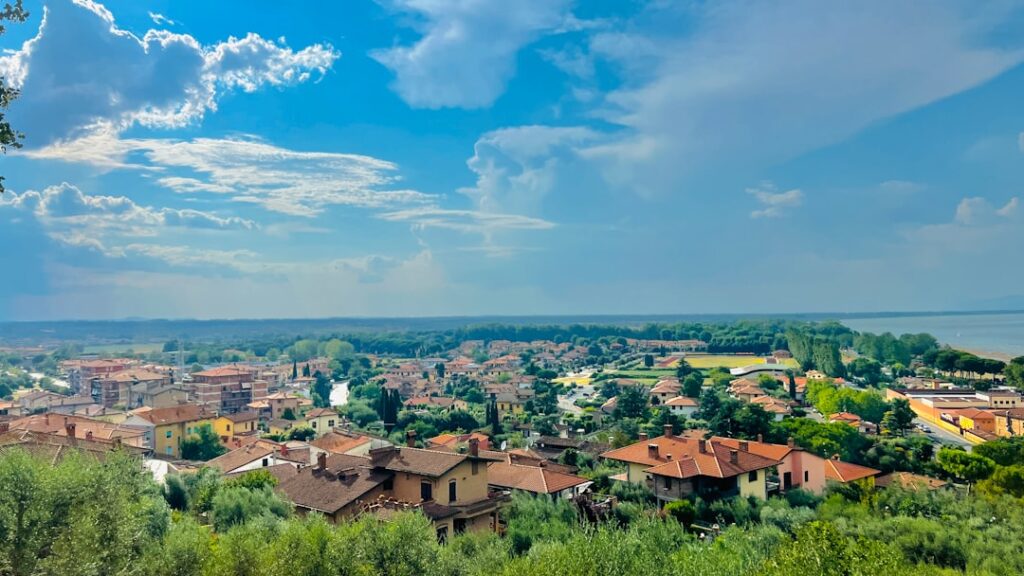
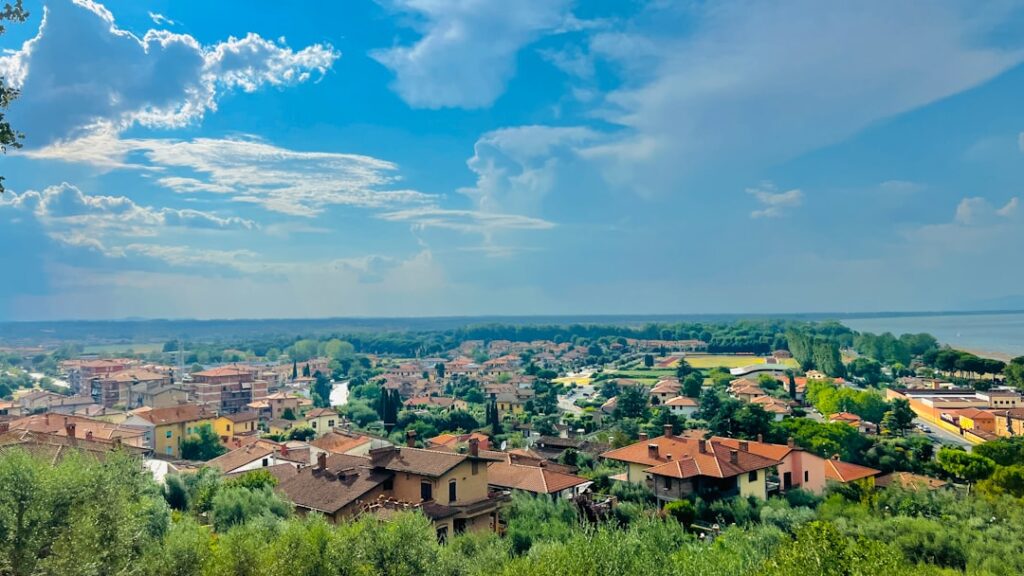
Lake Trasimeno in Umbria is a perfect spot for kayakers looking for a rare blend of calm freshwater, wide horizons, mysterious islands and medieval villages. Nestled between Perugia and Cortona, Lago Trasimeno covers nearly 128 km², making it Italy’s fourth-largest lake. Its shallow average depth, long grassy shores, small harbors and historic towns like Castiglione del Lago, Passignano sul Trasimeno and San Feliciano give it a gentle yet wild atmosphere — ideal for easy paddling while soaking up the views.
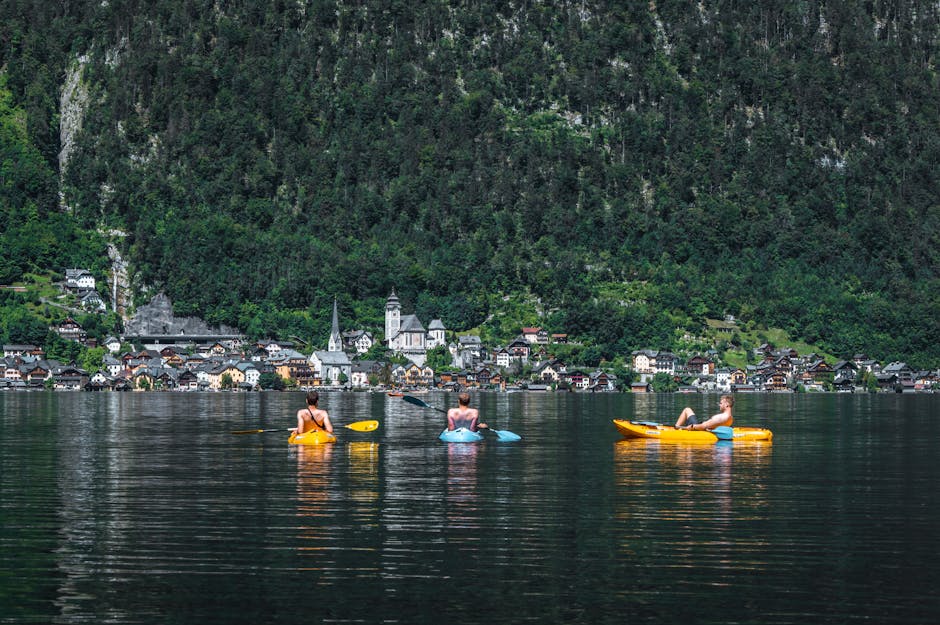
Kayaking on Trasimeno mixes active exploration with cultural immersion: in a well-planned day you can launch from a small port, reach Isola Maggiore, admire the Chiesa di San Michele Arcangelo and paddle back along shores dotted with medieval towers and reed beds. For stronger paddlers, longer crossings to Isola Polvese or loops around headlands like Punta Navaccia offer more technical routes where wind and weather demand attention and preparation.
In this guide I’ll share detailed routes, pro tips on gear selection, safety and logistics (parking, rentals, ferry links), plus concrete recommendations on where to eat, sleep and what to visit after your time on the water. Each suggestion includes precise addresses, indicative opening hours, prices in euros and local hacks to get the most out of your day. Whether you’re a beginner after a peaceful dawn paddle or an experienced kayaker planning a moonlit crossing, you’ll find routes to suit you, reliable launch points and safety markers to enjoy Trasimeno with confidence.
Before you go, keep in mind that Trasimeno is prone to sudden local winds — always have a backup plan, know the coastal shelters and respect the protected areas, especially around Isola Polvese which is home to a nature reserve. I also encourage a leave-no-trace approach: take all rubbish with you, respect fish habitats and avoid landing on private areas without permission. Follow the tips and routes below and your kayaking escape in Umbria will become a memorable adventure.
Recommended routes: short loop and Isola Maggiore discovery (beginner–intermediate)
Suggested route: launch from Passignano sul Trasimeno (Porto di Passignano), do a loop to Isola Maggiore and return. Approximate distance: 6–8 km round trip depending on your launch point. Estimated duration: 2–4 hours depending on breaks and weather.
Launch point — Porto di Passignano (Passignano sul Trasimeno)
Address: Lungolago Guglielmi, 06065 Passignano sul Trasimeno (PG). The town’s municipal harbour is reached via the lakeside promenade, with public parking nearby (often free or paid in high season). Access: the harbour is available 24/7 for self-launch; kayak rental shops usually open from 09:00 to 19:00 in high season (April–September). Typical prices: single kayak €10–12 per hour; half-day (4 h) €25–35; tandem kayak €15–20/hour or €40–50/half-day.
Launching from Passignano is great for beginners since the wide bay is often calm in the morning. From the harbor head southwest toward Isola Maggiore, keeping the visible shoreline on your right; the route crosses shallow water and lets you observe reeds and water lilies. Along the way you’ll often see traditional fishermen and families taking short boat trips.
Arrival and exploring — Isola Maggiore
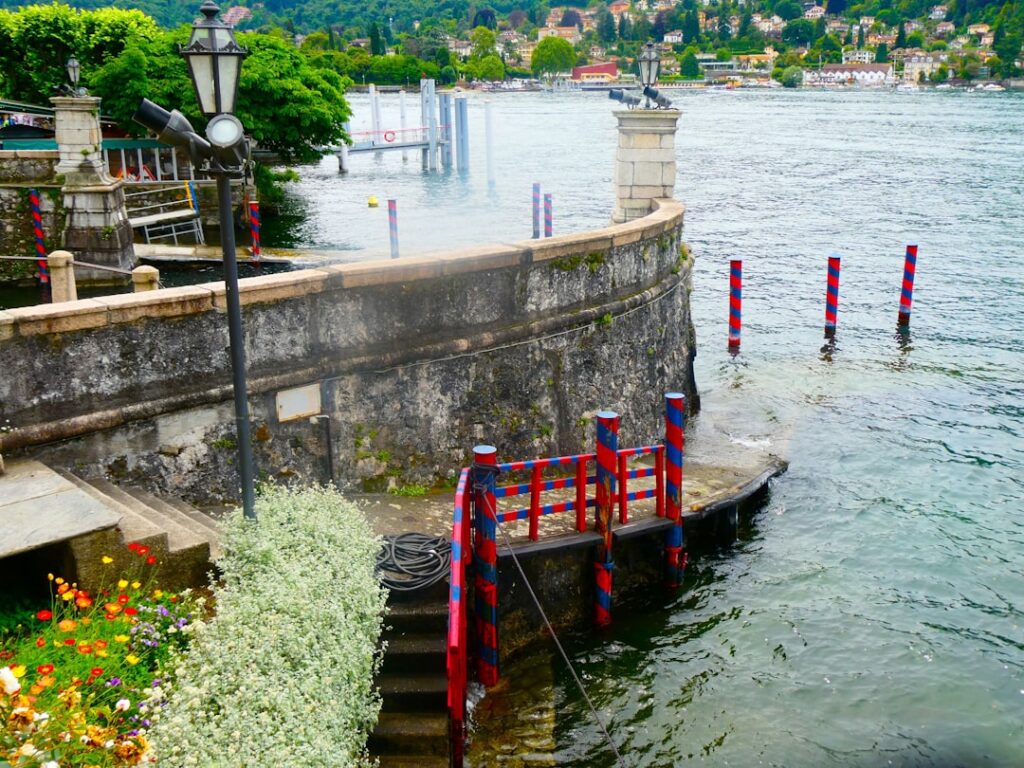
Isola Maggiore is the only permanently inhabited island on the lake and a real historical gem. Arrival point: approach the small jetty on Isola Maggiore (Isola Maggiore, Castiglione del Lago, PG). The island features cobbled lanes, artisan workshops and, notably, the Chiesa di San Michele Arcangelo, a medieval church overlooking the island. Jetty access: most quays are available all day, but museums and the church generally open from 10:00 to 18:00 in high season; check locally for guided visit times. Cost: access to the island is free; small exhibitions or local museums may charge €3–5.
Practical tips: land at the main quay and secure your kayak with a line. Be mindful of areas where motorboats arrive (avoid docking in zones reserved for ferries). Take a break and try local dishes such as pesce persico (lake perch) at a trattoria on the island — main course prices typically €12–20 depending on the restaurant. If you plan to visit the church, bring a small coin for a voluntary contribution to site upkeep.
Intermediate routes: heading to Isola Polvese and the nature reserve (intermediate)
Suggested route: launch from San Feliciano or Punta Navaccia, cross to Isola Polvese, explore the nature reserve and return. Approximate distance: 10–15 km depending on the route chosen. Estimated duration: half a day (4–6 h) for the visit, or a full day if you plan shore stops.
Launch points — San Feliciano and Punta Navaccia
San Feliciano (a frazione of Magione): main harbor address — Piazzale del Porto, 06063 San Feliciano (PG). Access: port open, tourist info offices and small shops generally open 09:00–20:00. Punta Navaccia: useful address — Lungolago della Pace, 06065 Tuoro sul Trasimeno (PG) / 06061 Passignano sul Trasimeno depending on the stretch; it’s a headland popular with sailing clubs. Parking: seasonal paid spots, €1–3/hour or daily flat rates €5–10.
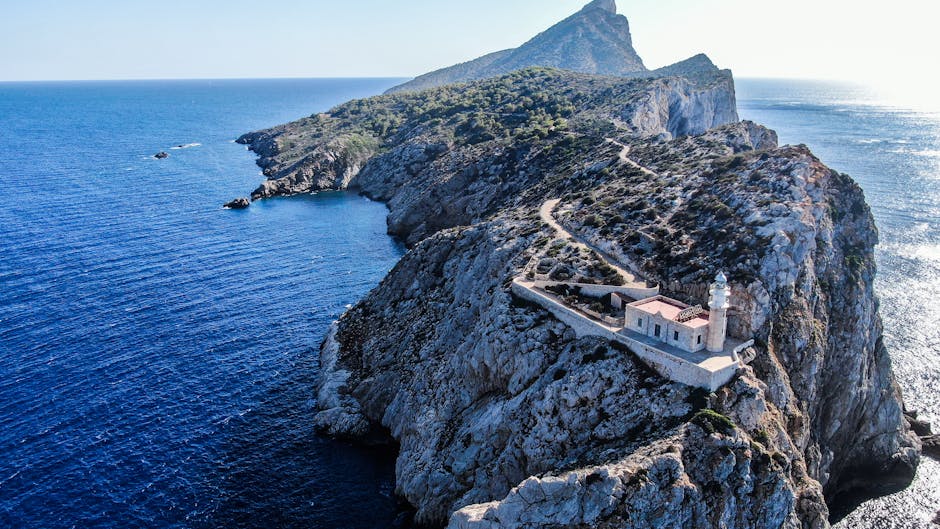
Isola Polvese is the lake’s largest island and a municipal nature reserve (Parco del Lago Trasimeno — Isola Polvese). As you approach you’ll see Mediterranean woodland, marked trails and quiet beaches. The island offers botanical paths, archaeological remains, the Villa del Cardinale and areas dedicated to environmental research.
Exploring and reserve rules
Reserve / visitor center address: Isola Polvese, Castiglione del Lago, 06061 (main access via public boat or the park’s landing). Opening hours: the reserve is usually open daily; park services (visitor center, exhibits) often run 10:00–17:00 off-season and until 19:00 in summer. Cost: public boat access to the island can cost €6–8 one-way (rates vary by season); some exhibitions may charge €2–6.
Important rules for kayakers: Isola Polvese has protected zones where landing is forbidden to preserve vegetation and bird nesting sites. Check park signage before approaching. For kayaks, land only on authorized beaches or the park’s official quay. If you plan to hike, follow the marked trails (main loop ~3 km). Bring enough water (at least 1.5–2 L per person for a 4–6 h outing) and sun protection; the forested areas offer shade but beaches can be exposed.
Expert tip: if the wind picks up (often late afternoon), plan a retreat to the sheltered bays on the island’s east side. Conditions can change quickly; carry a portable VHF or a phone with offline maps and identify nearby small ports as emergency return points.
Advanced routes and crossings: Castiglione del Lago to Passignano (advanced)
Suggested route: a longitudinal crossing hugging the north and central shorelines, launching from Castiglione del Lago (Porto delle Tortore) toward Passignano sul Trasimeno. Approximate distance: 18–25 km depending on variations; estimated duration: 5–8 hours (depending on wind and breaks). This route is aimed at experienced paddlers able to handle crosswinds and to plan emergency stops.
Launch point — Castiglione del Lago and nearby sights
Castiglione del Lago is an excellent base for long outings. Useful address: Porto Turistico di Castiglione del Lago, Lungolago G. Garibaldi, 06061 Castiglione del Lago (PG). Nearby attractions include the Rocca del Leone (Piazza Gramsci, 06061 Castiglione del Lago) — a medieval fortress with panoramic views — and the Torre Medievale (check coordinates at the municipal Infopoint). Museum hours: Rocca del Leone usually opens 09:30–19:00 in summer; entrance fee around €3–7 depending on the exhibition.
From the harbor follow the north coast, keeping a safe distance from motorboat traffic. You’ll pass small beaches, campsites and birdwatching spots, then the headlands of Tuoro sul Trasimeno. This is a demanding route because although the lake is shallow it can produce strong gusts. Best times to set off: early morning (before 09:00) or late afternoon after 16:00 to avoid the midday thermal winds.
Safety, gear and weather advice
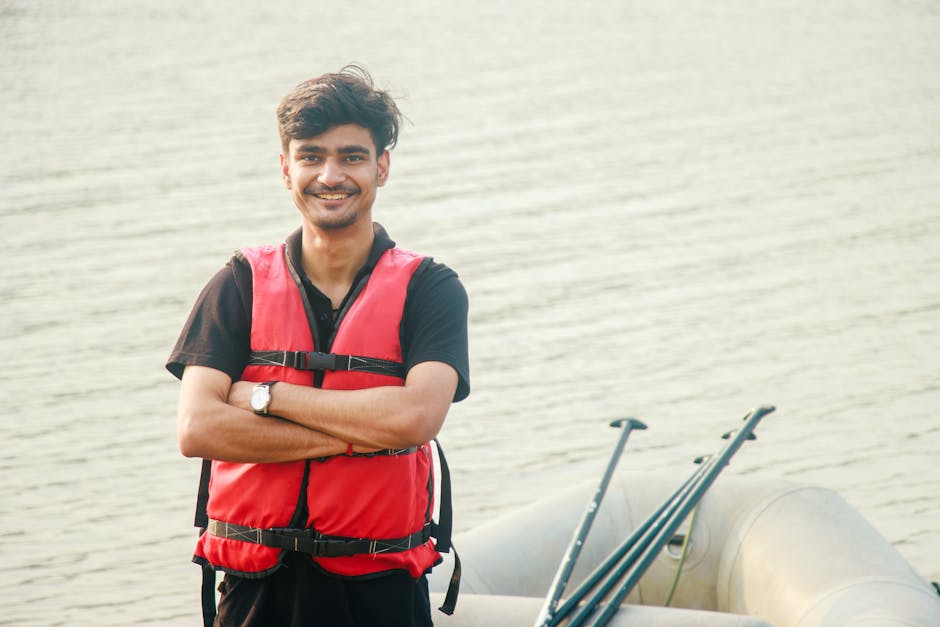
Recommended gear: a sit-on-top or sit-inside kayak suitable for lake conditions, certified life jacket (mandatory for children and strongly recommended for adults), spare paddle, pump or spray skirt as appropriate, repair kit, 4–6 m mooring line, first aid kit, portable VHF or mobile phone with an extra battery pack, paper charts and/or GPS. Also bring a dry bag for spare clothes, a lightweight waterproof wind layer and polarized sunglasses.
Weather and winds: Trasimeno experiences thermal winds (afternoon gusts). Check local forecasts (Meteo Umbria, ARPA Umbria) and wind predictions (knots/kmh). Common wind directions are the north “tramontana” and the southwest “libeccio.” If winds exceed 20–25 km/h reconsider the crossing or opt for a sheltered coastal route. Always note the locations of safe harbors and beaches for emergency returns; main usable ports include: Porto di Castiglione del Lago (Lungolago G. Garibaldi), Porto di Passignano (Lungolago Guglielmi), Porto di San Feliciano (Piazzale del Porto).
Practical advice: always tell someone on land your planned route and estimated return time, especially for long crossings. Carry some cash: small restaurants and shops on the islands or shoreline villages don’t always accept cards. Finally, respect sensitive areas (bird nesting grounds) and keep a respectful distance from birds and local fishermen.
Logistics, rentals, dining and local services
To make the most of Trasimeno you need the right local contacts: where to rent a kayak, where to eat after paddling, and how to combine a water outing with cultural visits.
Rentals and water services
- Centro Nautico di Passignano — Address: Lungolago Guglielmi, 06065 Passignano sul Trasimeno (PG). Hours: typically 09:00–19:00 in high season. Prices: single kayak €10–12/hour; half-day €25–35; intro lessons from €30 per person.
- Noleggio Kayak San Feliciano — Address: Piazzale del Porto, 06063 San Feliciano (Magione, PG). Hours: 09:00–18:00 in season. Prices: tandem kayak €15–20/hour; day rental €40–60.
- Assistenza e Imbarco Punta Navaccia — Address: Lungolago della Pace, 06065 Tuoro sul Trasimeno (PG). Hours: 08:30–19:00. Rentals and launch assistance available.
Tip: book ahead for July and August, especially if you need a tandem or a rigid sea kayak for longer crossings. Always ask for a life jacket that fits and a short briefing on local conditions.
Where to eat and what to try
- Trattoria La Tavernetta — Address: Via Roma, 12, 06061 Castiglione del Lago (PG). Hours: 12:00–14:30 / 19:00–22:30 (closed Tuesdays). Recommended dish: filetti di persico del Trasimeno (lake perch fillets) — €14–18.
- Ristorante da Fabrizio — Address: Lungolago Guglielmi, 06065 Passignano sul Trasimeno (PG). Hours: 12:00–22:30 (open daily in summer). Recommended dish: zuppa di pesce del Trasimeno — €12–16.
- Osteria del Porto — Address: Piazzale del Porto, 06063 San Feliciano (Magione, PG). Hours: 11:30–22:00. Specialties: smoked fish antipasti, homemade desserts — mains €10–18.
Foodie tip: after paddling, order a glass of Grechetto or Sagrantino — two wines from Umbria that pair beautifully with local lake fish. Portions are generous and prices stay reasonable if you avoid the most touristy lakeside restaurants.
Expert tips and local best practices
These recommendations come from years of experience and conversations with local paddlers and park rangers — small details that often make the difference between a great day and a complicated one.
- Best times: Early morning (06:30–09:30) or late afternoon (after 16:00): fewer boats, usually calmer winds and the best light for photos.
- Weather checks: consult two sources: local weather (Meteo Umbria) and a wind app (Windy, Windfinder). Have an alternate plan if winds exceed 20 km/h.
- Communication: carry a phone in airplane mode with GPS on, plus a power bank; for long outings a portable VHF radio can be reassuring if you plan to venture far from shore.
- Safety: always wear your life jacket, bring a first aid kit, a paper map of the lake and visual reference points (churches, towers, promenades) for navigation. Learn recovery techniques (wet exit and re-entry) before attempting longer crossings.
- Respect the environment: don’t throw trash in the water, avoid landing in protected areas of Isola Polvese, follow Parco del Lago Trasimeno signage. Carry a bag for your rubbish and, if possible, pick up small bits of litter you encounter while paddling.
- Local interactions: check with tourist offices (Infopoint Castiglione del Lago, Piazza Mazzini or the Passignano sul Trasimeno office) for local events, markets and open farms — you can often find fish caught that morning.
Conclusion
Lake Trasimeno is a top kayaking destination in Umbria: its lakescape, accessible islands and historic villages create a playground that’s both safe and culturally rich. Whether you choose the gentle paddle to Isola Maggiore, the natural discovery of Isola Polvese or a more demanding crossing between Castiglione del Lago and Passignano sul Trasimeno, every route delivers unique views, wildlife encounters and chances to taste authentic lake cuisine.
By following local rules, picking the right gear and planning your trips around wind and weather, you’ll greatly increase your chances of a successful day on the water. Don’t forget the practical details: rental opening hours, indicative prices (€10–15/hour for a single kayak; €25–50 for a half-day depending on type), dining spots for a restorative meal and the addresses of launch points (Lungolago Guglielmi in Passignano, Piazzale del Porto in San Feliciano, Lungolago G. Garibaldi in Castiglione del Lago).
Finally, slow down and take time to feel the lake breeze, listen to the paddle tapping the water and watch the wooded shores glide by. Trasimeno reveals itself to patient visitors: every bay, island and village has its own story and atmosphere. If you’re passing through Umbria, combine your kayak outing with visits to local landmarks (Rocca del Leone in Castiglione del Lago, Chiesa di San Michele Arcangelo on Isola Maggiore) and tastings of regional fish and wines. That way your experience will be complete — athletic, cultural and culinary — and you’ll leave with lasting memories and a desire to return to discover more corners of this many-faced lake.