





Introduction — Gentle snorkeling on Lake Trasimeno: an immersive overview
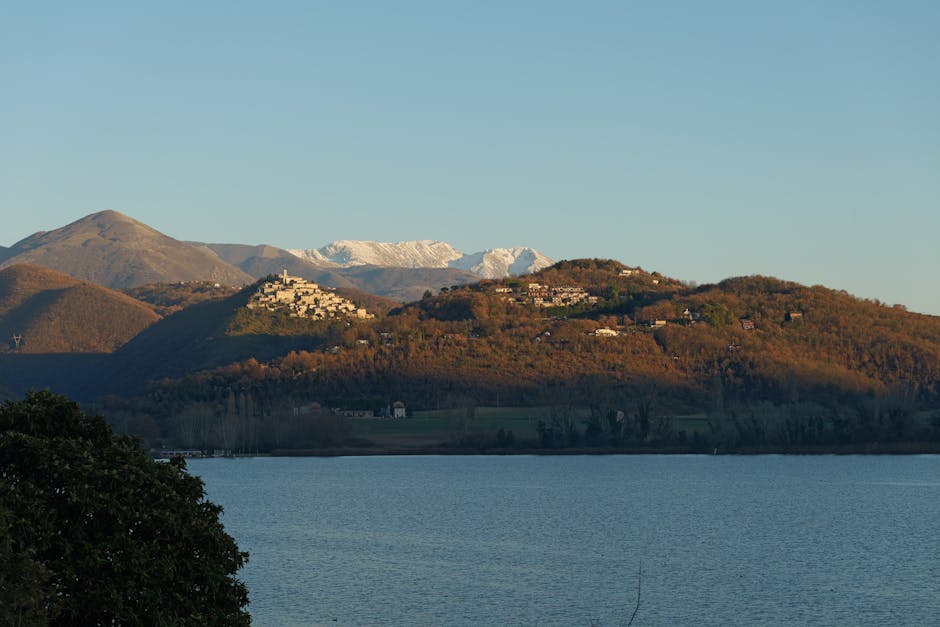
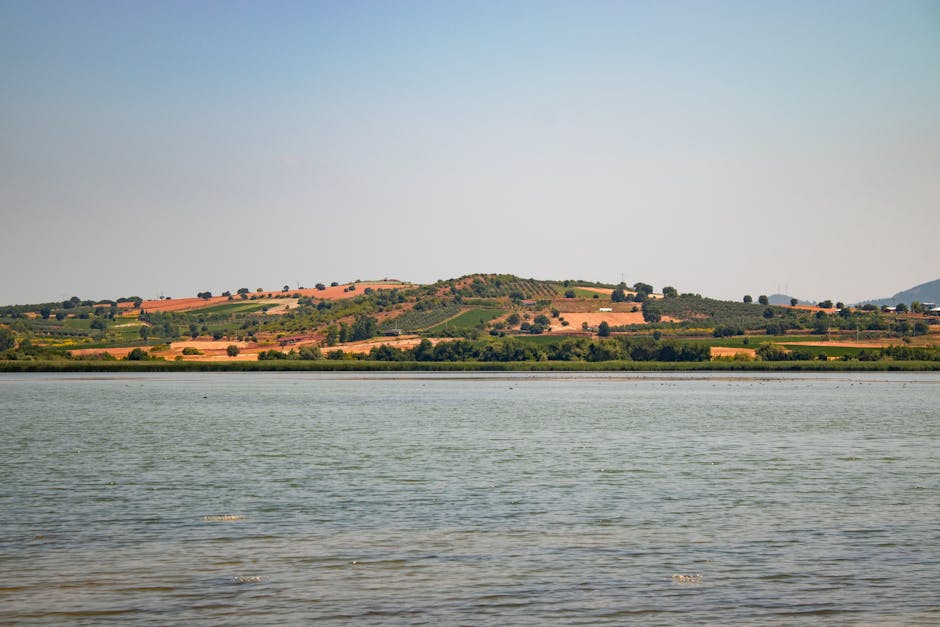
Lake Trasimeno, the watery heart of Umbria, is a perfect playground for gentle snorkeling — shallow-water exploration well suited to families, beginners and divers who prefer a slow, observant pace. Unlike deep sea dives, gentle snorkeling on Trasimeno means cruising slowly close to shore, threading through coves, among aquatic meadows and around shallow rocky outcrops. The freshwater environment, variable visibility, dense aquatic vegetation and scattered islets create surprising diversity: crayfish, mullets, beds of water plants, old sediments and sometimes human-made remains visible near the banks.
This practical guide, written in a clear, professional tone, provides routes, sensory descriptions, practical addresses, opening hours and price indications to plan gentle-snorkeling outings from the main lakeside towns: Passignano sul Trasimeno, Castiglione del Lago, Tuoro sul Trasimeno, San Feliciano and the lake’s archipelago — especially Isola Polvese. It’s aimed at anyone seeking calm immersion, biological observation sessions, surface photography and routes suitable for combined-snorkel trips or kayaking. The suggested reference points are usable throughout the tourist season (typically April to October), but always check schedules and conditions, as the lake has microclimates and visibility can drop after winds or rain.
Each section below describes a selected gentle-snorkeling site: how to access it, typical service prices (mask/snorkel rental, guided sessions, small-boat rentals), operating hours for nautical bases or reception points, a detailed description of the lakebed and underwater points of interest, plus local tips — how to enter the water, where to park, best times for the light, and precautions to protect fragile meadows. The descriptions also include gear advice (buoyancy aids, water shoes, a light 3 mm wetsuit for cooler seasons) and tips for amateur photographers (positions, filters, shooting angles).
Finally, this guide highlights some local host facilities, rental centers and guides offering gentle-snorkel or guided snorkeling outings. Prices are listed to give a realistic idea of the budget — mask and snorkel rental, kayak hire, guided day trips — and are shown in euros. The addresses let you plan routes and identify safe access points suitable for families and groups. Environmental respect and safety are recurring themes: observe without touching, remove any litter you find, and check weather and navigation signs before each launch.
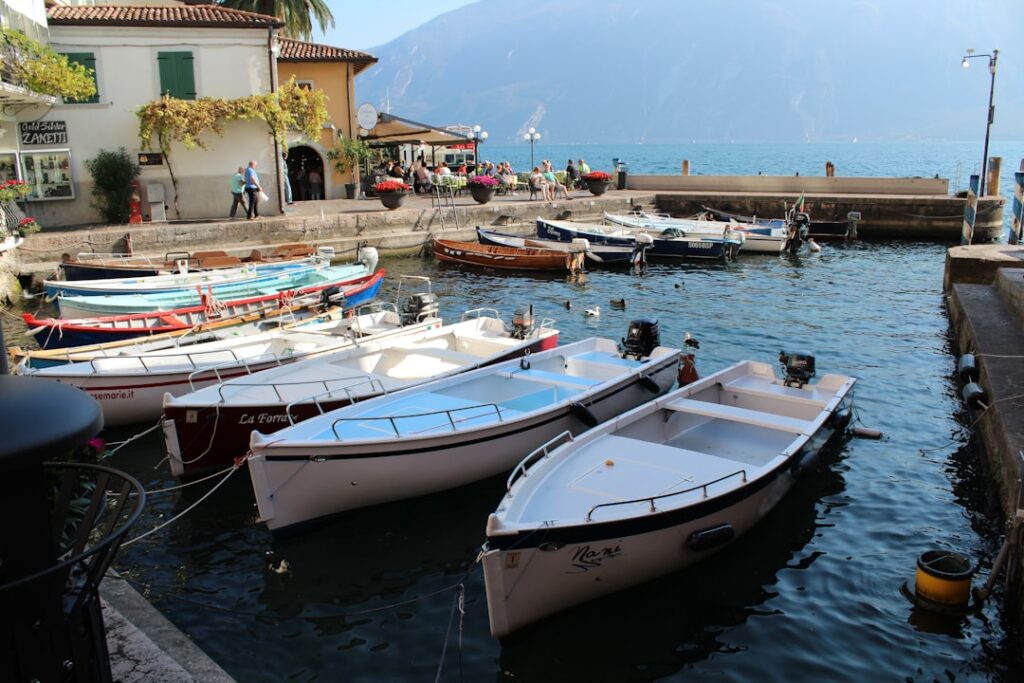
Isola Polvese — the natural, educational islet for gentle snorkeling
Isola Polvese is one of Lake Trasimeno’s gems for those after gentle snorkeling amid well-preserved lake biodiversity. Main access point: Imbarcadero Isola Polvese, Via Lungolago, 06061 Castiglione del Lago PG, Italy. Ferries leave from the port of San Feliciano (Viale del Lago, 06061 San Feliciano PG) or from Castiglione del Lago (Lungolago del Lago, 06061 Castiglione del Lago PG). Regular shuttle crossings are operated by il Trasimeno Navigazione: approximate round-trip fare €8.00 for adults, €4.50 for children (rates may change in high season). Shuttle hours: typically 09:00–18:30 in high season (April–October), with departures every 45–60 minutes; reduced schedules in low season — check with the local tourist office.
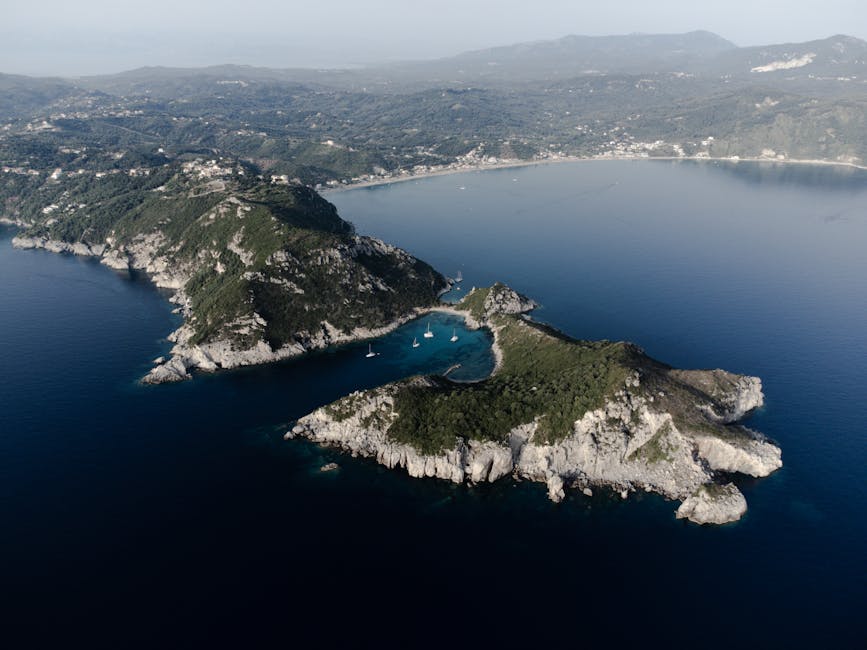
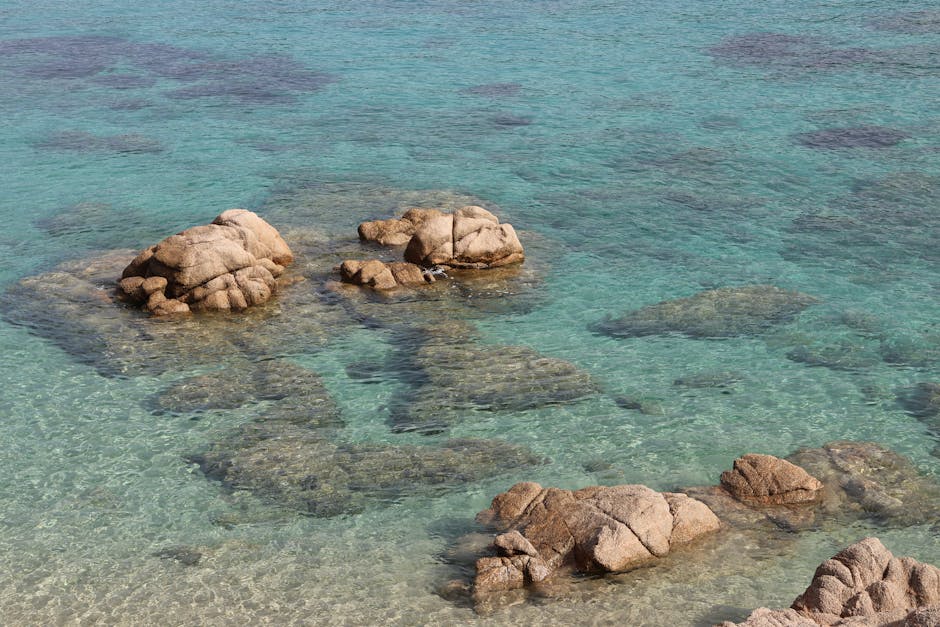
Practically speaking, gentle snorkeling around Isola Polvese is done from several small rocky coves and pebble beaches. The bottoms are mixed: sandy-mud stretches, beds of pondweeds (Potamogeton spp.) and shallow rocky benches where freshwater mussels attach. Visibility often ranges from 1 to 4 meters, best on windless mornings; aim for early slots (07:30–11:00). Expect typical species: freshwater crayfish, minnows, tench and sometimes swarms of aquatic insect larvae. For families, the areas near landings offer very shallow shelves (0.5–1.5 m) ideal for learning to breathe through a snorkel safely.
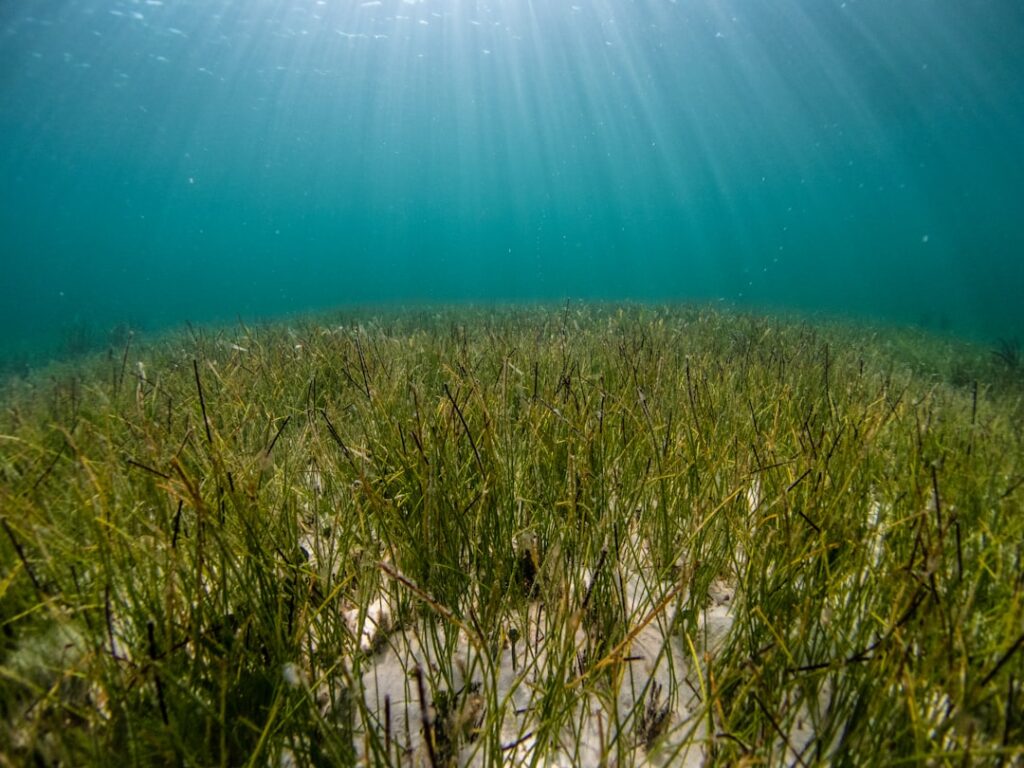
Services and prices on the island: the Museo Naturalistico-ambientale dell’Isola Polvese (Via dell’Isola, Isola Polvese, Castiglione del Lago) can provide naturalist information; museum entry usually ranges between €3.00 and €6.00 depending on the exhibit. Equipment rental: operators at San Feliciano port offer mask/snorkel rental €8.00 per day, kayak hire €18.00–€25.00 for 2 hours depending on type (single/double). Local tips: wear water shoes (launches are often on pebbles), use a light 3 mm wetsuit outside mid-summer, respect protected zones and follow park signage — anchoring is forbidden in some bays to preserve aquatic vegetation.
Punta Navaccia (Passignano sul Trasimeno) — coves and dune-like shores
Punta Navaccia is a headland in the Passignano sul Trasimeno municipality, known for small sheltered coves and clear water in calm conditions. Access address: Punta Navaccia, Via Lungolago Nord, 06065 Passignano sul Trasimeno PG, Italy. The main public parking is near Camping Il Lago Azzurro (Via Lungolago Nord, 06065), with paid parking in high season (around €3.00–€6.00 per day depending on spot). Local nautical bases offer morning and afternoon services: Club Nautico Punta Navaccia (Via Lungolago Nord, 06065 Passignano sul Trasimeno) offers equipment rental and excursions: mask/snorkel rental €7.00 per day, guided snorkeling €30.00 per person for a 2-hour outing (minimum 2 people).
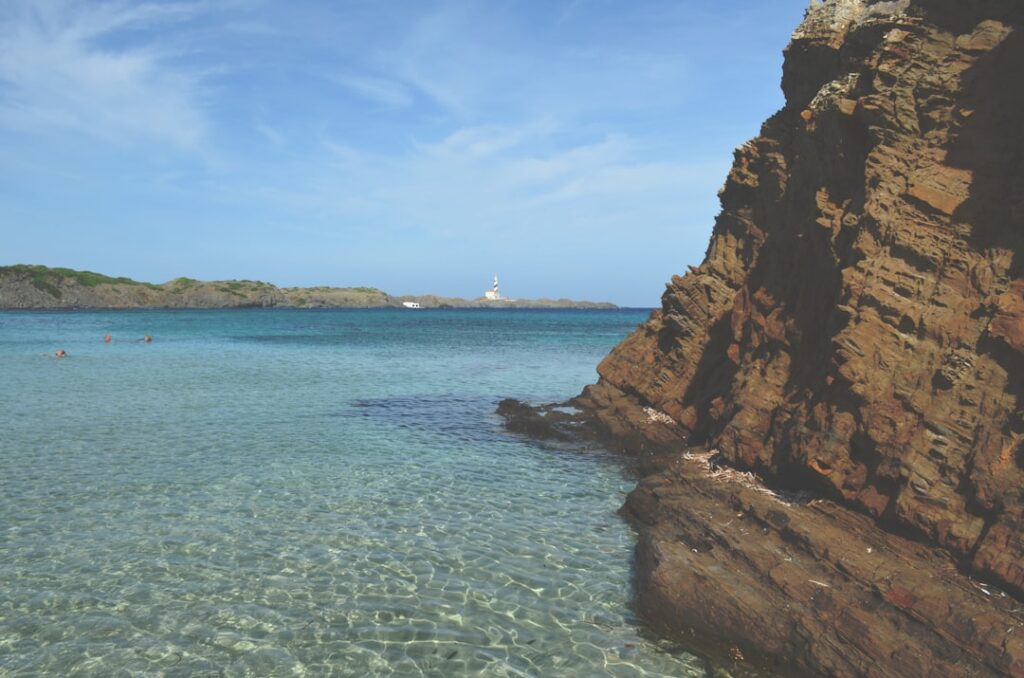
The underwater topography at Punta Navaccia features sandbanks cut by shallow rock formations and patches of filamentous algae. The meadows attract seagrass fish (mullets, gudgeon) and small benthic species. Gentle snorkelers will prefer the east-facing spots, where prevailing winds are less likely to disturb the surface. Recommended times: early morning (07:00–10:00) for the calmest water and best visibility, or late afternoon (16:00–19:00) for low-angle light and warm colors. Entries are generally easy from rock platforms or small sandy beaches, but watch out for slippery rocks and wear sturdy water shoes.
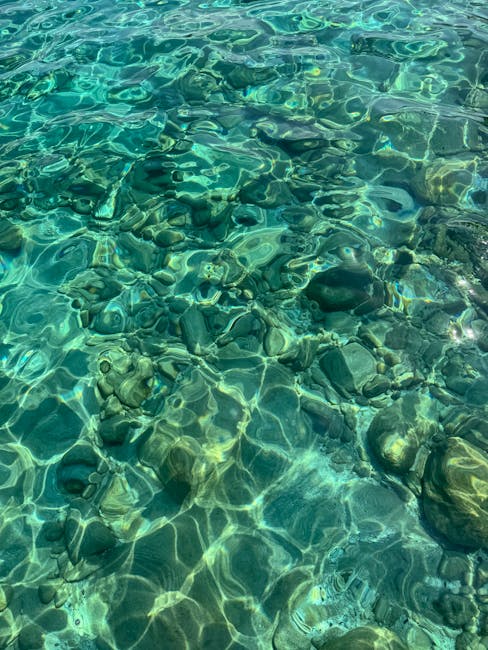
Practical and safety tips: if you’re new to snorkeling, prioritize outings with a guide — the Club Nautico offers the sessions noted above; bring a whistle and a safety buoy if you go out on your own. Note: swimming areas are marked in summer, so respect signs and avoid swimming in boat lanes. Facilities ashore include cafés and lakeside restaurants: Ristorante La Tavernetta, Via Lungolago Nord 10, 06065 Passignano sul Trasimeno (typical hours 12:00–14:30 and 19:00–22:30, dishes ~€12–25), a great spot to warm up after a gentle snorkel.
San Feliciano and the Nature Reserve — easy access and wildlife watching
San Feliciano is an authentic fishing village and a prime launch point for gentle snorkeling, especially toward the Riserva Naturale del Trasimeno. Main address: Porto di San Feliciano, Viale del Lago, 06061 Magione PG (San Feliciano). The port hosts several operators and small-boat landings. Parking: the port lot is often free in the morning and paid in the evening (€0.50–€2.00 per hour depending on season). Operators offer rentals and guided trips: Centro Nautico San Feliciano (Viale del Lago 12, 06061 San Feliciano) — mask/snorkel rental €6.00 per day, kayak €15.00 for 2 hours, guided snorkeling €25.00 per person for 90 minutes (minimum 4 people).
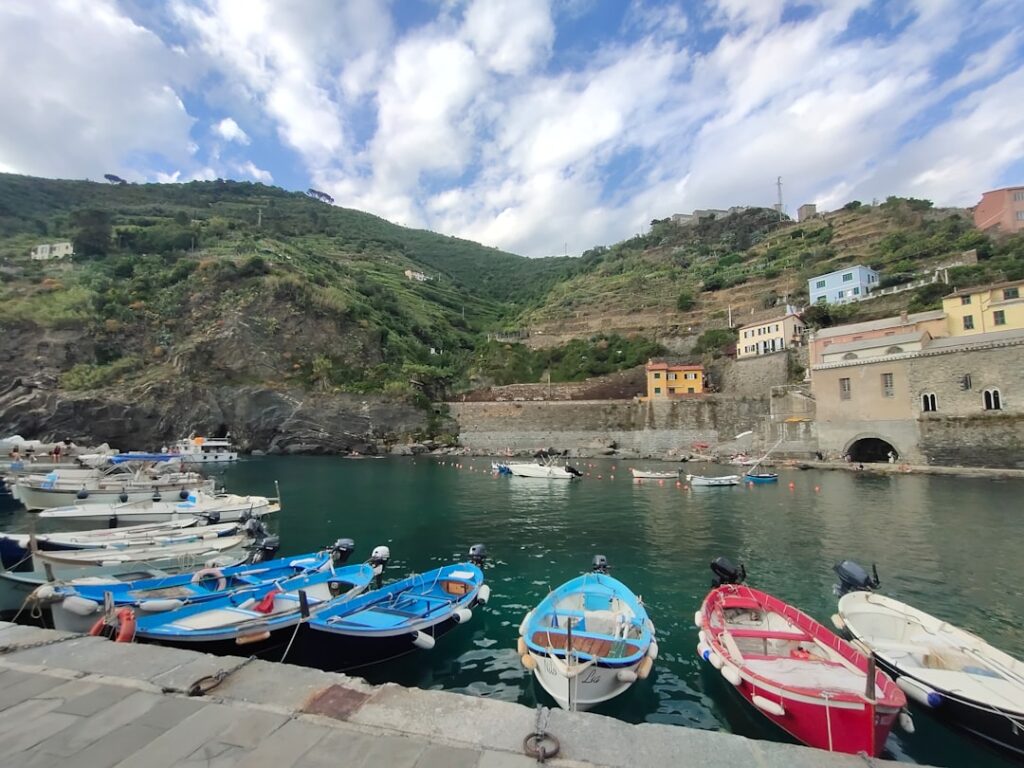
The Nature Reserve around San Feliciano protects wetlands, marshy shores and small inland lagoons. Gentle snorkels focus on grassy zones and quieter littoral arms: you’ll find water-lily beds, muddy areas rich in benthic life and fringes where many waterbirds gather (herons, egrets). The recommended approach is to kayak or use a light boat to reach calm coves, then don masks and begin observing from the surface. Best observation times are early morning and late afternoon, when birds are active and light improves underwater visibility.
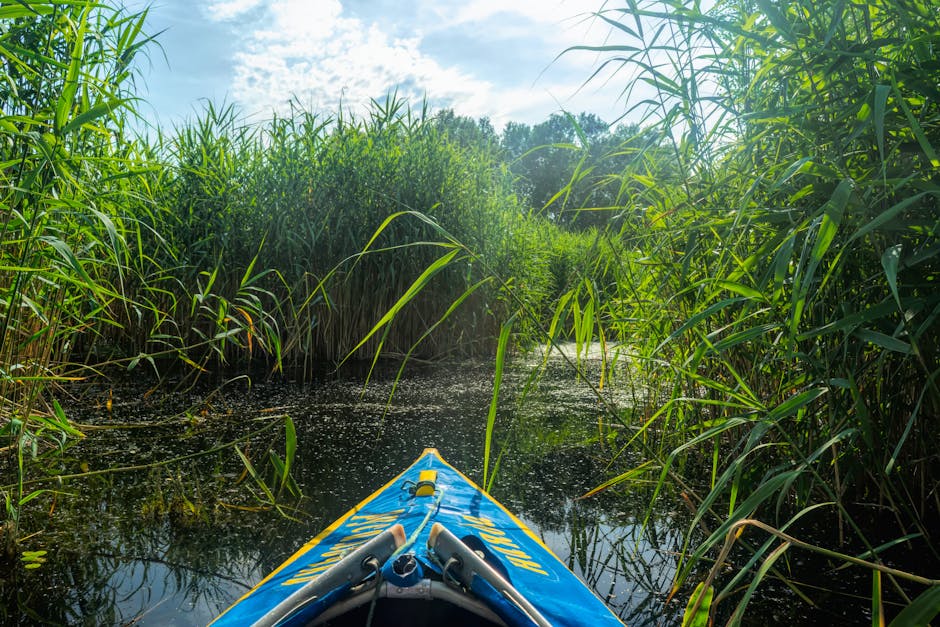
Ecological precautions: the reserve requires exemplary behavior — don’t trample shoreline vegetation, don’t take samples, and keep a respectful distance from nesting birds. Technical tips: use a quality snorkel with a purge valve, bring a small pair of soft fins (to maneuver gently without stirring mud) and a surface buoy to signal your presence to boats. Nearby eateries include Osteria del Geco, Via del Porto 2, 06061 San Feliciano (dishes ~€10–20), perfect for tasting lake fish after a gentle snorkel.
Castiglione del Lago — harbors, small islands and cultural snorkeling
Castiglione del Lago, on the lake’s southwest shore, offers many easy access points and small bays where gentle snorkeling pairs well with cultural discovery. Practical embarkation point: Porto di Castiglione del Lago, Lungolago del Lago 1, 06061 Castiglione del Lago PG. Parking along the lungolago is paid in high season (€2.00–€5.00 per day). Local services: Scuola Sub Castiglione (Lungolago del Lago 3, 06061) offers introductory gentle-snorkel courses, mask/snorkel rental €7.00 per day, guided trips €35.00 per person for a 2-hour outing (equipment included). In summer, the town organizes themed guided dives (biology, photography) with prices from €15–40 depending on the program.
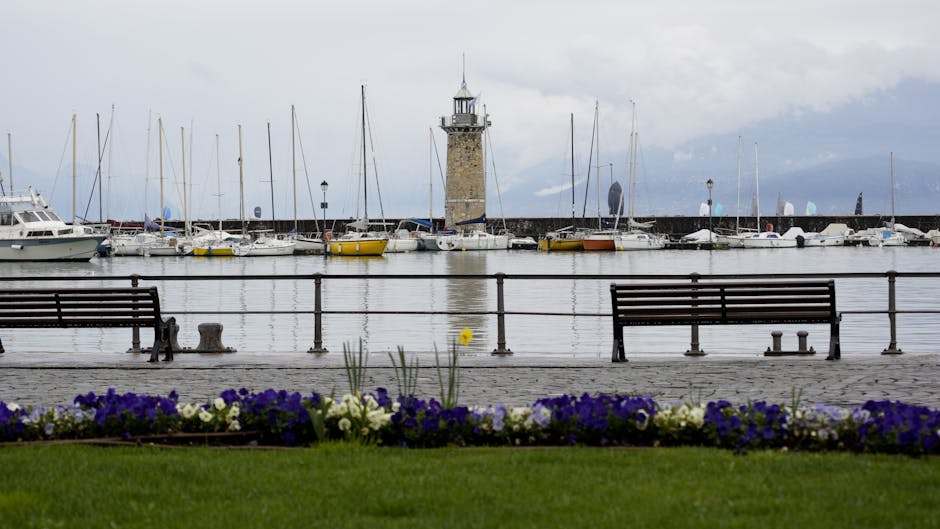
Castiglione’s littoral bottoms alternate fine sandy beaches, patches of former fillings, and small rocky outcrops. The varied substrates make it possible to spot occasional archaeological remnants (fragments, old piles) deposited over centuries near former ports. Gentle snorkels here add a cultural twist: you can watch aquatic life (fish, invertebrates) while also glimpsing the traces of human history. Areas near the Borgo antico (old town) can be busy with boaters in high season; favor coves further south or early mornings for a quieter experience.
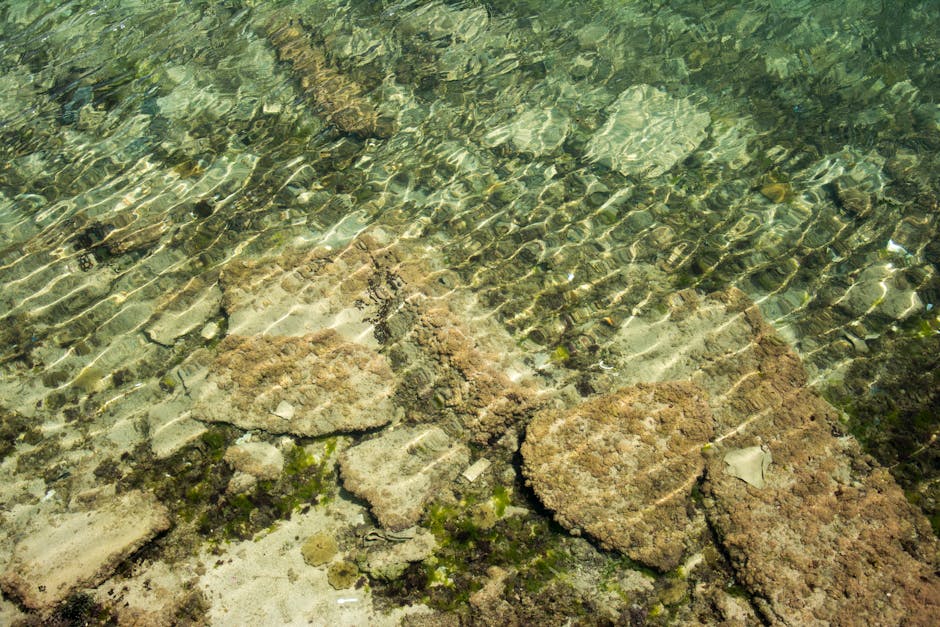
Local tips: if you want a combined snorkel + historical visit, book through the Ufficio Turistico di Castiglione del Lago (Piazza Mazzini 6, 06061 Castiglione del Lago; typical hours 09:00–13:00 / 15:30–18:30). For photographers, the old harbor walls offer interesting reflections at dusk; remember to waterproof your camera housing and use a brightly colored buoy for safety. Respect swimming zones and avoid anchoring on seagrass beds, which are essential to the lake’s balance.
Tuoro sul Trasimeno and historical memory — gentle snorkeling near battlefield sites
Tuoro sul Trasimeno, a village on the lake’s north shore, is renowned for the historic landscape surrounding it. Access for small snorkeling spots: Lungolago Ettore Navarri, 06069 Tuoro sul Trasimeno PG, Italy. Public parking is available near the lungolago; some spaces are free, others paid in season (€1.00–€4.00 per day). Local bases: Centro Sub Umbria (Via Lungolago 5, 06069 Tuoro sul Trasimeno) offers gentle-snorkel outings and historical-botanical guided trips: mask/snorkel rental €6.50 per day, guided outing €28.00 per person for 90 minutes (minimum 3 people). Recommended hours: guided sessions in the morning between 08:00 and 11:00 and in the afternoon from 16:00 to 19:00.
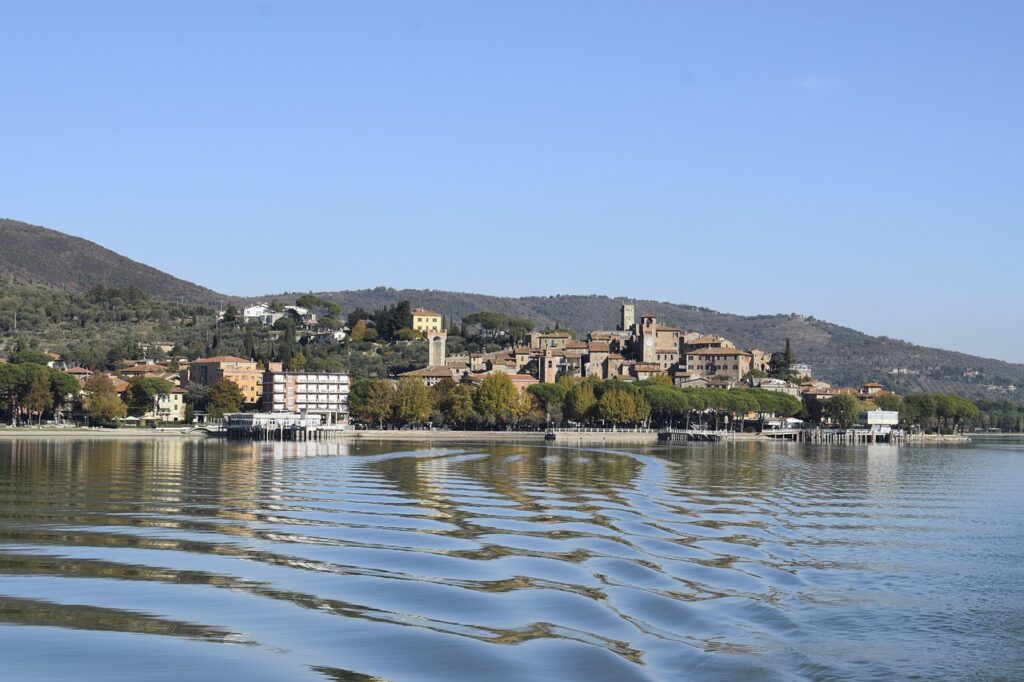
The bottoms near Tuoro include small muddy depressions with crayfish and invertebrates, vegetation beds and some ancient rocky surfaces. The appeal here is the combination of immersion and landscape: you can float on the surface and from the same position see the heights where historical actions took place while observing lake life underneath. The waters are often cooler because winds sweep the northern part; a short wetsuit (2–3 mm) is recommended outside the warmest months.
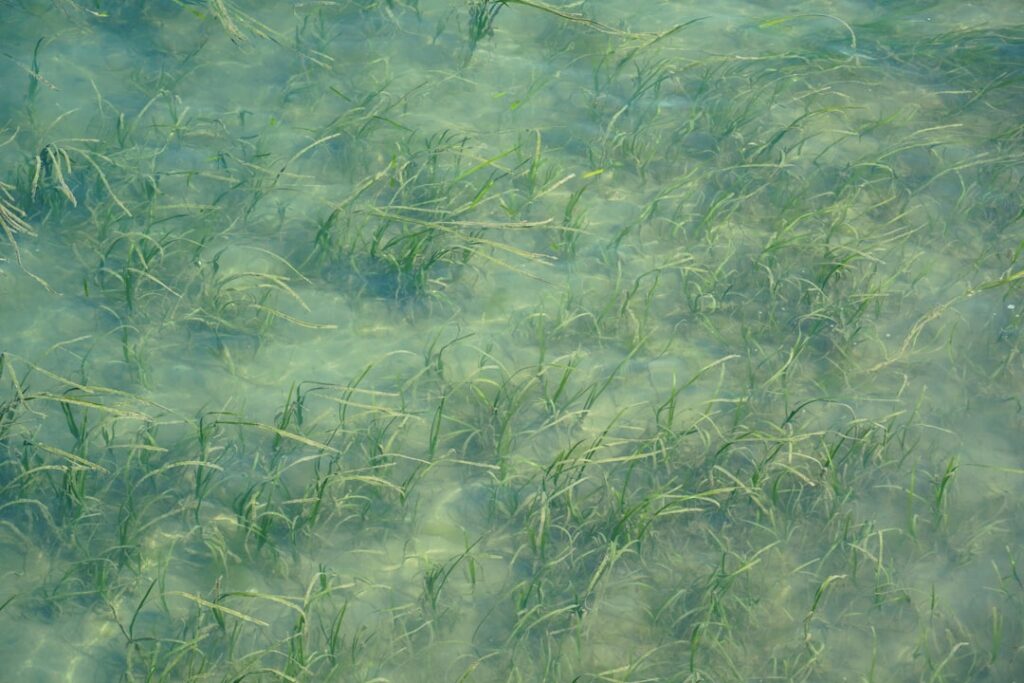
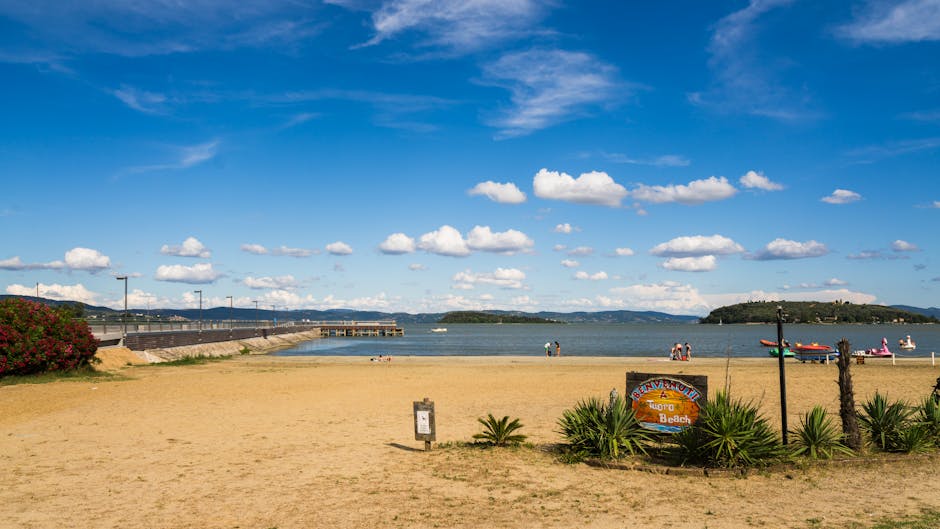
Local tips and safety: Tuoro is a good launch point for themed outings — photo, lake biology or cultural routes combining a visit to the local museum (Museo della Battaglia del Trasimeno, Via Battaglia 1, Tuoro sul Trasimeno; entry €4–6) and a gentle snorkel. Respect navigation areas and signage, use a buoy and head back if the weather deteriorates. For families, the municipal beach of Tuoro (Lungolago) offers lifeguarded zones in summer, helpful for building confidence before exploring wilder spots.
Conclusion — Planning your gentle snorkeling on Trasimeno: tips for a great trip
Lake Trasimeno is perfectly suited to gentle snorkeling: site variety, accessibility, natural richness and cultural heritage give each outing a full sensory dimension. To make the most of your experience, plan sessions early morning or late afternoon, choose windless days for better visibility and contact local bases ahead of time to reserve gear and guides. Prices quoted in this guide (mask/snorkel rental €6–8 per day, kayaks €15–25 for a few hours, guided trips €25–35 per person depending on duration) are realistic references but can vary seasonally; always confirm before you go.
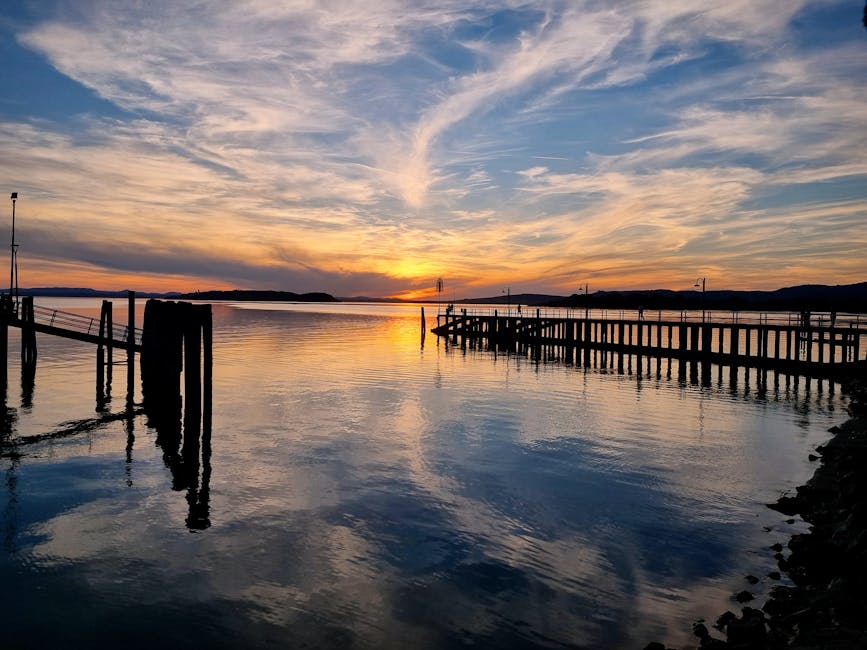
Respect reserve and park rules: don’t touch seagrass beds, don’t pick shoreline plants and leave no trash behind. For families and beginners, choosing an outing run by local operators (the ports and centers listed) offers safety and education about the lake’s flora and fauna. Pack the essentials: water shoes, a light wetsuit, a flotation vest if needed, a whistle, sunscreen and water. Photographers should consider a polarizing filter and a waterproof housing — morning and evening light turns the surface into a mirror, creating superb compositions.
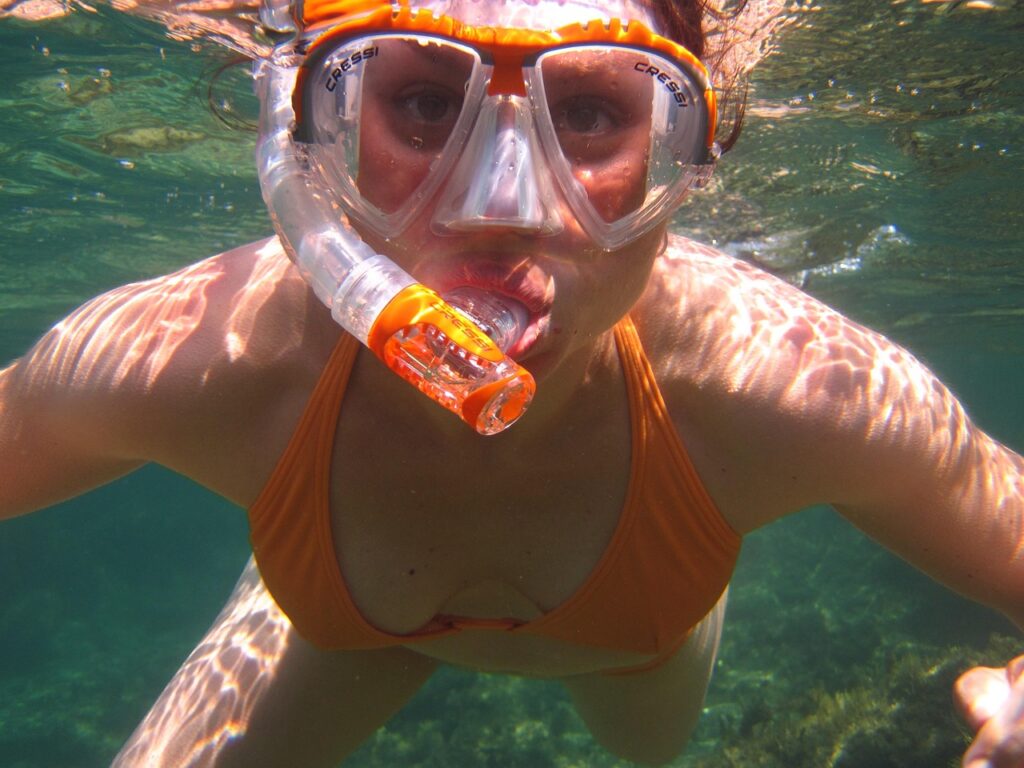
Finally, combine your water outings with village visits: taste lake fish in local restaurants (main course average €10–25), visit museums and stroll historic centers. Lake Trasimeno is a place where slowness rules — slow your pace, let time for observation and enjoy the simple pleasures of gentle snorkeling to approach nature with respect. Happy snorkeling, and remember: the best discoveries are often small forgotten coves visible only to those who take the time to look beneath the surface.