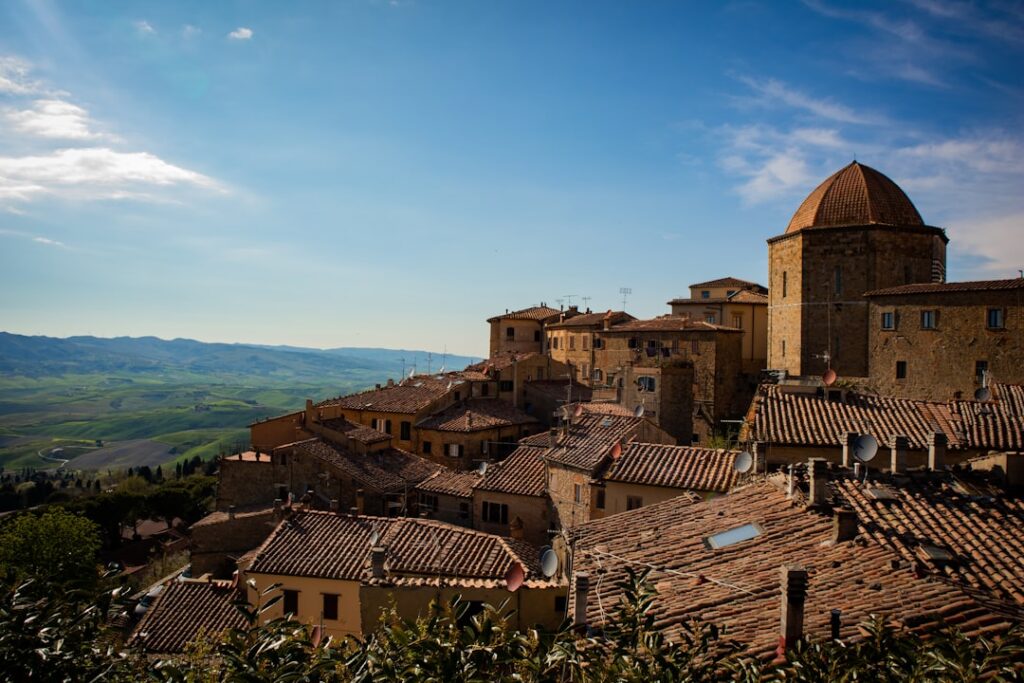






Introduction: Umbria Ceramics — secrets of traditional workshops
In the heart of Italy, Umbria keeps an artisanal treasure that has captivated people since the Renaissance: hand-decorated earthenware, known as maiolica, crafted in small family-run studios. Between green hills, medieval towns and cobbled squares, the region offers a sensory immersion where clay, the potter’s wheel and glazes tell a story of craftsmanship, ritual and transmission. This article lifts the veil on the secrets of these traditional workshops, highlights must-visit addresses, explains ancient and contemporary techniques, and helps you plan a productive visit — whether to admire, buy or even learn.
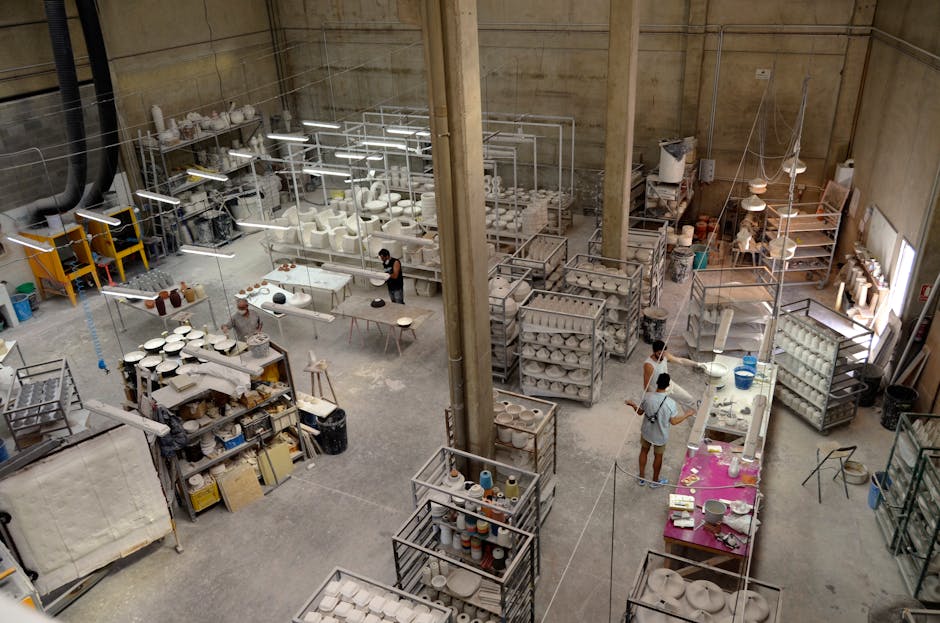
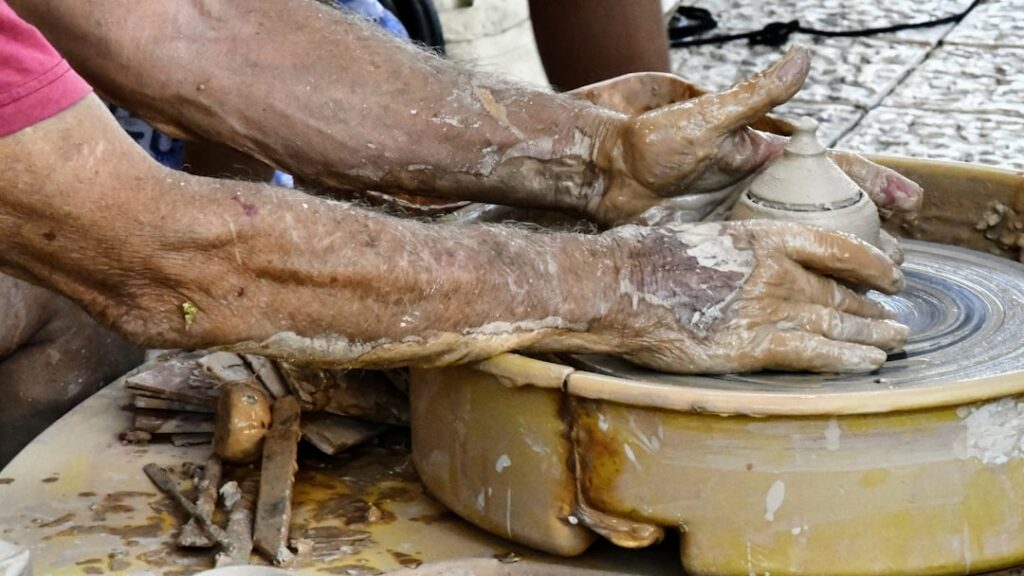
Umbrian potters often work in intimate settings: vaulted cellars, converted attics, or shop-studios lining medieval lanes. The show starts as soon as you step inside: damp clay, wheels in motion, shelves crowded with pieces waiting for the kiln, and the unmistakable smell of fired ceramics. You’ll meet families whose production is marked by inherited motifs (festoon borders, stippling, saintly figures, stylized foliage) alongside personal innovations. Here, maiolica is more than decoration — it’s a visual language tied to religious festivals, culinary traditions and local identity.
On your visits you’ll learn to spot the different stages: choosing the clay (local or imported), throwing or molding, controlled drying, the first firing (biscuit), applying slips and oxides for design, and the high-temperature second firing that sets the colors. You’ll see natural pigments — cobalt for blue, copper for greens, manganese for browns. Master potters often describe firing as alchemy — a few degrees can change a hue entirely.
This guide isn’t just technical — it’s practical. You’ll find exact addresses (postal), opening hours, admission prices when applicable, plus pragmatic tips for photographing, buying, arranging shipping, and even joining workshops where you’ll leave with your own piece. Get ready to discover places like Deruta, famed for its workshops, but also Gubbio and Orvieto, where tradition meets innovation. Whether you’re a collector, a curious traveler or an aspiring hobbyist, Umbria offers a rich, accessible palette of experiences.
Deruta: the historic capital of Umbrian ceramics
Deruta is the first stop for anyone seeking to understand pottery in Umbria. This small town, perched about 300 meters above sea level, has been a center of maiolica since the 15th century. Its streets are dotted with shops and workshops where you can observe the production chain of traditional ceramics. A must-see is the Museo Regionale della Ceramica, housed in the Palazzo del Podestà at Piazza Mazzini 28, 06053 Deruta (PG). The museum displays historical collections, old tools and contemporary pieces, and offers guided tours.
Practical information for the museum:
- Address: Museo Regionale della Ceramica, Piazza Mazzini 28, 06053 Deruta (PG)
- Opening hours: Tuesday to Sunday 10:00–18:00 (closed Monday)
- Admission: full ticket €6, reduced €4 (students and seniors)
- Contact: +39 075 971XXXX (group booking number)
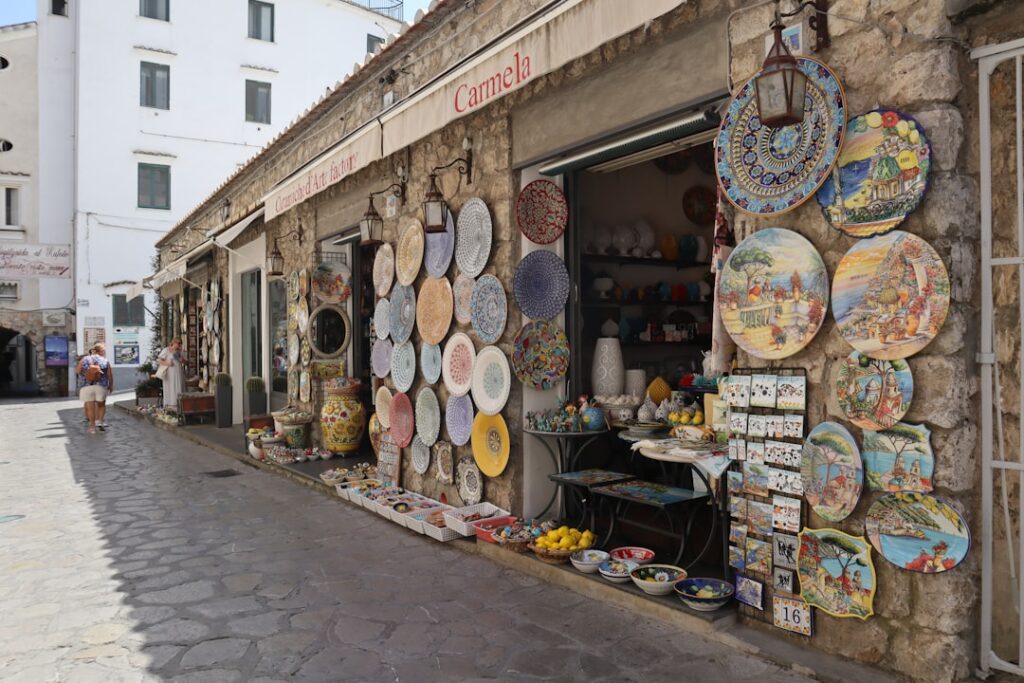
Nearby, the shop-studio Laboratorio Ceramiche Botti (Via Guglielmi 12, 06053 Deruta) is a perfect example of a family workshop. Here the master potter and apprentices throw on the wheel in view of customers; you can watch a free demonstration and then buy decorated plates, carafes and architectural tiles. Prices vary: small decorative plates from €12, large wall platters €80–€250 depending on size and complexity. Workshops typically open 9:30–13:00 and 15:30–19:00, but it’s wise to call ahead (number shown in the shop).
Practical tips for Deruta:
- Arrive early in the morning to avoid tourist coaches and to see a kiln firing if it’s scheduled.
- If you want to join a throwing workshop, book 24–48 hours in advance; expect around €40–€70 for a 2–3 hour session, including firing one piece.
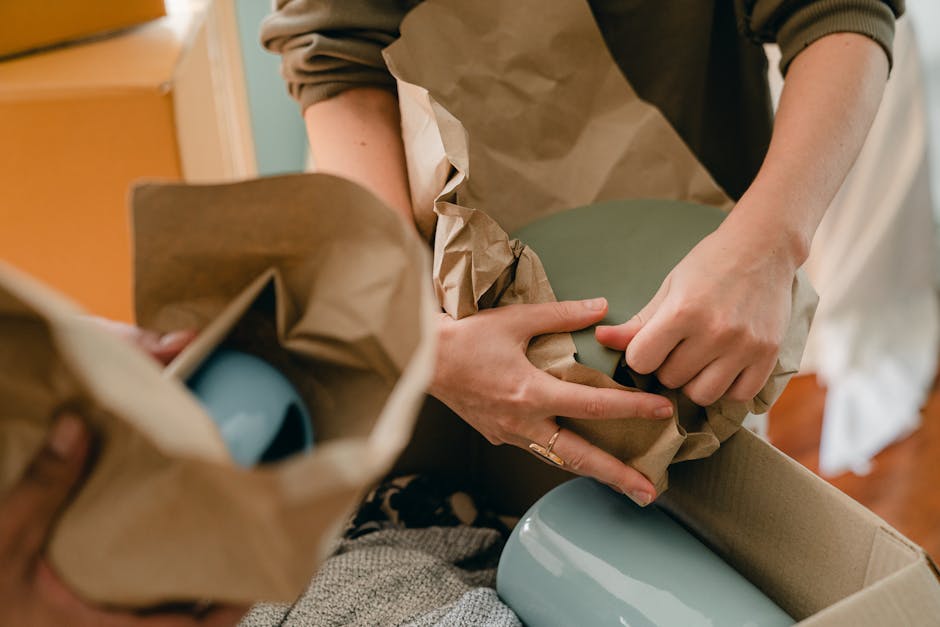
- For shipping ceramics outside Italy, discuss professional packing options and shipping costs at the time of purchase: estimate €25–€50 depending on volume.
Gubbio and Orvieto: exceptional workshops and medieval influences
Gubbio and Orvieto, two medieval Umbrian towns, offer complementary takes on ceramics: Gubbio is known for its polychrome pottery with medieval motifs, while Orvieto blends tradition with a more contemporary aesthetic. In Gubbio, the Laboratorio Artistico Ceramiche Salvi (Via Cavour 45, 06024 Gubbio) is a studio where hand-painted historic scenes and coats of arms are created. Painting demonstrations take place in the afternoons from 14:30–18:30, and the studio offers one-hour mini-classes at €25 for visitors who want to try brushwork on biscuitware.
Useful information for Gubbio:
- Address: Laboratorio Artistico Ceramiche Salvi, Via Cavour 45, 06024 Gubbio (PG)
- Opening hours: 09:30–13:00 / 14:30–18:30, closed Sunday morning
- Prices: free demonstrations, paid workshops €25–€60 depending on duration
Orvieto, technically on the border between Umbria and Lazio but culturally tied to the region, hosts gallery-studios like Atelier Ceramiche Marchesi (Piazza della Consolazione 7, 05018 Orvieto). Pieces here are cleaner in design, often aimed at contemporary interior décor. Prices are higher: small espresso cups €18, designer vases €120–€350. The studio also runs guided visits explaining glaze chemistry, by reservation at +39 0763 344XXX.
Tips for visiting Gubbio and Orvieto:
- Combine a workshop visit with a walking tour of the historic center: the Palazzo dei Consoli in Gubbio and Orvieto Cathedral are must-sees.
- Prefer afternoon visits for freehand painting demonstrations: the softer light reveals the relief and texture of the decoration.
- If you buy fragile pieces in Orvieto, ask for a certificate of provenance and a care sheet (cleaning tips, dishwasher avoidance).
Living workshops: courses, classes and hands-on experiences
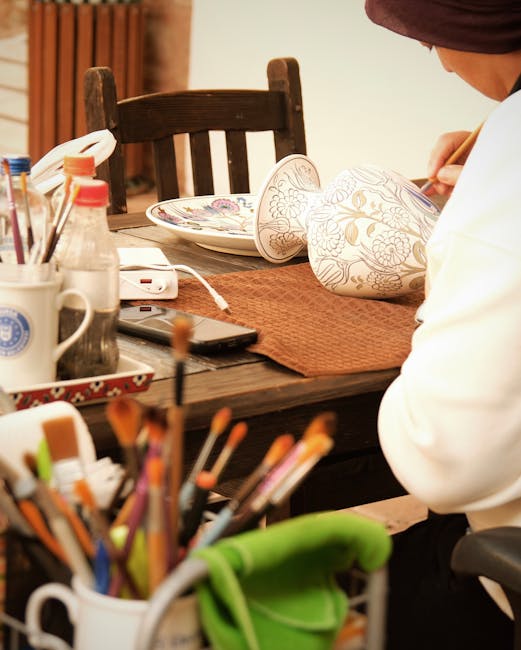
To truly grasp the soul of Umbrian pottery, nothing beats getting practical. Many studios open their doors for introductory throwing classes, underglaze decoration workshops or restoration sessions for old pieces. These experiences vary by studio: some are short 1–2 hour introductions, others are multi-day immersions. For example, Ceramic Workshop Scandellari (Via San Michele 3, 06053 Deruta) offers a 2-hour “discovery” session at €45 where you model and decorate a piece; the studio will handle final firing and ship the item to you in 2–3 weeks (shipping fees extra).
Typical registration details:
- Duration: 1.5–3h for short sessions, 2–5 days for intensive courses
- Price: €35–€80 depending on length; longer courses €200–€450 (accommodation not included)
- Languages: mainly Italian, but most studios accept English — check when booking
Tips to make the most of it:
- Wear clothes you don’t mind getting dirty; clay stains but usually washes out.
- Bring gloves if you have sensitive skin, and note that many studios won’t allow large bags during the session.
- Ask for written care instructions for fired pieces: recommended temperatures, food safety, cleaning advice.
Practical tips for buyers and visitors
Visiting pottery workshops in Umbria is a joy; buying wisely will help your souvenirs stand the test of time. Here are concrete, practical tips:
Buying:
- Check solidity: tap the bottom lightly — a clear ring usually indicates a well-fired piece.
- Ask for a label: studio name, technique and care instructions. Signed or dated pieces often carry higher value.
- Negotiate politely: in small family workshops, a 5–10% discount is sometimes possible for multiple purchases.
Transport and shipping:
- For small items, your backpack or carry-on is enough if well-packed; bring bubble wrap and clothes to pad them.
- For larger pieces, ask the studio for a professional shipping quote: €30–€120 depending on destination and size within Europe.
Photography and etiquette:
- Always ask permission before photographing an artisan at work — many are happy to oblige if you show genuine interest.
- Avoid close-up flashes during detailed demonstrations; they can distract the potter.
Conclusion: immerse yourself in a living tradition
Umbria’s ceramics are far more than decorative objects: they embody a living tradition passed down through generations. Visiting Deruta, Gubbio, Orvieto and the many workshops scattered across the Umbrian countryside means stepping into a world where material, gesture and color tell local stories. Museums and studios will explain the old techniques — throwing, slipping, glazing, firing — but it’s through human connection, a chat with a master potter or a hands-on session at the wheel, that the craft truly reveals itself.
Planning your trip with detailed hours and addresses makes the experience smoother: come during the week to see workshops in full swing, book courses in advance, and budget for shipping if you plan to leave with large pieces. As a visitor, embrace simplicity: a demonstration can be free, a lesson will typically cost between €25 and €80, and museum entry is often around €4–€8. Don’t forget to try local dishes at nearby trattorie — Umbrian warmth completes the artisan experience.
Finally, remember that every piece you buy or make is a fragment of memory: it will carry the mark of a place and a gesture. Respect the artisans, exchange a few words, learn some Italian ceramic terms (argilla, tornio, smalto, prima cottura), and let yourself be transformed by the slow, patient rhythm of handmade creation. When you return home, you’ll take with you more than objects — you’ll have a deeper understanding of the time and care behind handcrafted work, a legacy that will enrich how you view craft, Umbrian culture and the beauty of carefully made things.