





Introduction — Sustainable craft in Umbria: why eco-friendly ceramics and textiles deserve your attention
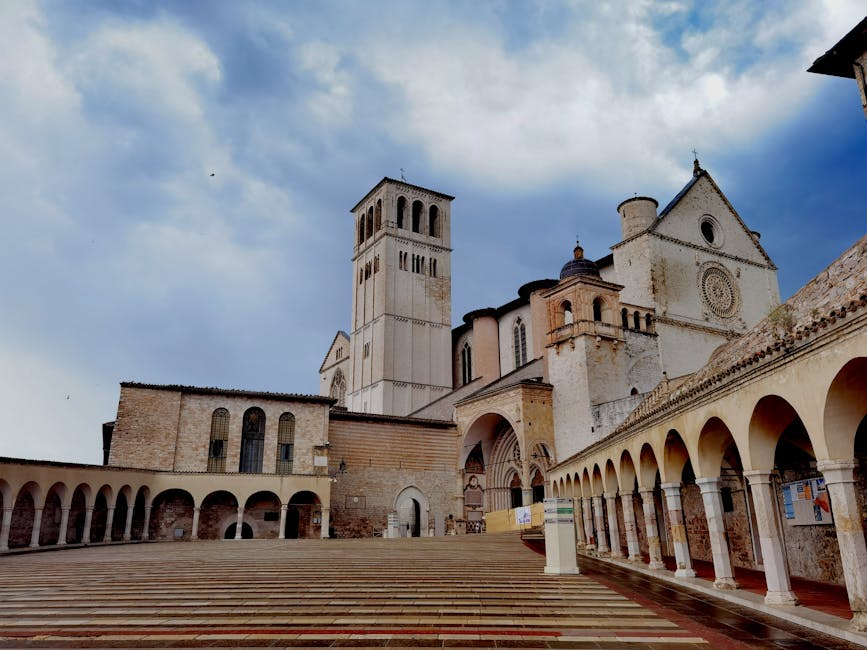
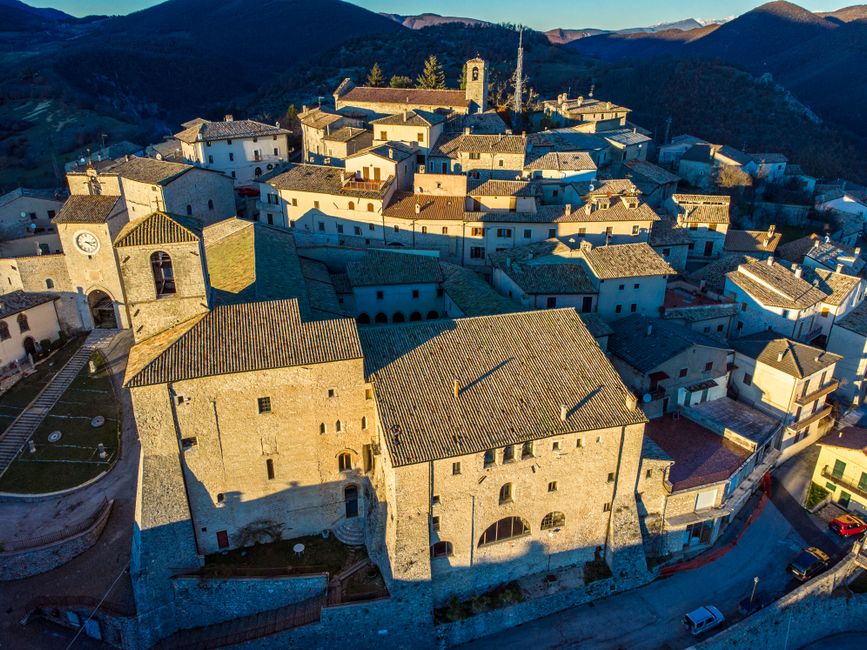
Umbria, Italy’s green heart, has been a hub of craftsmanship for centuries. Between olive-dotted hills, small medieval villages and historic centers like Perugia, Assisi and Deruta, the region developed artisanal traditions closely tied to local raw materials and skills passed down through generations. Today, faced with climate challenges and growing demand for responsible products, Umbrian ceramics and textiles are rethinking their processes to become more sustainable while preserving their aesthetic and technical excellence.
Why talk about sustainable craft in Umbria? Because local artisans are taking concrete steps: energy-efficient kilns, recycling glazes, using local clays, natural pigments and, for textiles, organic fibers (linen, hemp), plant-based dyes and short supply chains. Those choices directly affect product quality, consumer health and environmental impact. Buying a glazed plate fired in a low-consumption kiln or a tablecloth made from locally madder-dyed linen isn’t just about owning an object; it’s about supporting an economic model that protects the landscape, skills and biodiversity.
This general guide offers an immersive route through workshops, museums, shops and cooperatives across Umbria, with exact addresses, indicative prices and opening hours. It gives you pointers to understand the technical side of sustainable practices, tips for spotting genuinely eco-responsible products and suggestions for useful, long-lasting purchases. You’ll learn where to watch production in action, how to join hands-on workshops and how to bring home pieces designed to last, repairable and recyclable.
This guide is aimed at curious, conscientious travelers who want to combine cultural discovery with support for the local economy and environmental responsibility. The information gathered here helps you plan visits, book practical workshops and buy with confidence. We highlight places where social impact matters as much as ecological footprint: cooperatives employing local artisans, training initiatives for young people, and direct producer-to-consumer sales channels.
Finally, this guide invites you to look beyond the finished product: question the origin of the materials, the firing or dyeing methods, the longevity of the pieces and repair options. Umbria — with its range of clays, fibers and stories — is an ideal place to practice responsible tourism and make buying choices that matter. Before you go, keep in mind a few practical benchmarks that we’ll detail: how to ask the right questions in a workshop, what budget to expect for a quality piece and where to find local certificates or labels related to sustainability.
Deruta and eco-friendly ceramics: historic studios and new practices
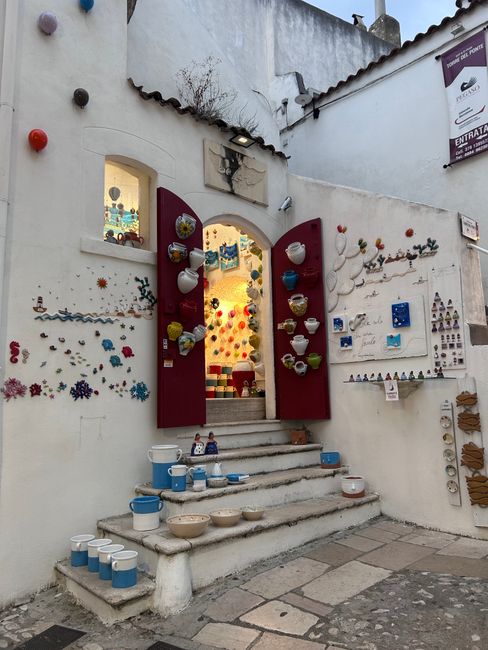
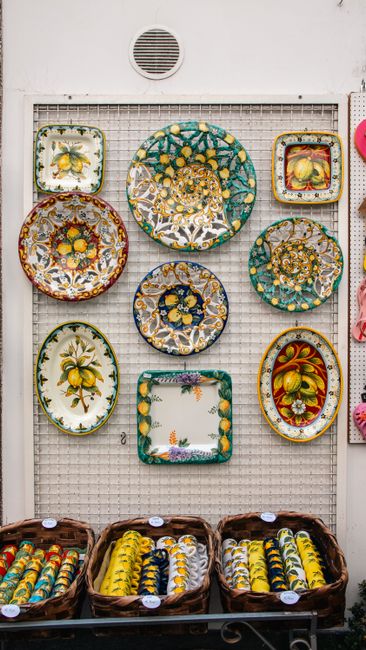
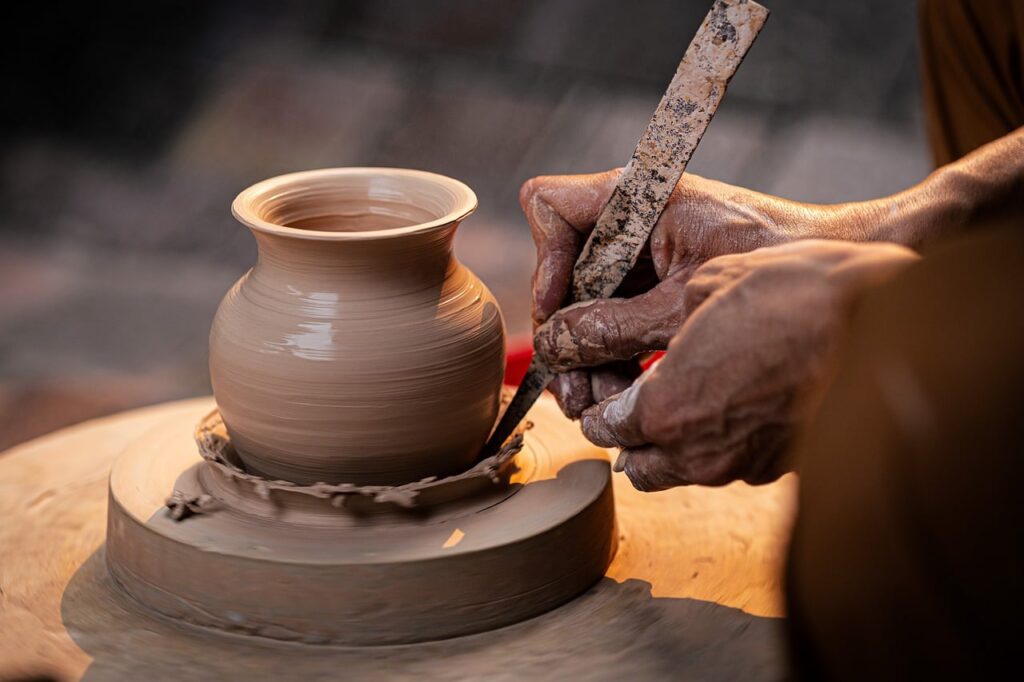
Deruta, a small town in the province of Perugia, has been synonymous with Italian ceramics since the Middle Ages. Beyond the charm of decorated plates, patterned platters and polychrome tiles, you’ll find studios modernizing their techniques to reduce impact. Visiting Deruta gives you the chance to observe the full cycle — from local clay to glaze — and to choose pieces made under responsible conditions.
Must-see museum: Museo Regionale della Ceramica di Deruta, Piazza dei Consoli 12, 06053 Deruta (PG). Admission: full ticket €6, reduced €4 (youth 11–18), free under 10. Opening hours: Tuesday–Sunday 09:30–13:00 and 15:00–18:30; closed Monday. The museum showcases historical collections as well as temporary exhibitions focused on technical innovations and waste reduction in the studio. A guided tour (by reservation) costs around €35 for a group of 1–6 people and includes discussion of sustainable practices, like using low-carbon clays and lead-free glazes.
Workshops to visit:
- Laboratorio Ceramiche Montanini, Via Roma 21, 06053 Deruta (PG). Intro workshop (2 hours): €45 per person, includes shaping and post-workshop firing (pick up pieces in 2–4 weeks). Shop hours: 09:00–13:00 and 15:00–19:00. Montanini uses locally sourced clays and a heat-recovery kiln that can save up to 30% energy.
- Atelier Ceramiche Rossi, Via Umbra 7, 06053 Deruta (PG). Handmade plates for sale: €25 for a simple decorated plate, €80–€150 for custom pieces. Hours: 10:00–13:00 and 16:00–19:00. Rossi upcycles clay offcuts: they’re ground and reintroduced into new bodies or turned into engobes.
- Cooperativa Deruta Terra Viva, Via della Ceramica 3, 06053 Deruta (PG). Sustainable workshops (demo + participation): €30–€60 depending on length. Office hours: 09:00–17:00. This cooperative is an example of a circular economy: recycling glaze rinse water, using ash-based glazes and a permanent showroom selling certified lead-free pieces.
Local tips: arrive early to see the kiln warming up and ask for a demonstration of natural glaze application. Ask artisans these questions: “Where does your clay come from?”, “Do you use lead-free glazes?”, “Do you recycle your rinse water?”. Their answers will help you identify studios genuinely committed to sustainability.
Perugia and eco-friendly textiles: cooperatives, shops and upcycling studios
Perugia, the capital of Umbria, is not only a university city but also a hub for responsible textile initiatives. Just off the medieval lanes, several cooperatives and small businesses work with linen, hemp and recycled fibers, offering clothing, home textiles and artisan goods built to last. Short supply chains and transparency are often highlighted here.
Addresses to know:
- Bottega Tessile Perugia, Via della Pescheria 14, 06123 Perugia (PG). Products: organic linen tablecloths from €45, hemp napkins €18, naturally dyed throws €75–€120. Hours: Monday–Saturday 09:30–13:00 and 15:30–19:30; closed Sunday. Free studio visits by appointment; natural dye workshops (3 hours): €50 per person, materials included.
- Cooperativa Filiera Verde, Via dei Priori 32, 06121 Perugia (PG). Direct sales: linen tunics and shirts certified €60–€110. Hours: 10:00–18:00 (closed Sunday). This cooperative favors European fibers and low-impact dyes, and displays full traceability on each label: origin of the fiber, place of spinning, place of weaving.
- Atelier Upcycling La Tela Rinnovata, Corso Vannucci 58, 06121 Perugia (PG). Products: bags and accessories made from recovered textiles, prices €25–€90. Shop hours: 10:00–13:00 and 15:00–19:00. Upcycling workshops (2 hours): €40, reservation required.
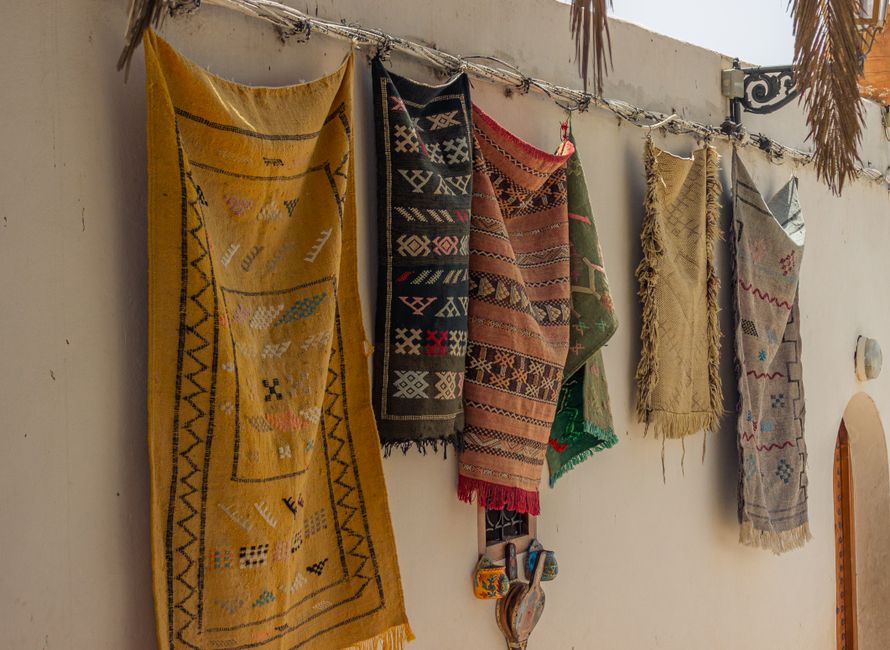
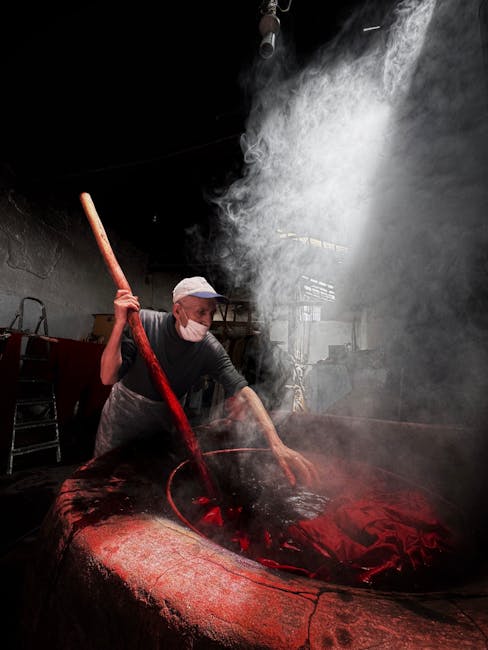
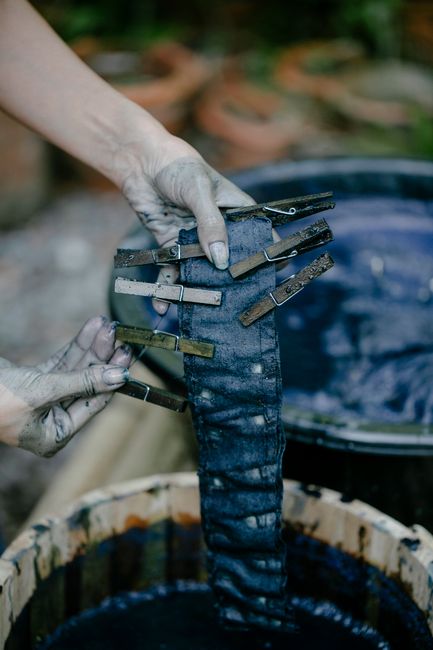
Immersive description: wandering through these studios you’ll smell fresh linen and hear the click of handlooms. Artisans readily demonstrate dyeing techniques: vats of plants (chamomile, chestnut, madder) simmering, mordant baths with natural salts and sun drying — a display of earthy tones that highlights the direct connection with Umbria’s landscape.
Practical buying tips: look for visible labels or mentions (organic linen, GOTS, traceability) and ask if garments are repairable (reinforced seams, replaceable buttons). For table linens and household textiles, choose linen and hemp: naturally antibacterial, durable and requiring fewer intensive washes, so they save water and energy.
Recommended routes: combine ceramics and textiles over 2–4 days in Umbria
For travelers seeking a hands-on immersion, here are two practical itineraries, one short (2 days) and one more comprehensive (4 days), combining ceramics workshops and visits to sustainable textile studios. These routes favor local transport and encounters with committed artisans.
2-day itinerary (weekend) — Deruta + Perugia in brief:
- Day 1: Morning in Deruta — visit the Museo Regionale della Ceramica di Deruta, Piazza dei Consoli 12 (09:30–12:00, ticket €6). Lunch at Ristorante La Taverna, Via Borgo San Michele 5, Deruta (lunch menu €18–€25). Afternoon: Montanini workshop (shaping, €45). Evening: back to Perugia, stroll along Corso Vannucci.
- Day 2: Perugia — morning at Bottega Tessile Perugia (natural dye workshop, 3 hours, €50). Lunch at Caffè degli Artigiani, Via dei Priori 18, Perugia (dish €8–€14). Afternoon visit to Cooperativa Filiera Verde (buy tablecloths, €45+). Departure late afternoon.
4-day itinerary — deeper dive into Umbrian craft:
- Day 1: Arrive in Perugia, visit textile shops (Bottega Tessile, Cooperativa Filiera Verde). Overnight in Perugia.
- Day 2: Head to Deruta, visit the Museo Regionale della Ceramica (Piazza dei Consoli 12), Montanini workshop and Cooperativa Deruta Terra Viva. Overnight in Deruta or return to Torgiano for a rural stay.
- Day 3: Travel to Città di Castello — visit contemporary ceramics studios and local textile shops. Example: Atelier Ceramiche Moretti, Via Roma 10, Città di Castello (PG), free demonstration, plates from €30+.
- Day 4: Return via Assisi — weaving workshop at Bottega Tessile Assisi, Via San Francesco 42, 06081 Assisi (PG). Traditional weaving workshop (2–4 hours): €60. Free time to visit the basilica. Departure.
Costs and logistics: budget roughly €120–€250 per person for a weekend including workshops, visits and modest purchases. Workshops often require booking 48–72 hours in advance, especially in high season (April–October). Many studios accept cash; check card payment options ahead of time.
Labels, materials and techniques: how to recognize a truly eco-responsible piece
Choosing sustainable isn’t just about a pretty pattern. It’s about understanding material, process and economics. Here’s a technical guide to evaluate Umbrian ceramics and textiles.
Ceramics — criteria to look for:
- Clay origin: favor studios that state “local clay” or provide provenance. Using regional clays cuts transport and helps maintain artisanal quarries.
- Glazes: ask if glazes are “lead-free” and whether natural alternatives (ashes, mineral oxides) are used. Responsible studios often display technical sheets or internal certificates.
- Kiln and consumption: a heat-recovery or low-consumption kiln is a good indicator. Ask the artisan about firing frequency and reuse of offcuts.
- Repairability: a lovely plate should be repairable. Inquire about repair services (modern kintsugi, glaze touch-ups).
Textiles — checkpoints:
- Fiber: linen, hemp, local wool and organic cotton are preferable. Labels should indicate “organic linen”, “hemp” or GOTS certification.
- Dyes: plant-based dyes (madder, indigo, chestnut) are a good sign; they yield nuanced tones that are less uniform than synthetic pigments.
- Process: handweaving, on-site spinning and upcycling of fabrics indicate a low carbon footprint and artisanal added value.
- Traceability: favor pieces that state the origin of fibers and transformation steps (spinning, weaving, dyeing). Some cooperatives provide a QR code with full traceability.
Practical tips: ask for written information if you’re buying gifts (composition, care, origin). Also request care instructions to limit washing and extend life (cold wash, air dry, simple repairs). A well-maintained sustainable piece can last decades, significantly lowering its overall environmental footprint.
Local resources, markets and events: where to deepen your sustainable experience
Beyond permanent studios, Umbria hosts a busy calendar of events dedicated to craft and sustainability. Visiting a fair, market or festival lets you meet a wide range of artisans and easily compare practices.
Events and markets to note:
- Fiera della Ceramica di Deruta — usually held in September in Deruta, Piazza dei Consoli. Free entry; artisan demonstrations, direct sales and educational booths on energy-efficient firing techniques. Hours vary: often 10:00–20:00.
- Umbria Green Textile Fair — trade and public fair at Perugia Fiere, Strada Perugia-Città della Pieve, 06134 Perugia (PG). Tickets: day pass €12, weekend €20; professionals by registration. The fair focuses on short supply chains, natural dyes and ethical textile design.
- Mercato degli Artigiani — monthly market in Assisi, Piazza del Comune. Stalls by local artisans, weaving and pottery demonstrations, products from €10. Usually 09:00–18:00 on the first Sunday of the month.
Resources for information and booking:
- Perugia tourist office — Piazza Italia 1, 06121 Perugia (PG), phone +39 075 572 3312. Hours: 09:00–18:00 (Monday–Saturday). Ask for the brochure “Artigianato Sostenibile in Umbria” for workshop contacts and event schedules.
- Ufficio Cultura e Turismo Comune di Deruta — Via XX Settembre 10, 06053 Deruta (PG). Hours: 09:00–13:00. Useful for booking group visits to the Museo Regionale della Ceramica.
Participation tips: book workshops and demonstrations several weeks ahead in high season. Bring reusable bags for purchases and, if possible, prioritize card payments to limit handling of cash during workshops.
Conclusion — A tangible commitment: buy better to support the future of Umbrian craft
Umbria offers a unique landscape where ceramics and textiles meet under a common aim: keep craft alive while reducing environmental impact. By choosing studios that work with local clays, lead-free glazes, energy-efficient kilns or textiles in linen, hemp or organic cotton, you help preserve age-old skills within a contemporary, responsible framework. Your purchase becomes an ecological and social act: it supports families, cooperatives and small businesses who choose quality and transparency every day.
On the ground, favor visits where the production steps are explained — it’s often the best sign of genuine commitment. Ask the right questions about material origins, dye types, firing frequency and repairability. Look for labels, but remember that the most tangible proof is often the artisan’s direct demonstration in the workshop. Joining a workshop, even a short one, will give you a real sense of the complexity of the craft and the time invested in each piece.
Finally, remember that longevity also means care: learn simple maintenance gestures, favor repairable pieces and think about how you’ll use your purchases. A well-kept linen tablecloth, a lead-free glazed plate or an upcycled bag can accompany you for years and reduce your long-term consumption. By exploring Deruta, Perugia, Assisi and the small cooperatives of Umbria, you’ll see that tourism and responsibility can go hand in hand — and that every informed, thoughtful purchase contributes to the vitality of a region with so much to offer.