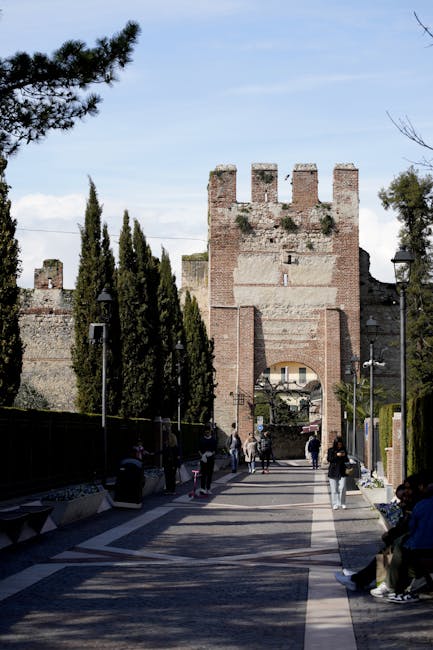






Introduction: Living Citadels — Medieval festivals in Umbria’s castelli
Immersion and living memory. In Umbria, the green heart of Italy, stone walls and towers come alive every year: torchlit markets, mounted jousts, costumed banquets, and artisans spinning wool as if it were the 13th century. These events—often called “feste medievali” or “rievocazioni storiche”—aren’t mere shows: they’re the product of painstaking community work, where local associations, craft cooperatives and municipalities put time, expertise and passion into recreating the atmosphere of the past. This general guide walks you through the main medieval festivals that animate the castelli (castles and fortresses) of Umbria, with exact addresses, opening times, indicative prices and practical tips to get the most out of these living citadels.
Why focus on festivals held in or around the castelli? Because the architecture provides an unbeatable stage: keeps, fortified squares, loggias and ramparts become living sets. Medieval festivals in Umbria often aim for historical authenticity—linen and wool costumes, ancient recipes, traditional craft workshops—while offering modern logistics (online ticketing, information points, food stalls). Whether you’re a history buff, a photographer chasing dramatic shots, a foodie curious about historic cuisine, or a family looking for an original cultural outing, the castelli festivals in Umbria deliver on all fronts.
This guide highlights several emblematic sites and recurring festivals: Mercato delle Gaite in Bevagna, Giostra della Quintana in Foligno, Calendimaggio in Assisi and events around the rocche (fortresses) of Spoleto, Gubbio and Montefalco. For each event or site you’ll find: full name, precise address, price ranges in euros (entrance, guided tours or seated tickets), typical schedules, an immersive description of activities, and local tips—including the most photogenic hour, secondary attractions to combine and accommodation recommendations. I’ve also included visual cues 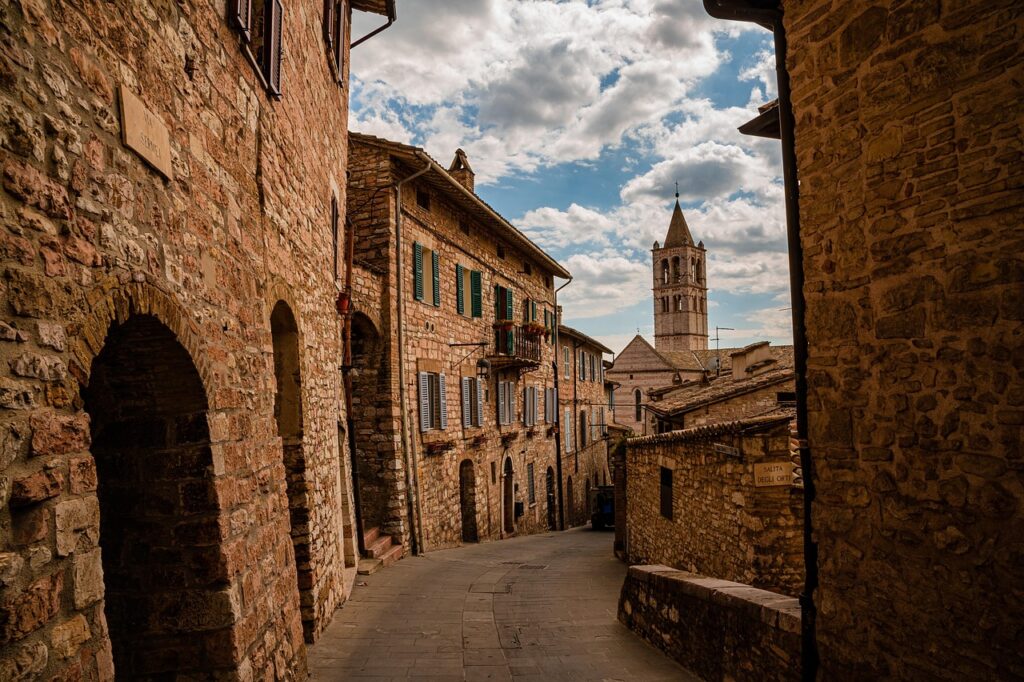 to help you imagine the scene and prepare your photo gear.
Practical note: festival hours and prices can change from year to year (especially for ticketed shows and historic dinners). Always check official municipal sites or the comitati (organizing committees) before booking. Also, opt for comfortable shoes and a camera with good low-light performance: torchlit evenings and banquets in vaulted halls often offer dim but beautiful light.
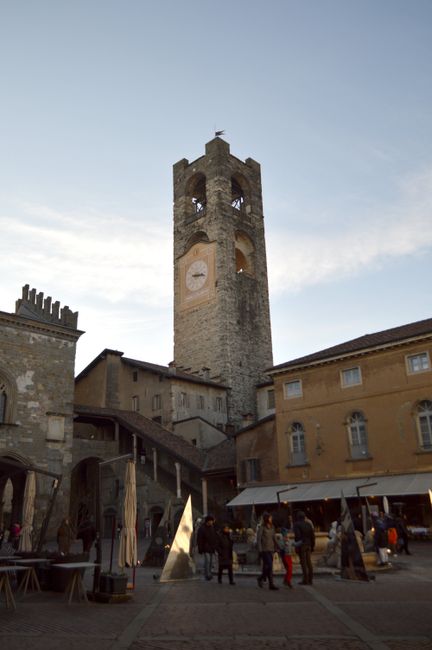
Mercato delle Gaite (Bevagna) — the reconstructed market at the foot of the walls
The Mercato delle Gaite in Bevagna is one of Umbria’s most famous medieval festivals. Usually held in June, it recreates the daily, commercial and artisanal life of the 13th–14th centuries in the historic centre, framed by the old town walls and gates.
Location and address: Centro Storico di Bevagna, Piazza Silvestri, 06031 Bevagna PG, Italia. The heart of the action is around Piazza Silvestri and the adjacent medieval lanes.
Opening times: Main activities take place over an extended weekend and often span 4–6 days. Typical hours: 10:00–24:00 for markets and workshops; evening shows and banquets from 19:00–02:00 (subject to the annual schedule).
Indicative prices: Entrance to the town and markets is usually free. Workshops or demonstrations may charge a fee: workshop tickets €5–€15. Historic dinners and medieval banquets (limited seating): €35–€70 per person depending on the menu (multi-course meal with entertainment). Bookings advised for dinners via the Associazione Mercato delle Gaite: [email protected] (check the Pro Loco site for updated email).
Immersive description: Passing through the Porta Romana, you notice the atmosphere shift: artisans on trestles, blacksmiths hammering iron, weavers and spinners under awnings, scents of spices, wood-fired breads and sizzling skewers. Costumed residents represent the four “gaite” (districts); each gaite competes creatively to recreate period menus, stalls, gestures and techniques. Narrow streets become stages, small squares host hurdy-gurdy players and minstrels, and workshops let you try your hand at calligraphy, braiding and pottery. Highlights include the opening procession, the palio (a small reconstructed rural race) and neighbourhood banquets.
Local tips: – Come early in the morning to avoid crowds and photograph artisans at work. – Try the communal oven’s pane e salame and the traditional vin cotto, often served on wooden benches. – For the full experience, book a gaite dinner: you’ll share a table and the show with costumed locals. – Parking: Parcheggio Piazza Umberto I or Piazzale Belluccini (follow tourist signs); shuttles are sometimes provided from Foligno station during big weekends.
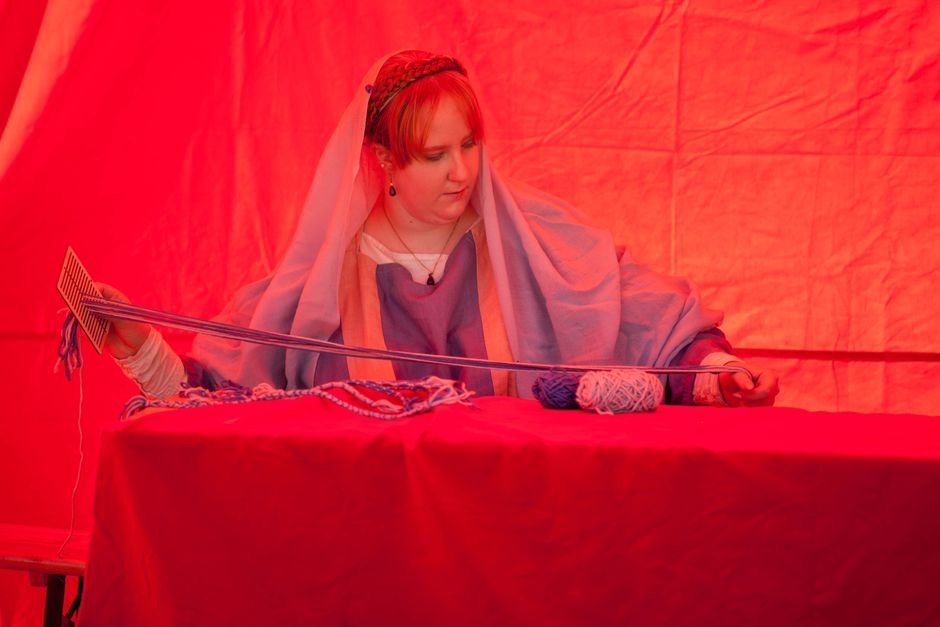
Giostra della Quintana (Foligno) — equestrian jousts and historic parades
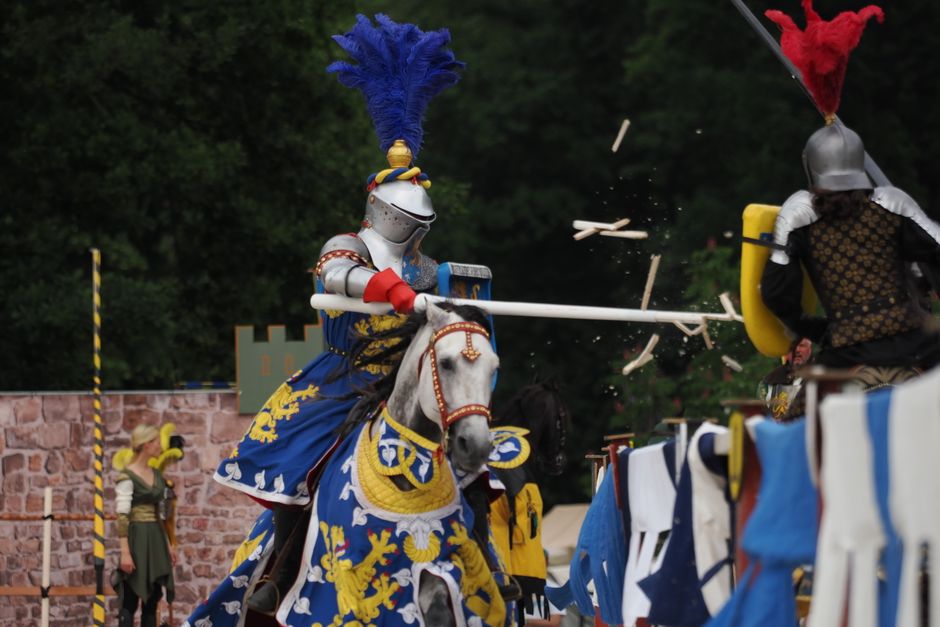
Although centered in the town of Foligno, the Giostra della Quintana unfolds across its historic sites, palaces and medieval taverns; the jousts and parades emphasize the importance of urban fortifications and ramparts. This event blends equestrian spectacle, competition between rioni (districts) and a grand historic procession.
Location and address: Piazza della Repubblica, 06034 Foligno PG, Italia (the heart of ceremonies and starting point of the parades). The joust and routes also run along Via Mazzini and the main arteries of the historic centre.
Opening times: Main events take place in the evening to maximize the effect of torches and stage lighting: opening parade around 18:00–20:00, jousts in the evening 21:00–23:30. The programme includes visible rehearsals and training during daytime (09:00–13:00).
Indicative prices: Opening parade is generally free to the public. Reserved seating for the Giostra: unnumbered stands €10–€15, numbered grandstand €20–€30 depending on location. VIP packages (if available) with backstage access and dinner: €60–€120. Tickets are managed by the Comitato Quintana and the Comune di Foligno — booking through the official Giostra website is recommended.
Immersive description: The thunder of hooves, the crack of lances and the controlled clatter of armor create an atmosphere that’s at once elegant and tense. Riders representing the rioni perform technical tests of precision and speed. The opening parade gathers musicians, standard-bearers, extras and flag-wavers; you’ll see colourful banners fluttering along medieval façades and coats of arms carved on palace doors. Temporary taverns serve long-simmered stews, wood-fired bread and local wines, evoking the feel of a medieval city festival.
Local tips: – Arrive at least 45 minutes before start time to find seats in the reserved stands. – Bring a cushion or folding seat if you plan to stay long; basic stands can be uncomfortable. – Combine your visit with Palazzo Trinci (Museo e Pinacoteca), opposite Piazza della Repubblica: a complementary cultural stop (Palazzo Trinci, Piazza della Repubblica 18, 06034 Foligno PG; typical museum hours 09:00–19:00; museum entry €4–€8 depending on temporary exhibitions).
Calendimaggio in Assisi — music, rivalries and ceremonies in the holy town
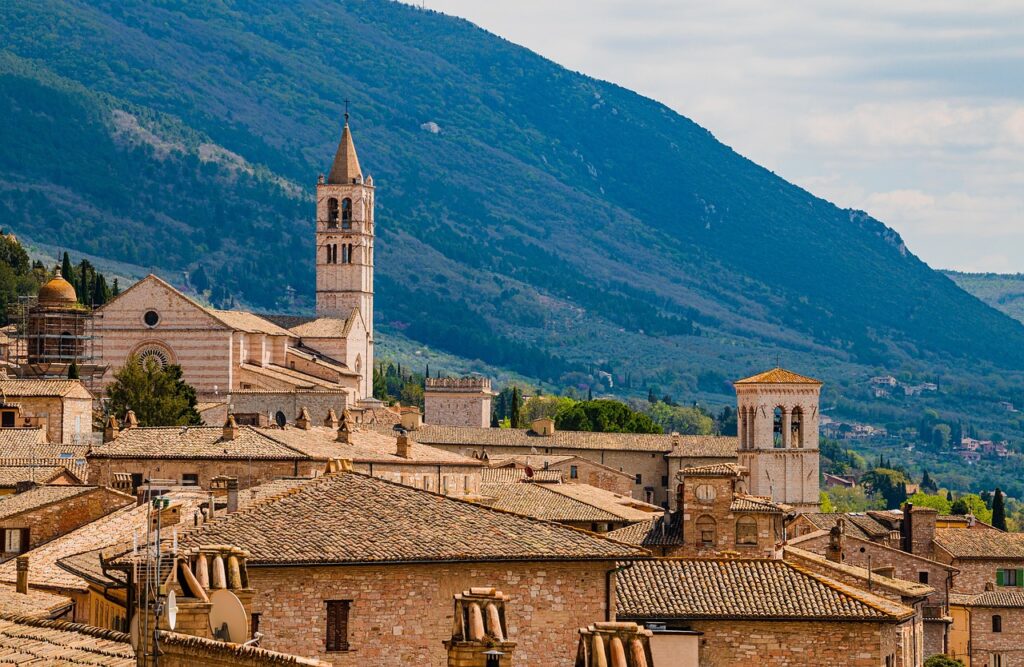
Calendimaggio in Assisi is an ancient spring festival that blends pagan tradition with popular fervour, turning the town of Assisi into a living theatre. Although Assisi is best known for its spiritual ties to Saint Francis, Calendimaggio revives the secular, communal side of medieval celebrations: parades, musical challenges, theatrical pieces and performances across the squares and near the Rocca Maggiore.
Location and address: Centro Storico di Assisi, main activities on Piazza del Comune (Piazza del Comune, 06081 Assisi PG) and the promontory of Rocca Maggiore (Via della Rocca, 06081 Assisi PG).
Opening times: The festival is concentrated over several days in May, with daytime activities 10:00–18:00 and evening shows 20:00–23:30. Opening ceremonies and the sfilate (parades) often take place in the late afternoon.
Indicative prices: Most parades and square performances are free. Some theatrical shows or historic dinners may require a fee: show tickets €8–€20; historic dinners €40–€80 depending on menu and entertainment.
Immersive description: Assisi, with its cobbled lanes, loggias and the overlooking Rocca Maggiore, provides a spectacular backdrop. Participants—organized in confraternities and historical groups—perform ancient songs, pieces in period language and role-play. At Rocca Maggiore you’ll find arms demonstrations, crossbow shooting workshops and military scenographies that gain dramatic scale along the fortress edge, facing the valley below. Lantern-lit evenings around the churches add a mystical touch to the secular folklore.
Local tips: – Head up to Rocca Maggiore at sunset for exceptional photo views over the valley; the climb can be steep, so wear closed shoes. – Visit the Basilica di San Francesco early in the morning (Piazza San Francesco, 06081 Assisi PG): typical hours 08:30–18:30; combined guided-visit tickets may be available (prices vary). – Book tickets for popular shows in advance—free spots fill up fast.
Rocche and smaller castles: small citadels, big stories
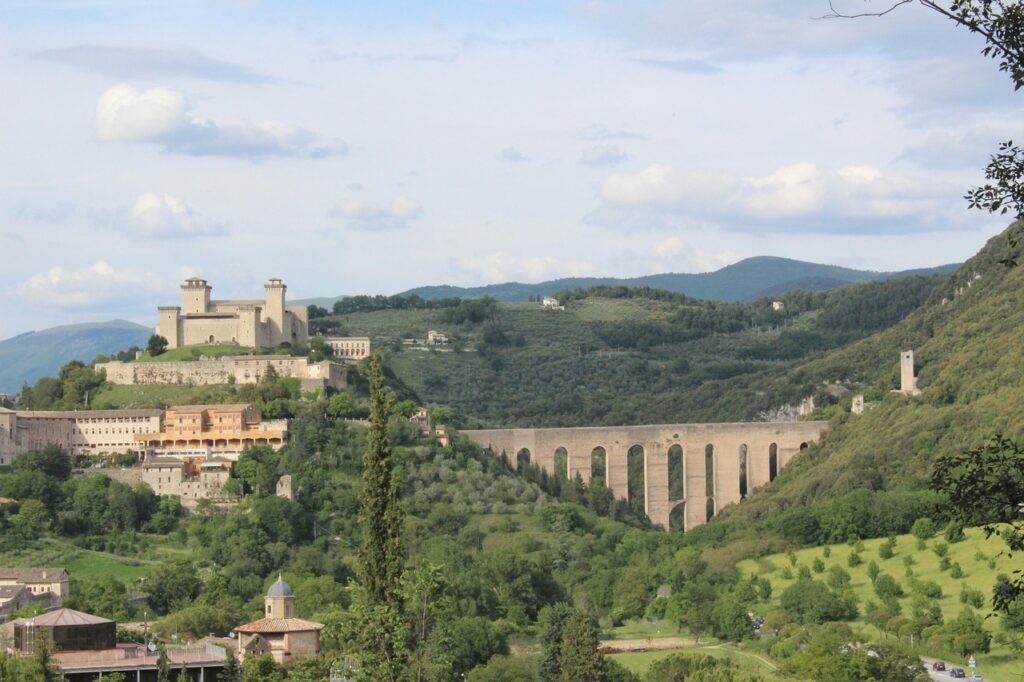
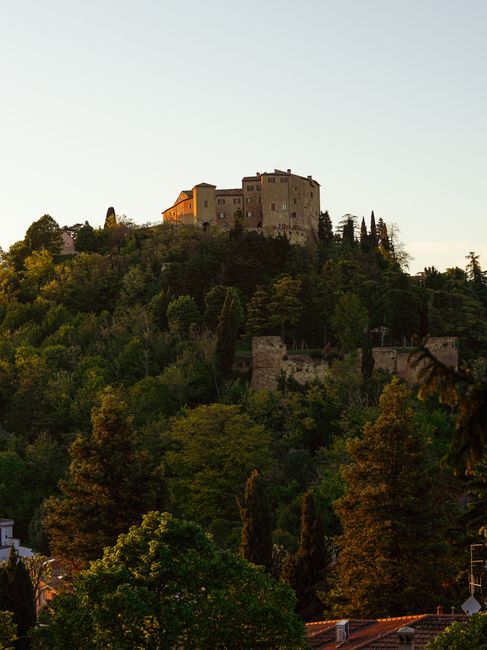
Beyond the major urban festivals, Umbria is full of small rocche and castelli that host local events, themed markets and often more intimate reenactments that are equally rich in authenticity. Among them: the Rocca Albornoziana in Spoleto, the Rocca di Montefalco (often referred to as the Castello di Montefalco) and the Castello di Sismano (in the municipality of Todi), which offer occasional events, medieval concerts and themed evenings.
Concrete examples:
- Rocca Albornoziana — Piazza della Rocca, 06049 Spoleto PG. Fortress/museum hours: 09:00–19:00 (seasonal variation). Entry for exhibitions and rampart tours: €6–€10. During medieval events, show prices €10–€25.
- Rocca di Montefalco — Via Garibaldi, 06036 Montefalco PG (the Rocca dominates the town). Typical hours: 10:00–18:00; visit cost €3–€6. Local events: small medieval markets and traditional wine tastings (tasting tickets €10–€25).
- Castello di Sismano — Loc. Sismano, 06059 Todi PG, Italia. Some private evenings and reservation-only events; guided tours possible (contact the owner or local authority for the calendar). Guided tour fees €8–€20 depending on group size.
Immersive description: These small citadels stage scenes where everyday gestures intertwine: historic laundry workshops, militia reenactments, calligraphy and illumination classes. The natural amphitheatres of the rocche offer perfect acoustics for hurdy-gurdy music and medieval poetry recitals. Smaller festivals allow direct contact with artisans and organizers—often you can take part in hands-on workshops (small fee €3–€10).
Local tips: – Check road access: some rocche sit high with limited parking; plan for 20–30 minutes of walking. – Prefer visiting outside peak weekend hours if you want a quieter experience. – Pair a rocca visit with a local wine tasting: Umbria is renowned for Sagrantino di Montefalco and Montefalco Rosso.
Practicalities, tickets and recommendations for a successful visit
Planning a visit to a medieval festival in Umbria takes a bit of preparation to avoid surprises and maximise enjoyment. Here are practical tips on tickets and logistics:
- Tickets: Book in advance for historic dinners, joust grandstands and paid workshops. Official municipal sites (Comune di Bevagna, Comune di Foligno, Comune di Assisi) and the pages of the historical comitati publish ticket information and programmes. On-site payments are often accepted in cash; for major evenings, online card reservations are recommended.
- Transport: Umbria is well served by secondary highways and provincial roads; tourist car parks are signposted. Regional trains connect Perugia, Foligno, Assisi and Spoleto—shuttles and local buses often serve historic centres during major events.
- Accommodation: Choose a central base like Foligno or Perugia to reach multiple sites. Agriturismi around Montefalco and Bevagna offer a more rural experience and traditional menus.
- Gear: Comfortable shoes, a light jacket for cool evenings, an external battery for photo/video (night shows are a photographer’s delight), and some cash for small purchases.
- Historic and community respect: Follow organizers’ instructions: some areas are reserved for performers, others are off-limits for safety. Avoid touching costumes or armor without permission.
Conclusion: Why these festivals deserve your visit
Medieval festivals in Umbria’s castelli are not mere tourist reenactments: they are living laboratories of local memory, where craft skills, collective rituals and ancient flavours meet to revive the everyday history of medieval towns. Visiting Bevagna, Foligno, Assisi, Spoleto, Montefalco or one of the smaller rocche, you’ll witness a form of sustainable cultural tourism: locals keep their heritage alive, younger generations learn and pass on skills, and visitors join a communal ceremony where authenticity matters.
Practically speaking, expect powerful scenes: riders charging through crowds, artisans focused on gestures honed over centuries, torchlit banquets tasting long-forgotten recipes. To truly enjoy it, prepare: book dinners or grandstand tickets in advance, choose times that showcase the best light (sunrise or sunset for photography), and approach local communities with respectful curiosity. Finally, consider extending your trip: Umbria offers nature, gastronomy and artistic heritage (basilicas, museums, olive groves)—perfect complements to an escape into living citadels.
In short: plan but stay open to the unexpected, respect the places and people who bring these festivals to life, and go with a desire to learn—Umbria will reward your curiosity with images, flavors and memorable encounters.