




Introduction: Gateways and Arrow Slits in Umbria — Reading a Living Fortification
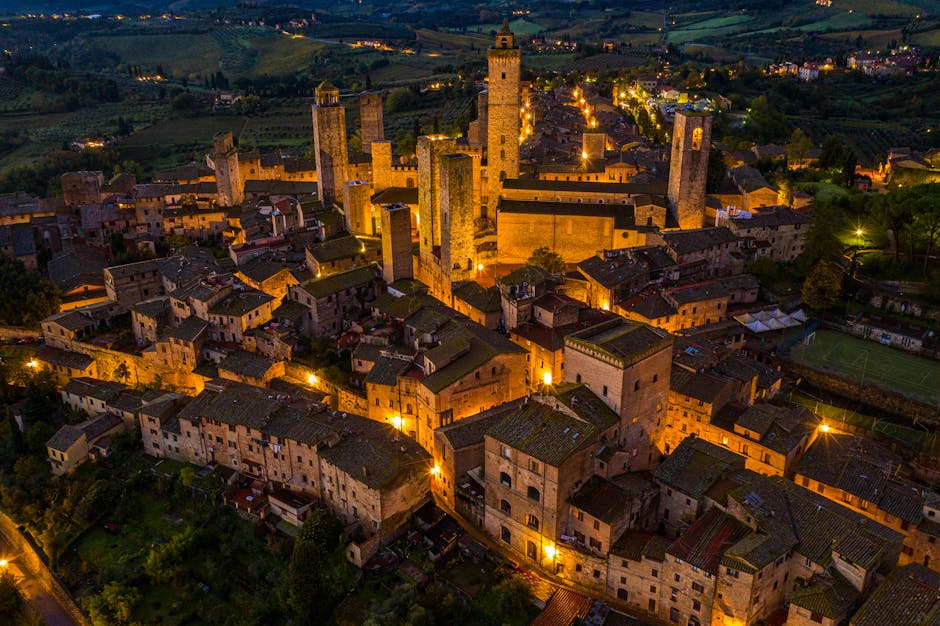
Umbria, the green heart of Italy, is a place where the echoes of the Middle Ages still ring in the stone. Its hilltop towns — Perugia, Spoleto, Gubbio, Assisi, Todi — preserve networks of walls, towers, fortified gates and arrow slits that testify to a martial craft now part of our cultural heritage. “Gateways & Arrow Slits” isn’t just an architectural survey: it’s a primer on how to read defensive writing in stone, to understand the dialogue between a potential attacker and the town, between symbolic power and practical function. This guide aims to be both descriptive and practical — and immersive — for anyone wanting to explore these features on the ground in Umbria.
Inside you’ll find detailed descriptions, exact addresses, typical opening hours, entrance fees and local tips so you can make the most of every stop. The goal is twofold: provide a historical and technical foundation — definitions of gates, portcullises, arrow slits and loopholes, medieval defensive strategies — while supplying a practical roadmap for visiting the main sites. Visual scenes are emphasized to help travelers anticipate what they’ll see and how to shoot these structures — from the silhouette of a gate to the shaft of an arrow slit gazing over a valley.
The approach is intentionally cross‑disciplinary: we cover grand public entrances as well as small military openings. We describe materials (local stone, brick, wrought‑iron portcullises), forms (round arches, ogives, heavy lintels) and tactical fittings (brattices, hoardings, battlements). We also address the visitor experience: which angles to favor, the best light to highlight a gateway, where to park, and how to access ramparts or adjacent museums.
Finally, this guide focuses on Umbria rather than all of Italy, selecting emblematic places and lesser‑known sites that speak just as clearly. For each location you’ll find exact addresses — handy for GPS — prices in euros and indicative opening hours that can change (local administrations sometimes alter seasonal schedules). Local tips, gathered from careful reading of practices and testimonies, round out the visit: when to ask for a guide, which combined ticket to buy to save money, and how to respect these fragile monuments.
1. Perugia: Urban Gates and Underground Arrow Slits — Visit & Practical Info
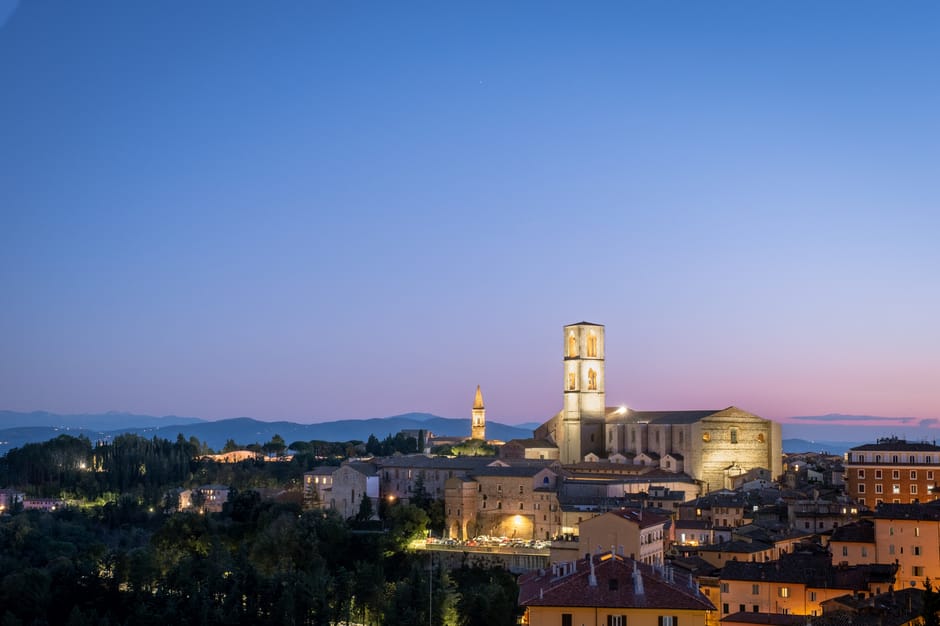
Perugia, the regional capital, offers the ideal panorama for understanding the dual nature of gateways — civic symbols and defensive devices. Start with the Arco Etrusco / Porta Marzia (Arco Etrusco), a rare survivor of an ancient crossing later adapted into a medieval gate. Address: Arco Etrusco (Porta Marzia), Via Marzia, 06123 Perugia PG, Italy. The arch is freely accessible, free to visit, and open year‑round 24/7 since it’s an outdoor monument.
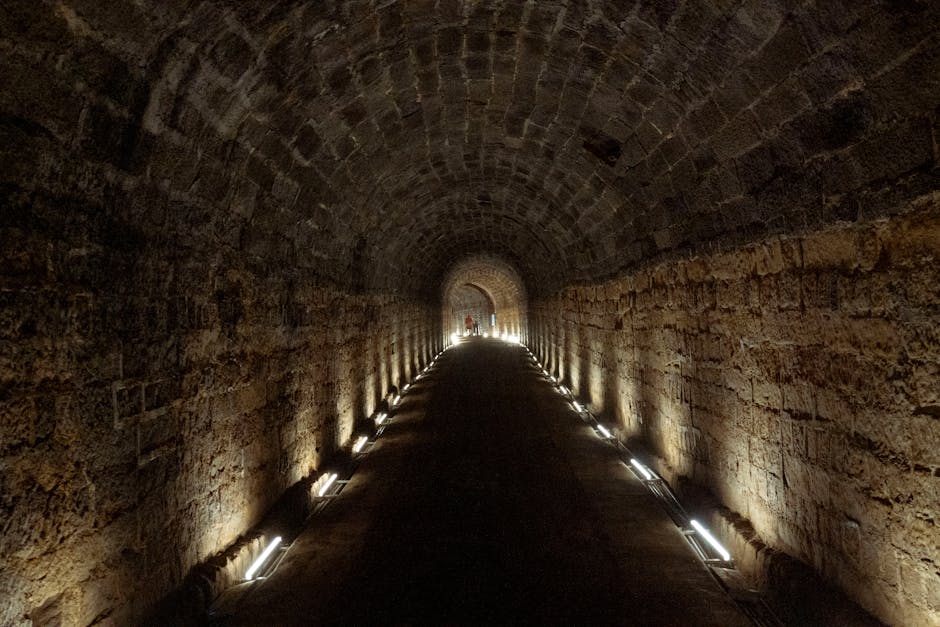
Continue to the Rocca Paolina, a vast fortress that incorporates underground quarters where gateways and arrow slits take on a special meaning. Address: Rocca Paolina, Piazza Italia, 1, 06123 Perugia PG, Italy. Typical hours: daily 9:00–19:00 (hours may vary with temporary exhibitions). Fees: free entry to areas open to the public; some exhibitions or guided tours may cost between €3 and €8 per person. Immersive description: descend into the corridors dug beneath the city, observe the massive architraves and the narrow apertures of the arrow slits that look onto the old streets. The narrow vertical slits are perfectly visible from the side alleys and create a striking play of light and shadow in the late afternoon.
Local tips: buy the “Perugia Card” when available to access multiple museums and towers, and plan a visit at dusk to photograph gates against a pastel sky. From the Rocca Paolina take the exit onto Via Eugubina to spot secondary doors, often fitted with original locks and wrought‑iron reinforcement bars — details that reveal practical tinkering from centuries of adaptation. For architecture buffs, ask the tourist office (Welcome Desk Perugia, Piazza IV Novembre, 06123 Perugia PG; generally open 9:00–18:00, closed Sunday morning) about specialized guided tours focused on fortifications.
2. Spoleto and the Rocca Albornoziana: Between Keep and Military Gates
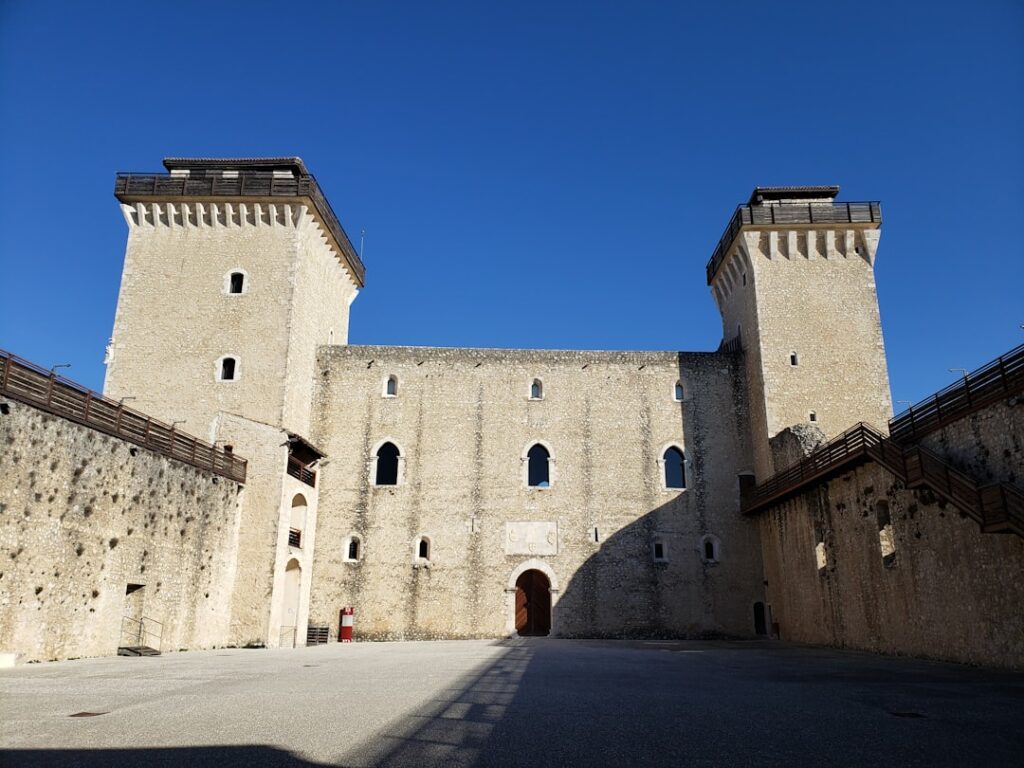
Spoleto is a masterclass in military architecture, where the Rocca Albornoziana dominates the valley like a stone bastion. Address: Rocca Albornoziana, Piazza Berardo Martorelli, 1, 06049 Spoleto PG, Italy. Indicative hours: April–October 10:00–19:00; November–March 9:30–17:00 (check the Comune di Spoleto website before visiting). Fees: standard tickets usually between €6 and €8; reduced €4 for students and seniors; occasional free entry for accompanied under‑18s. The fortress includes museums and walkways that offer panoramic views over the city gates.
Immersive description: as you approach you’ll make out the large pointed‑arch gateways, often flanked by round towers. Main doors had portcullises — still evident in the vertical grooves of the jambs — and guardrooms above the entrances. Inside, look for larger gun slits that reflect tactical changes after the arrival of artillery. Masonry alternates bands of grey stone and local tuff blocks, reinforcing the sense of mass and defense.
Practical tips: for great photos, climb the ramparts in the morning light or late afternoon to capture stone texture. If you arrive by car park at Parcheggio Carducci (Via Carducci, 06049 Spoleto PG) then walk 10–15 minutes; the lot is paid but very close. Combine your visit with the Ponte delle Torri (Via delle Torri, 06049 Spoleto PG), the medieval aqueduct that once controlled access to the town. Wear sturdy shoes: interior floors are often uneven cobbles and stone stairs can be slippery when wet.
3. Gubbio and Todi: Small Gates, Discreet Arrow Slits and Views to the Countryside
Gubbio and Todi offer an interesting contrast: Gubbio’s tight, twisting lanes multiply gates that filter access between neighborhoods; Todi is calmer, with monumental portals that mark the transition to the countryside. In Gubbio look for the Porta Romana (approximate info point: Via della Repubblica, 06024 Gubbio PG, Italy). Many gates don’t have official addresses but sit along historic streets: orient yourself from the Piazza Grande and follow Via dei Consoli.
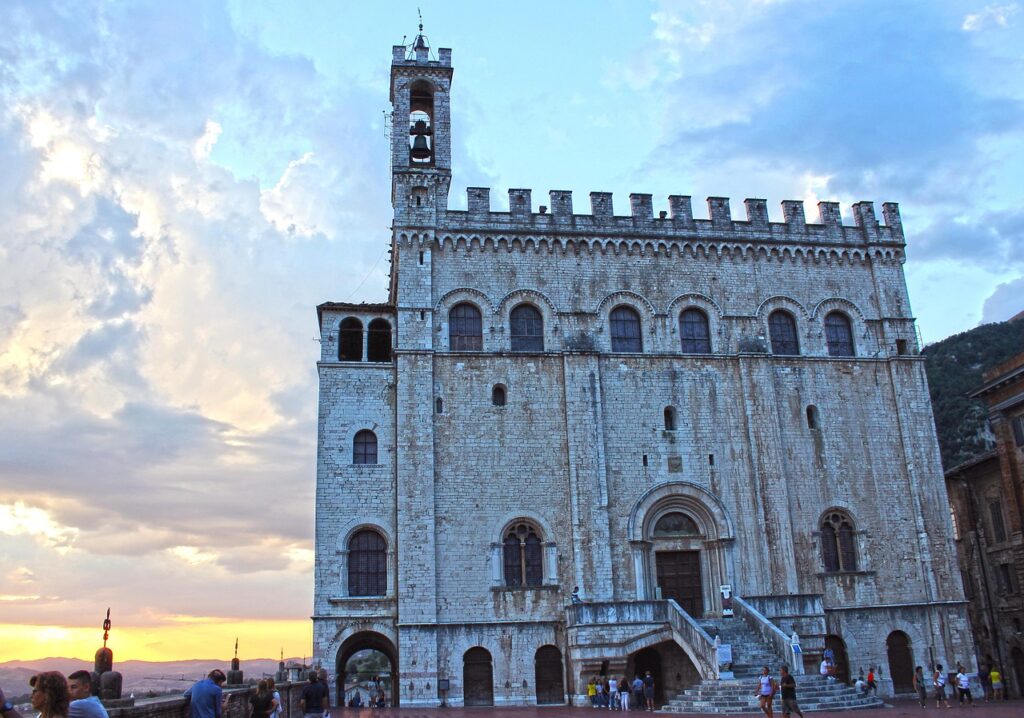
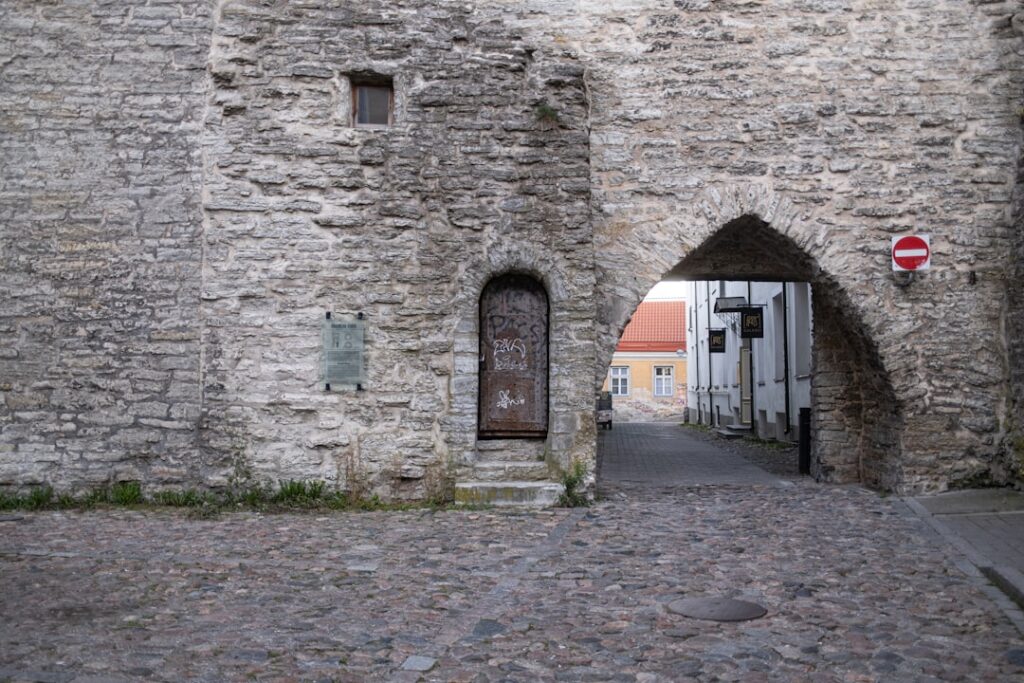
Gubbio immersive description: the urban gates are modest but show exquisite stonecutting. Vertical arrow slits, often integrated into the facing of houses along the walls, are hard to spot without a guide; scan at shoulder height, since they were designed for defenders standing at human height. In some neighborhoods wooden brattices were later replaced by stone niches used by sentries. Local tip: climb to the Palazzo dei Consoli (Piazza Grande, 2, 06024 Gubbio PG; usual hours 9:00–18:00; museum ticket about €5) for a comprehensive view of the fortified streets below.
Todi immersive description: Porta Romana and Porta del Popolo mark the shift from town to fields. Indicative address: Porta Romana, Via Roma, 06059 Todi PG, Italy (historic centre). The portals are massive, often fitted with heavy studded wooden doors and iron rings, and arrow slits sit above traffic levels to cover the country road. Practical tip: combine a gate tour with a walk along the walls; the local tourist office (Ufficio Informazioni Turistiche di Todi, Piazza del Popolo, 06059 Todi PG; hours 9:00–17:00) can point out private accesses sometimes opened during cultural events.
4. Assisi and the Defenses of a Sanctuary: Between Spirituality and Security
Assisi, usually visited for its basilica and religious profile, also hides defensive structures that are less well known but highly revealing. Must‑see address: Rocca Maggiore, Via della Rocca, 06081 Assisi PG, Italy. Typical hours: 9:00–18:00 in high season, 9:30–16:30 in low season; fees: around €3–€6 with discounts for children and seniors. The Rocca and nearby gates show how a pilgrimage site militarized to protect worshippers and treasures.
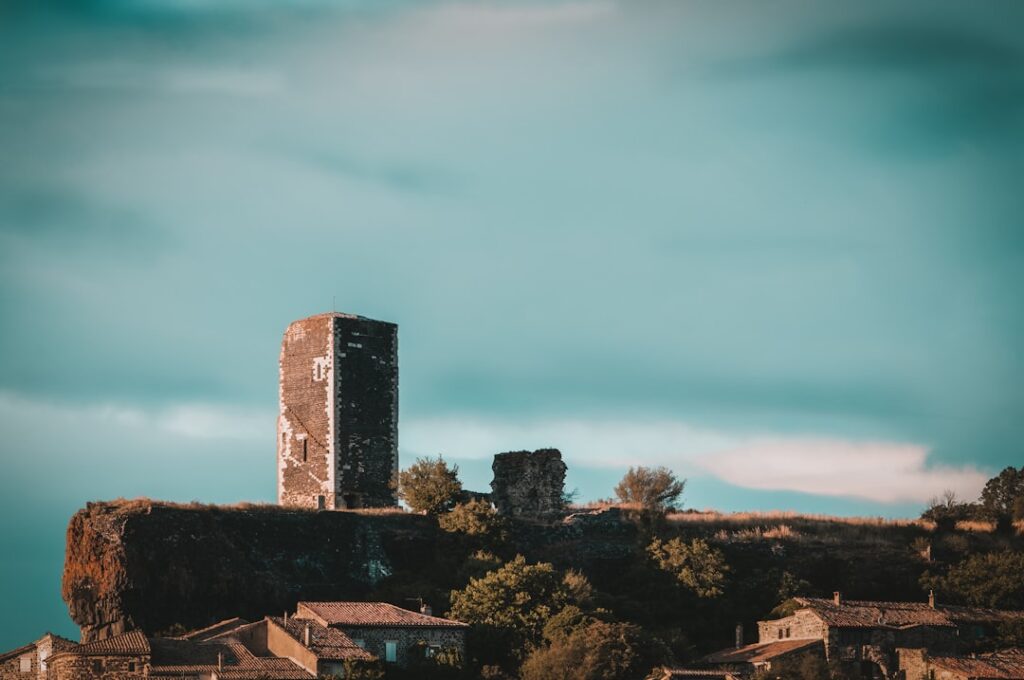
Immersive description: Rocca Maggiore consists of an irregular enceinte, defensive towers and a reinforced access gate. Arrow slits here are often placed high, facing the approach paths up from the valley. Their position reflects the need to cover both roads and footpaths leading to the sanctuaries. The contrast between serene religious frescoes and the harshness of portcullises is striking: behind pale stone facades you’ll find walkways historically patrolled by soldiers and sentries.
Local tips: visit early to avoid pilgrim crowds and take advantage of light that carves out stone reliefs. Access to Rocca Maggiore is usually via a steep climb; bring water and comfortable shoes. To photograph arrow slits with Monte Subasio in the background, seek crenellations on the fortress’s northeast face at sunrise. Assisi’s tourist office (Piazza del Comune, 06081 Assisi PG; hours vary) sometimes runs thematic guided tours linking sacred and military architecture.
5. Architectural Interpretation and Field Tips: How to Read Gateways and Arrow Slits
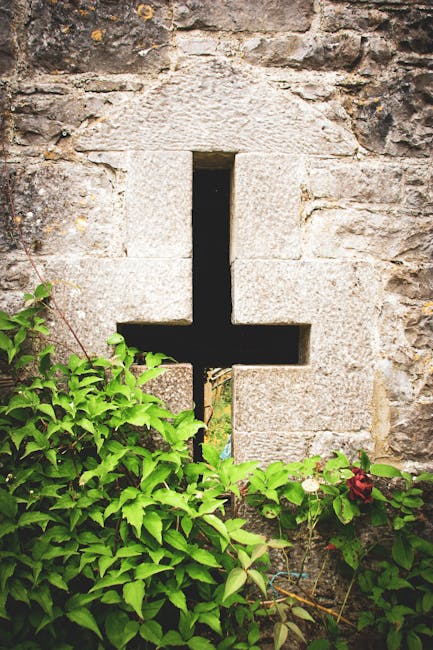
To get the most out of your visits, it helps to know a few interpretive keys. An arrow slit (or loophole) is recognizable by its shape: a narrow vertical slot, sometimes widened at the base to allow a wider firing arc. Medieval arrow slits were calibrated for bows, crossbows or — after the 15th century — early firearms. Gateways, meanwhile, tell a layered story: the main door may date from the 12th century, iron reinforcements from the 15th century, and an arch restored in the 19th century. Observing the joints between stones and later masonry repairs lets you read those successive phases.
Practical tips for your visit:
- Photography: favor the golden hour to capture stone texture and the shadows in arrow slits. Use a moderate wide‑angle lens (24–35 mm) for street gates and a light telephoto (70–200 mm) to isolate details of arrow slits high above.
- Access: always check local tourist office opening hours; many provide maps of the walls with authorized access points to the ramparts.
- Safety & respect: don’t touch areas undergoing recent restoration and respect barriers. Stones can be friable and ancient structures are protected by Italian cultural heritage law.
- Combined tickets: often a fortress ticket includes or offers reductions for a nearby museum; check the ticket office to optimize cost and time.
- Best times: off season (March–May, September–October) for quieter visits and softer light. Avoid peak tourist hours (11:00–15:00) to shoot freely.
Conclusion: Understanding and Preserving Umbria’s Gateways and Arrow Slits
Umbria’s gateways and arrow slits are elements of collective memory, witnesses to centuries of confrontation, exchange and technical adaptation. Visiting them is more than snapping photos: it’s an exercise in listening to stone, analyzing former uses and understanding the defensive choices that shaped urban landscapes. Standing before a studded door, a worn arch or a narrow slit, you can picture sentries watching the hills, portcullises crashing down in a metallic roar, orders whispered inside thick walls. That sensory dimension is what makes the discovery so rewarding.
For travelers, respect and curiosity are the twin attitudes to cultivate. Respect, because these structures require protection: don’t climb on fragile sections, avoid removing fragments or leaving marks, and check whether areas are restricted. Curiosity, because every opening has a technical and human story: ask questions, see whether municipal archives are available, join thematic guided tours and support local museums by buying catalogues or tickets — a small gesture that helps conservation.
Finally, keep in mind seasonality and the hours given: local tourist administrations (the municipalities and tourist offices of Perugia, Spoleto, Gubbio, Assisi, Todi) frequently update hours and prices according to seasons and events. Before you go, consult official municipal sites or call local offices to confirm opening times and to book if needed. Doing so not only lets you make the most of Umbria’s gateways and arrow slits, but also contributes to the preservation and promotion of a heritage that still has many stories to tell.