





Introduction: Hidden Chapels and Contemplative Gardens in Umbria
Umbria, in the very heart of Italy, is often called the country’s green soul: rolling hills, solitary cypresses, medieval villages and an astonishing concentration of places dedicated to spirituality and retreat. For travelers looking for more than museums or scenic overlooks, the region offers a string of hidden chapels and contemplative gardens — places where silence becomes the main material, where stone recounts centuries, and where nature plays a discreet escort. This article is a practical and sensory guide to discovering these spaces, with exact addresses, ticket prices, opening hours, immersive descriptions and local tips for experiencing these intimate moments without missing the essentials.
You’ll find chapels tucked inside famous cathedrals, hermitages hidden in ancient woods, cloisters converted into hanging gardens and botanical islets on Lake Trasimeno — all within easy reach of Umbrian hubs like Assisi, Orvieto, Perugia and Spoleto. Each site selected here emphasizes the contemplative experience: how to enter, when to come to avoid crowds, what behavior to adopt (moderate photography, respectful quiet), and the little details that make a visit memorable (a statue, a forgotten fresco, a laurel‑lined bench for meditation).
The hidden chapels of Umbria aren’t always secret by intent; often they simply sit in the shade of larger, more famous buildings. But it is precisely that discretion that makes them precious: they keep intimate frescoes, original architecture, or acoustics that capture a breath. The contemplative gardens, whether monastic or public, present varied greens — herb gardens, oak groves, vine pergolas, reflective pools — devices that shape calm.
This guide aims to be practical — you’ll find exact addresses, prices in euros and typical opening hours — and respectful: prices and times can change with season, holidays or conservation work. Before each visit I recommend checking the official site or calling the parish/museum. Finally, local tips will help you get the most meaningful part of each stop: best light for photos, accessibility for people with reduced mobility, cafeteria options or shady spots for a break. Browse these pages like a shaded trail — slowly, with curiosity and respect — and you’ll discover an Umbria that’s less touristy but infinitely deeper.
Cappella di San Brizio — Duomo di Orvieto: Intimate Frescoes and Golden Light
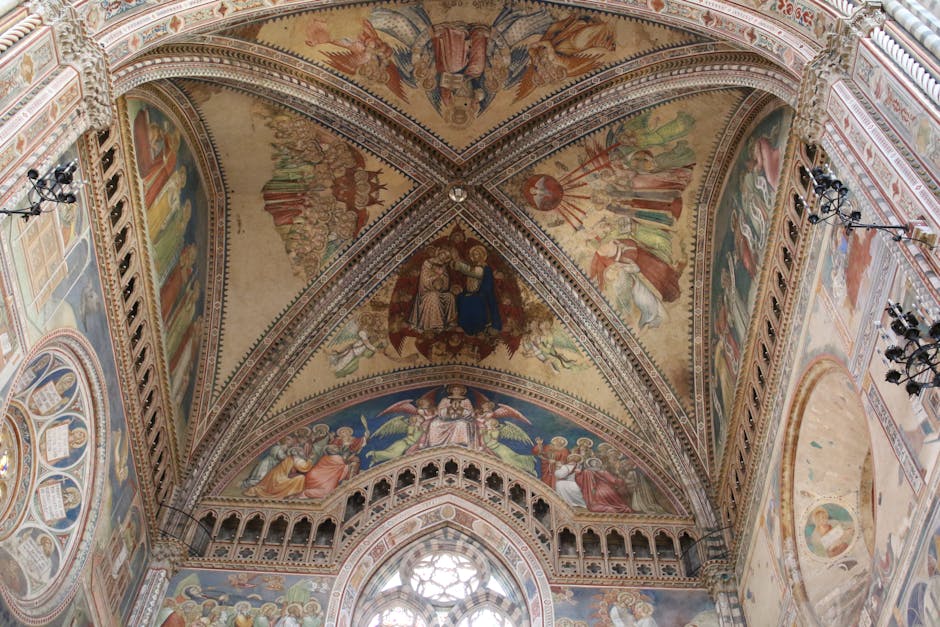
The Cappella di San Brizio may not be as « secret » as some smaller sanctuaries, but its interior atmosphere remains unusually intense and deserves to be approached as a meditative jewel. Located inside the Duomo di Orvieto, the chapel’s exact address is Duomo di Orvieto, Piazza Duomo, 14, 05018 Orvieto TR. The Duomo complex and the Cappella di San Brizio are accessible with a combined ticket through the Museo del Duomo.
Prices and opening hours: combined ticket Museo del Duomo and Duomo (including Cappella di San Brizio) approximately €10.00–€12.00 per adult (indicative spring 2024 prices), with reduced rates for students and seniors. Typical opening hours 10:00–18:00 in low season, extended in summer; closed on some holidays — check the official site (https://www.duomodiorvieto.it) or the ticket office on site to confirm. Guided tours in English may be available at set times; pre-booking is recommended for groups.
Immersive description: step through the door into a side nave where Luca Signorelli’s frescoes (and associated works) depict apocalyptic visions and episodes from sacred lives. The height and curvature of the vaults focus the gaze; light filtered through the stained glass reveals pigments that remain vivid despite the centuries. The space invites prolonged observation: sit for a few minutes on the side benches, listen to the acoustics hum when a visitor speaks in a low voice, feel the texture of the smoothed stone. The chapel’s corners hold details: carved angels, devotional cartouches and small inscriptions left by past worshippers.
Local tips: arrive early in the morning to avoid the afternoon crowds — morning light softens the frescoes beautifully. Avoid noisy items; silence is expected. If you’re interested in conservation, ask the ticket office whether restoration work is on display — sometimes stained glass or layers of old whitewash are temporarily exhibited. To extend the experience, after your visit climb the Duomo’s façade area for a panoramic pause over the town, then walk down Via del Duomo for a local coffee.
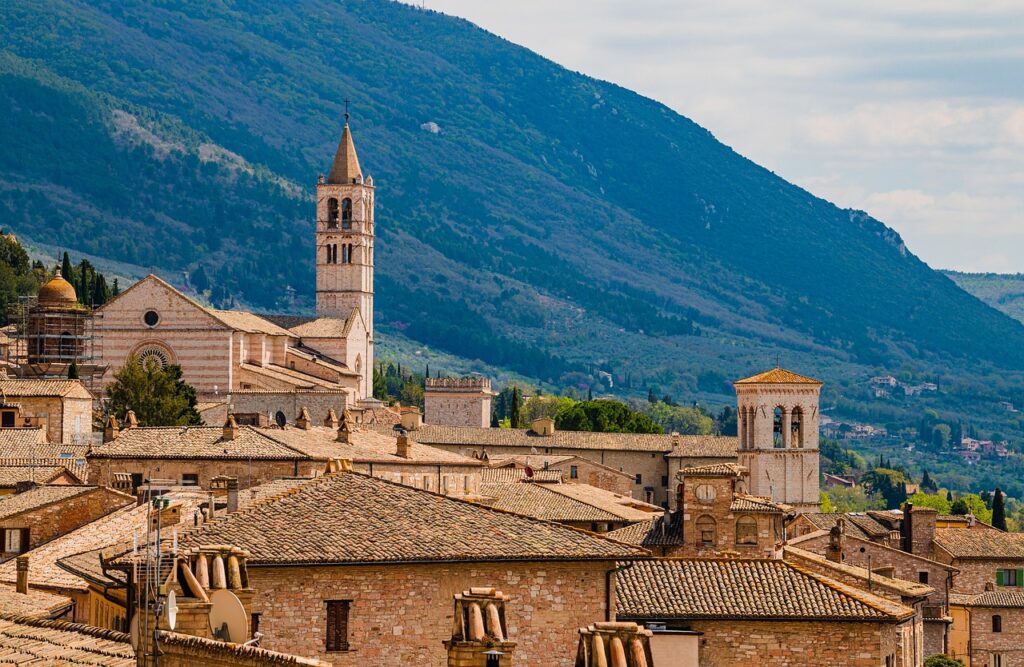
Eremo delle Carceri (Assisi) — Hermitage, Oak Forests and Restored Silence
The Eremo delle Carceri is a retreat site on the edge of Assisi, in the shade of the Monte Subasio woodland. Exact address: Località Carceri, 06081 Assisi PG. It’s a Franciscan hermitage where Saint Francis loved to withdraw. Here contemplation moves to the rhythm of birdsong and the rustle of ancient beams.
Prices and hours: access to the hermitage is generally free, but a voluntary contribution (donation) is recommended for upkeep. Typical opening hours: 09:00–12:30 and 14:30–18:00 (may change with seasons and religious offices). The hermitage church can sometimes be closed during services or retreats; before you go, call the local monastery (Parrocchia di San Francesco) or check Assisi tourist notices.
Immersive description: the road to the hermitage winds between olive trees and oaks; as you approach, city noises dissolve. The hermits’ cells, small and austere, face herb gardens — sage, lavender, mint — once used for remedies and teas. Secondary chapels, their stones darkened by time, preserve restrained frescoes and ex‑votos. The babble of a small fountain and a rustic cloister complete the setting for meditation.
Local tips: favor a weekday early‑morning visit, especially off the high season. Wear comfortable shoes: paths can be steep and unpaved. Observe the quiet: no loud groups or music. If you’d like to attend a Mass, check schedules at Assisi’s ticket office; Sunday services can attract larger numbers. After your visit, take time for a walk on the Monte Subasio trails for a panorama over the Umbrian hills.
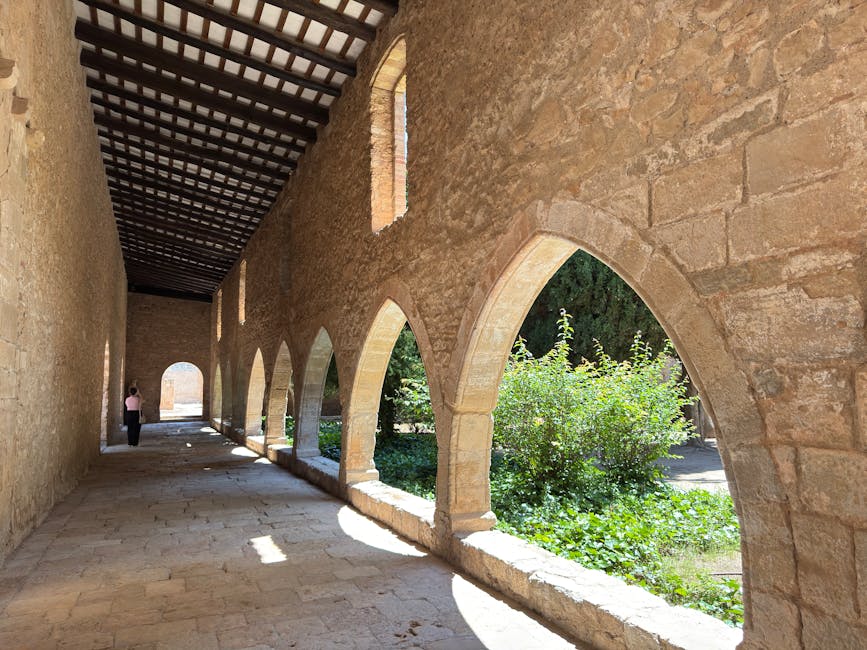
Cloister and Garden of San Damiano — Walls, Roses and Quiet Reflection
San Damiano is a small religious complex near the Basilica of San Francesco in Assisi, deeply tied to Saint Clare and Franciscan spirituality. Address: Basilica di San Francesco, Piazza San Francesco, 2, 06081 Assisi PG — access to the cloister and garden is normally through the Franciscan complex area. The site combines a medieval cloister with a walled garden ideal for contemplation.
Prices and hours: the cloister is generally accessible with admission to the museum or basilica; indicative prices €3.00–€6.00 for access to museum spaces and cloisters (variable). Typical hours 09:00–18:00, varying by season. Tickets and information are available at the basilica ticket office.
Immersive description: the San Damiano cloister is a perfectly proportioned square of stone, edged with arcades where slender columns support low vaults. The central garden is laid out with simple geometry: gravel paths, rose beds, aromatic herbs and an old well. The air is scented with lavender and the resin of surrounding pines. The memory‑laden walls are dotted with niches and small crosses, inviting inward walking. Scattered benches give the space the slow rhythm of a sung reading or a silent prayer.
Local tips: evening light between July and September bathes the sun‑warmed walls and is ideal for respectful photography. The garden is a peaceful spot for visitors tired after touring the basilica; bring a bottle of water and sit to feel textures, listen to leaves brushing and watch the bees. For a more private moment, visit outside school hours and avoid organized tourist groups. Volunteers and friars on site can often point out the medicinal plants in the garden.
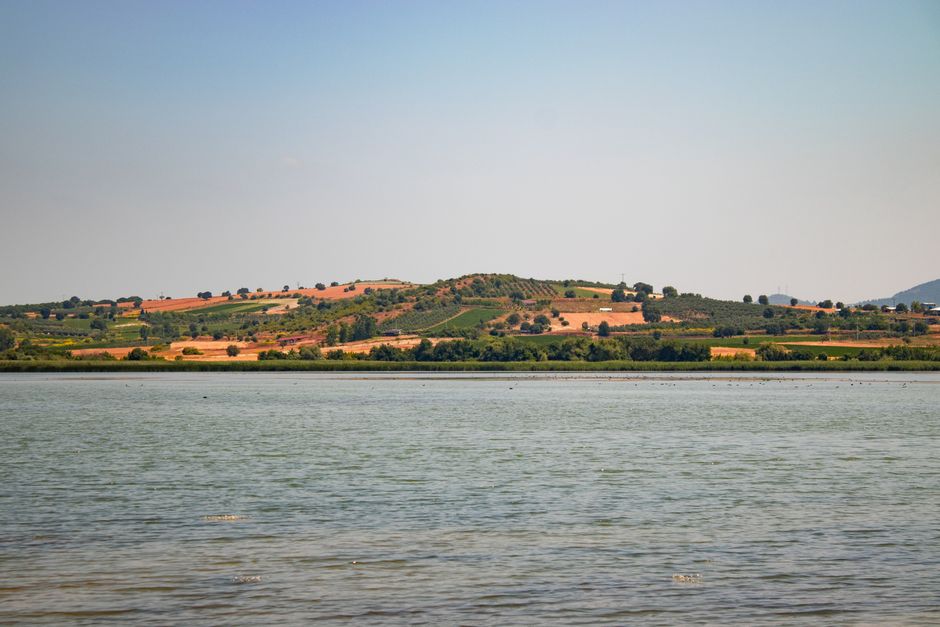
Isola Polvese — Botanical Garden and Island of Silence on Lake Trasimeno
Isola Polvese is the largest island on Lake Trasimeno and hosts a unique botanical garden as well as spaces designed for contemplation. Main boarding point address: Porto di Isola Polvese, Isola Polvese, 06068 Tuoro sul Trasimeno PG; boats depart from Tuoro sul Trasimeno or Passignano sul Trasimeno depending on season. The island is managed by the Provincia di Perugia and offers botanical trails and zones for meditation and ecological workshops.
Prices and hours: the boat crossing is roughly €6.00–€12.00 round trip (varies by operator and season). Entrance to the island park/botanical garden: around €4.00–€8.00 per adult; reduced rates for children and groups. Hours: typically 10:00–18:00 in high season (May–September), reduced schedules off season — check local navigation services (compagnia battelli Lago Trasimeno) before traveling.
Immersive description: stepping ashore on Isola Polvese feels like entering an island garden that is both wild and curated. Paths wind between orchards, groves and experimental plots (aromatic plants and species endemic to Trasimeno). Lookouts open onto the lake where the water’s surface plays with light; shaded pergolas and small stone squares invite you to sit. The botanical garden offers informational panels about aquatic plants and migratory birds. Late afternoon brings deep calm, occasionally broken only by a passing canoe.
Local tips: combine the island visit with a bike ride around the lake (rentals available in Passignano sul Trasimeno). Bring sun protection and a hat — exposed areas can be very bright. May and June showcase spectacular blooms; September is great for milder temperatures. For a very private experience, choose the first boat of the morning or the last of the day.
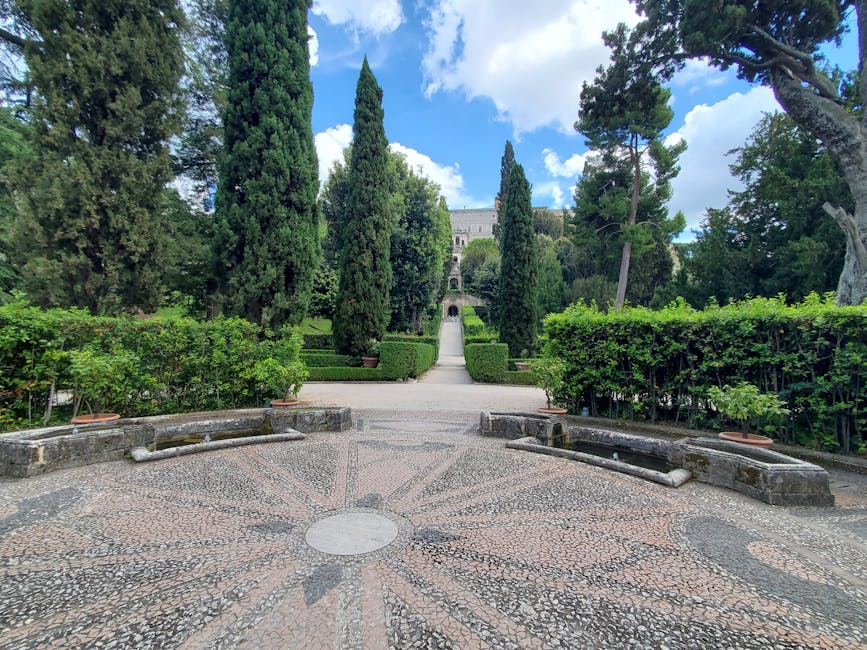
Orto Botanico of the University of Perugia — Academic Collection and Medicinal Plant Terraces
The Orto Botanico of the University of Perugia is a place where science and contemplation coexist. Address: Orto Botanico dell’Università di Perugia, Via del Giochetto, 26, 06123 Perugia PG. This university garden displays collections of medicinal plants, ancient trees and greenhouses housing rare species.
Prices and hours: admission typically €4.00–€6.00 per adult; reduced rates for students and seniors. Approximate hours 09:00–13:00 and 15:00–18:00 (may vary with university activities and season). It’s advisable to check the University of Perugia’s official site for guided visits and occasional lectures.
Immersive description: the garden unfolds in terraces down the slope, mixing herb beds (thyme, chamomile, rosemary) with azalea groves. The sound of an academic fountain, detailed botanical panels and shaded paths encourage a pedagogical yet contemplative approach. Stone benches and pergolas let you observe slowly the shapes of leaves and the movement of pollinating insects. Greenhouses shelter orchids and succulents, providing a welcome climatic change on rainy days.
Local tips: for a more technical reading, join a botanist‑led guided tour (often organized by the university). If you seek quiet, avoid school outing hours. The garden pairs well with a walk through Perugia’s historic center — plan a full afternoon to take it all in.
Conclusion: How to Best Savor These Soulful Spaces
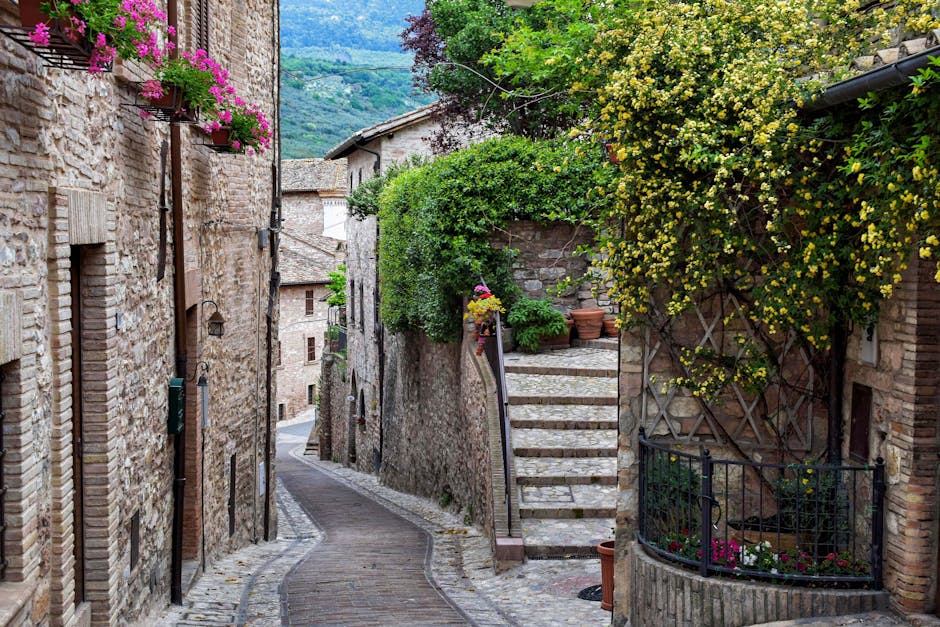
Visiting Umbria’s hidden chapels and contemplative gardens requires a certain slowness: the region rewards the patient traveler with gradual revelations — a fresco revealed after careful observation, a scent of herbs rising between stones, or a bird’s song breaking a minute slice of silence. The places presented here — Cappella di San Brizio at the Duomo of Orvieto, Eremo delle Carceri, the San Damiano cloister, Isola Polvese and the Orto Botanico of Perugia — cover different facets of Umbrian contemplation: sacred art, solitude in the woods, monastic gardens, a botanical island and an academic garden. Each offers different opening hours and access conditions; take the time to check current prices and times before you go, as they may vary with season and conservation work.
Practical tips to finish: follow local rules — keep quiet, limit photos in certain spaces, dress modestly in places of worship — and favor off‑season visits when possible. Bring sturdy shoes, a bottle of water, a notebook and, if you value serenity, avoid guided groups. For engaged travelers, consider supporting sites with donations or by buying a small item at the shop: this often helps fund fresco restorations and garden maintenance.
Finally, leave room for the unexpected: an afternoon bench, a conversation with a Franciscan brother, a cloud that lights up a fresco — these little moments are the true fabric of memories in Umbria. Moving slowly between hidden chapels and meditative gardens, you’ll encounter not only the material history of the region but also its living silence, the kind that invites you to listen and to return.